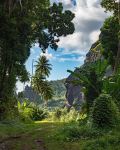
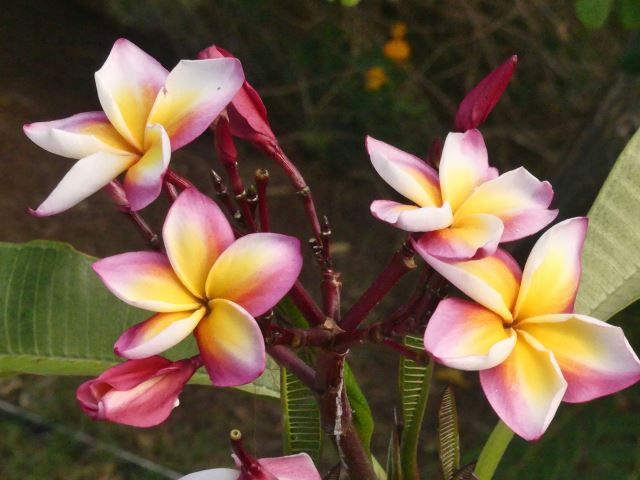
Phnom Penh, the capital of Cambodia, is a city where history, culture, and riverside life intersect. Situated at the confluence of the Mekong and Tonle Sap rivers, the city has a lively riverfront that serves as both a social gathering place and a hub for commerce.
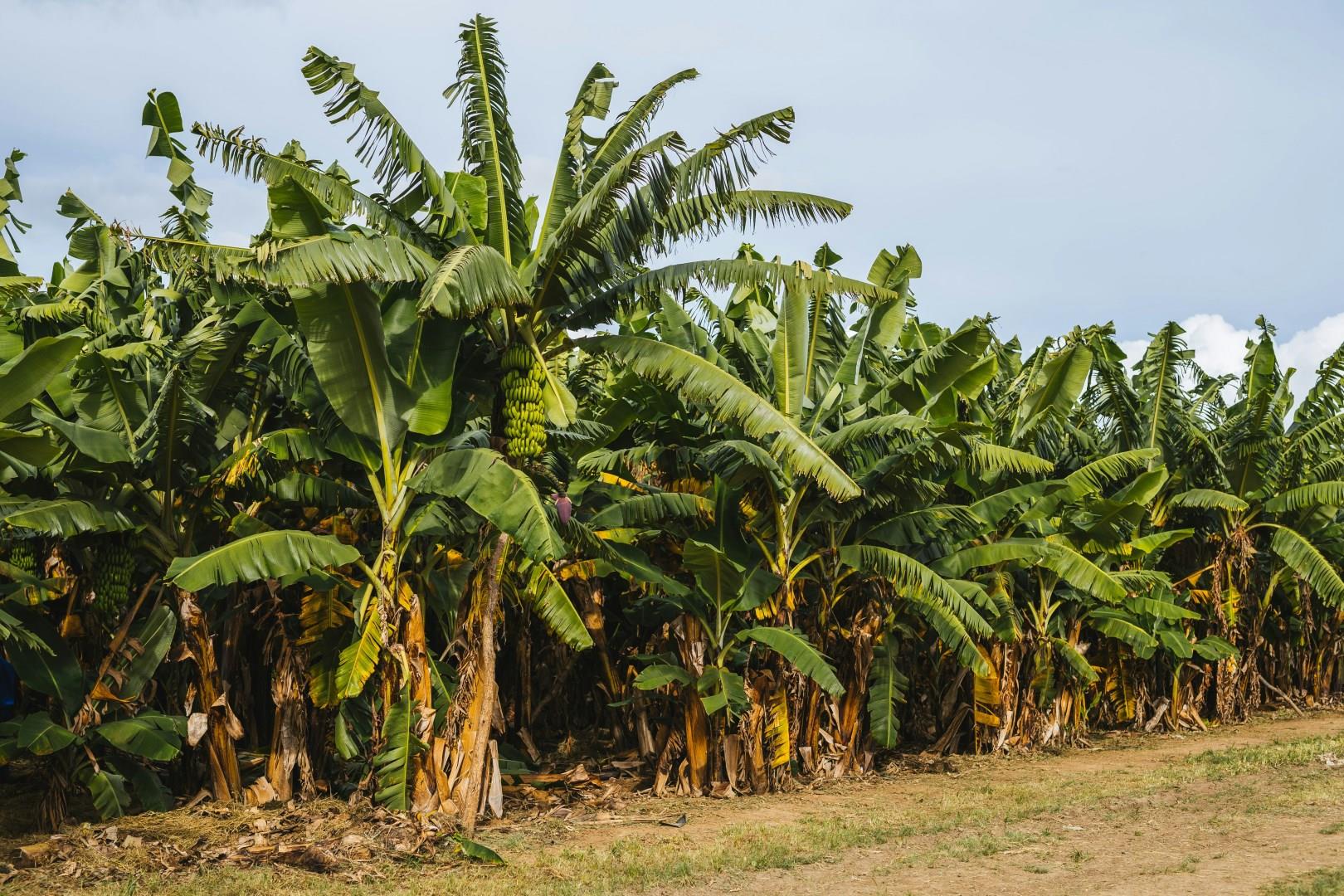
Lusaka, the capital of Zambia, is a city that blends modern energy with authentic African culture. As the country’s largest urban center, it serves as the gateway for travelers exploring Zambia’s natural wonders while also offering its own dynamic experiences.
Dakar, the lively capital of Senegal, stands at the edge of the Atlantic Ocean on the Cape Verde Peninsula. As the westernmost city on the African mainland, it has long been a crossroads of cultures, trade, and ideas.
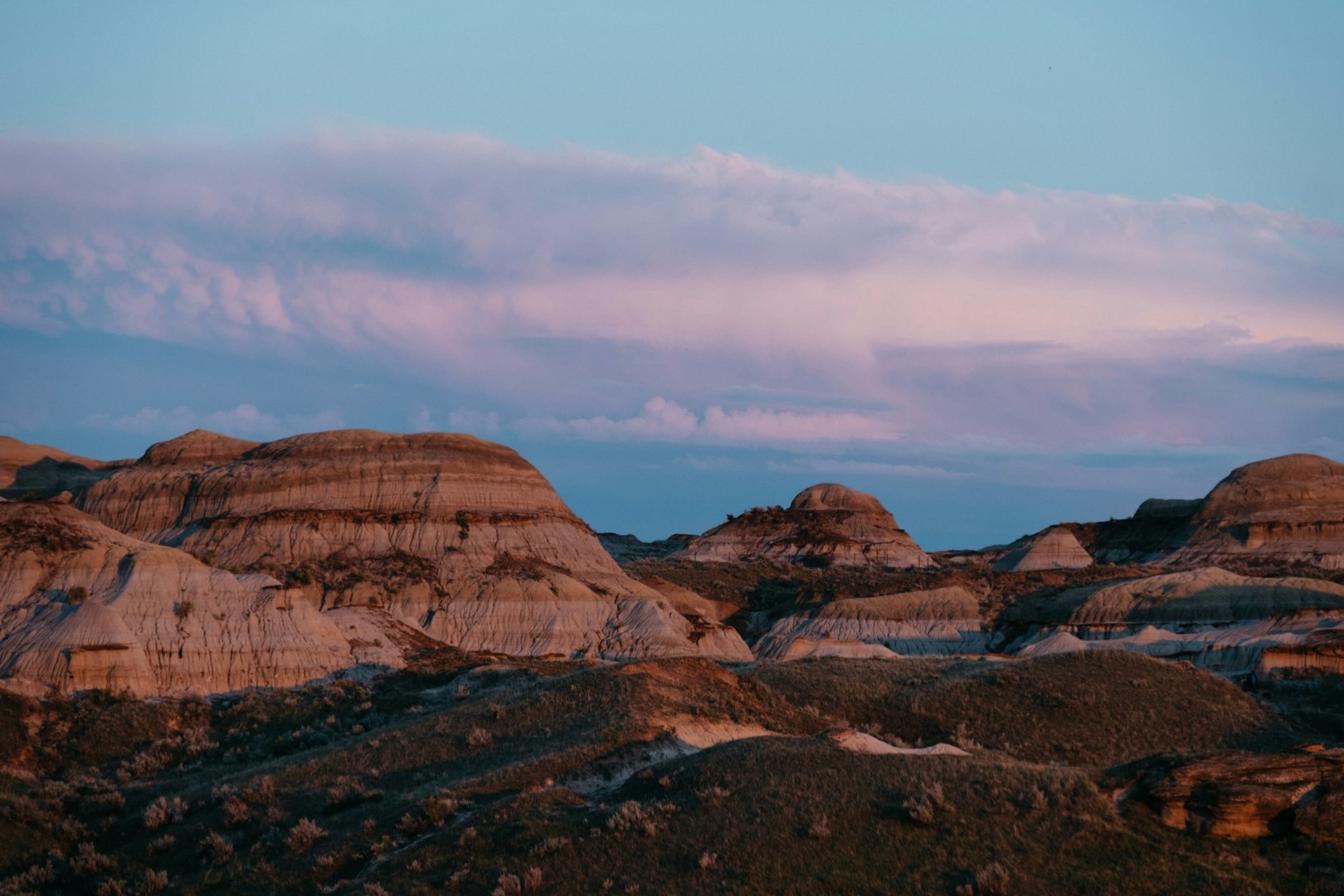
Dinosaur Provincial Park lies in the badlands of southeastern Alberta, along the Red Deer River. The park is recognized as a UNESCO World Heritage Site for both its geological landscape and its exceptional fossil record. Its dry valleys, eroded cliffs, hoodoos, and exposed rock layers reveal sediments from the Late Cretaceous period, when the region supported a very different ecosystem.
Canyonlands National Park, located in southeastern Utah, offers an awe-inspiring landscape of deep canyons, rugged mesas, and striking rock formations. This vast park is divided into four districts: Island in the Sky, the Needles, the Maze, and the Rivers. Each district showcases its own unique geological features and breathtaking vistas. The Island in the Sky district provides panoramic views from its high mesa, including breathtaking vistas of the Colorado and Green Rivers.
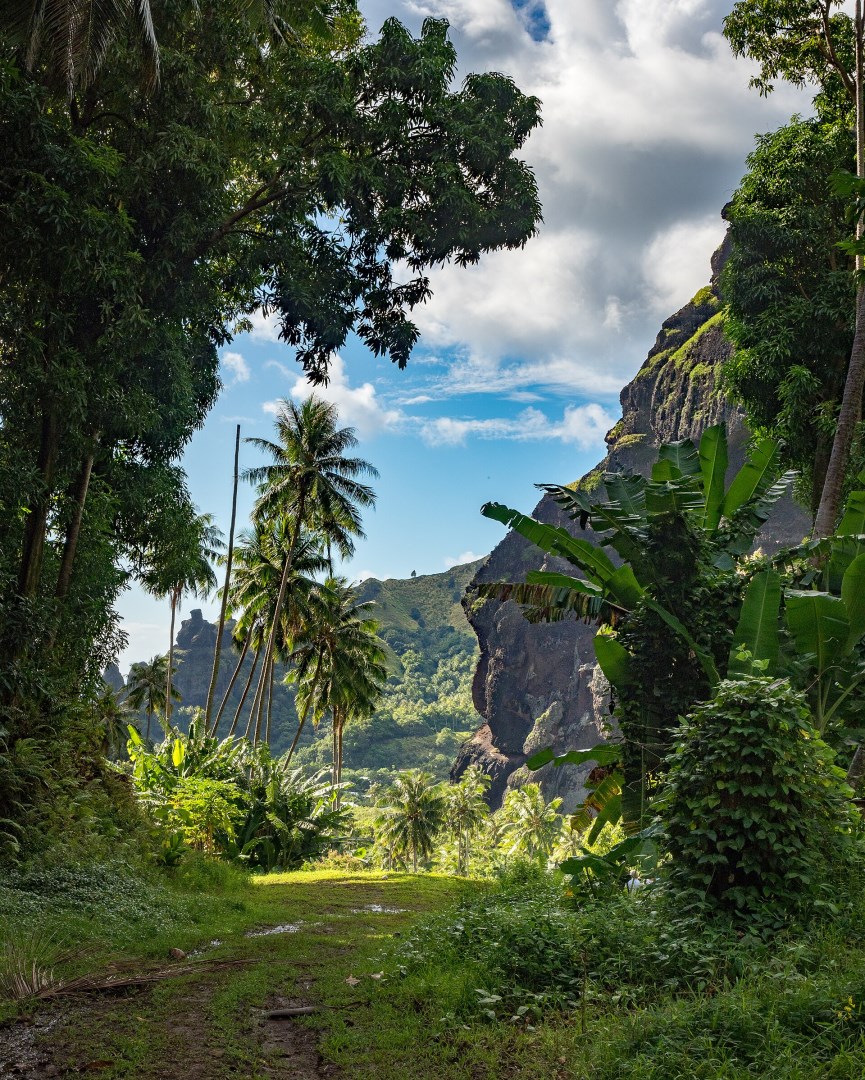
Fatu Hiva, the southernmost of the Marquesas Islands, is a destination that feels like stepping back in time to a world untouched by modernity. This remote island is known for its breathtaking landscapes, where lush, verdant mountains rise dramatically from the deep blue sea. The iconic Bay of Virgins (Baie des Vierges) is one of the most stunning anchorages in the world, with towering rock spires that give the bay its ethereal beauty. Visitors to Fatu Hiva can explore this awe-inspiring bay by boat or on foot, discovering hidden waterfalls and secluded beaches along the way.
The island’s small village of Omoa offers a glimpse into traditional Marquesan life, with its charming thatched-roof houses and warm, welcoming locals. Artisans in Omoa are skilled in crafting tapa, a traditional cloth made from the bark of mulberry trees, often adorned with intricate designs that reflect the island's rich cultural heritage. Travelers can visit local workshops to observe the making of these unique pieces and perhaps take home a one-of-a-kind souvenir.
Adventure enthusiasts will be captivated by the hiking opportunities on Fatu Hiva. The island’s rugged terrain is crisscrossed with trails that lead to panoramic viewpoints, dense forests, and ancient archaeological sites. One of the most popular hikes is the trail from Omoa to Hanavave, which passes through lush valleys, towering cliffs, and offers spectacular views of the island’s coastline. This hike is not only a physical challenge but also a journey through the island’s past, as many trails were once used by the Marquesans for trade and communication.
Fun fact: Fatu Hiva is famous for being the starting point of Thor Heyerdahl's 1937 expedition that led to his bestselling book "Fatu-Hiva: Back to Nature". Heyerdahl and his wife attempted to live off the land in this remote paradise, drawing global attention to the island's pristine beauty and unique way of life.
Other Popular Destinations in Marquesas Islands
Nuva Hiva
Nuku Hiva, the largest island in the Marquesas archipelago, offers an unparalleled escape into Polynesian paradise. This rugged island is renowned for its dramatic landscapes, characterized by lush valleys, towering cliffs, and volcanic peaks.
Hiva Oa
Hiva Oa, one of the most enchanting islands in the Marquesas archipelago, is a destination where natural beauty and cultural richness converge. Known as the “Garden of the Marquesas,” Hiva Oa is a lush, verdant paradise, dotted with towering cliffs, deep valleys, and an endless array of tropical flora