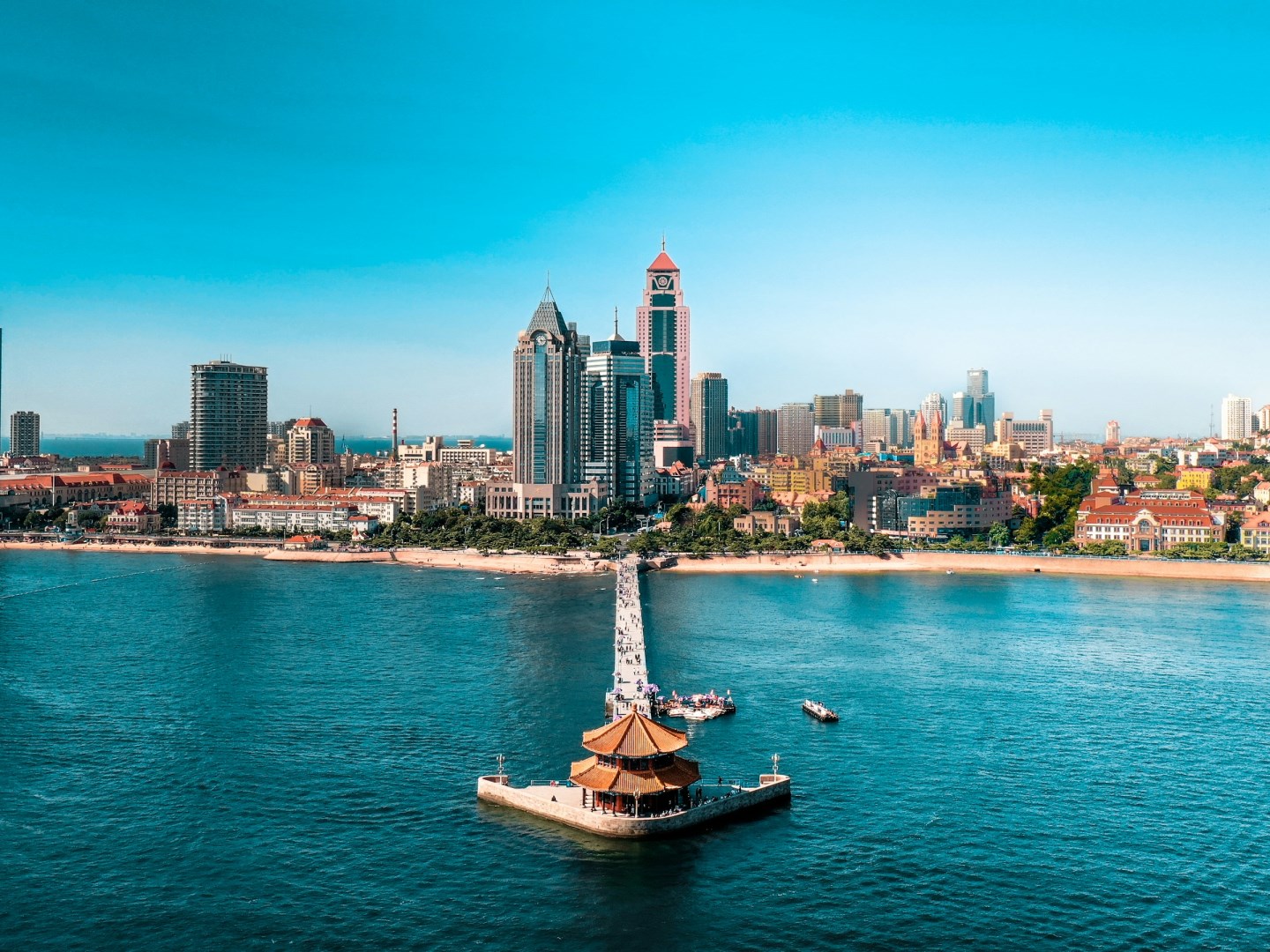
Qingdao
Qingdao, also Tsingtao or Ch'ing-tao, Shandong Province, eastern China. It is a major naval base, an industrial center, and a port on the Yellow Sea at the entrance to sheltered Jiaozhou Bay. The port, which rarely freezes over, serves the industrialized northern China Plain and was expanded in 1976 to include an oil terminal for large tankers on Huang Island. The leading manufactures of the city include textiles, railroad equipment, rubber goods, fertilizer, and chemicals.
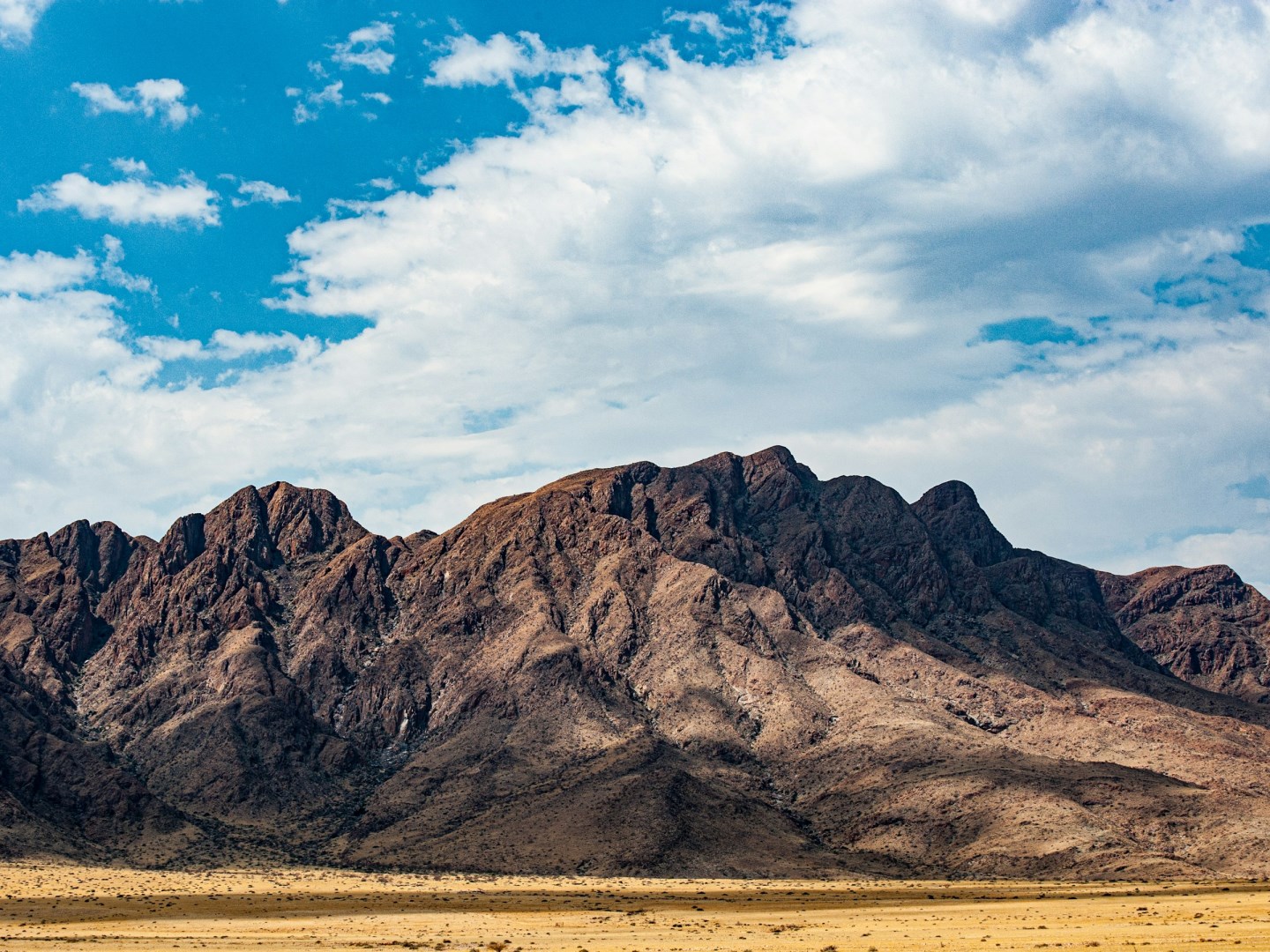
Namib-Naukluft National Park
Namib-Naukluft National Park is Namibia’s largest protected area, covering a vast stretch of desert from the central plateau toward the Atlantic coast. Its landscape includes rolling gravel plains, isolated rocky mountains, dry river valleys, and some of the country’s most recognizable sand dunes. The park contains the Namib Sand Sea, a UNESCO World Heritage property known for extensive dune fields shaped by wind and coastal fog.

Ohrid
Ohrid, nestled on the shores of Lake Ohrid in North Macedonia, is a city steeped in history and natural beauty. Often referred to as the "Jerusalem of the Balkans" due to its rich cultural and religious heritage, Ohrid boasts an impressive array of Byzantine-era churches, including the stunning Church of St. John at Kaneo. Perched on a cliff overlooking the lake, this church offers breathtaking views and a glimpse into the city's spiritual past.

San Salvador
El Salvador's capital and largest city lies in a valley at the foot of the large San Salvador volcano. Shanty towns abound and the streets are lined with people selling everything.
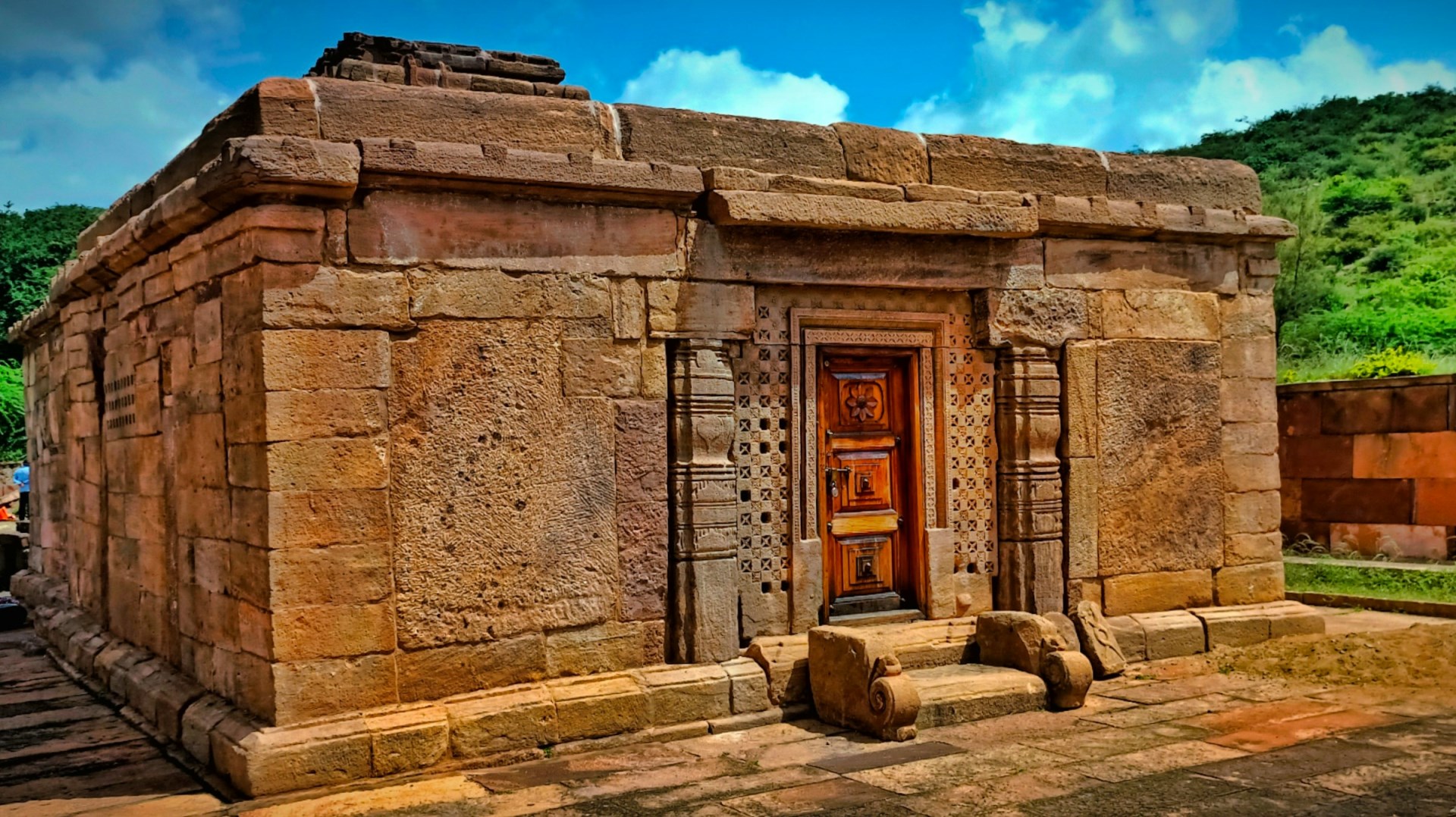
Badami
Badami is a historic town in Karnataka’s Bagalkot district, set among red sandstone cliffs and rocky hills in the northern Deccan. Once an important Chalukyan capital, the town is now best known for its rock-cut temples, carved directly into the sandstone surrounding Agastya Lake. The compact setting brings together ancient monuments, a reservoir, rocky outcrops, and narrow valleys, creating a landscape closely tied to the region’s architectural heritage. Badami also forms part of the important