Ubud
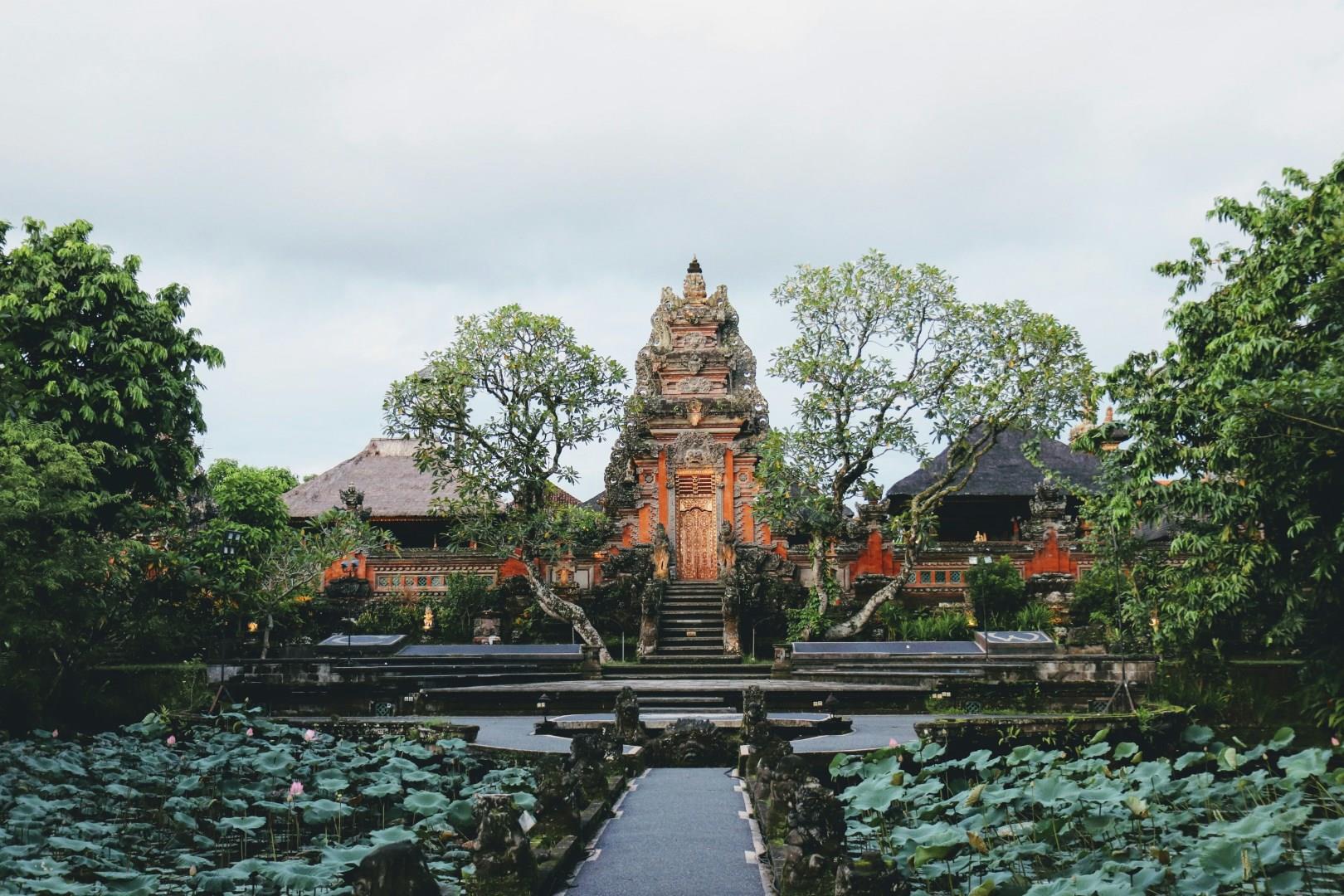
Ubud lies in the uplands of central Bali and has long been regarded as the island’s cultural and spiritual heart. Historically a center for healing and royal patronage, the town developed around temples, palaces, and traditional villages that supported dance, painting, woodcarving, and ritual life.

Dominica
Dominica, known as the “Nature Island of the Caribbean,” is a haven for eco-tourists and adventure seekers. Nestled between the French islands of Guadeloupe and Martinique, this lush island boasts a remarkable landscape of volcanic mountains, dense rainforests, and stunning waterfalls. Dominica’s most iconic natural wonder is the Boiling Lake, the second-largest hot spring in the world.

Icy Strait Point
Icy Strait, Alaska, is a hidden gem for adventurers seeking an authentic Alaskan experience. Nestled between the rugged coastlines of the Inside Passage and the stunning wilderness of the Tongass National Forest, Icy Strait offers unparalleled natural beauty and wildlife encounters. This remote destination is ideal for those looking to explore the great outdoors, with opportunities for whale watching, fishing, and hiking through pristine landscapes.
Coral Coast
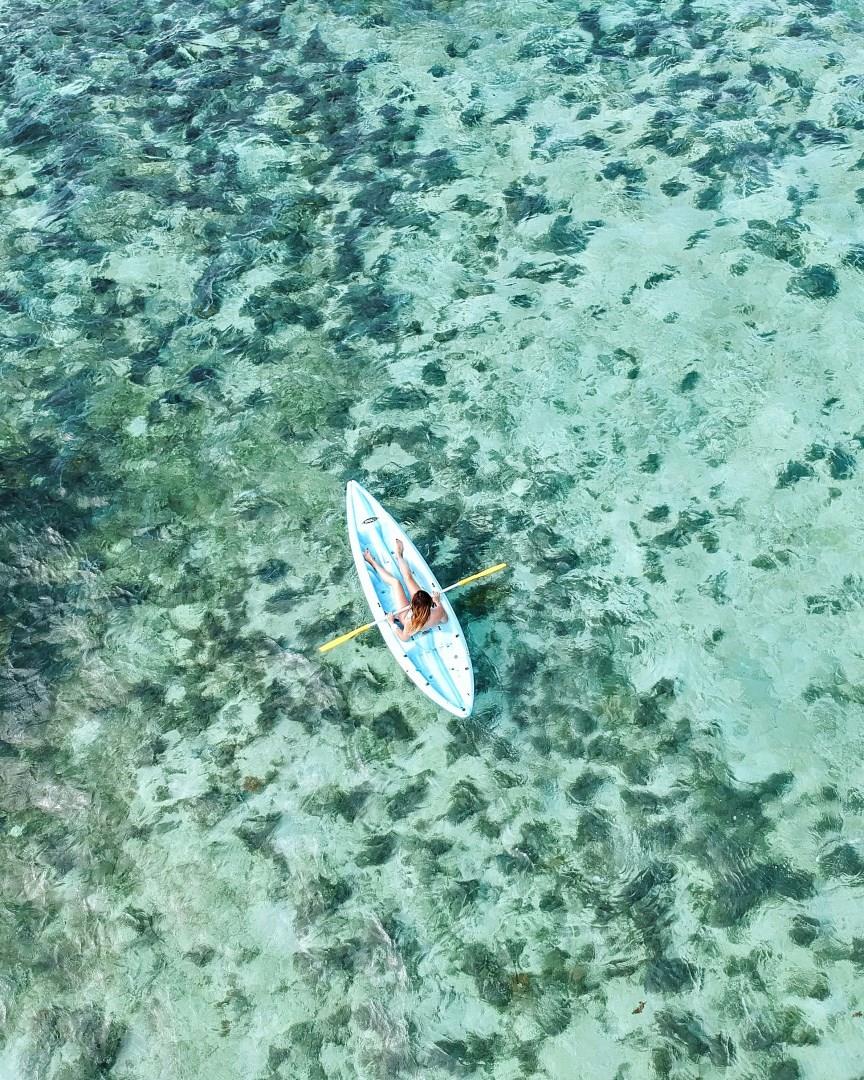
The Coral Coast stretches along the southern edge of Fiji’s main island of Viti Levu, beginning around 15 km south of Nadi and continuing toward Suva. This 80 km shoreline is dotted with beaches that widen at low tide, bays set against green hills, and a series of small townships that feel welcoming and down to earth. Sigatoka, often called the gateway to the Coral Coast, sits beside the winding Sigatoka River, where local markets brim with fresh tropical fruit and handmade crafts.
Newport Beach
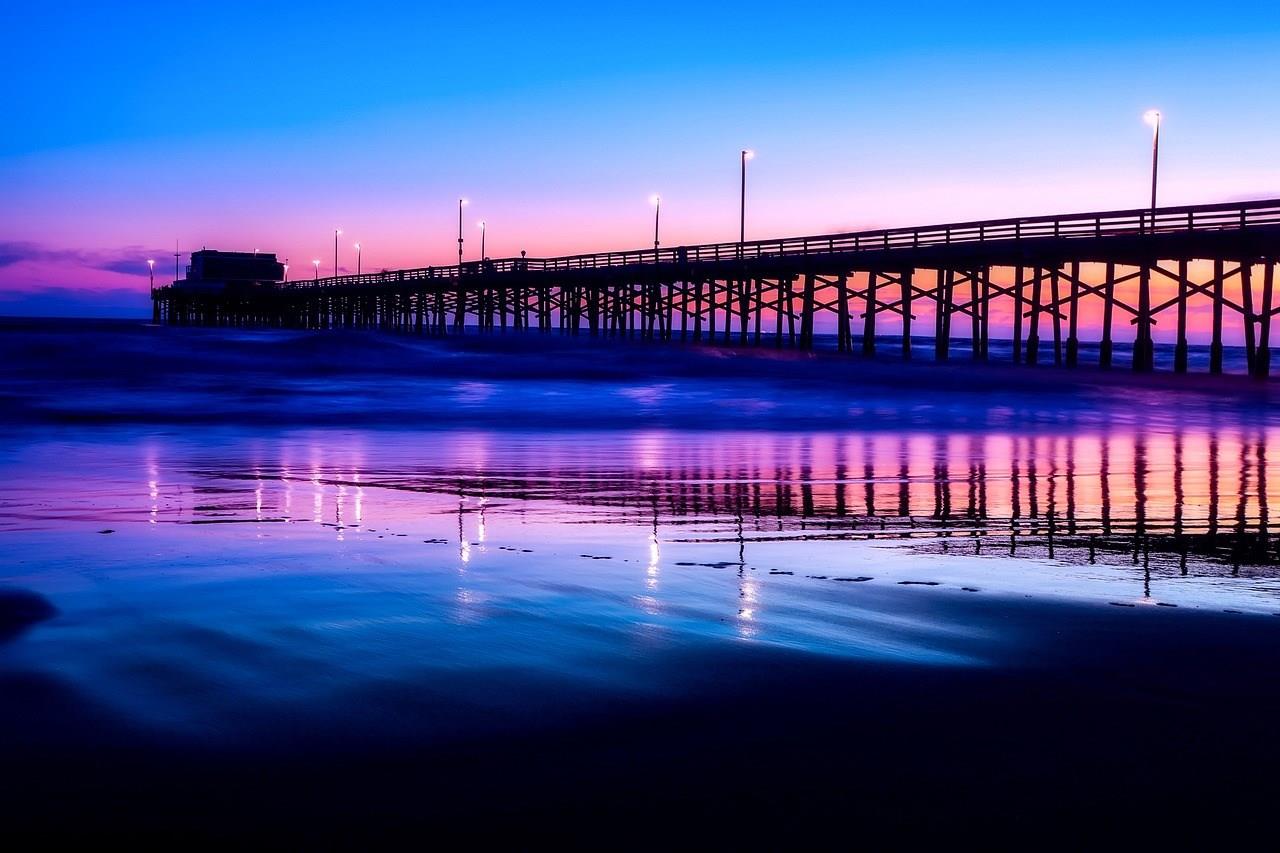
Newport Beach, California, offers the quintessential Southern California experience, with its golden beaches, luxurious homes, and a laid-back yet upscale vibe. Nestled along the Orange County coastline, this sun-soaked destination is famous for its pristine beaches, including the iconic Newport Beach Pier, where visitors can enjoy surfing, sunbathing, or simply soaking in panoramic ocean views.