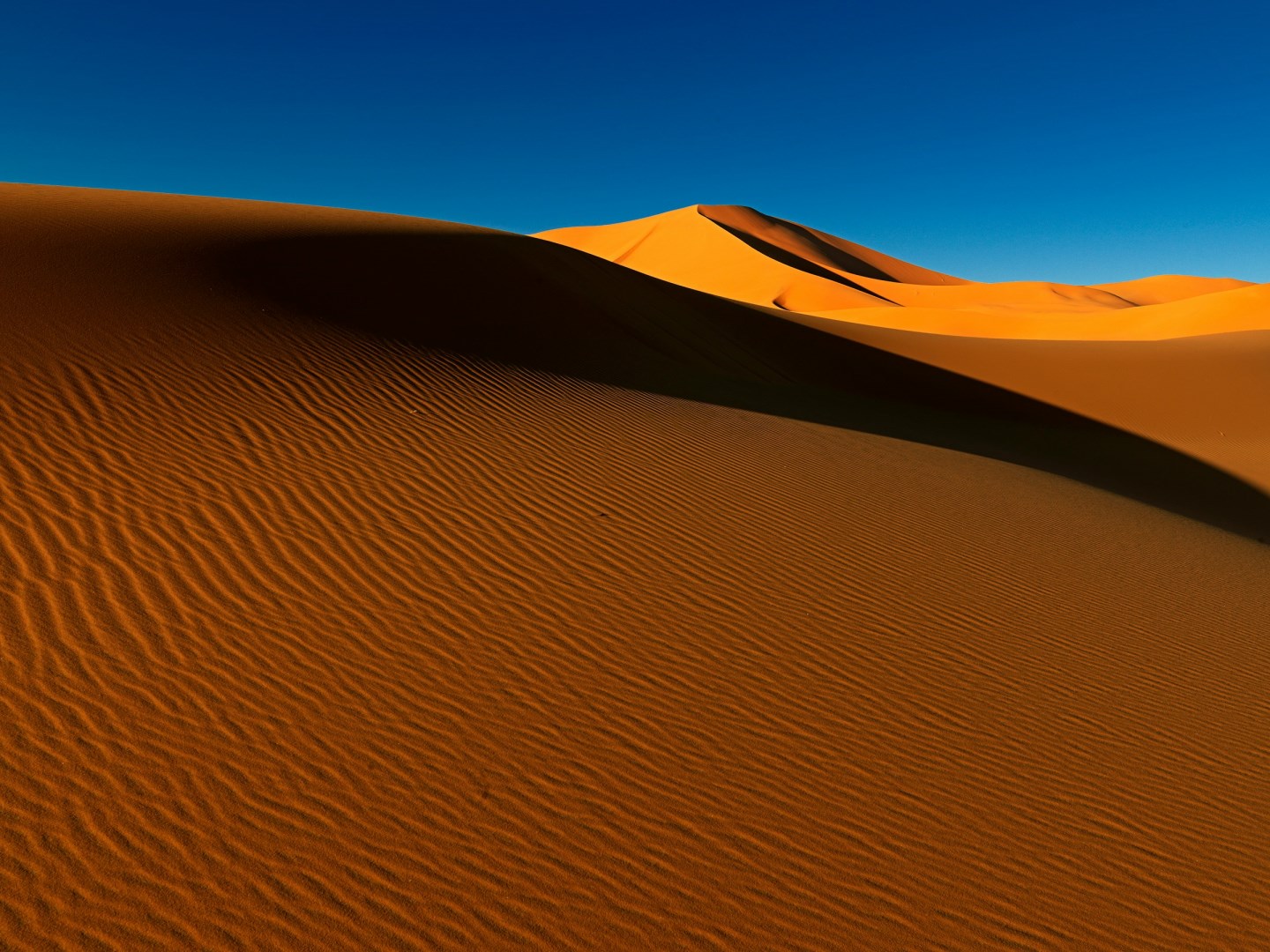
Algeria, the largest country in Africa, offers a travel experience that’s both surprising and unforgettable. From the Mediterranean coastline to the vast expanse of the Sahara Desert, the country is full of contrast and color. In Algiers, visitors can wander the narrow lanes of the Casbah, a UNESCO World Heritage site filled with Ottoman palaces, secret stairways, and local life echoing centuries of history.
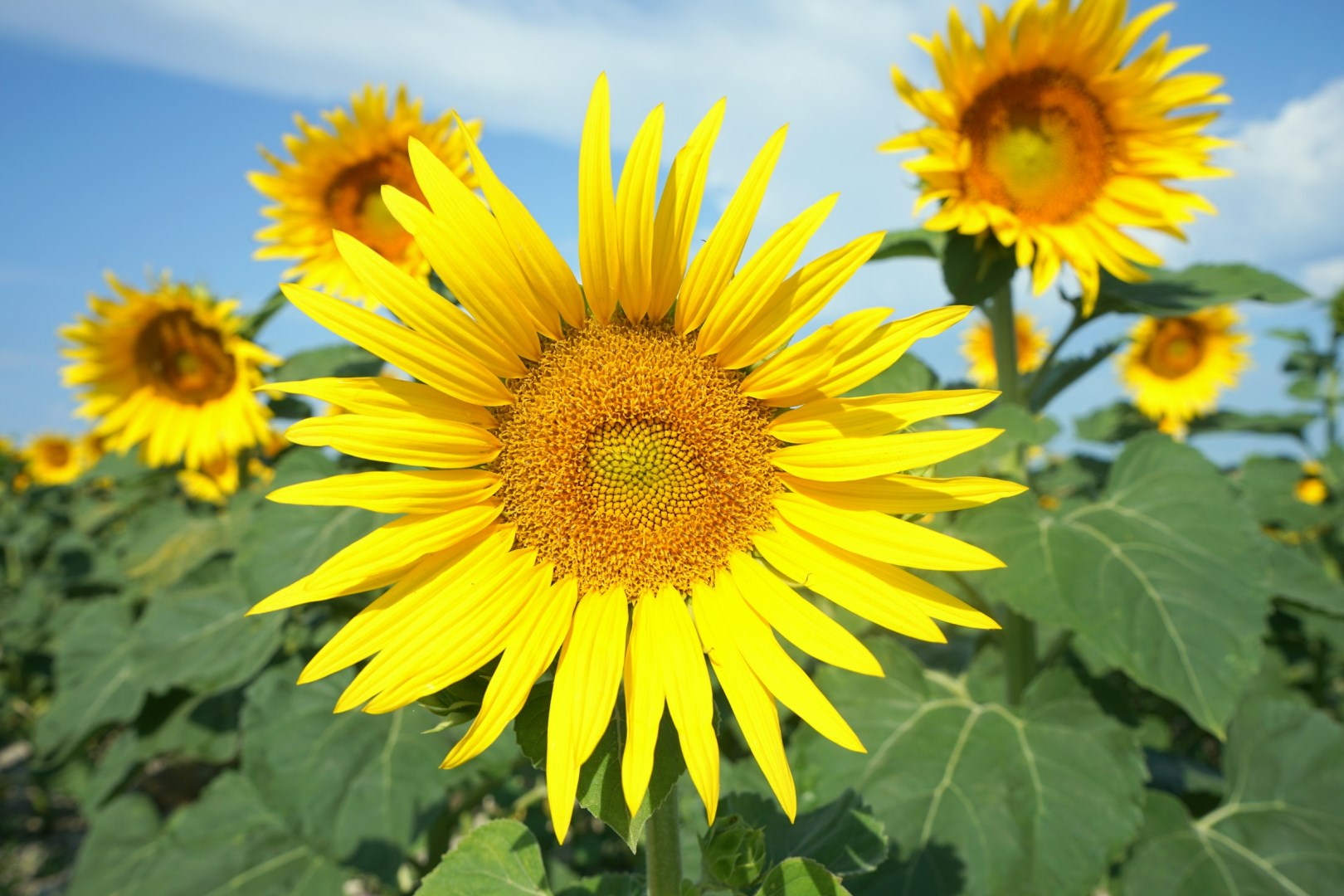
Blaye is a small town on the Gironde estuary in southwestern France, north of Bordeaux, known for its riverside setting, historic citadel, and connection with the vineyards of northern Gironde. The town rises gently from the estuary, with the fortified Citadel of Blaye occupying a prominent position above the water. Its old streets contain stone houses, cafés, and shops, while the waterfront provides views across the broad estuary toward the Médoc peninsula.
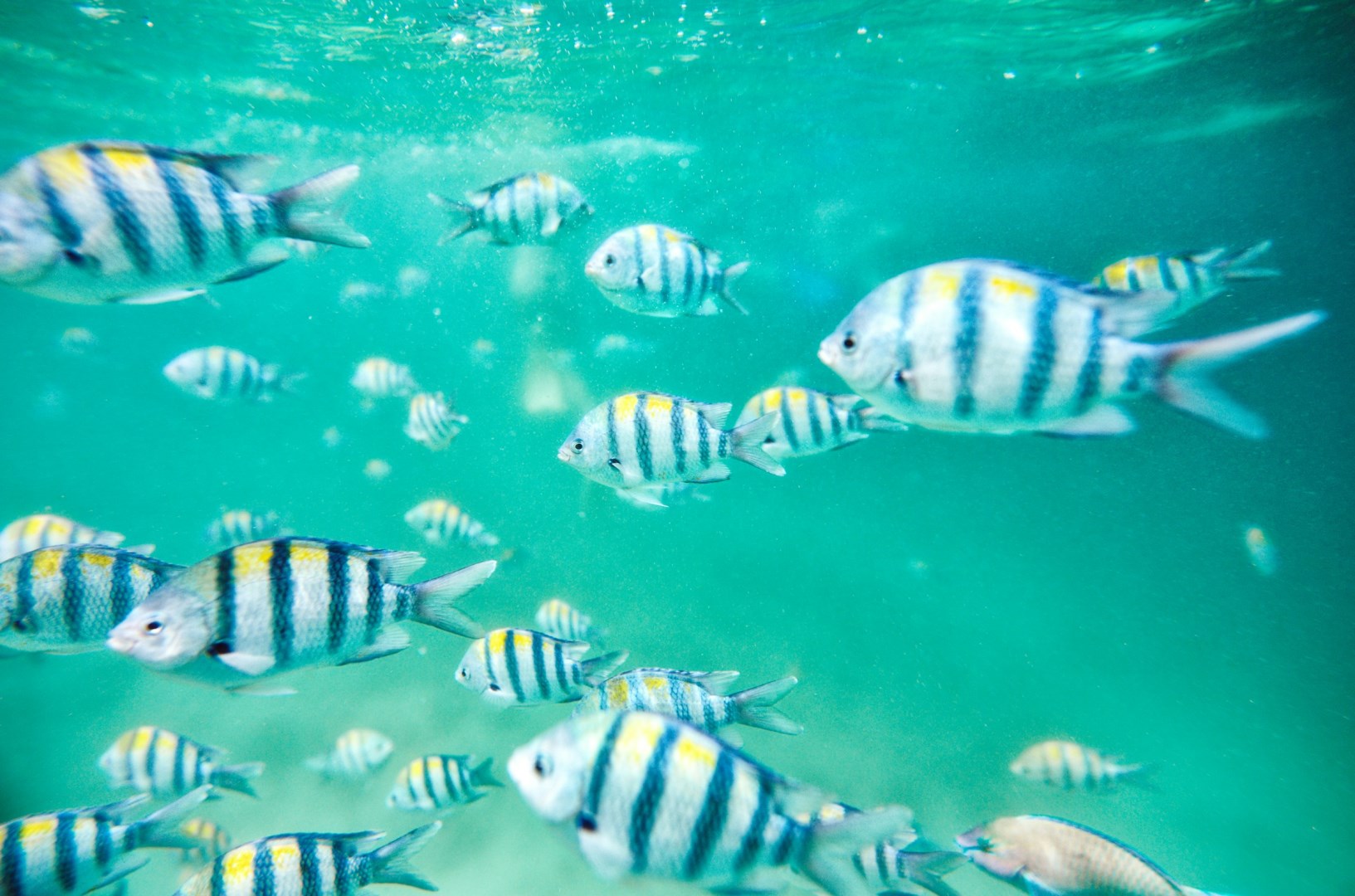
Gili Indah is a village and administrative area in North Lombok Regency, West Nusa Tenggara, encompassing the three well-known Gili Islands: Gili Trawangan, Gili Meno, and Gili Air. The area lies off the northwest coast of Lombok and includes beaches, coral reefs, shallow lagoons, and small coastal communities.
Bwindi Impenetrable National Park, located in southwestern Uganda, is one of Africa’s most extraordinary natural treasures. Its dense rainforest, often draped in mist, shelters a wealth of biodiversity and has been recognized as a UNESCO World Heritage Site for both its ecological significance and natural beauty. This ancient forest is among the few places on earth where travelers can come face-to-face with mountain gorillas in their natural habitat.
New Orleans is unlike any other city in the United States. Founded in 1718, it carries layers of French, Spanish, African, and Caribbean influence that can be felt in everything from its architecture to its street music. The French Quarter, the oldest neighborhood in the city, is full of iron-laced balconies, gas lamps, and narrow streets that echo with the sounds of live jazz.
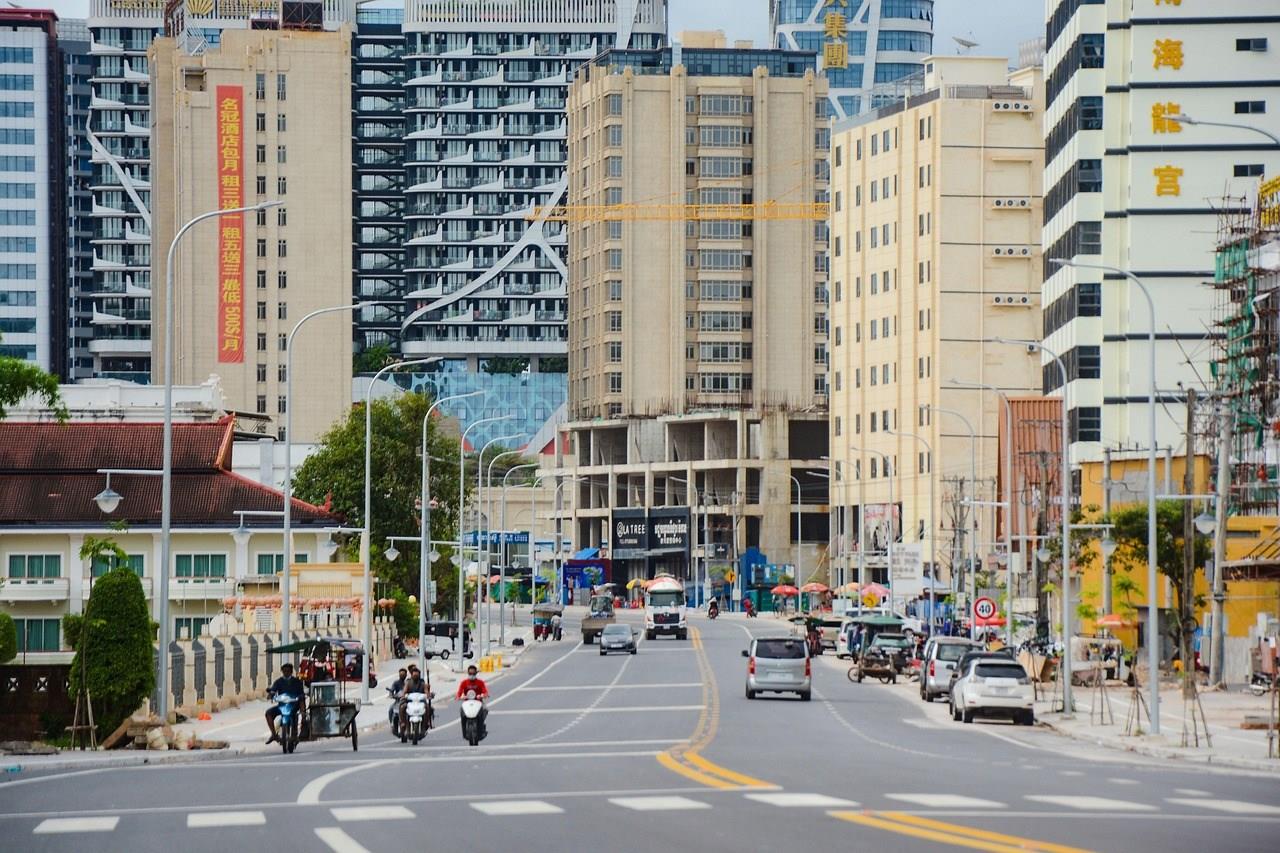
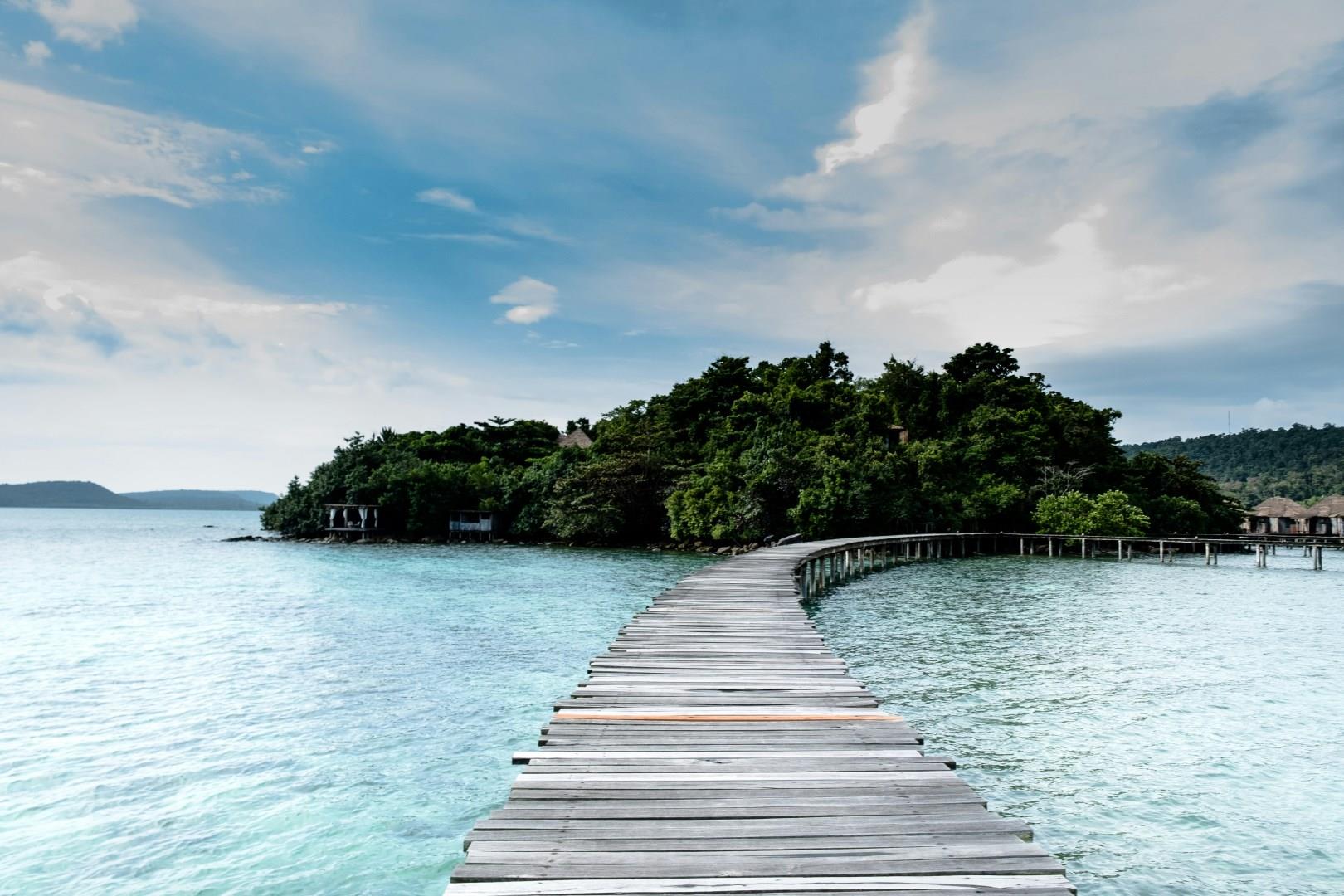
Nestled along Cambodia’s picturesque coastline, Sihanoukville offers an inviting retreat with its stunning beaches and vibrant culture. This coastal city, named after King Norodom Sihanouk, is renowned for its pristine white sand beaches and turquoise waters. The beaches of Otres, Serendipity, and Koh Rong are particularly popular, providing the perfect backdrop for relaxation and water sports. These serene spots are ideal for snorkeling, swimming, or simply lounging under the sun.
Sihanoukville’s charm extends beyond its beaches to its bustling Phsar Leu Market, where visitors can immerse themselves in local culture. This vibrant market offers an array of fresh produce, local handicrafts, and tantalizing street food. It’s a great place to experience the daily life of the locals and taste some of Cambodia’s unique culinary delights.
For a touch of adventure, take a trip to the nearby Koh Rong Samloem or explore the nearby islands, known for their spectacular marine life and unspoiled landscapes. The island offers opportunities for diving, kayaking, and hiking through lush jungle trails. The Ream National Park is another natural wonder worth exploring, featuring mangroves, tropical rainforests, and diverse wildlife.
Fun fact: Sihanoukville is often referred to as "Koh Rong’s Gateway" due to its role as a hub for travelers heading to the nearby islands. The city’s blend of beachside relaxation and vibrant local culture ensures a memorable experience for every visitor.
Other Popular Destinations in Cambodia
Siem Reap
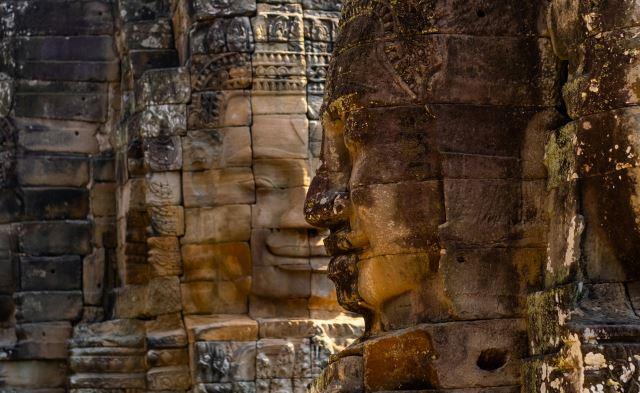
Siem Reap is best known as the gateway to Angkor, the ancient capital of the Khmer Empire, but the town itself offers far more than a launching point for temple exploration. Located in northwestern Cambodia, Siem Reap balances centuries-old traditions with a rapidly evolving cultural scene. Its streets are lined with colonial-era buildings, Buddhist pagodas, bustling markets, and open-air cafés.
Phnom Penh
Phnom Penh, the capital of Cambodia, is a city where history, culture, and riverside life intersect. Situated at the confluence of the Mekong and Tonle Sap rivers, the city has a lively riverfront that serves as both a social gathering place and a hub for commerce.