Ol Doinyo Lengai, often called the "Mountain of God," is an active volcano located in northern Tanzania and is a must-visit for adventurous travelers. Towering over the Great Rift Valley, this majestic peak is unique due to its lava composition. Unlike most volcanoes that produce molten lava, Ol Doinyo Lengai emits natrocarbonatite lava, which is unusually cool and flows like water. This rare phenomenon makes it one of the most intriguing volcanic landscapes on Earth.
Dominica, known as the “Nature Island of the Caribbean,” is a haven for eco-tourists and adventure seekers. Nestled between the French islands of Guadeloupe and Martinique, this lush island boasts a remarkable landscape of volcanic mountains, dense rainforests, and stunning waterfalls. Dominica’s most iconic natural wonder is the Boiling Lake, the second-largest hot spring in the world.
Melbourne, Florida, is a charming city that combines coastal beauty with a rich tapestry of cultural and recreational activities. Nestled along the Atlantic coast, Melbourne offers pristine beaches and vibrant outdoor experiences. The Historic Downtown Melbourne is a delightful area where you can explore unique shops, dine at quaint restaurants, and soak in the small-town charm.
Newark, New Jersey is often overshadowed by its proximity to New York City but still has a strong identity rooted in history, art, and global culture. As one of the oldest cities in the United States, founded in 1666, Newark’s rich past is visible in landmarks like the Old First Presbyterian Church and Military Park, where George Washington once camped. The city’s architecture reflects its legacy, from the Beaux-Arts Newark Museum building to the art deco facade of the historic Hahne & Co. depar
Rhode Island may be the smallest state in the U.S., but it offers an outsized variety of experiences, from colonial history to coastline escapes. Founded in 1636 by Roger Williams as a haven for religious freedom, the state still reflects its independent spirit. In Providence, travelers can visit the John Brown House Museum to explore the city’s role in early American commerce, or walk Benefit Street, lined with preserved 18th- and 19th-century homes.
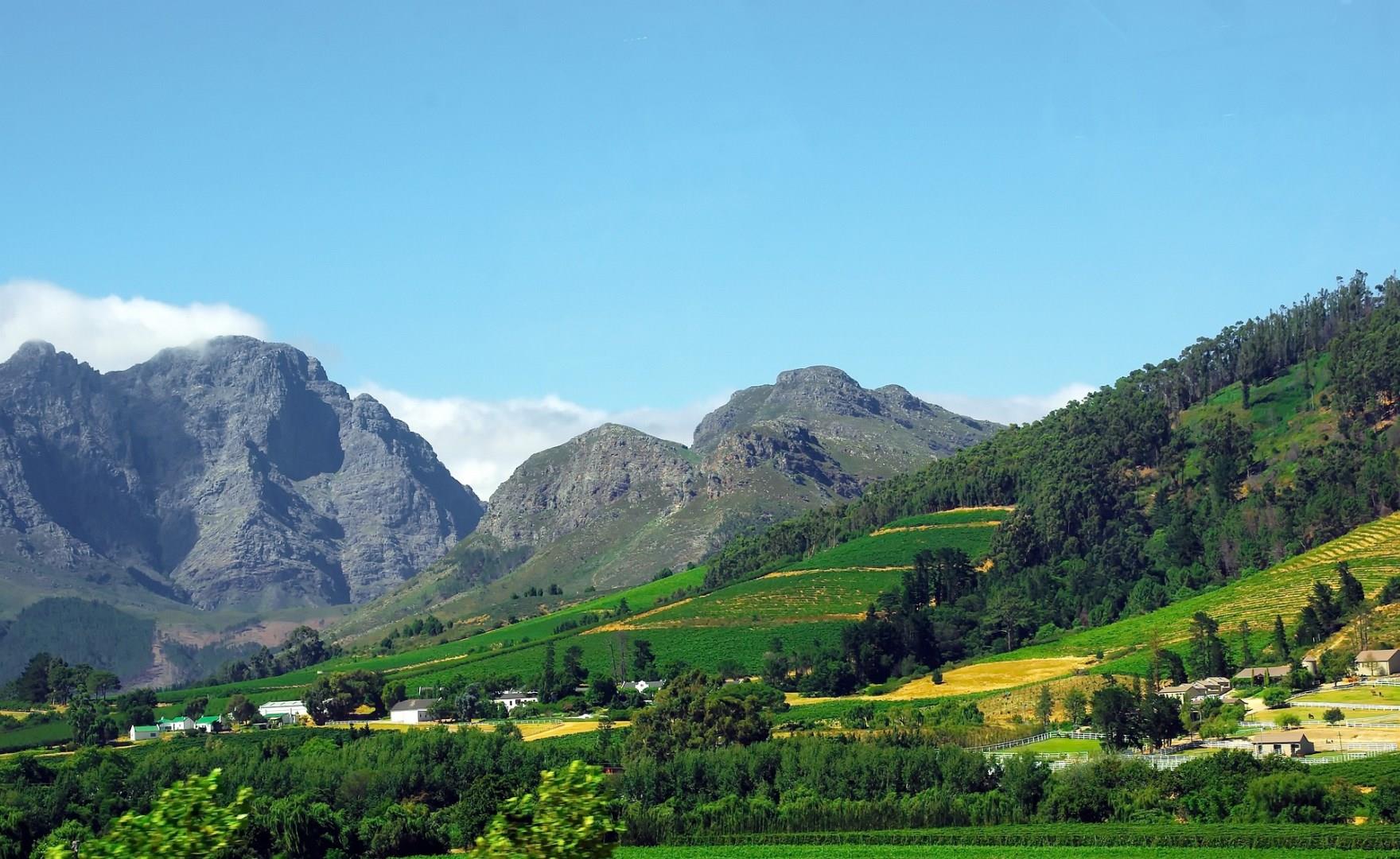
Nestled in the heart of South Africa’s Cape Winelands, Franschhoek is a charming village renowned for its exquisite vineyards and rich history. Founded by French Huguenots in the late 17th century, the village’s French heritage is palpable in its architecture, cuisine, and local culture. Wander through its picturesque streets and enjoy a blend of historic buildings and modern boutiques, or take a leisurely stroll through the Franschhoek Village Market, which features artisanal goods and fresh local produce.
Franschhoek is a premier destination for wine enthusiasts. The region boasts some of South Africa’s most celebrated wine estates, including the historic La Motte and the elegant Boschendal. Tour the estates to sample award-winning wines and explore lush vineyards set against stunning mountain backdrops. For a unique experience, consider a wine tram tour, which allows you to hop on and off at various estates and savor the local vintages while soaking in the beautiful landscape.
The culinary scene in Franschhoek is equally impressive. Renowned for its gourmet restaurants and cafes, the village offers a gastronomic adventure with a focus on locally-sourced ingredients and innovative cuisine. Top dining spots include La Petite Colombe, which features fine dining with a contemporary twist, and the French-inspired Reubens Restaurant. Don’t miss the annual Franschhoek Bastille Festival, a vibrant celebration of French culture with wine, food, and live entertainment.
Fun fact: Franschhoek is also home to the Huguenot Memorial Museum, which provides insights into the lives of the Huguenots and their influence on South African culture. This museum, located in a tranquil garden setting, offers a fascinating look into the village’s origins and is a must-visit for history buffs.