Kyrgyzstan, a country in Central Asia, is known for its rugged mountains, alpine lakes, and rich nomadic traditions. The Tien Shan mountain range dominates the landscape, offering opportunities for hiking, horseback riding, and exploring remote villages.
Saipan, the largest of the Northern Mariana Islands, offers a rare combination of deep historical roots, island traditions, and dramatic landscapes. Located in the western Pacific, this U.S. territory was once the site of one of the most pivotal battles in the Pacific during World War II. Visitors today can explore the remains of bunkers, tanks, and hidden caves at sites like Suicide Cliff, Last Command Post, and the American Memorial Park.
Nadi, a vibrant city on Fiji's western coast, offers a gateway to some of the South Pacific's most enchanting experiences. Known for its bustling markets and lively atmosphere, Nadi is a hub of culture and activity. A must-see is the Sri Siva Subramaniya Temple, the largest Hindu temple in the Southern Hemisphere, renowned for its intricate Dravidian architecture and colorful frescoes. The temple’s vibrant and spiritual ambiance provides a glimpse into Fiji's rich Indian heritage.
Santander, the capital of Spain’s Cantabria region, sits along the Bay of Biscay and offers travelers a mix of coastline, culture, and history shaped by centuries of maritime life. Once a bustling port for Castilian exports, Santander saw its golden age in the 19th century when Spanish royalty turned it into a summer retreat. The legacy of that era remains visible at the Palacio de la Magdalena, perched on a peninsula with views of the sea and home to royal stables, a mini zoo, and guided tours.
Inyeug, more commonly known as Mystery Island, is a tiny, uninhabited islet off the coast of Aneityum in Vanuatu’s southernmost province. Measuring just 1.5 kilometers long, the island is completely free of roads, shops, and electricity. What it offers instead is pure seclusion and untouched beauty. Cruise ships often anchor offshore, bringing day visitors to its white-sand beaches and shallow coral lagoons, but once they depart, the island returns to stillness.
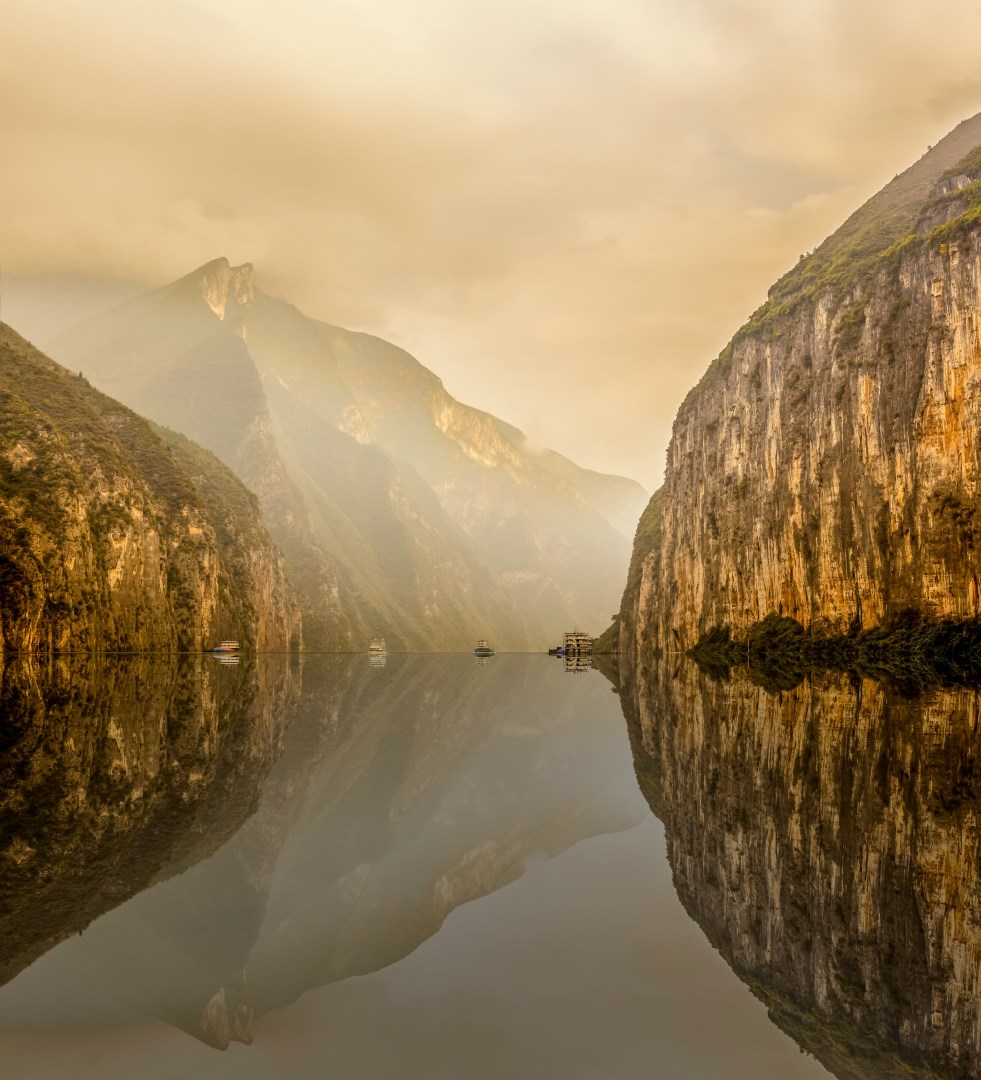
The Yangtze River, a magnificent artery of China, stretches over 6,300 kilometers (3,917 miles) from the Tibetan Plateau to the East China Sea. As the longest river in Asia and the third longest in the world, it weaves through breathtaking landscapes and vibrant cities, making it a prime destination for travelers seeking both adventure and cultural immersion. The river is famed for its dramatic gorges, including the renowned Three Gorges – Qutang, Wu, and Xiling – which offer spectacular views and opportunities for river cruises. These gorges are not only natural wonders but also steeped in history, with ancient temples and relics dotting the landscape.
Cruising along the Yangtze is a quintessential experience, providing a unique perspective on China's rich heritage. A Yangtze River Cruise takes you through a tapestry of scenic beauty and cultural sites, from the serene beauty of the Lesser Three Gorges to the impressive Three Gorges Dam, the world's largest hydropower project. This grand engineering feat is a marvel of modern technology and offers insightful tours that explain its impact on the environment and local communities.
The Yangtze is also pivotal to China's economic and cultural life. Cities like Chongqing and Wuhan, situated along its banks, are bustling hubs of activity with rich histories and modern attractions. In Chongqing, explore the historic Ci Qi Kou Ancient Town and indulge in the city’s renowned hotpot cuisine. Wuhan, known for its vibrant academic and cultural scene, features the Yellow Crane Tower, a symbol of the city’s historical and cultural significance.
Fun fact: The Yangtze River is home to the rare and endangered Yangtze Giant Salamander, one of the world's largest amphibians. This remarkable creature is native to the river's clear, cold waters and is a testament to the river's rich biodiversity.