Sao Tome & Principe
São Tomé & Príncipe, a two-island nation in the Gulf of Guinea, is one of Africa’s smallest yet most captivating destinations. Known for its unspoiled landscapes, it offers lush rainforests, volcanic peaks, and secluded beaches.
Mossel Bay
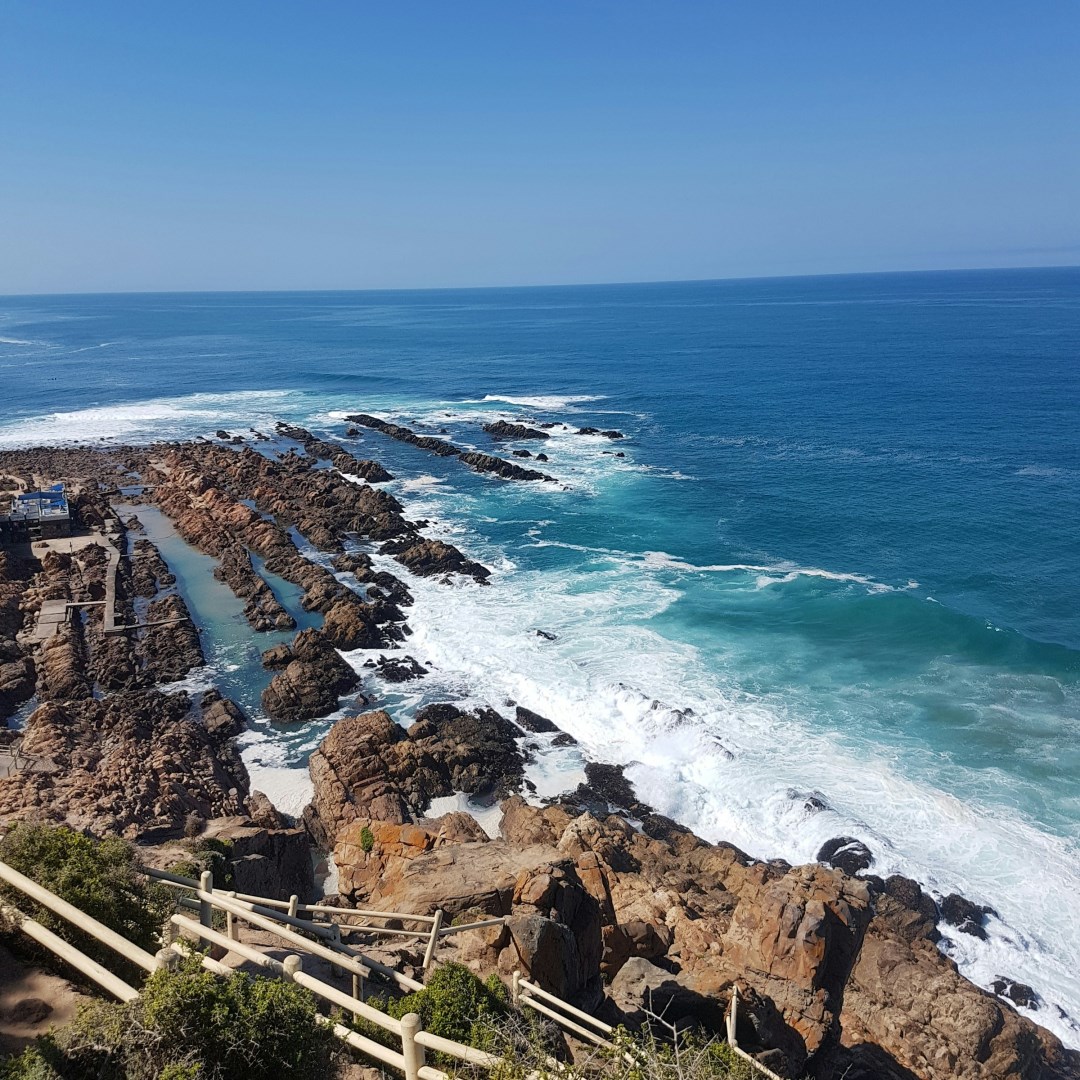
Halfway between Cape Town and Port Elizabeth in the heart of the famous Garden Route, nestles the seaside town of Mossel Bay. A bustling holiday resort in summer and the ideal retreat in winter, it is situated on a spectacular sunwashed peninsula embraced by the warm Indian Ocean. Also called the "Karoo-by-the-Sea town", Mossel Bay features in the Guiness Book of Records as having the mildest all-year climate in the world, second only to Hawaii.
Oviedo
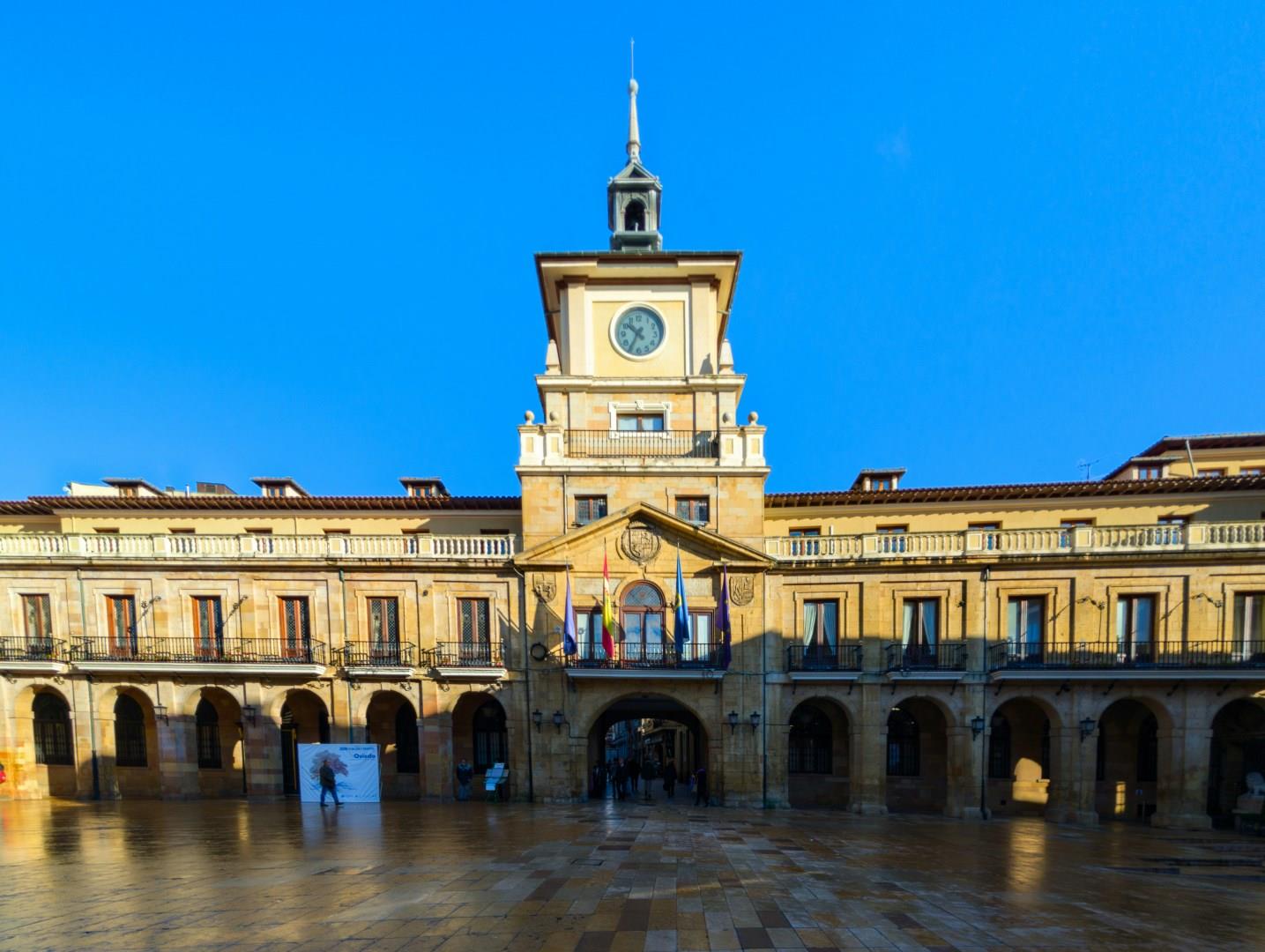
Oviedo, the capital of Asturias in northern Spain, offers a rare mix of medieval heritage and everyday life that feels rooted rather than staged. The city’s historic center is home to some of the oldest pre-Romanesque buildings in Europe, including the UNESCO-listed Santa María del Naranco and San Miguel de Lillo. Cider, not wine, defines the local table. Oviedo is surrounded by apple orchards, and the traditional drink, sidra natural, is poured from a height by skilled escanciadores.
Cankuzo
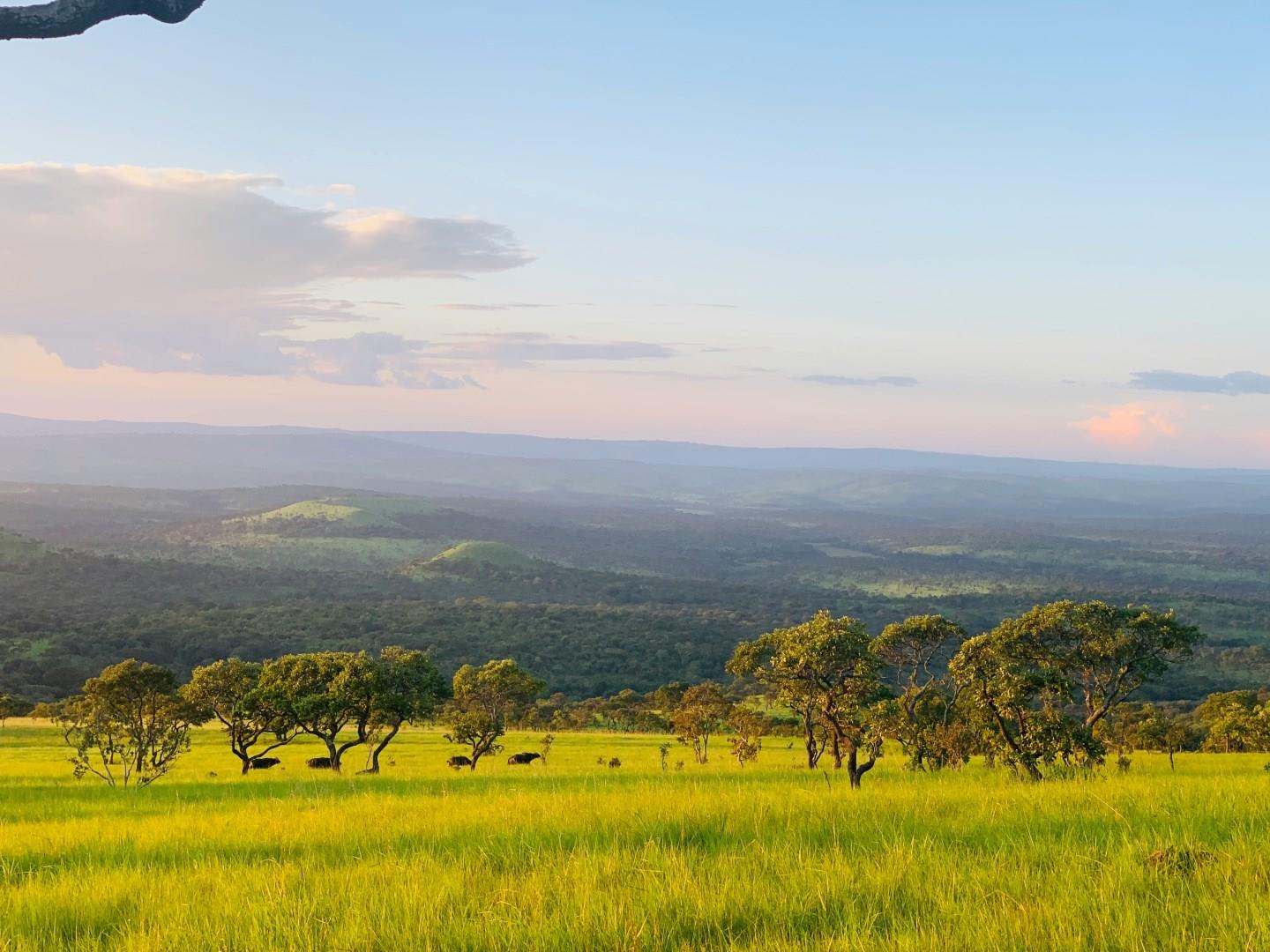
Cankuzo, tucked in Burundi’s eastern corner near the Tanzanian border, offers travelers a lesser-known but deeply rewarding experience. Known for its rolling hills, scattered woodlands, and untouched landscapes, Cankuzo is one of the country’s least populated provinces, which adds to its charm. The region’s peaceful setting makes it an ideal place to experience rural Burundi in its most genuine form.
Grand Staircase-Escalante National Monument
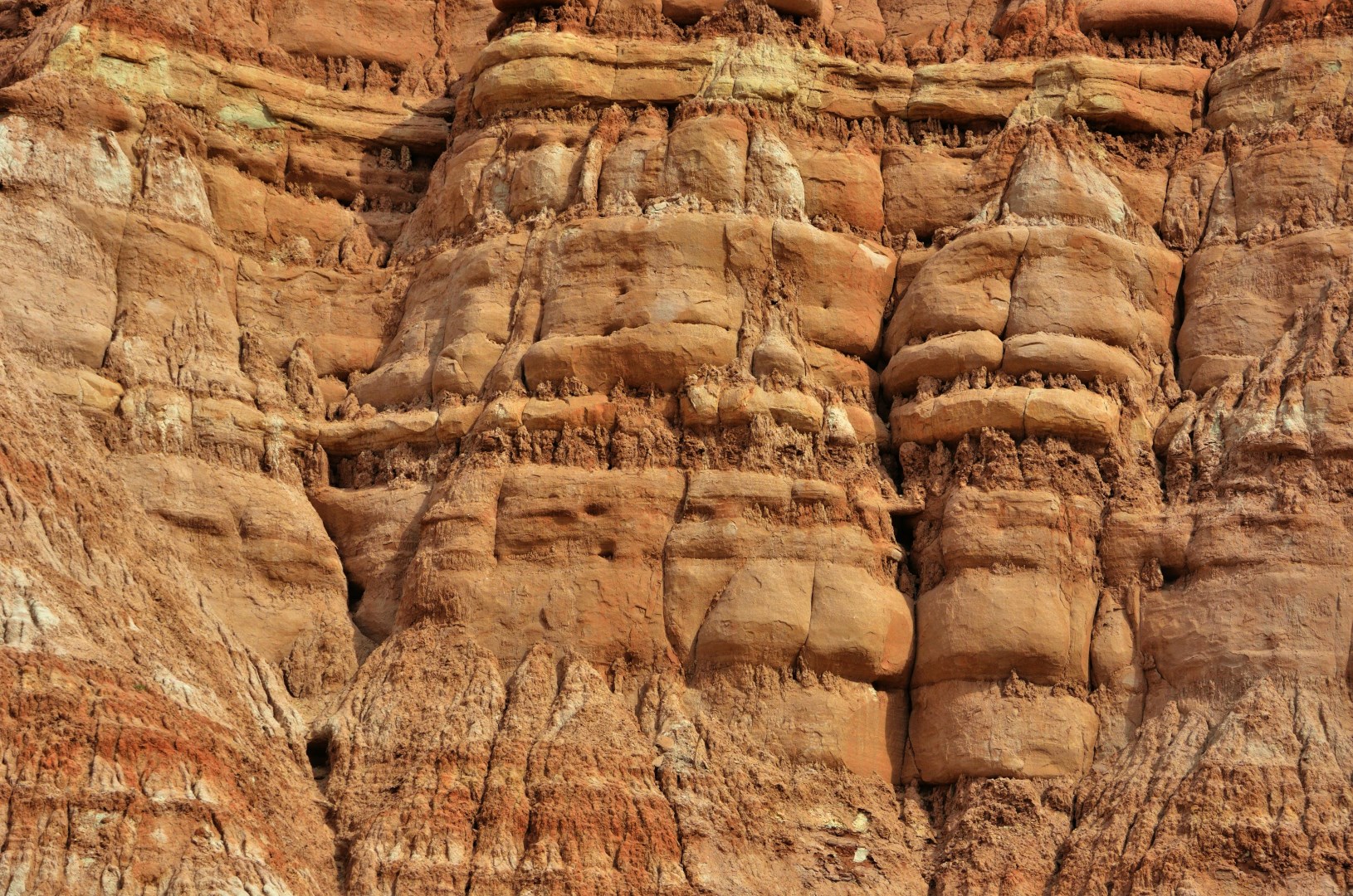
Grand Staircase–Escalante National Monument stretches across southern Utah as a vast landscape of layered cliffs, winding canyons, and open desert plateaus. The land shifts in color from pale cream to deep red, depending on the angle of the sun, revealing rock layers that look like pages stacked over time. Much of the area feels remote, with long dirt roads like Hole-in-the-Rock Road leading travelers deep into quiet terrain where rock formations rise suddenly from flat ground.