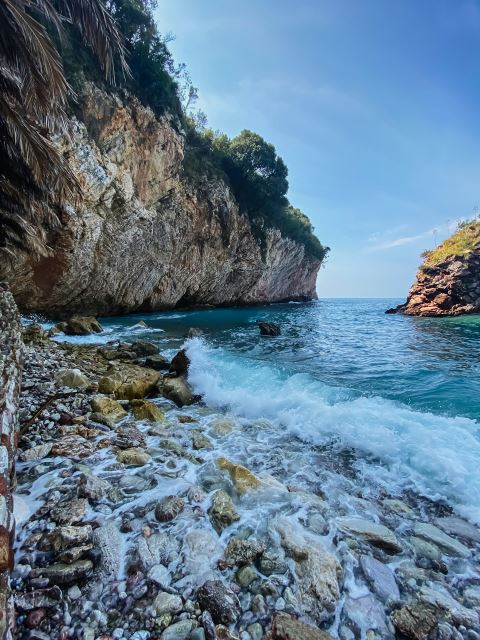
An essential passageway between the Atlantic and Pacific Oceans, the Panama Canal is an extraordinary technological landmark and a testament to human innovation. Built in the early twentieth century by American engineers, the canal weaves through the Panamanian isthmus and allows easy access for commercial freighters and cruise ships alike.
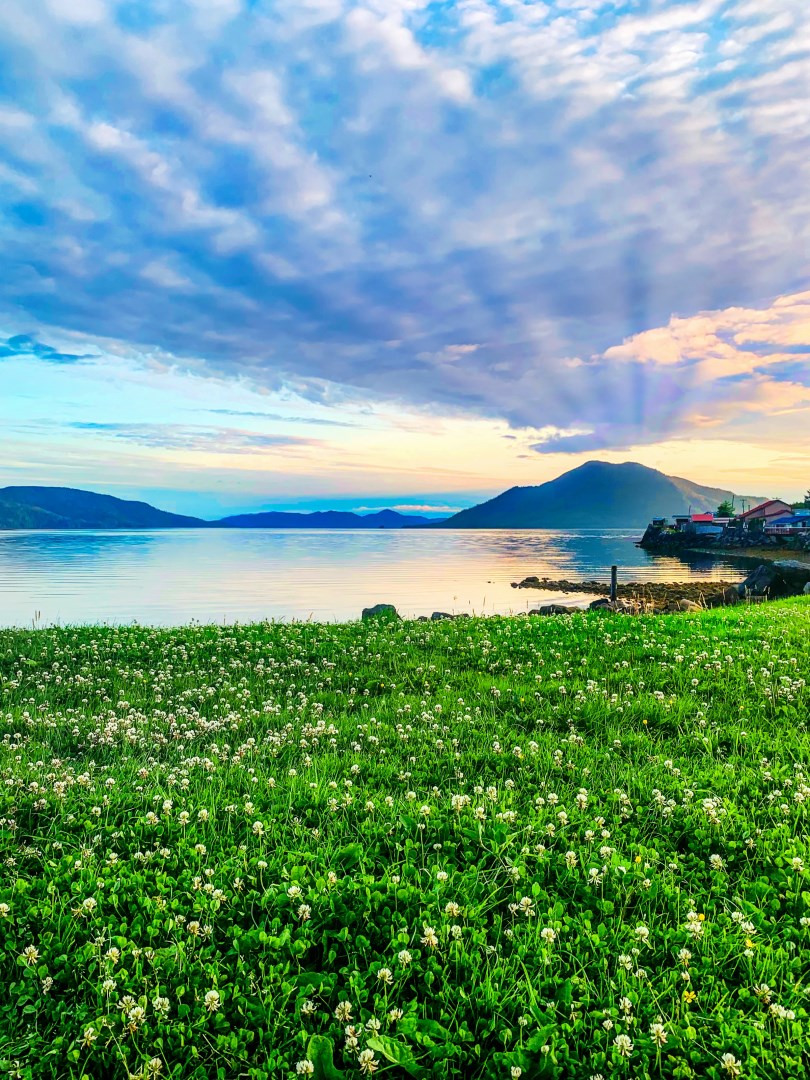
The island is dominated by a cool and moist maritime climate. During the summers, the average temperatures vary from 45 degrees to 75 degrees F. Yearly precipitation averages from 60" to 200" based on the exact locale.
The Island of Mozambique, a UNESCO World Heritage Site, is a historical gem nestled off the northern coast of Mozambique. This small island, which was once a pivotal trading post, boasts a rich tapestry of history and culture. The island's main attraction is the Fort São Sebastião, an imposing 16th-century fortress built by the Portuguese to protect their trading interests.
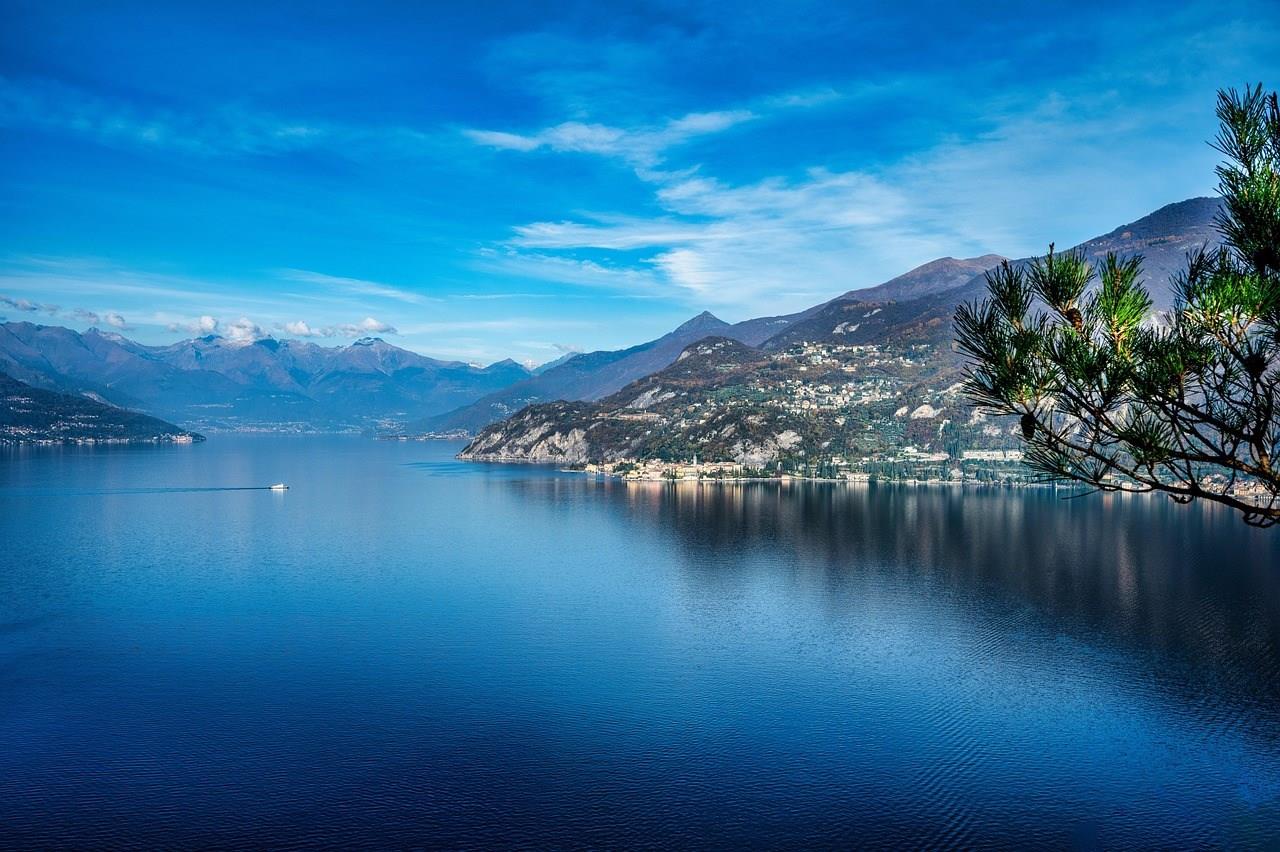
A visit to Como is like looking through a manual on the history of architecture. Its ancient walls, the Duomo with its rich Gothic-Renaissance façade, the Broletto, the Castel Baradello, the Romanesque basilicas of Sant'Abbondio and S. Fedele, the myriad of monuments created by the Comacini Masters, and the modern architectural lines, all represent foundations of the urban and tourist fabric, interwoven with unforgettable splendor.
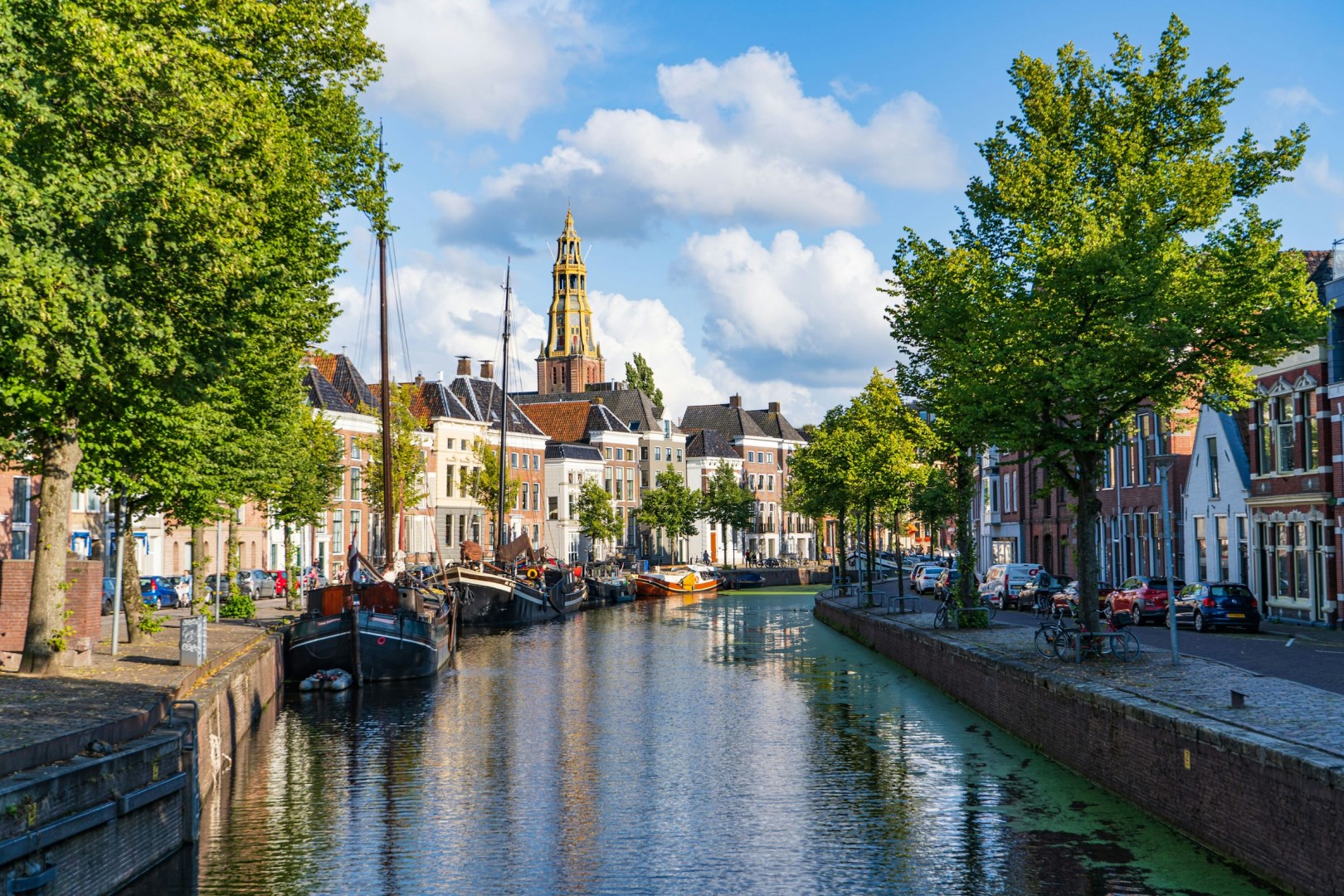
Groningen is a university city in the northern Netherlands, known for its historic center, extensive cycling culture, canals, and strong student population. The city grew around the meeting point of waterways and regional trade routes, and its compact center contains medieval churches, former warehouses, courtyards, and market squares.
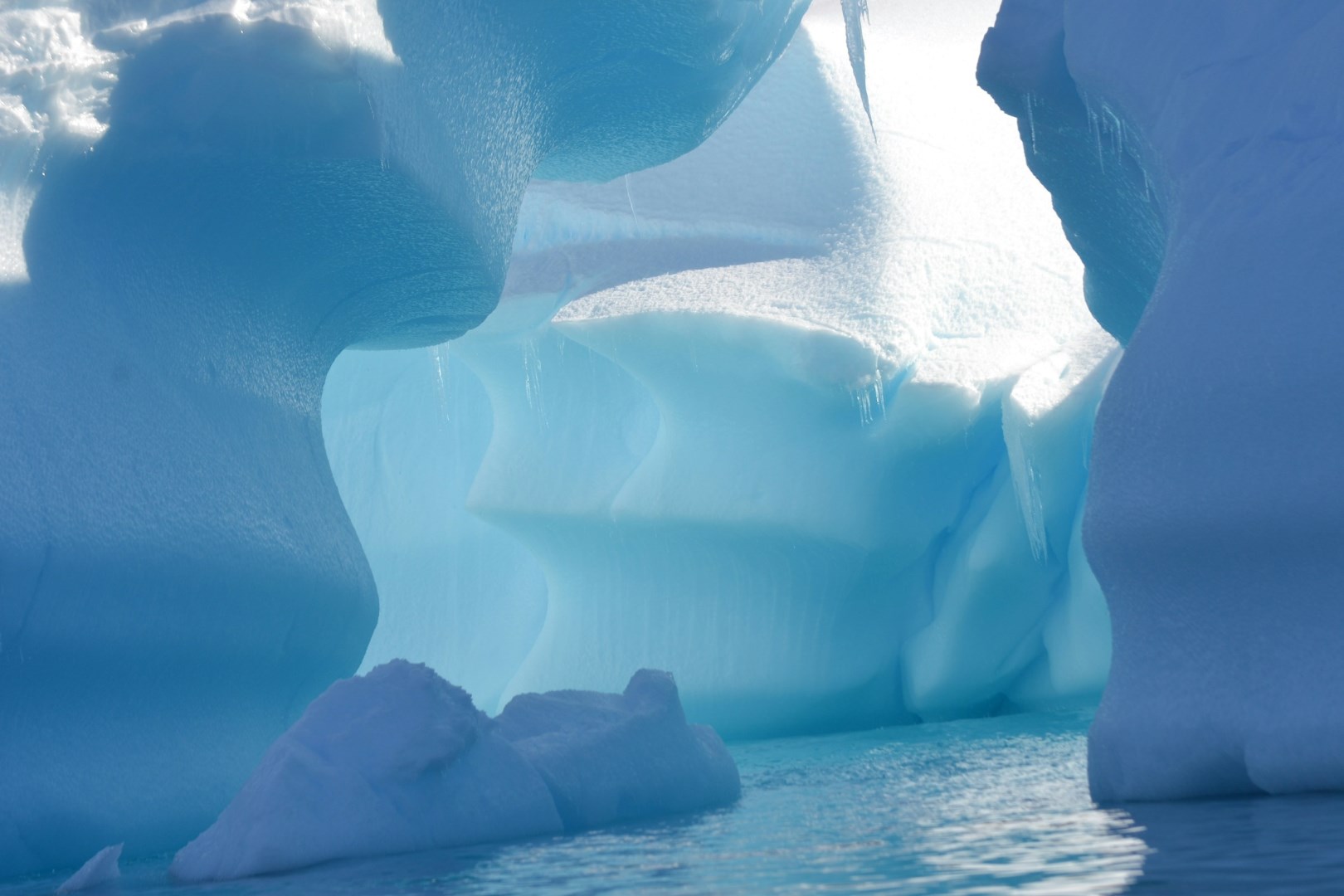
Photo Credit: Photo by Angie Corbett-Kuiper on Unsplash
The Scotia Sea, nestled between the southern tip of South America and Antarctica, is a remote and captivating destination for those seeking adventure in the world’s southernmost waters. This sea, lying east of the southern tip of the Andes, is surrounded by breathtaking landscapes and offers unique opportunities for exploration. Its location is a gateway to the wild and untamed beauty of the Southern Ocean and the icy realms of Antarctica.
The Scotia Sea is renowned for its rich marine life and dramatic natural scenery. The nearby South Georgia Island is a highlight, known for its stunning fjords, towering mountains, and abundant wildlife. The island is a vital stopover for Antarctic expeditions and offers the chance to witness vast colonies of king penguins and elephant seals. The region is also known for its historical significance, with South Georgia having played a crucial role in Antarctic exploration and serving as a base for early explorers like Ernest Shackleton.
Fun Fact: The Scotia Sea is home to some of the most dynamic ice formations in the world, including the massive Brunt Ice Shelf, which floats in the sea and is known for its spectacular calving events. This ever-changing ice landscape creates a dramatic and awe-inspiring environment that is unlike anywhere else on Earth.
Other Popular Destinations in At Sea
Adriatic Sea
The Adriatic Sea, a stunning crescent-shaped expanse of turquoise water between the Italian Peninsula and the Balkan Peninsula, offers a captivating destination for travelers seeking both natural beauty and rich history. Stretching from the Gulf of Trieste in the north to the Gulf of Kotor in the south, this Mediterranean gem is renowned for its crystal-clear waters, charming coastal towns, and diverse marine life. The pristine beaches of Croatia's Dalmatian Coast and Montenegro's Bay of Kotor p
Arctic Ocean
The Arctic Ocean, the world's smallest and shallowest ocean, offers a breathtaking and unique adventure for those seeking the grandeur of the polar regions. This icy expanse, bordered by Europe, Asia, and North America, is renowned for its stunning natural beauty and pristine landscapes.