Kuwait City
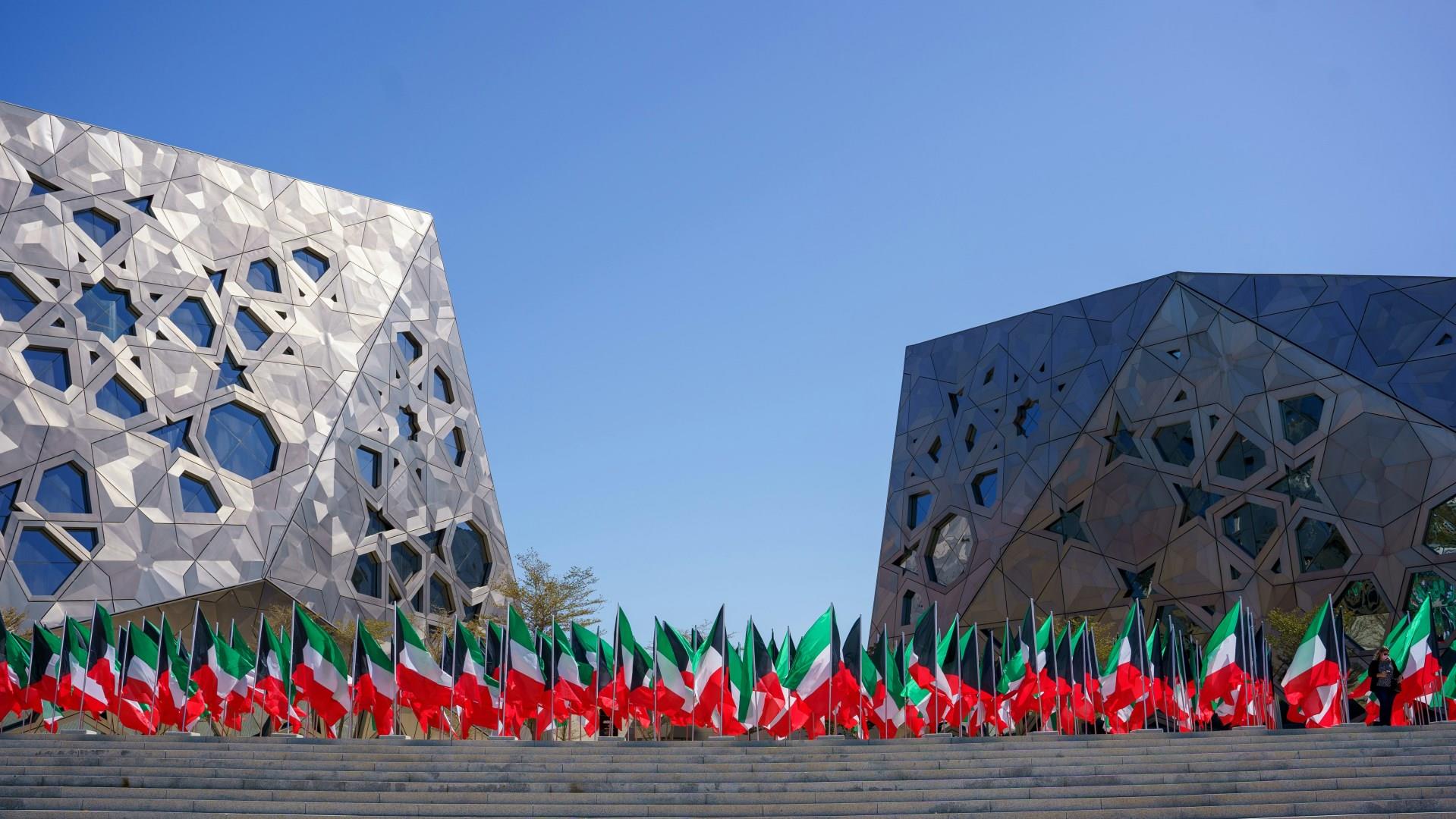
Kuwait City began as a modest fishing village and has evolved into a modern metropolis. The city's history is deeply rooted in its maritime heritage. The Dhow Harbour in Kuwait City offers a captivating glimpse into the nation's rich maritime past. Historically, dhows were essential for trade, fishing, and pearl diving, shaping Kuwait's economic and cultural identity. Today, the harbor remains a vibrant testament to this legacy, housing a variety of traditional wooden ships.

Aalborg
Aalborg is the fourth largest city in Denmark and constitutes a natural center for the North Jutland region. In addition Aalborg is Denmark's largest conference center, outside Copenhagen. Aalborg has many cultural attractions which appeal to a wide variety of tastes; a varied night-life and more than 300 restaurants, bars and clubs.

Mekong River
The Mekong River, one of the world’s most iconic waterways, flows through six countries in Southeast Asia (China, Myanmar, Laos, Thailand, Cambodia, and Vietnam). Stretching over 4,300 kilometers, the Mekong weaves through lush landscapes, villages, and historic cities, making it an unforgettable destination for those seeking adventure. Cruising along the river is one of the best ways to explore its wonders, from the tranquil waters of Laos to the floating markets of Vietnam.

Andalsnes
Andalsnes is your starting point for a ride on the Trollstigvein (troll's path), a zig-zag drive up mountains and over waterfalls that's out of this world.

Cork
The Irish Republic's second largest city is a surprisingly appealing place - you'll find time passes effortlessly during the day, and by night the pub scene is lively. The town center is uniquely situated on an island between two channels of the Lee River.