Wadi Rum
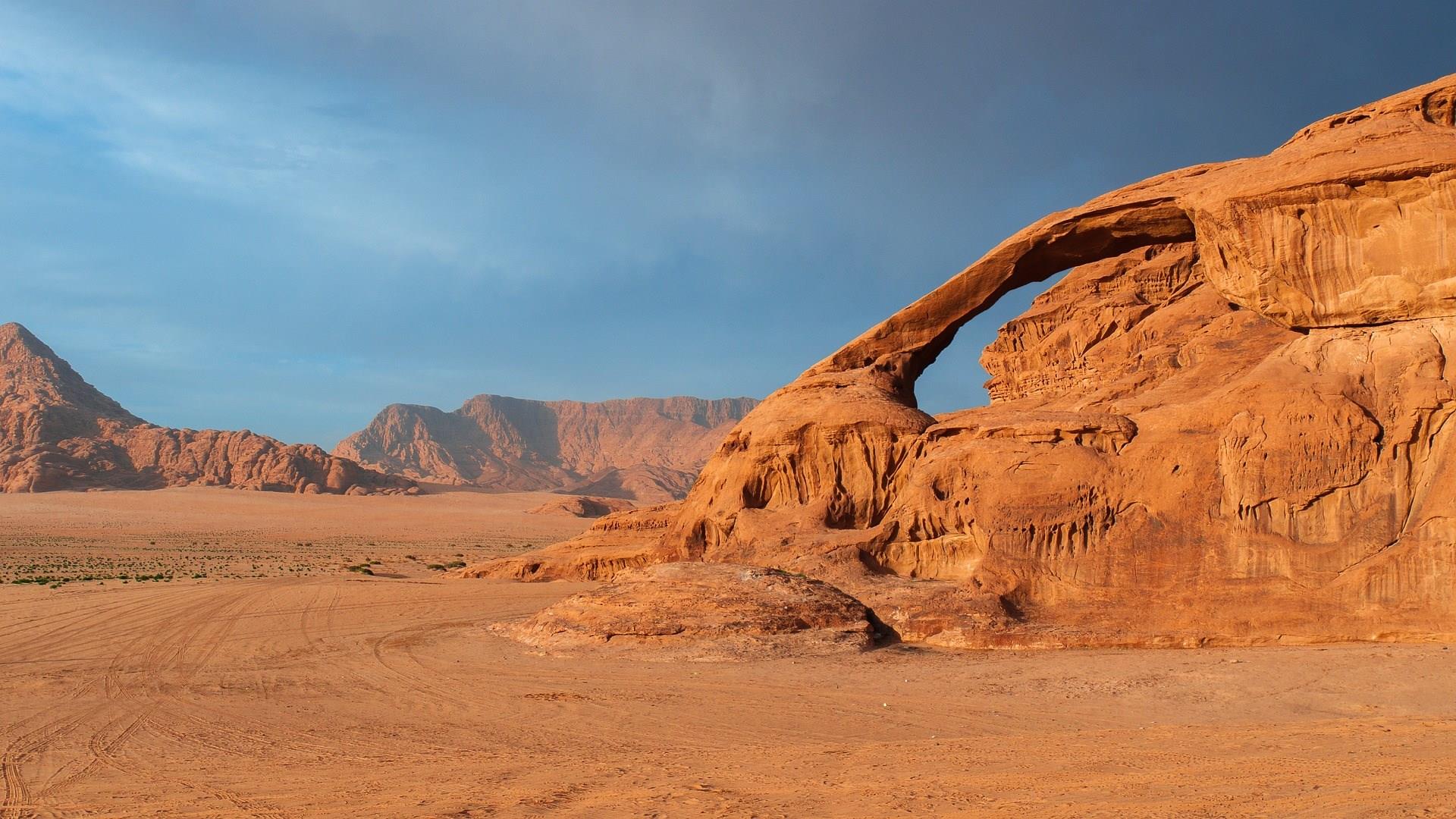
Wadi Rum, often called the “Valley of the Moon,” is a desert landscape in southern Jordan renowned for its dramatic sandstone mountains, sweeping red sand dunes, and ancient history carved into the rock. Its vast, otherworldly scenery has made it both a UNESCO World Heritage Site and a backdrop for films set on distant planets.

Looe
Looe is a small seaside town on the south coast of Cornwall, England, divided by the River Looe into East and West Looe and connected by a graceful stone bridge. With origins as a medieval port, the town has long been shaped by fishing and seafaring, traditions that still define its identity today.

El Salvador
El Salvador, the smallest country in Central America, carries a big presence with its blend of history, culture, and dramatic landscapes. Known as the “Land of Volcanoes,” it has more than twenty within its borders, some of which remain active and shape the country’s terrain.

Wales
Wales is a country where centuries-old castles rise above green valleys and coastlines are marked by rugged cliffs and quiet coves. Its capital, Cardiff, combines modern architecture with historical landmarks like Cardiff Castle, which has Roman origins and a Victorian Gothic interior. Just outside the city, St Fagans National Museum of History offers a walk-through experience of Welsh life over the past 500 years, with original buildings relocated from across the country.
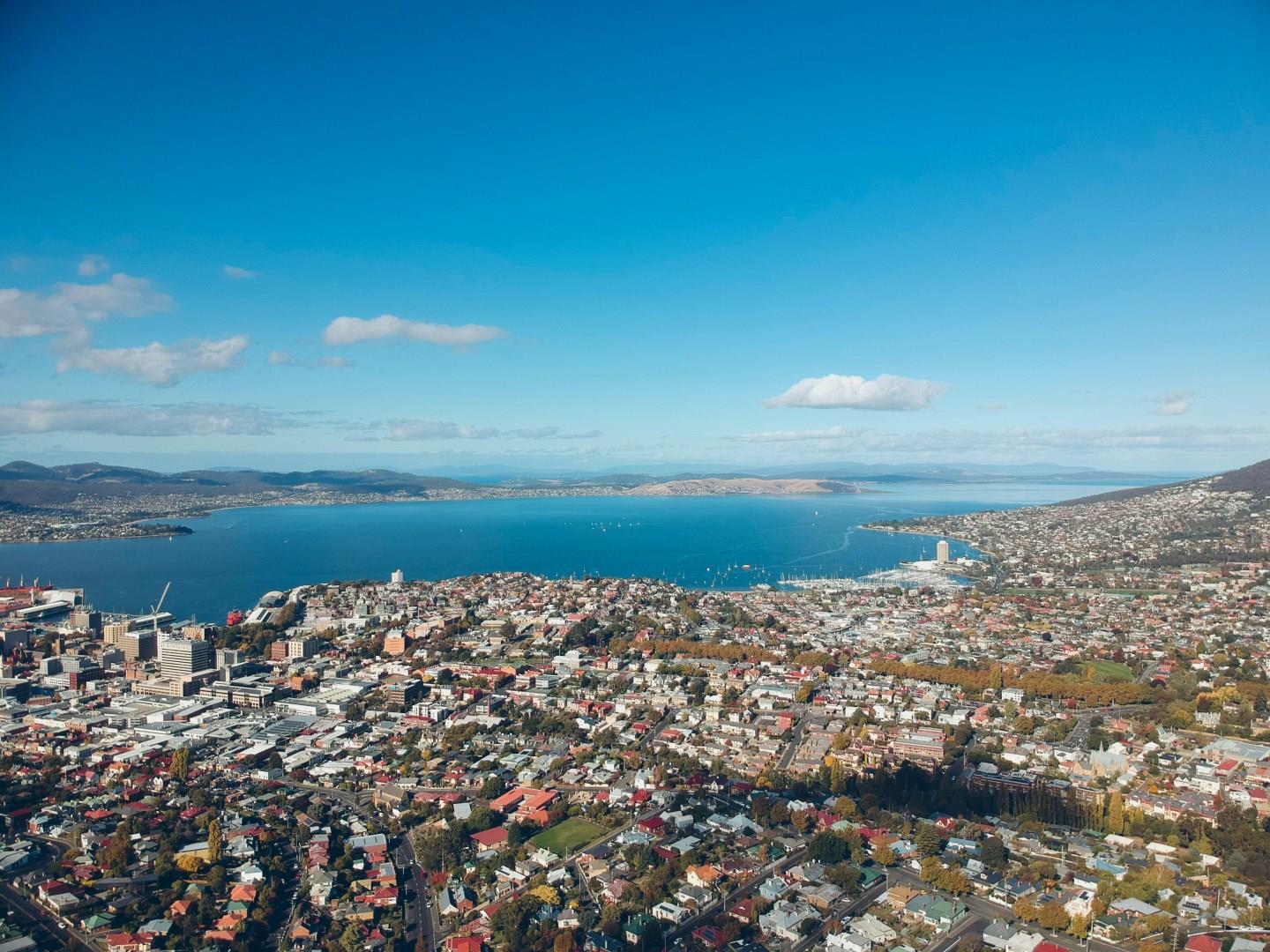
Hobart Tasmania
Hobart, the vibrant capital of Tasmania, Australia, is a city where history and natural beauty intertwine seamlessly. Nestled on the banks of the Derwent River and framed by the rugged peaks of Mount Wellington, Hobart is a captivating destination for those seeking both cultural richness and stunning landscapes.