Connemara National Park
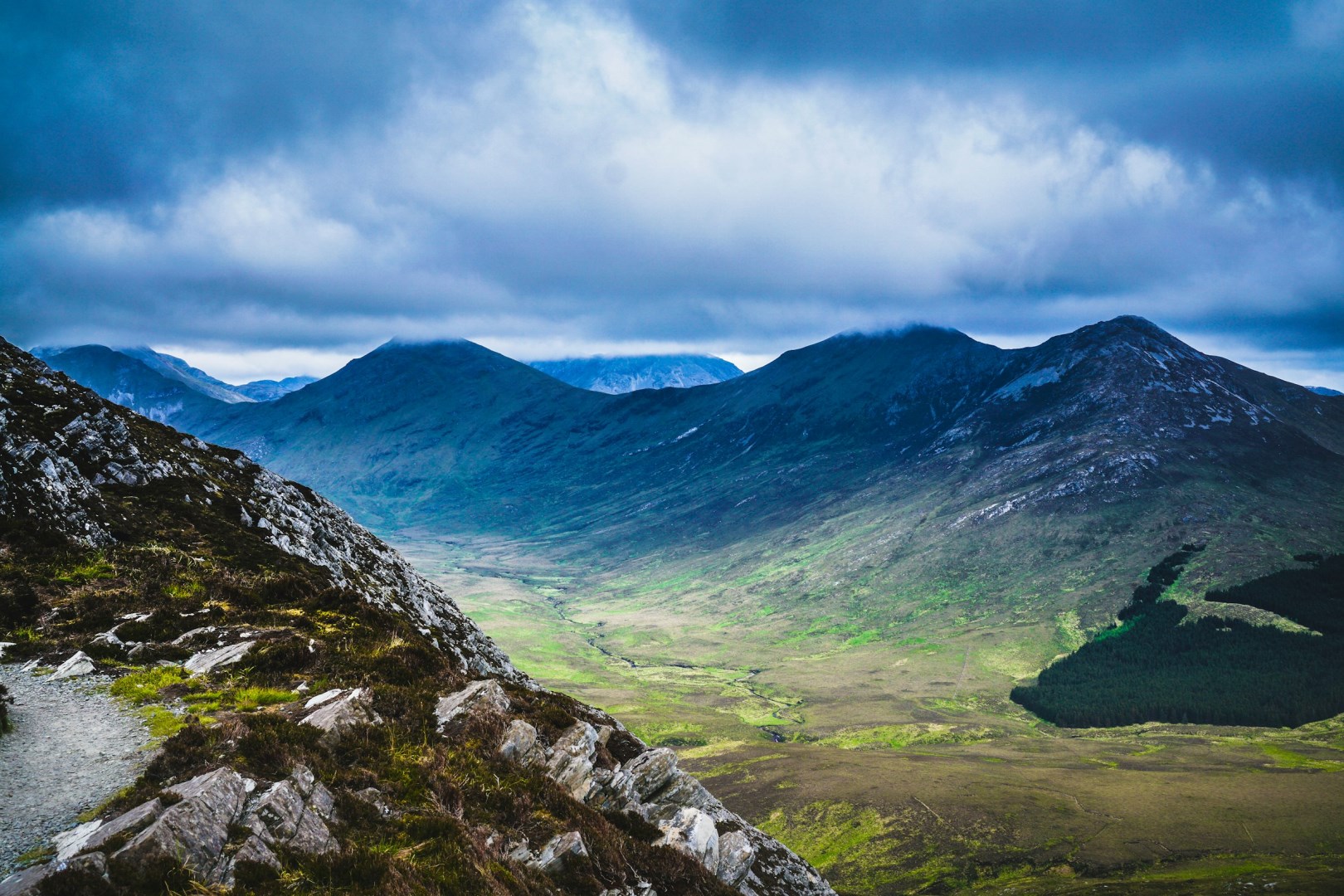
Connemara National Park lies in County Galway in western Ireland, near the village of Letterfrack. The park protects a broad landscape of mountains, western blanket bog, heath, grassland, woodland, and lakes, covering more than 2,000 hectares. Several of its peaks form part of the Twelve Bens range, including Benbaun, the highest mountain in County Galway.

Las Vegas
Las Vegas, Nevada, is an electrifying city where glitz and glamour meet entertainment and excitement. Known as "The Entertainment Capital of the World," Las Vegas offers an unparalleled array of attractions, from its iconic casinos and luxurious hotels to its world-class dining and live shows. The city's entertainment scene is second to none, featuring legendary headliners, cutting-edge performances, and an array of themed attractions.

Melbourne
A vibrant cultural center in the land “Down Under,” Melbourne, Australia will entice you with its aromatic cafés, lush nature parks, immersive museums, and dedication to the arts.
Sumbawa Island
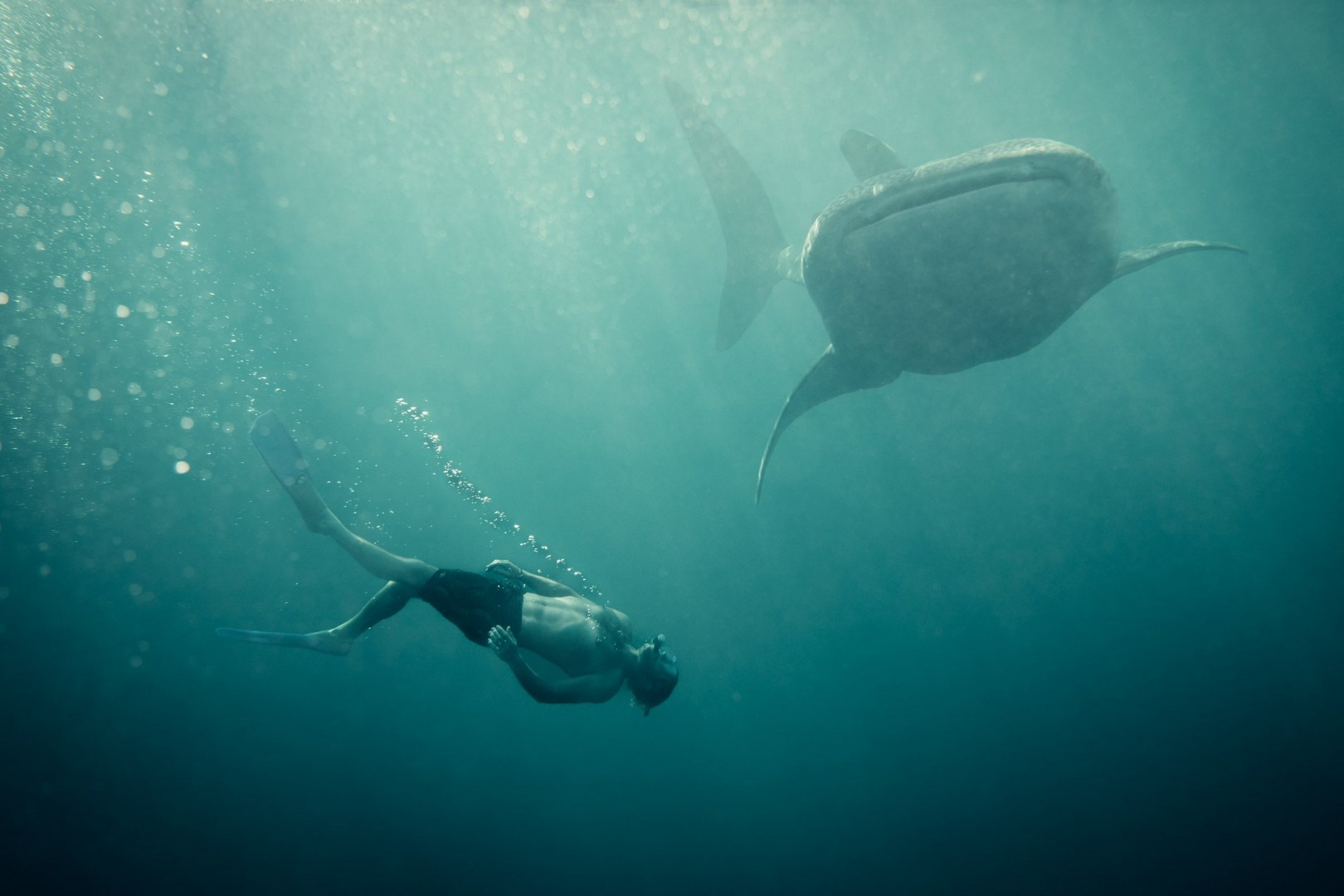
Located between Lombok and Flores in the Lesser Sunda chain in the Indian Ocean.
Hualien
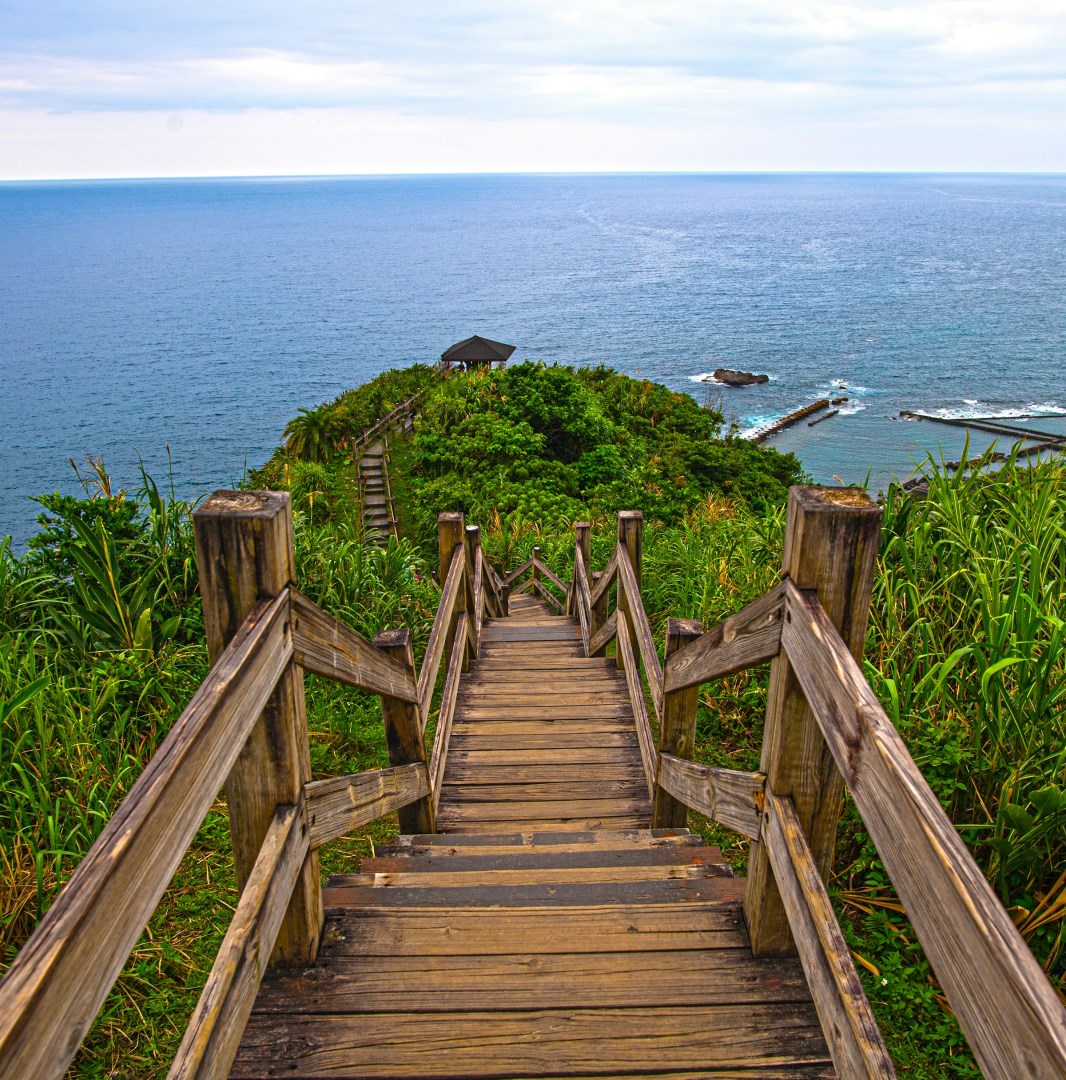
Nestled between the Pacific Ocean and the towering Central Mountain Range, Hualien, Taiwan offers an enchanting blend of natural beauty and cultural richness. This coastal city is renowned for its proximity to the stunning Taroko Gorge, a marvel of nature where marble canyons and lush vegetation create a dramatic landscape. Visitors can embark on breathtaking hikes along the Swallow Grotto Trail and the Shakadang Trail, each offering spectacular views of waterfalls and unique rock formations.