Lucca
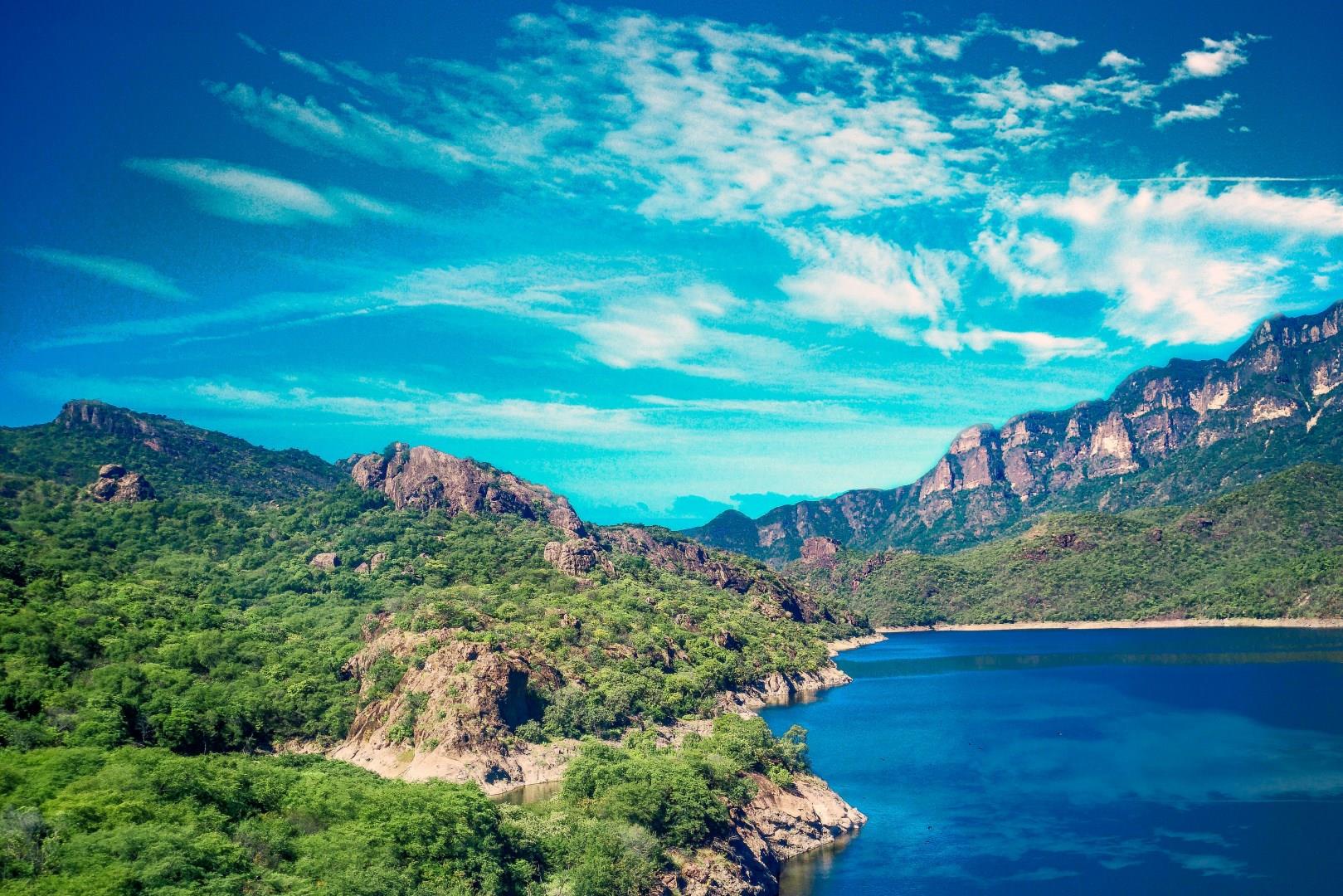
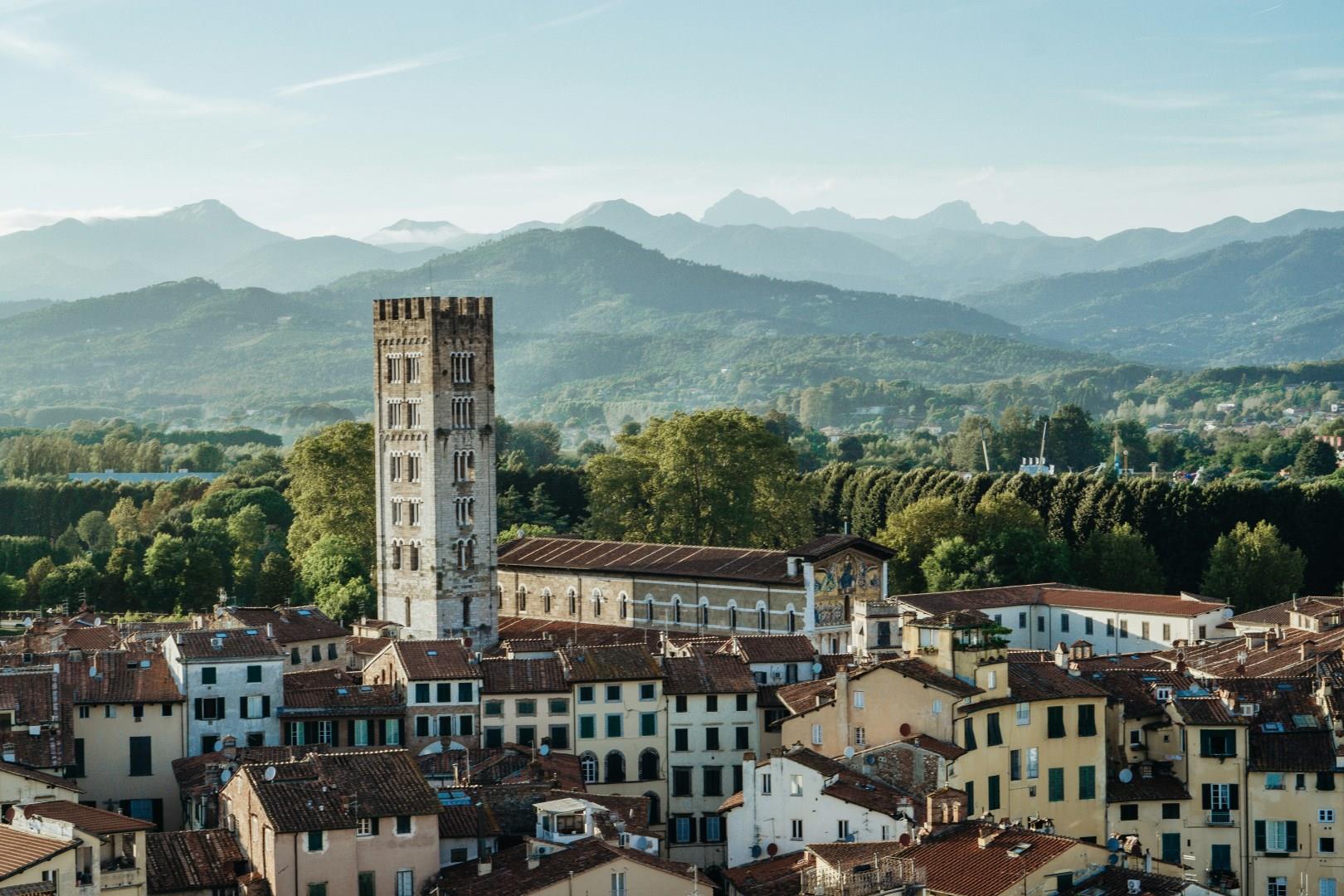
Lucca, a Tuscan city surrounded by remarkably intact Renaissance walls, offers more than just postcard views. Known for its quiet streets and grand piazzas, Lucca stands apart with its circular street layout, still following the lines of a Roman amphitheater from centuries ago. The walls, now repurposed as a 4-kilometer tree-lined park, are a favorite route for locals and visitors who explore them on foot or by bike, passing old bastions and panoramic viewpoints along the way.
Malacca
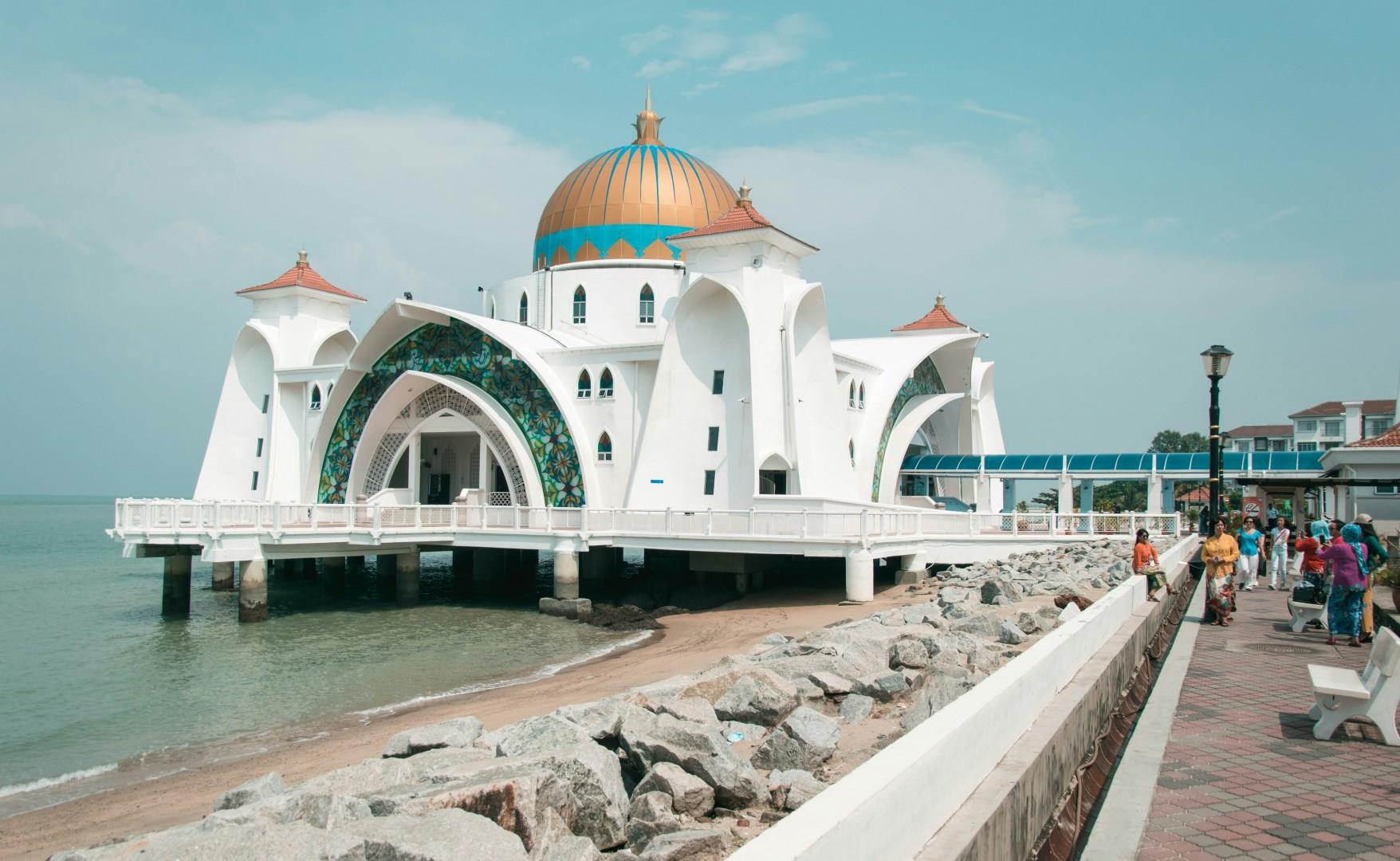
Malacca, also known as Melaka, sits along Malaysia’s west coast and is one of Southeast Asia’s most historically layered cities.

Le Havre
Le Havre is a captivating port city in Normandy, France where the English Channel meets the Seine River. Having evolved from a small fishing village into a bustling maritime hub, it is a blend of rich history, modern architecture, and stunning natural beauty. The city's historic roots are especially evident in landmarks such as the Graville Abbey, one of the oldest monuments in the area, and the impressive St. Joseph's Church, a modern architectural marvel designed by Auguste Perret.
Greece
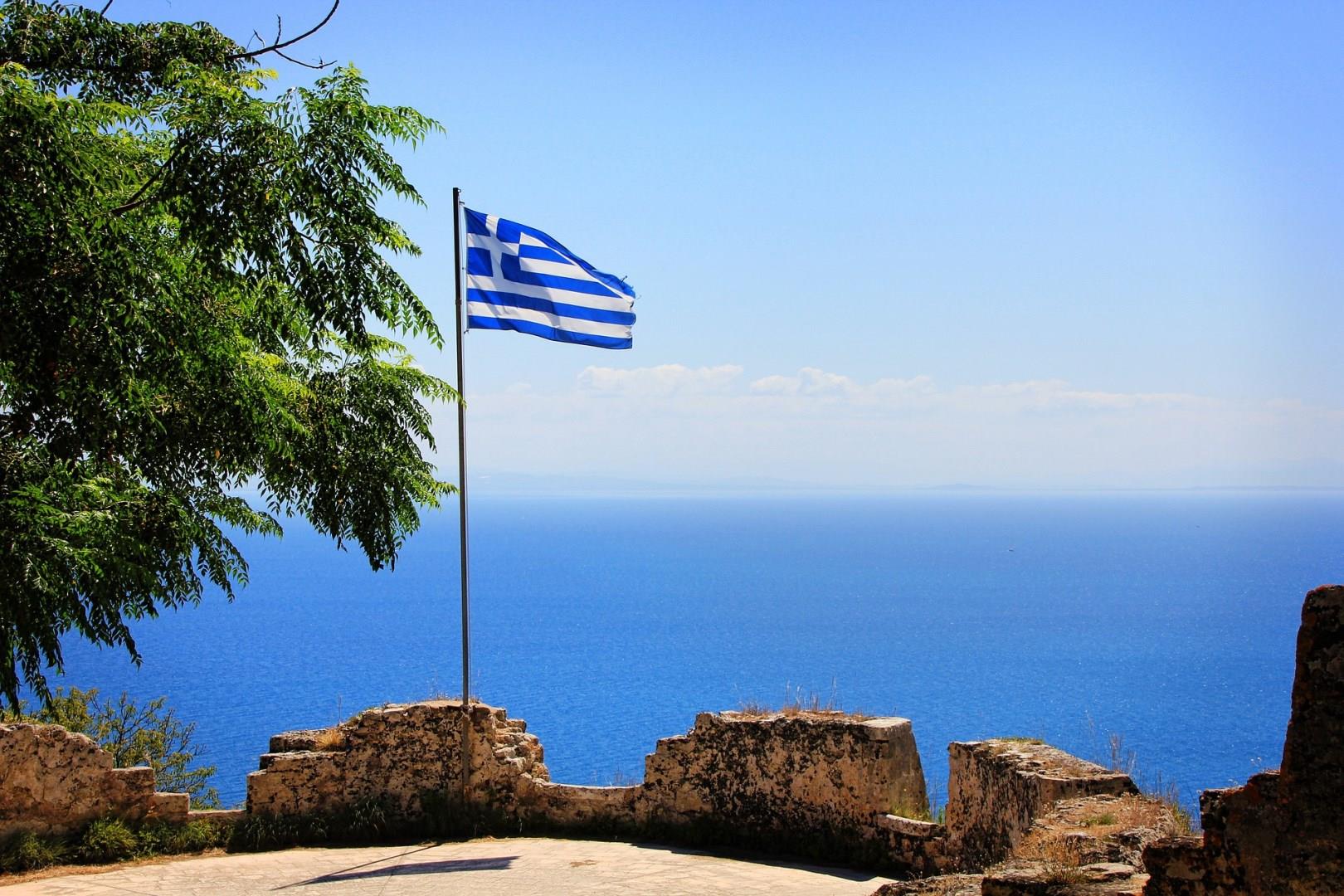
Greece is a country where layers of history sit side by side with everyday life. In Athens, visitors can stand at the foot of the Acropolis and look up at the Parthenon, built more than 2,400 years ago, then walk a few blocks to modern cafes buzzing with conversation and music. The city’s neighborhoods, like Plaka and Monastiraki, offer both ancient ruins and small family-run shops selling handmade sandals and olive oil soap.
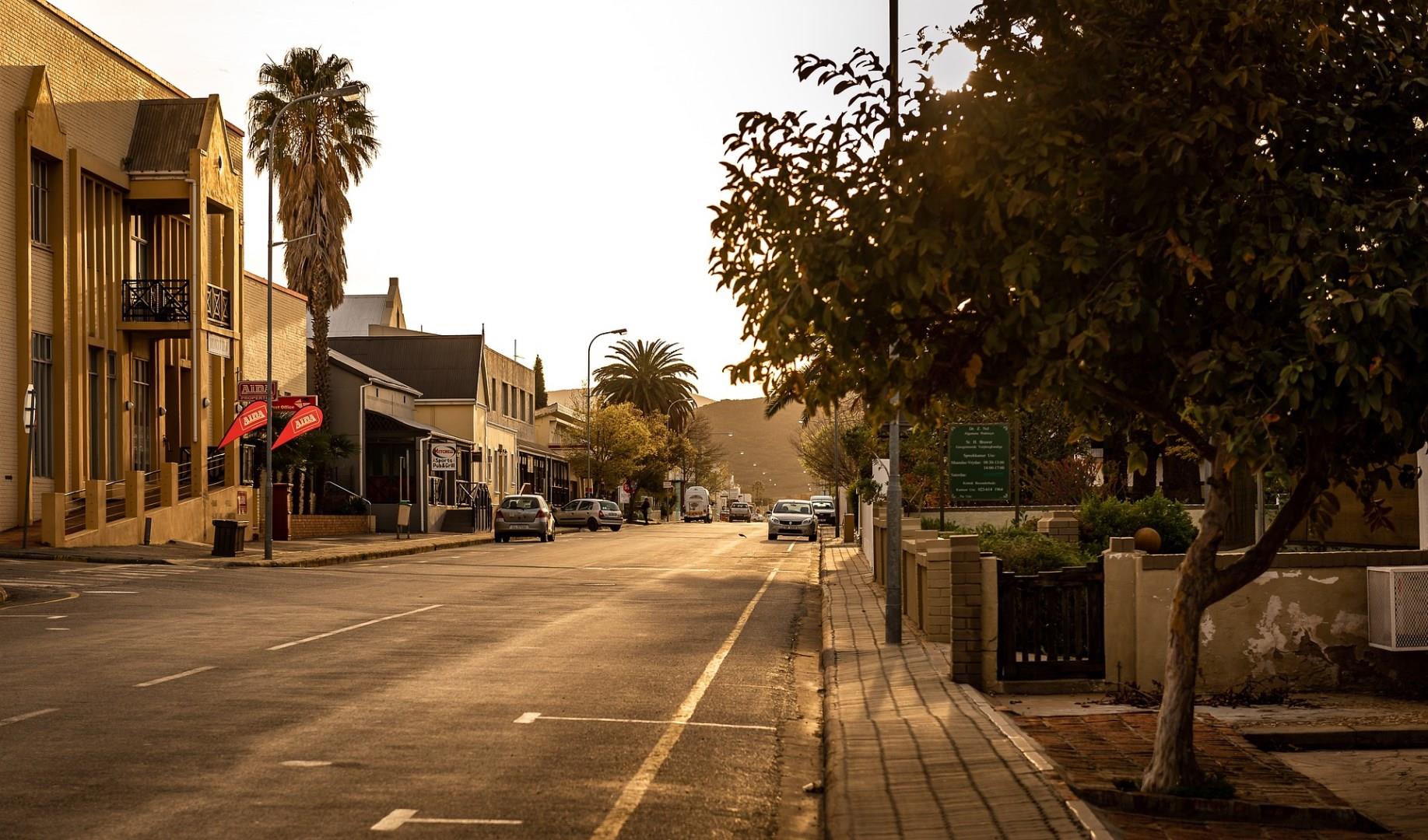
Montagu
Nestled in the heart of South Africa’s Western Cape, Montagu is a charming town renowned for its natural beauty and historical significance. Surrounded by rugged mountains and lush vineyards, Montagu is a gateway to the stunning Klein Karoo region. Visitors are drawn to its remarkable architecture, particularly the well-preserved Cape Dutch and Victorian buildings that line the streets, reflecting the town’s rich history.