Duluth
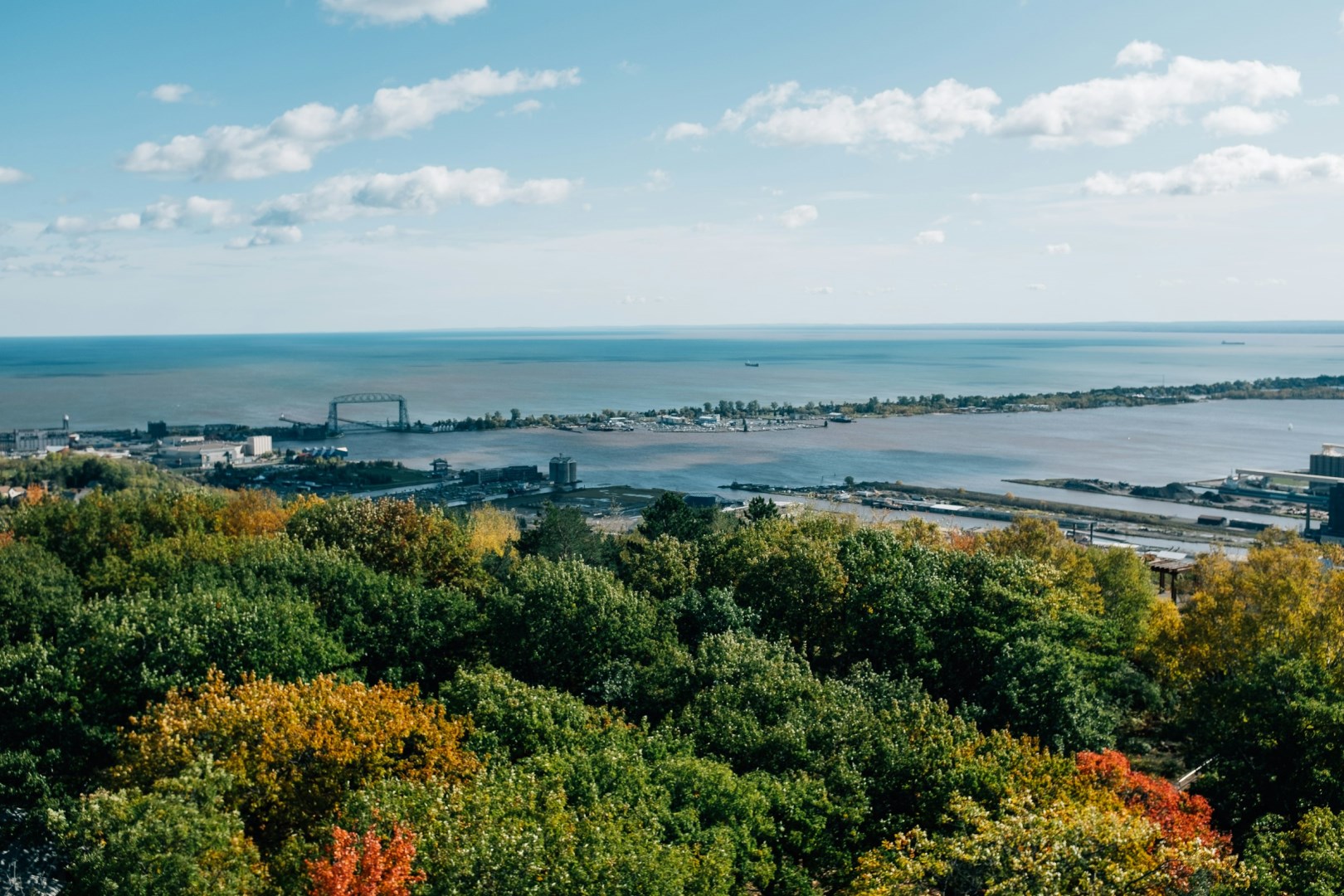
Located on Lake Superior, Duluth is a gateway for a year-round resort area, and tourism is a major industry.

St. Ives
St. Ives, a picturesque seaside town on the north coast of Cornwall, England, is a charming blend of stunning natural beauty and rich cultural heritage. With its golden sandy beaches, crystal-clear waters, and quaint cobbled streets, St. Ives has long been a haven for artists, surfers, and sun-seekers alike. The town's vibrant atmosphere is palpable in its bustling harbor, where fishing boats sway with the tide and seaside cafés offer fresh, locally caught seafood.
Chuuk
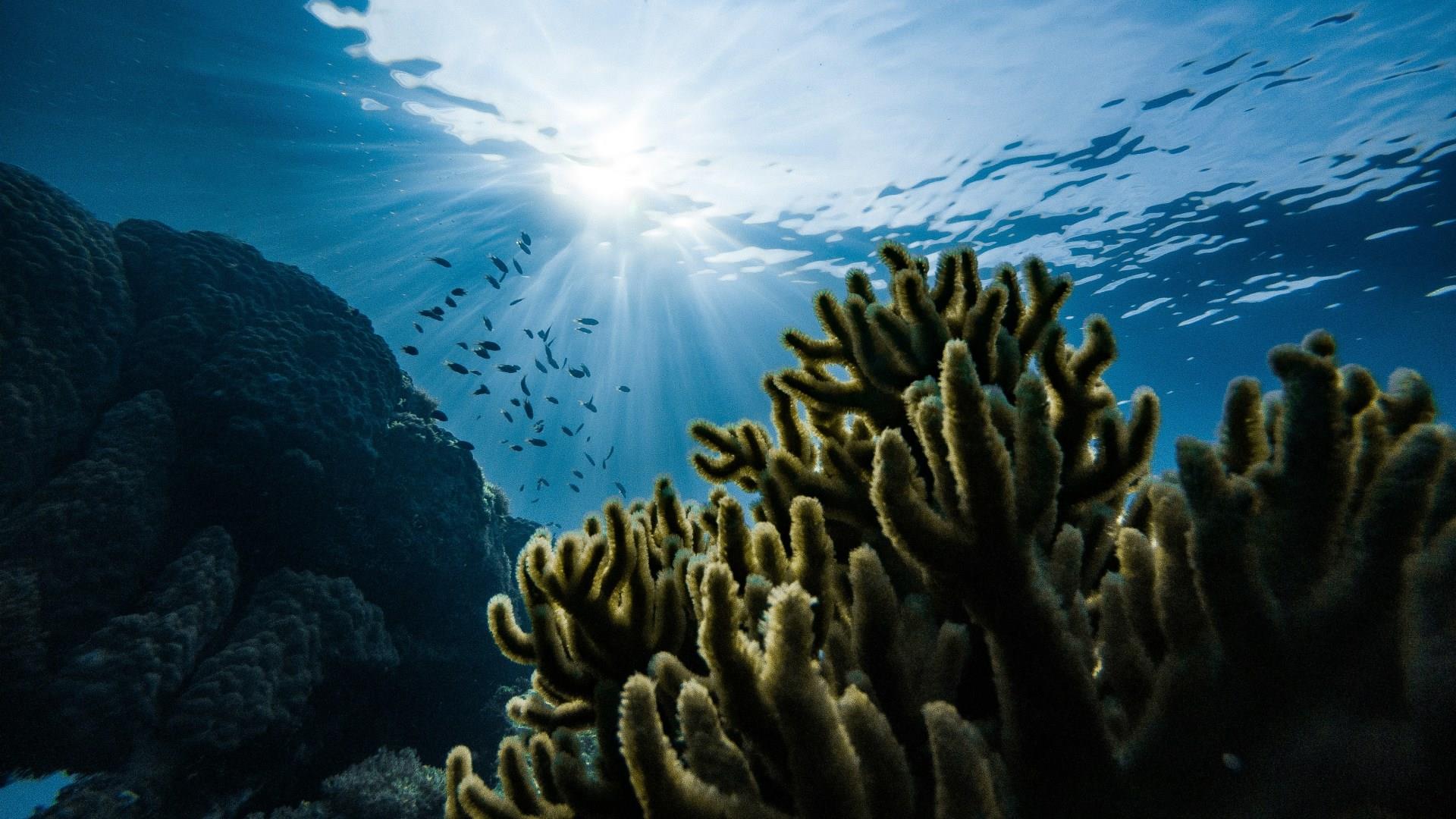
Chuuk, one of the four states of the Federated States of Micronesia, is best known for its vast lagoon which is one of the largest enclosed lagoons in the world. But what sets Chuuk apart is what lies beneath those calm blue waters: an entire underwater fleet of sunken warships, aircraft, and submarines left from World War II. Often called the "Ghost Fleet of Truk Lagoon," these wrecks make Chuuk a global destination for experienced divers.
Leknes
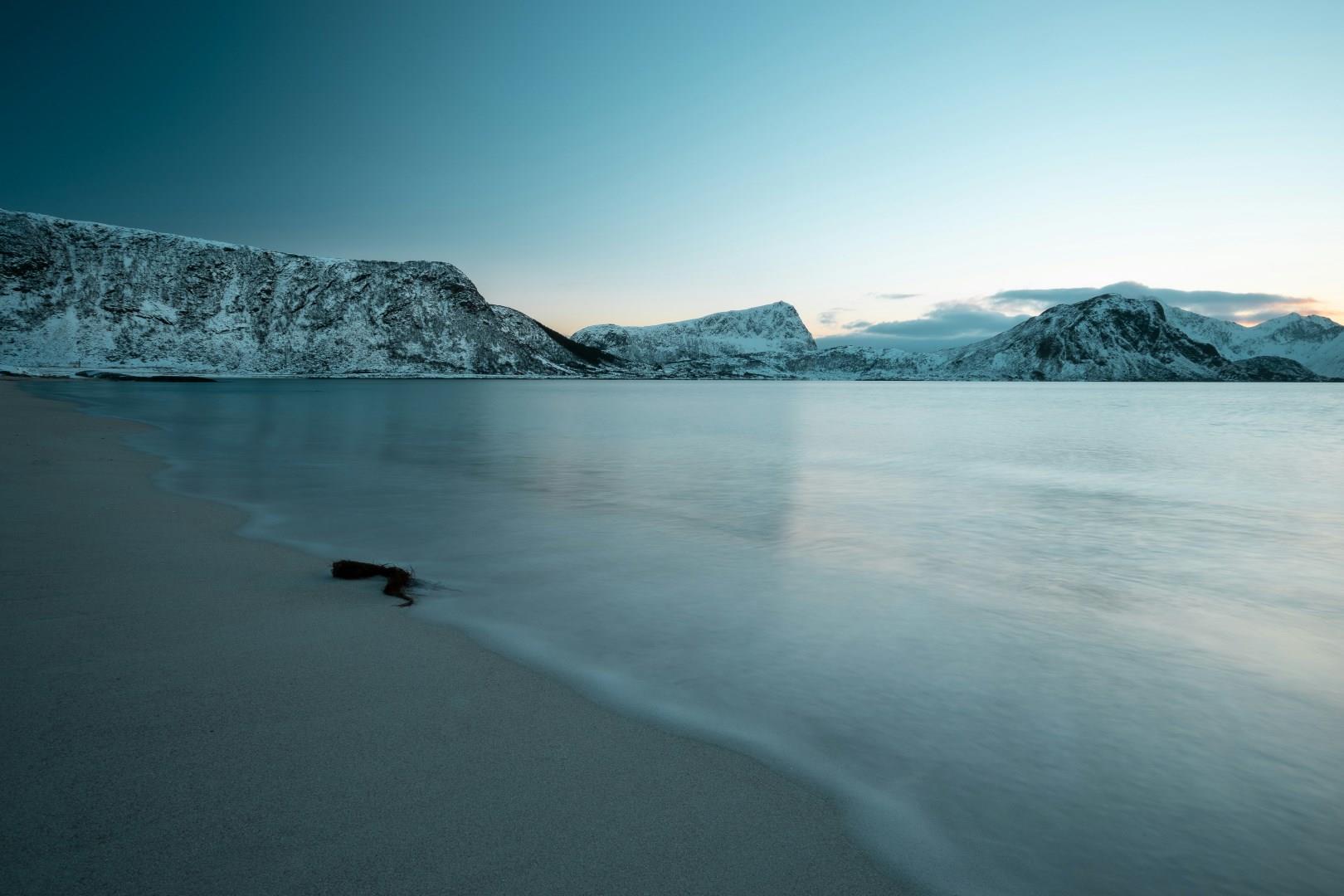
Leknes sits in the heart of Norway’s Lofoten Islands, a small town shaped more by geography than by long urban history. It developed as a regional hub for farming, fishing, and transport, serving surrounding villages spread across Vestvågøy. Rather than presenting a preserved past, Leknes reflects contemporary life in the north, practical and closely tied to seasonal rhythms.

Volga
The Volga River is an emblematic waterway that meanders through the heart of Russia, offering an exceptional journey through the country’s rich cultural and historical tapestry. As Europe’s longest river, stretching approximately 3,530 kilometers (2,194 miles), the Volga flows from the Valdai Hills to the Caspian Sea, weaving through major cities such as Tver, Nizhny Novgorod, and Volgograd.