
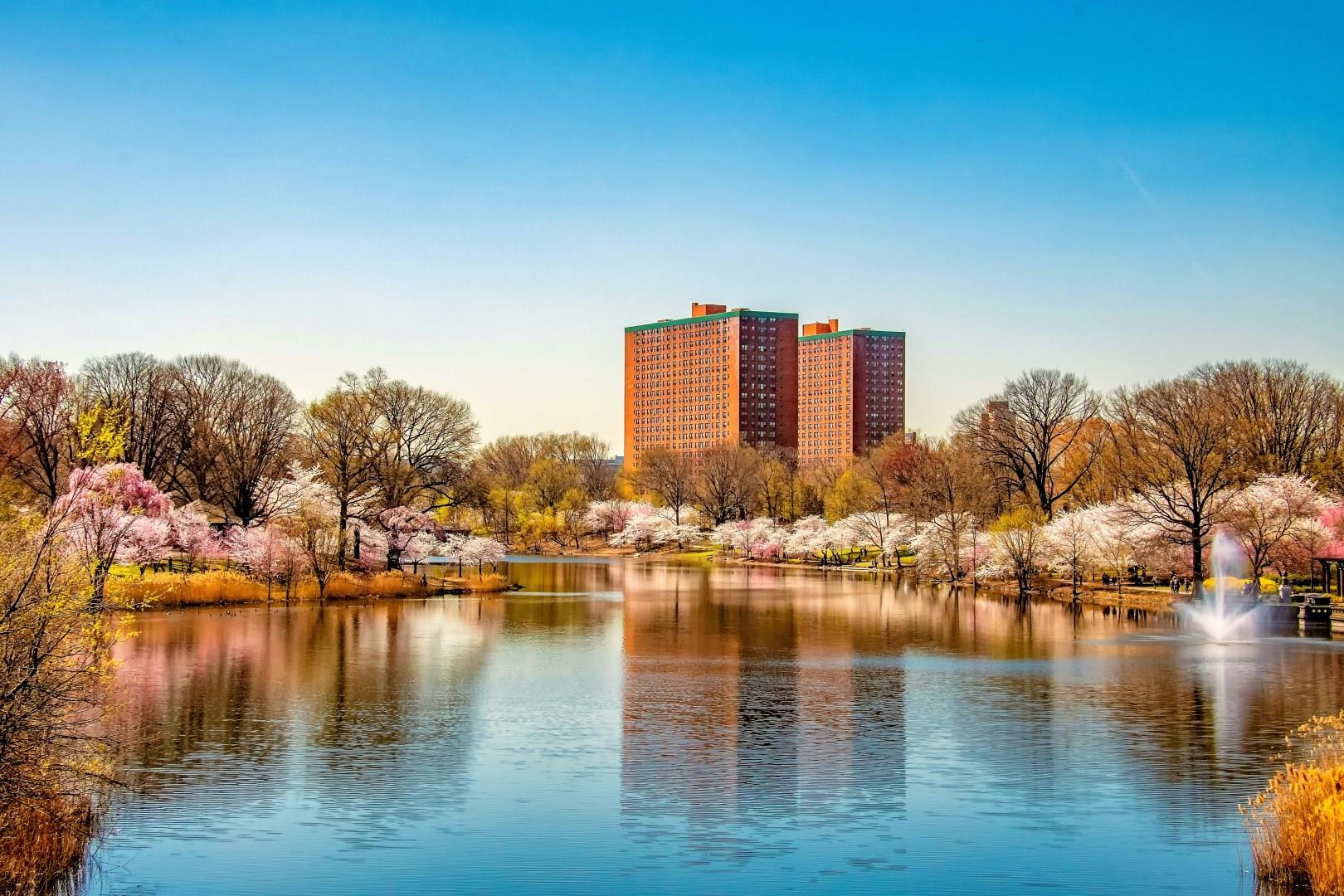
Newark
Newark, New Jersey is often overshadowed by its proximity to New York City but still has a strong identity rooted in history, art, and global culture. As one of the oldest cities in the United States, founded in 1666, Newark’s rich past is visible in landmarks like the Old First Presbyterian Church and Military Park, where George Washington once camped. The city’s architecture reflects its legacy, from the Beaux-Arts Newark Museum building to the art deco facade of the historic Hahne & Co. depar
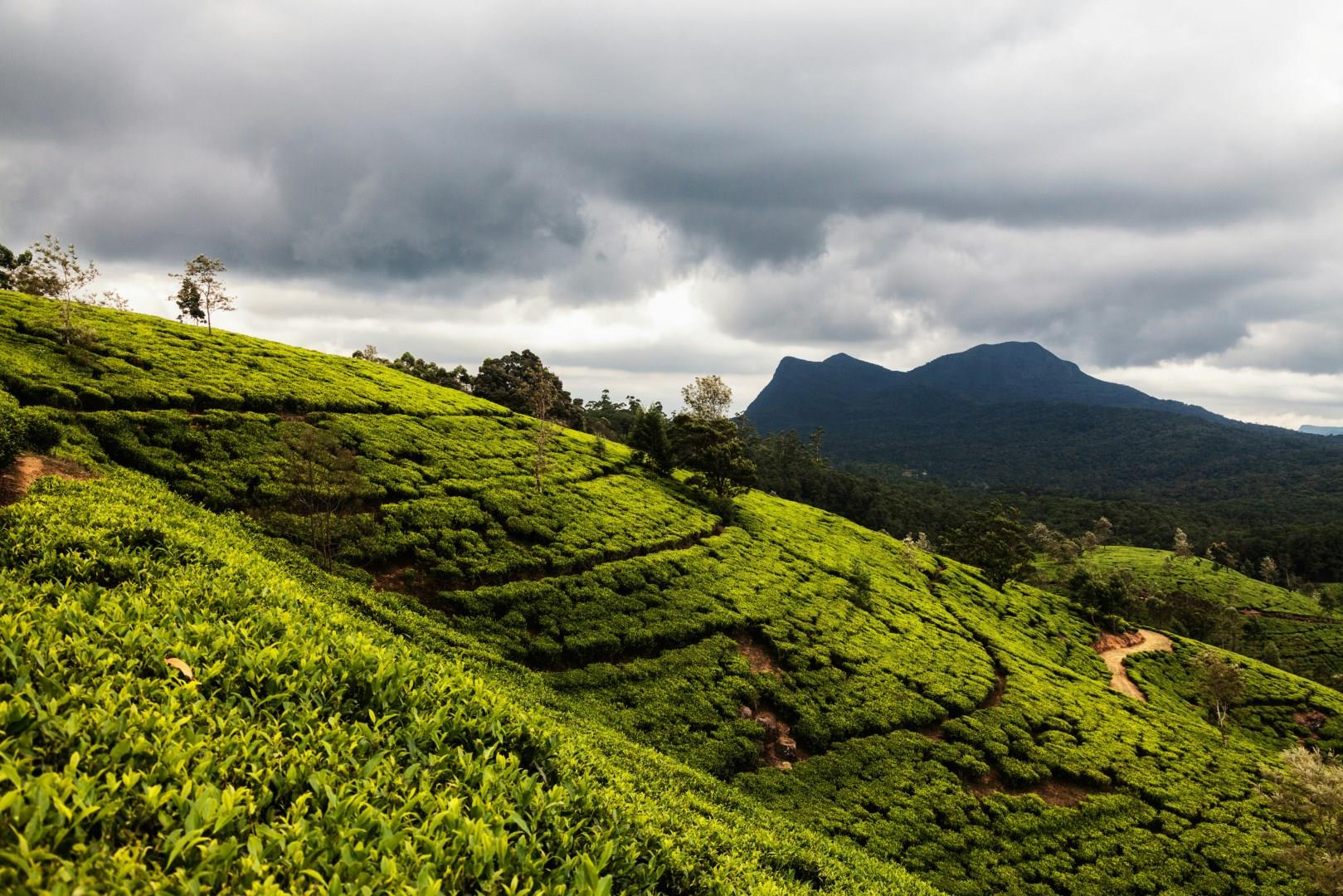
Nuwara Eliya
Nuwara Eliya sits high in Sri Lanka’s central highlands, above the plains at nearly 1,900 meters, with a climate that remains refreshingly mild year-round, which is a sharp contrast to the tropical warmth found elsewhere on the island. For those looking to explore the outdoors, Lake Gregory has long been a place for boating, walking, and watching the mist drift across the water at dawn.

Oban
Oban is located in the northern part of the Scottish Highlands. Renowned for the beauty of the land and the excellent scotch made there, Oban is an indisputable treasure of nature.

Jaipur
Jaipur, the capital of Rajasthan, is often called the “Pink City” for the terracotta-hued buildings that line its historic streets. Founded in 1727, it was one of India’s first planned cities, designed with wide avenues and grand public squares.

El Calafate
El Calafate, a small town in southern Patagonia, serves as the main gateway to one of Argentina’s most spectacular natural wonders, the Los Glaciares National Park. Sitting on the shores of Lake Argentino, El Calafate was once a quiet outpost known mainly for sheep farming and the hardy calafate berry. Today, it attracts travelers from around the world who come to witness massive ice formations and the shifting blue walls of nearby glaciers.


