Puntarenas
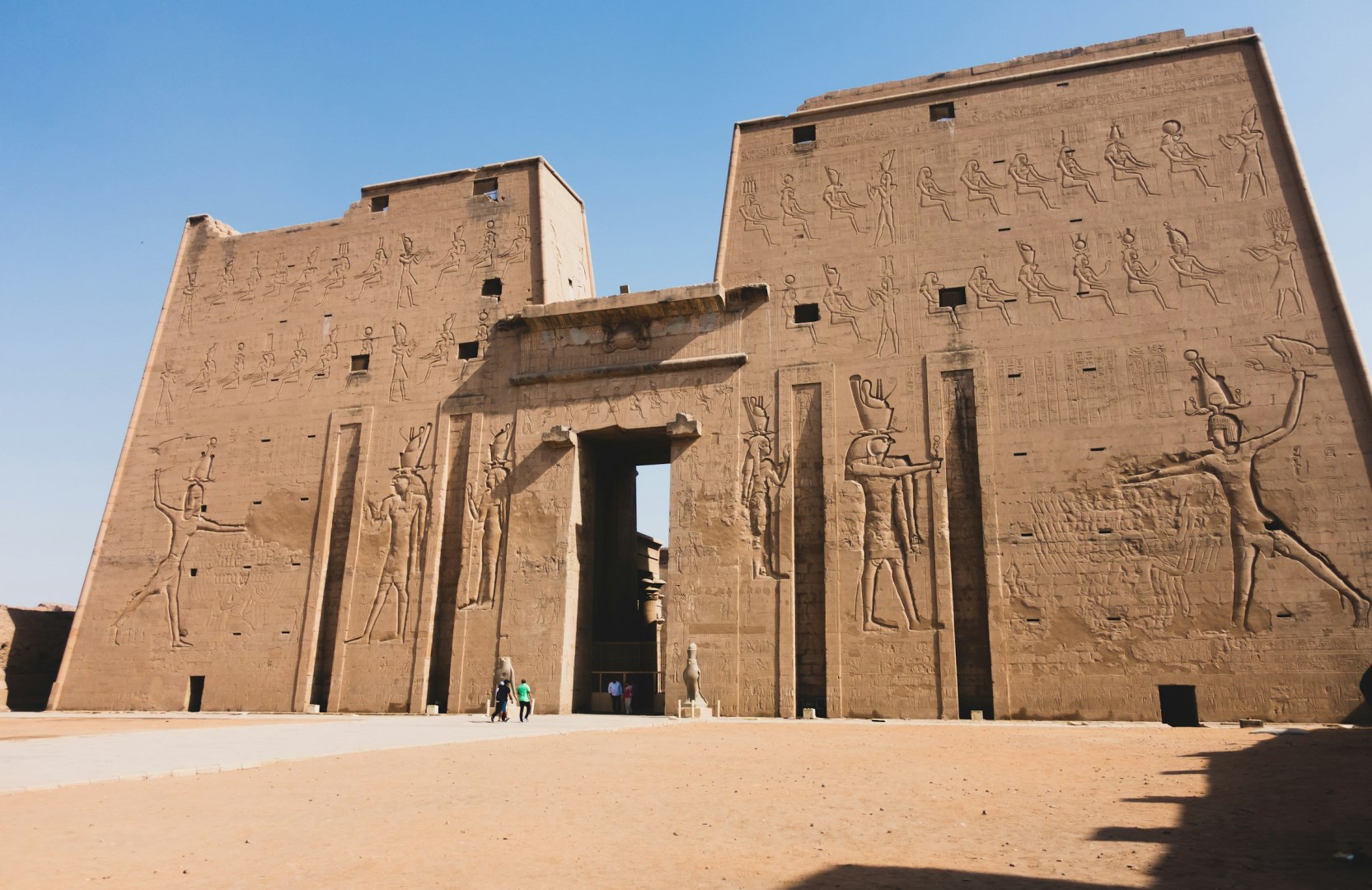
Stretching along Costa Rica’s Pacific coast, Puntarenas offers more than just sandy shores. This historic port town once served as the country’s main gateway for coffee exports in the 19th century. Today, visitors can stroll along streets that echo stories of maritime trade and explore how Puntarenas helped shape Costa Rica's economic identity.
Vancouver
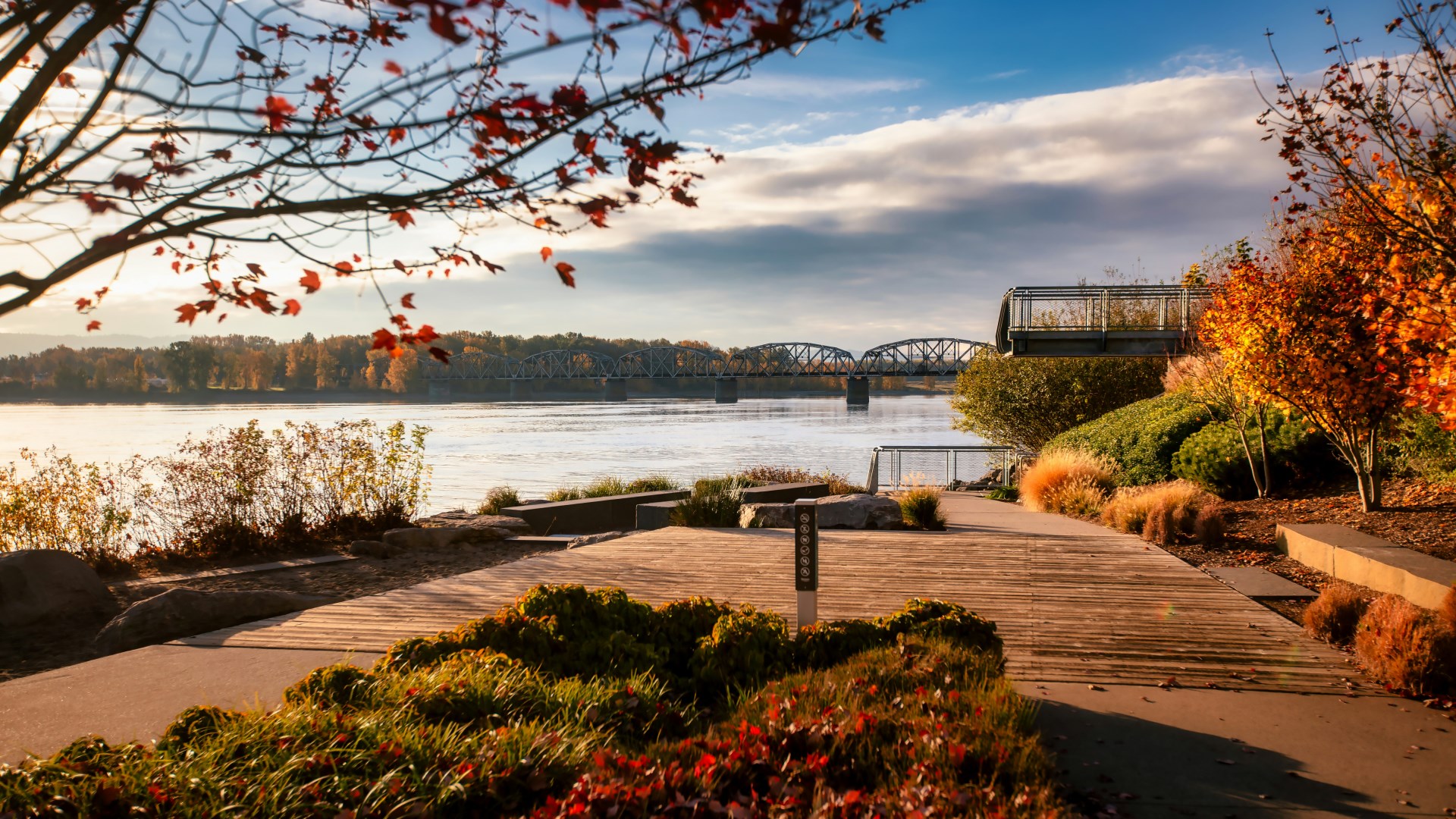
Vancouver is a city in southwestern Washington located along the north bank of the Columbia River, directly across from Portland, Oregon. It is one of the oldest continuously inhabited areas in the Pacific Northwest and serves as the county seat of Clark County.

Talkeetna
Nestled at the base of North America’s tallest peak, Denali, this charming village is a nature lover's dream! Whether you love hiking, fishing, skiing or mountain climbing, you can do it all and more in Talkeetna!

Olympia
Situated on Peloponnese peninsula's Western side, Olympia has the distinction of being one of Greece's most significant archaeological sites.
Framingham
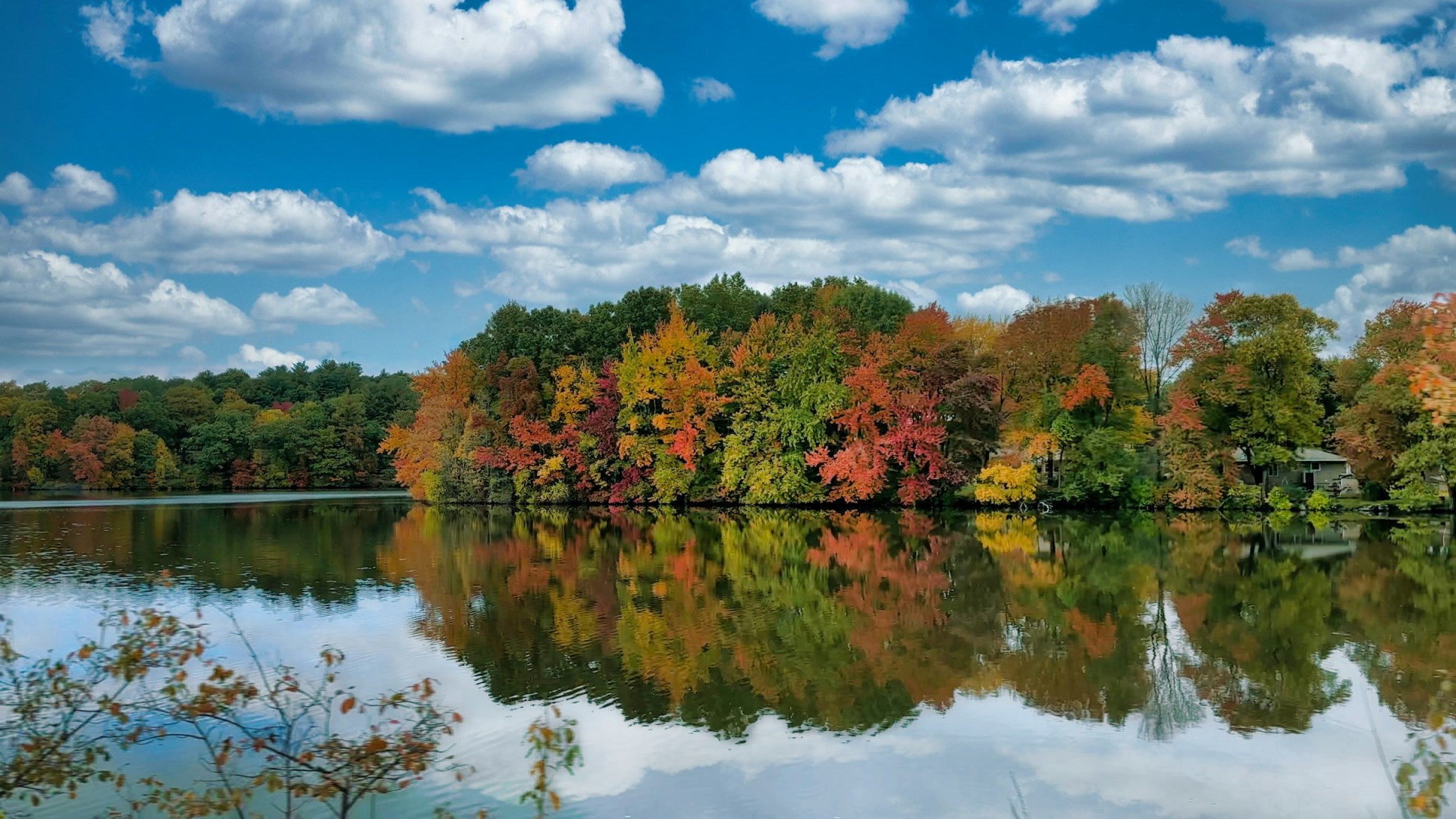
Framingham is a city in eastern Massachusetts, located about 20 miles west of Boston in the MetroWest region. Its landscape combines developed neighborhoods and commercial districts with wooded areas, ponds, and former agricultural land. The Sudbury River and several smaller waterways pass through the surrounding area, while Cochituate State Park provides a large recreational lake nearby.