

Kuala Lumpur
Kuala Lumpur, the capital of Malaysia, is a city where tradition and modernity meet in striking ways. Towering over the skyline are the Petronas Twin Towers, once the tallest buildings in the world, while at street level you’ll find lively markets, ornate temples, and colonial-era architecture.

Guayaquil
Guayaquil, Ecuador, is a vibrant port city and a frequent starting point for cruises to the Galapagos Islands.
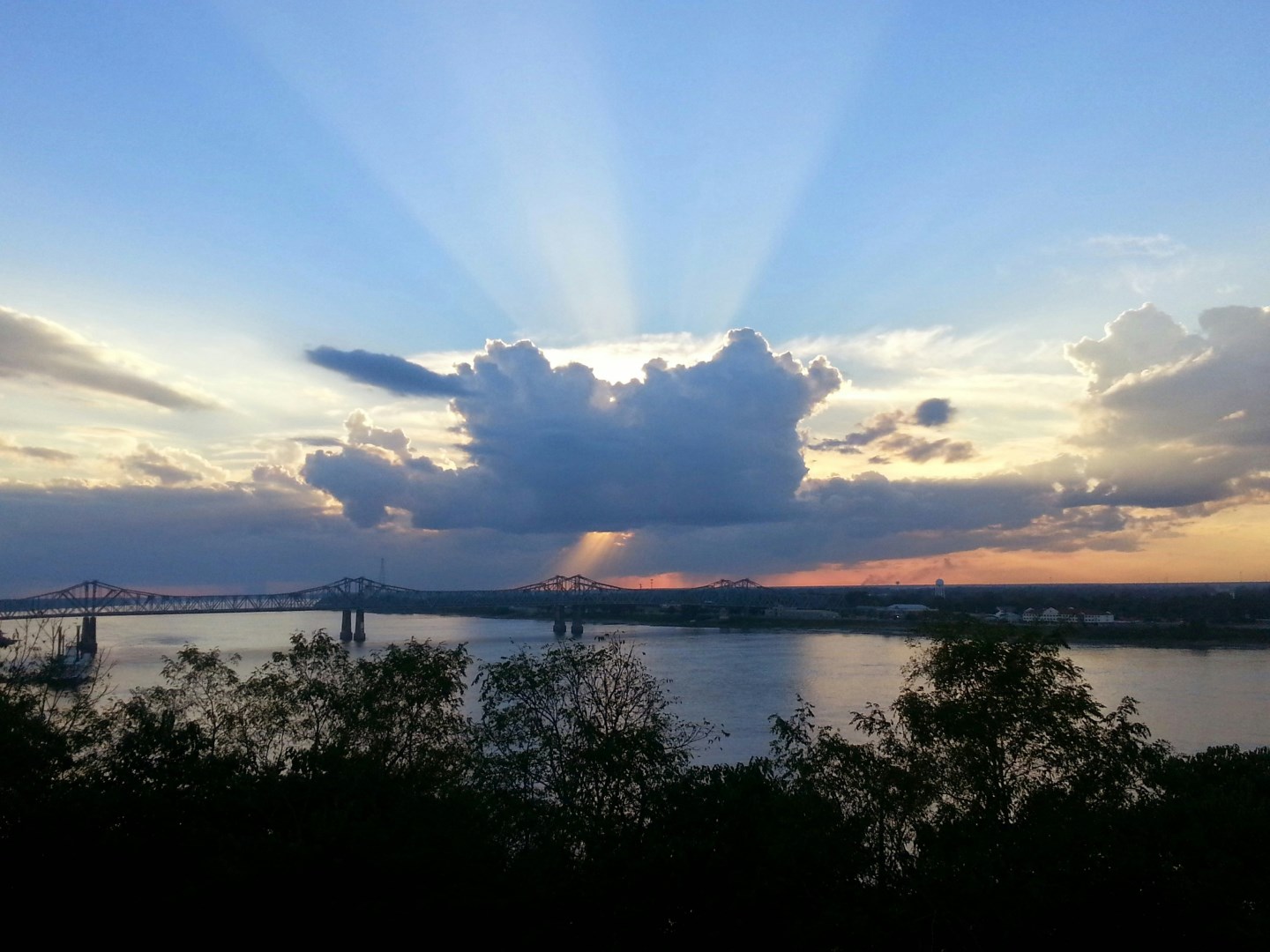
Natchez
Natchez is a river city in southwestern Mississippi overlooking the Mississippi River bluffs near the Louisiana border. It is recognized for its large collection of preserved antebellum homes, brick streets, and long connection to river trade.

Galway
Galway, on Ireland's picturesque west coast, offers a vibrant blend of culture, history, and natural beauty that enchants visitors from around the world. This historic city, often referred to as the "City of the Tribes," was shaped by the seven tribes that dominated it during the medieval period. The city's lively atmosphere is a fusion of traditional Irish charm and modern creativity, evident in its colorful streets and dynamic cultural scene.

Niagara Falls
Niagara Falls, Canada, is a destination that captures the imagination with its breathtaking natural beauty and vibrant atmosphere. Straddling the border between Canada and the United States, Niagara Falls is a world-renowned wonder that consists of three powerful waterfalls: the Horseshoe Falls, the American Falls, and the Bridal Veil Falls. The Canadian side is famous for offering the most spectacular views of these cascading waters.


