

Heidelberg
Heidelberg, located along the scenic banks of the Neckar River in southwestern Germany, is a city steeped in history, culture, and charm. Known for its prestigious university, which is one of the oldest in Europe, the city draws visitors with its picturesque old town, medieval architecture, and vibrant academic atmosphere.

Pompeii
Pompeii, Italy, is a mesmerizing time capsule that invites travelers to step back into the world of ancient Rome. Once a thriving city, Pompeii was abruptly buried under volcanic ash and pumice following the catastrophic eruption of Mount Vesuvius in 79 AD. This tragic event preserved the city in remarkable detail, allowing visitors today to walk the cobbled streets and witness a snapshot of Roman life, from grand villas and bathhouses to bakeries and amphitheaters.
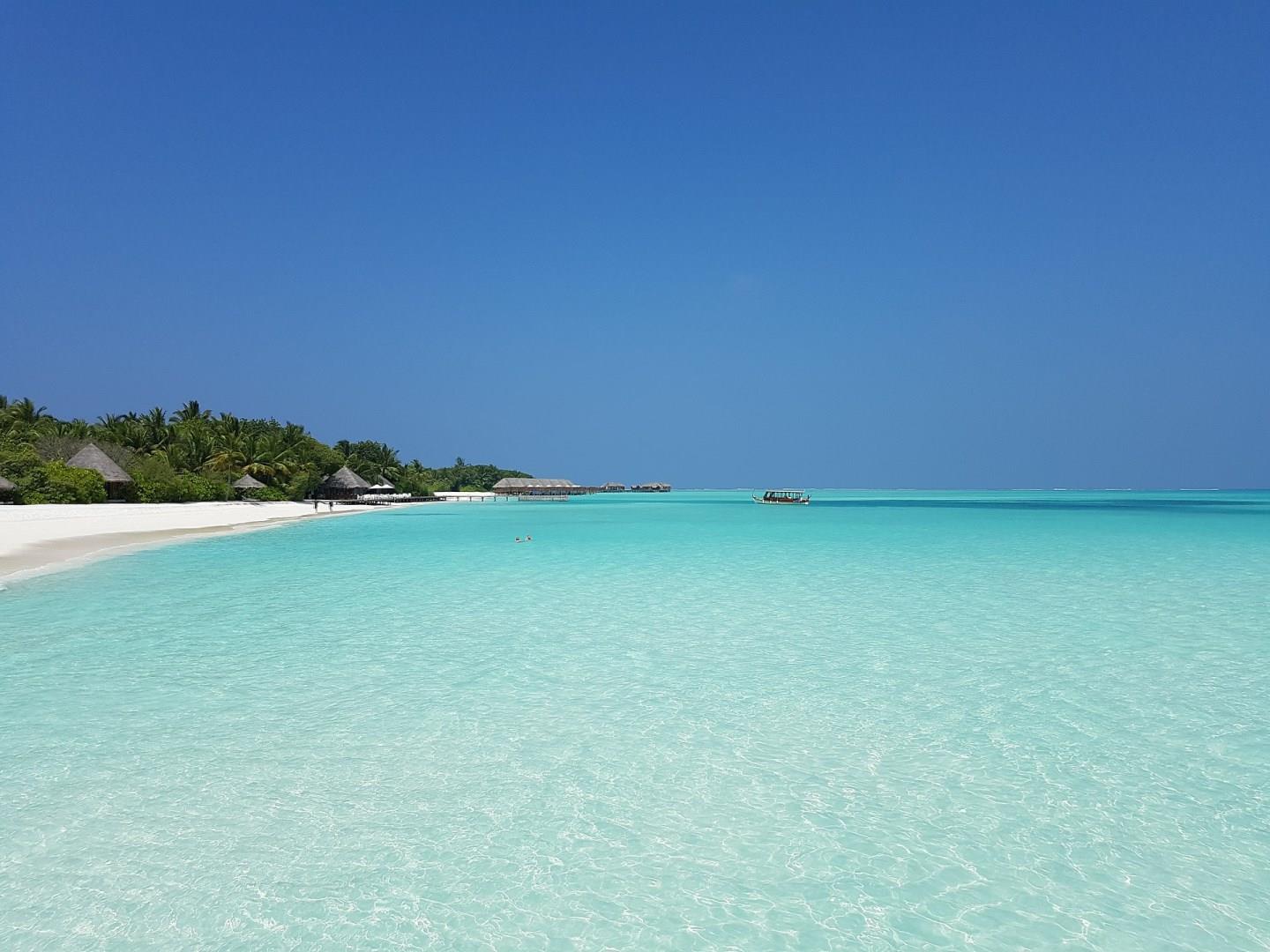
Maldives
The Maldives, a nation of islands scattered across the Indian Ocean, is known for its dazzling turquoise waters, white-sand beaches, and vibrant coral reefs. Stretching across 26 atolls, this tropical paradise is often described as one of the most beautiful places on Earth.
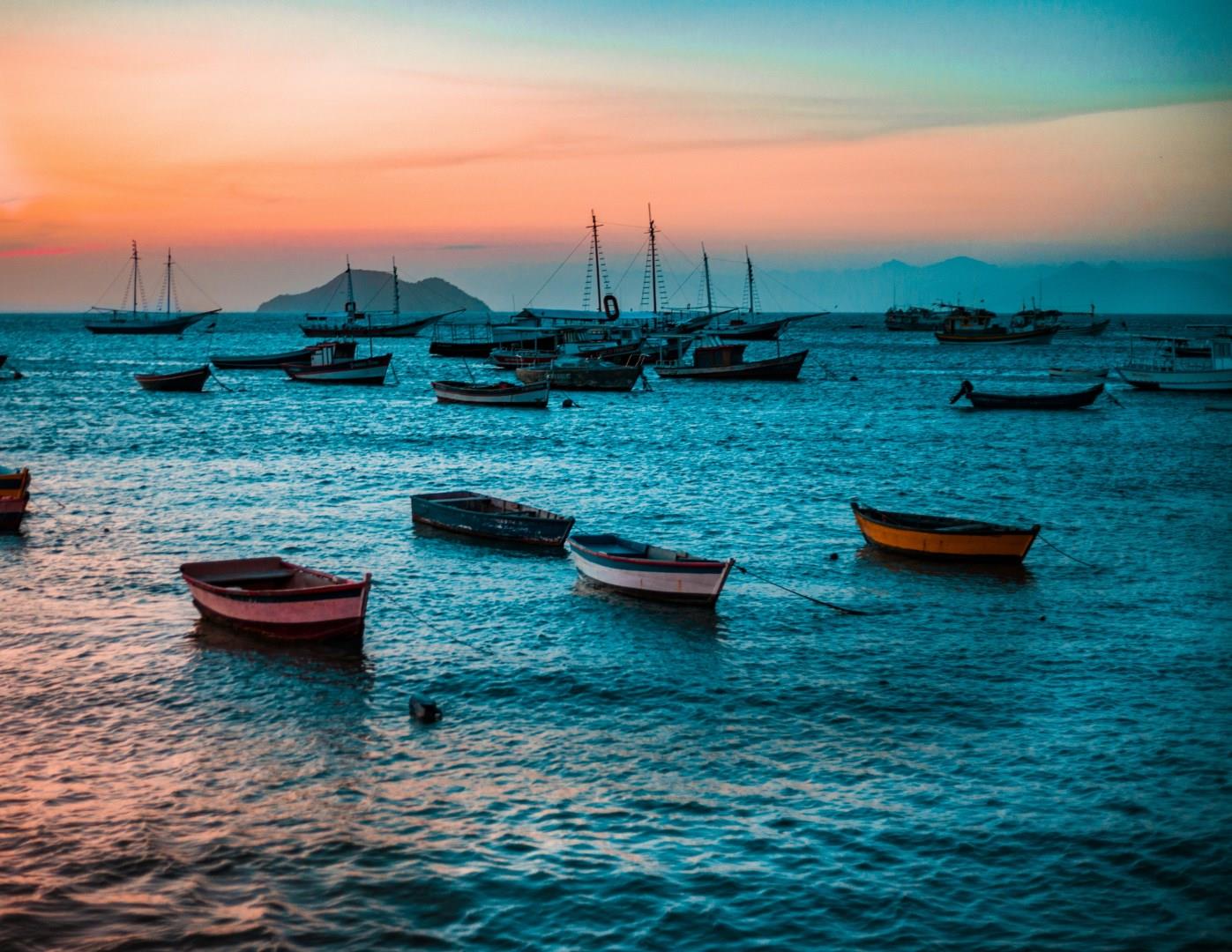
Búzios
Búzios, a small peninsula just a few hours from Rio de Janeiro, is known for its striking coastline, relaxed atmosphere, and vibrant cultural scene. Once a quiet fishing village, it rose to international attention in the 1960s when French actress Brigitte Bardot visited and fell in love with its laid-back lifestyle. The region is famous for its more than 20 beaches, each with its own personality.

Santa Cruz de Tenerife
The city of Santa Cruz De Tenerife, located on the island of Tenerife, is a favorite stop for Transatlantic voyagers. Tenerife is both the largest and most populated of the seven Canary Islands and of Spain itself. As the island's main city, Santa Cruz De Tenerife is home to almost half of the island's population.


