

Thailand
Thailand is a country where centuries-old traditions coexist with vibrant modern life. From ancient kingdoms that left behind grand temples and ruins to lively festivals filled with music, dance, and color, Thai culture is deeply rooted in spirituality and community.

Helsinki
Nature is never far in Helsinki. Locals swim in the sea, walk forested trails, and gather mushrooms or berries all within city limits. One popular local habit is heading to the sauna, and the city offers several open-to-the-public options. Löyly, located on the waterfront, combines traditional wood-burning saunas with a sleek, modern design. In winter, visitors can even pair a sauna session with a quick dip through a hole cut in the ice for an experience both shocking and strangely calming.

Agrigento
Agrigento, located on the southern coast of Sicily, is a city steeped in history and renowned for its ancient Greek ruins. The crown jewel of Agrigento is the Valley of the Temples, a UNESCO World Heritage Site and one of the most spectacular archaeological sites in the Mediterranean. Visitors can marvel at the remarkably preserved Temple of Concordia, which dates back to the 5th century BC and is considered one of the best-preserved Greek temples in the world.
Kisoro
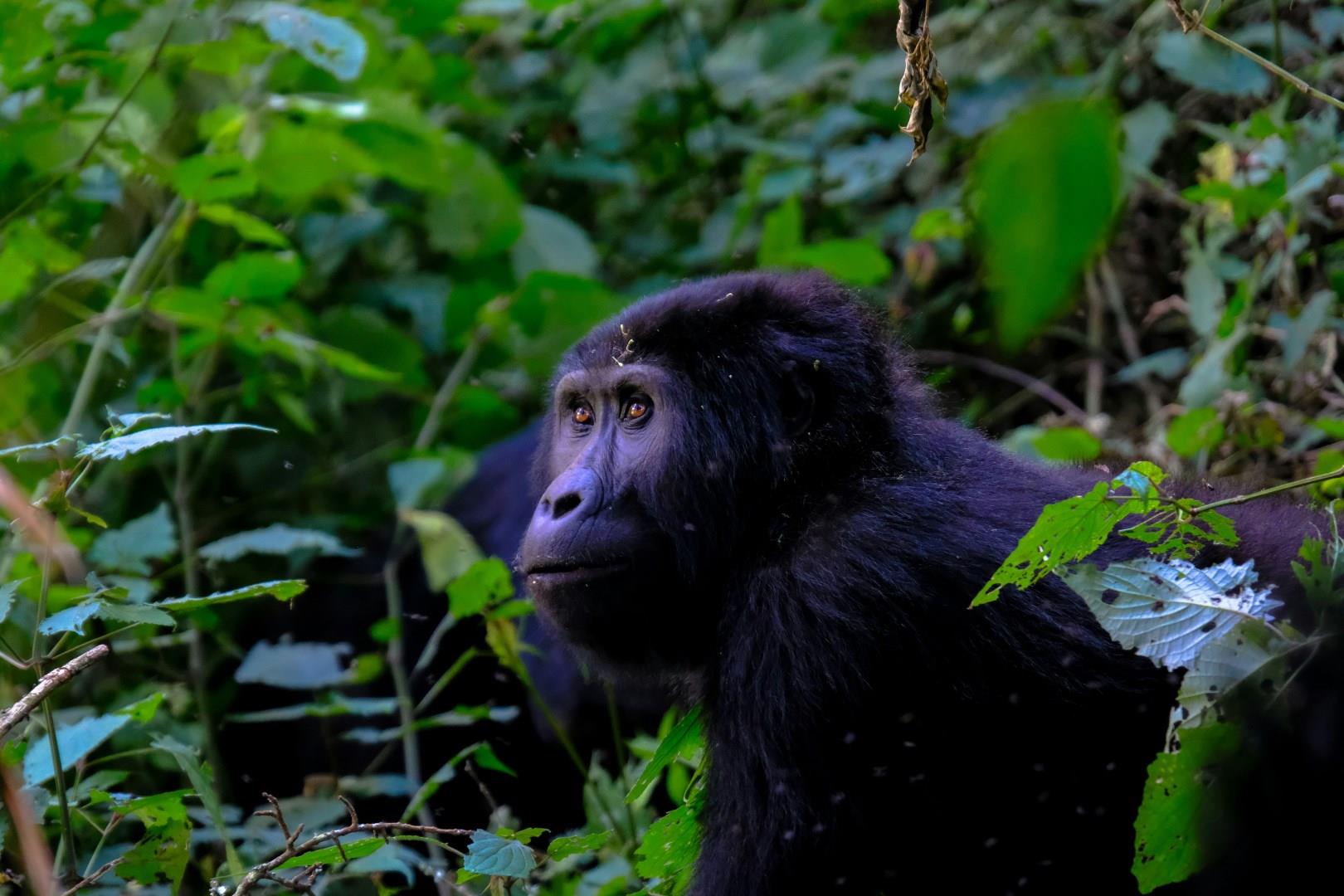
Kisoro is a small town in southwestern Uganda, set in the highlands near the borders of Rwanda and the Democratic Republic of the Congo. It serves as an important gateway to the Virunga Mountains and has long been shaped by its position at the crossroads of cultures, trade routes, and protected landscapes.

Osaka
Osaka is a city that thrives on contrasts with centuries-old castles sit just blocks from neon-lit arcades and high-speed trains. Once known as “Japan’s kitchen” during the Edo period, Osaka played a key role in rice trading and food distribution across the country. Today, visitors can walk the grounds of Osaka Castle, originally built in the 16th century by Toyotomi Hideyoshi, and take in panoramic city views from the top floor of its museum.


