Bari, the capital of Puglia in southern Italy, is a vibrant port city with a rich history and lively atmosphere. Begin your exploration at the Basilica di San Nicola, an iconic pilgrimage site housing the relics of Saint Nicholas. This Romanesque church, dating back to the 11th century, is renowned for its stunning architecture and historical significance (Basilica di San Nicola).
Chennai, the capital of Tamil Nadu, is one of India’s oldest continuously inhabited cities, where ancient temples stand alongside colonial-era architecture and modern skyscrapers. Originally known as Madras, the city grew around Fort St. George, built by the British East India Company in 1644. One of Chennai’s most well-known features is Marina Beach, which stretches for over 13 kilometers and is among the longest urban beaches in the world.
Étretat, a small coastal town in Normandy, France, is celebrated for its dramatic white chalk cliffs and natural rock arches that rise strikingly above the English Channel.
Narvik’s most striking features is its natural setting. The town sits between steep fjords and rugged mountains, making it one of the few places in Norway where visitors can ski with ocean views. Narvikfjellet, the local mountain resort, operates in both winter and summer. During the colder months, it's popular for alpine skiing and northern lights viewing; in summer, the gondola runs for hikers and photographers eager to take in views of the Ofotfjord from the summit.
Guadeloupe's major center is Pointe-à-Pitre, a conglomeration of old and new buildings clustered around the bustling harborside market. Pointe-a-Pitre is Gudeloupe's most popular city--explore the beaches of Grand-Terre and the French fort ruins and volcanic mountaintop of Basse-Terre.
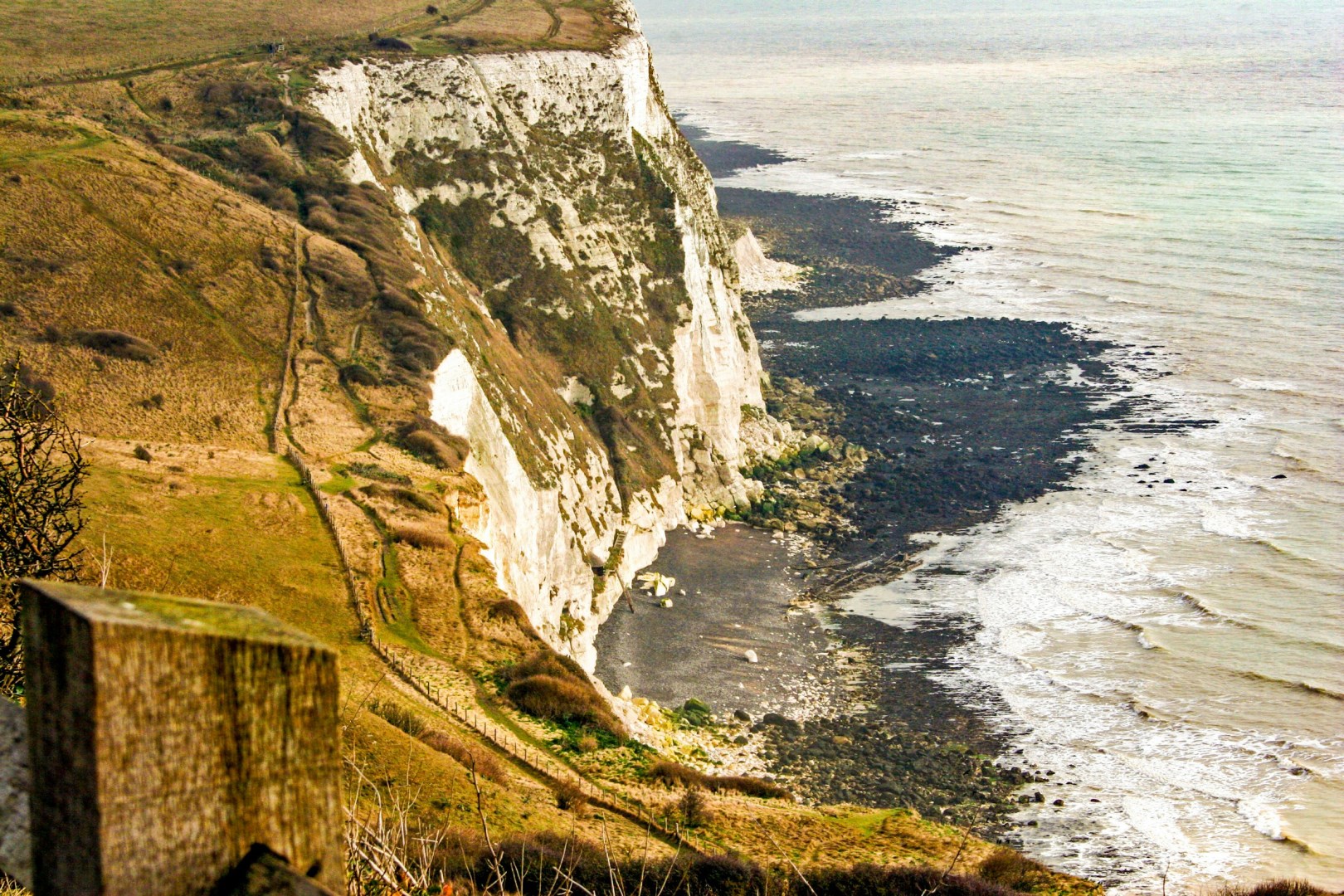
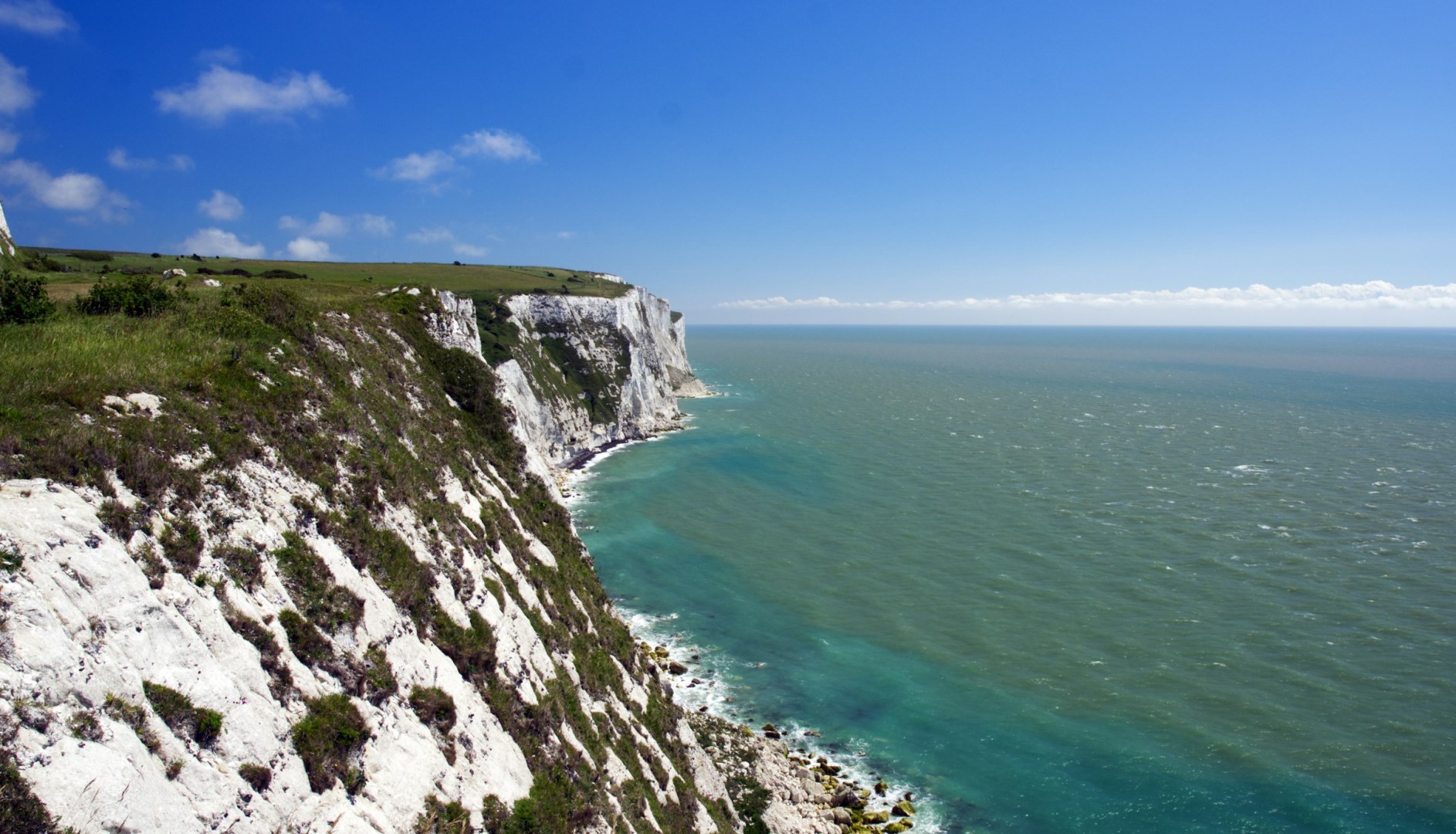
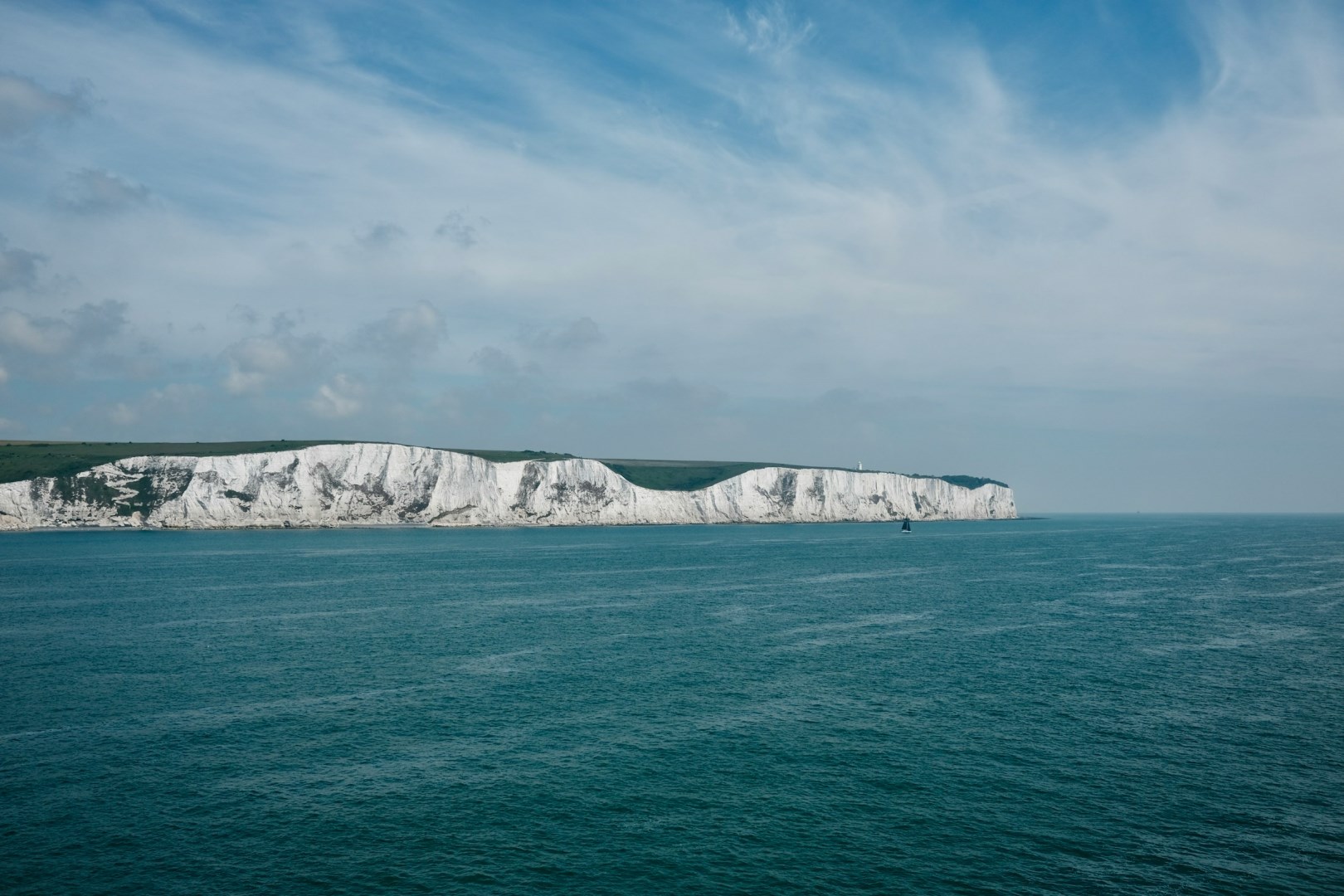
The historic city of Dover, nestled on the southern coast of England, is a captivating destination known for its iconic White Cliffs and strategic maritime heritage. Overlooking the Strait of Dover, these towering chalk cliffs offer breathtaking views across to France and serve as a symbol of Britain's resilience. A visit to the cliffs is a must, with picturesque walking paths and scenic viewpoints that showcase one of the most famous natural landmarks in the UK.
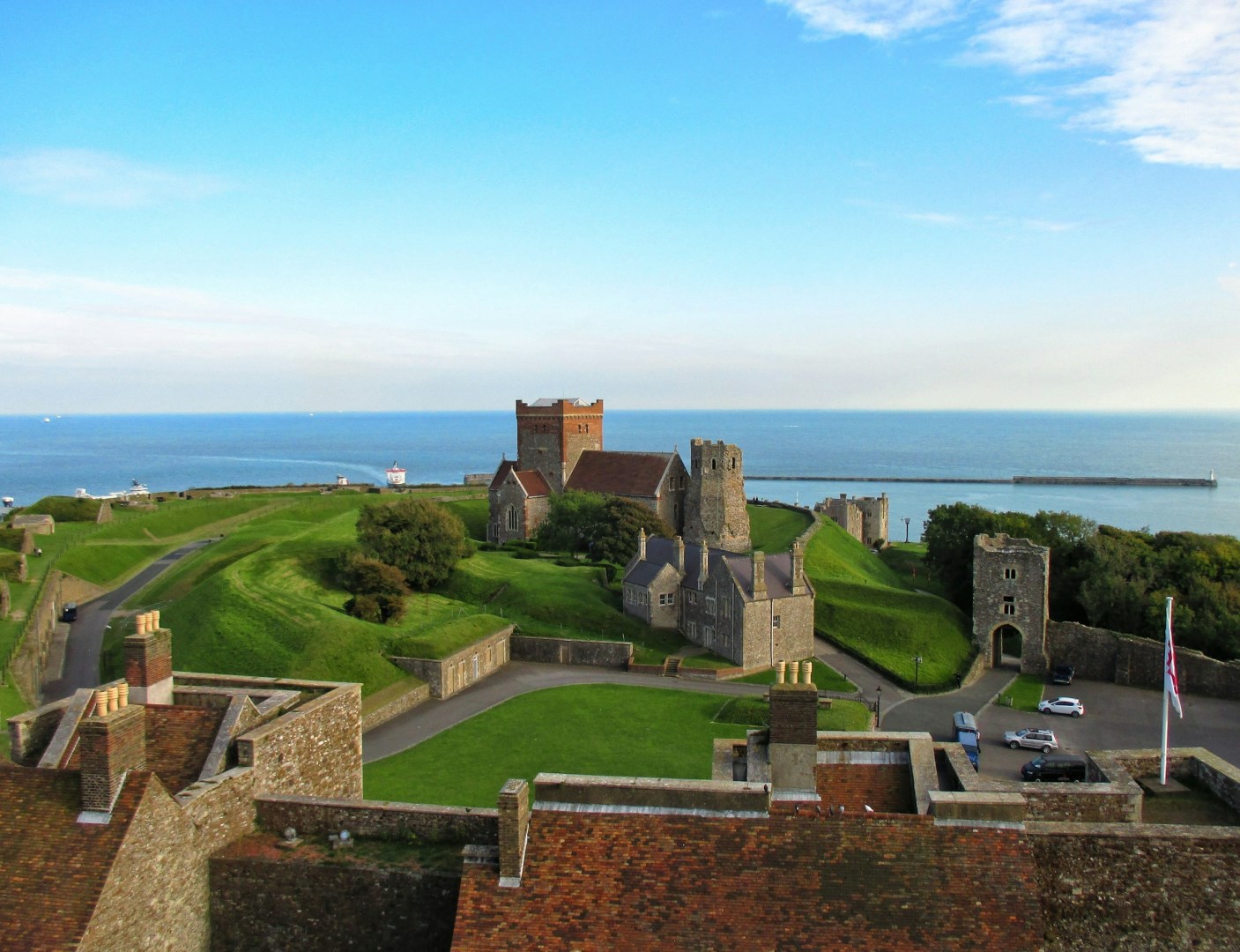
Dover's rich history is equally impressive. The Dover Castle, an imposing fortress dating back to the 11th century, stands sentinel over the city and offers a fascinating glimpse into England’s military past. Explore the castle’s medieval interiors, underground wartime tunnels, and sweeping views from the battlements. The castle has played a pivotal role in British history, including its strategic importance during World War II (English Heritage - Dover Castle).
Stroll through Dover’s charming town center to discover its maritime legacy. The Dover Museum, located near the harbor, features exhibits on the city’s seafaring history, including the famous Dover Bronze Age Boat, one of the oldest known seagoing vessels in the world. Nearby, the bustling Dover Marina offers a vibrant mix of shops, restaurants, and coastal walks perfect for a relaxing day out.
Fun Fact: Dover’s cliffs have been a beacon of hope and guidance for seafarers for centuries. The famous phrase “The white cliffs of Dover” has inspired numerous songs and literary works, symbolizing the welcoming sight of England for those crossing the Channel.