
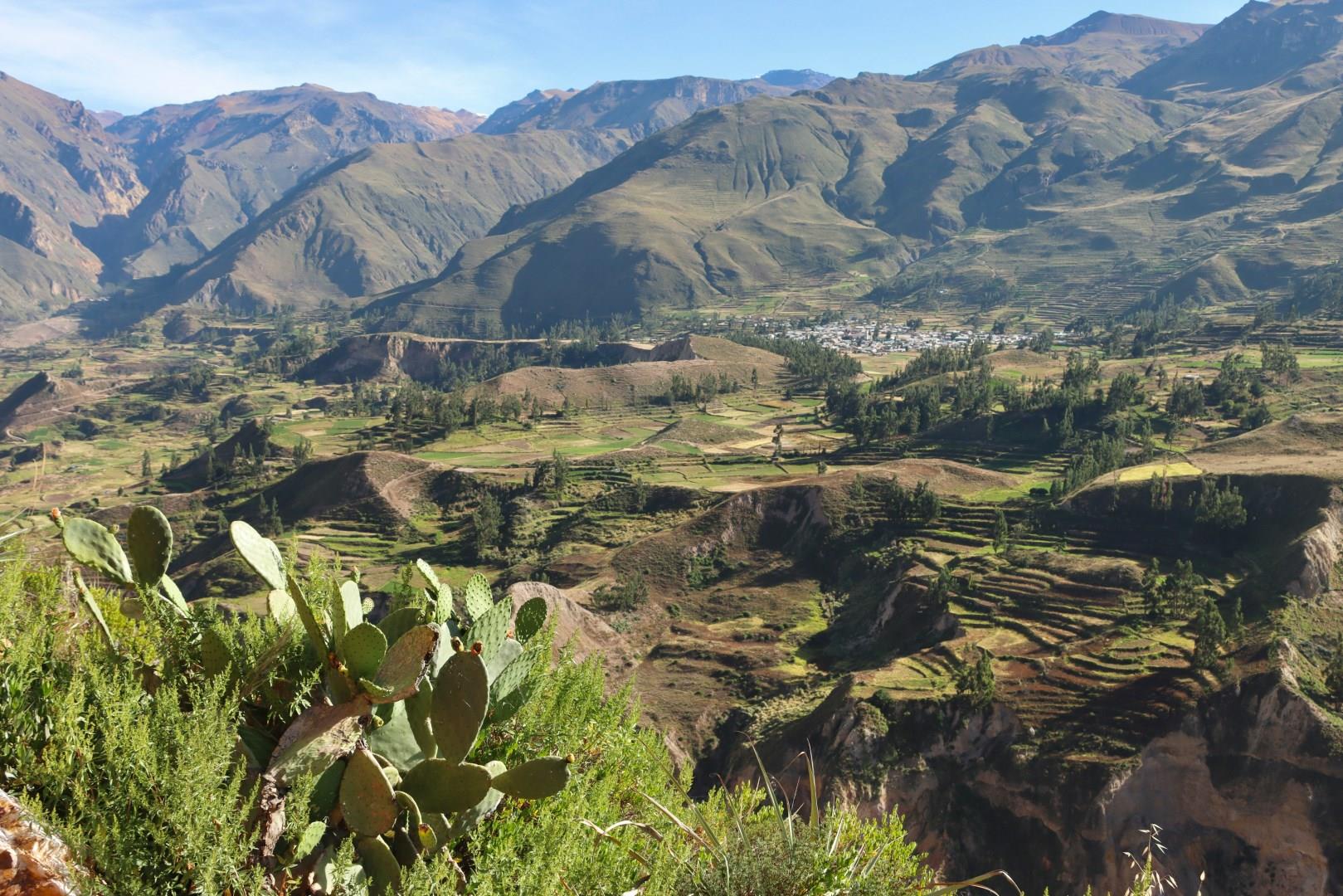
Colca Canyon
Colca Canyon, located in southern Peru’s Arequipa region, is one of the deepest canyons in the world, twice as deep as the Grand Canyon in some areas. What makes it stand out even more is how human settlements have coexisted with the landscape for centuries. Along its walls, pre-Inca agricultural terraces still hold crops like corn and quinoa. One of the main draws of the canyon is the opportunity to see Andean condors in flight.
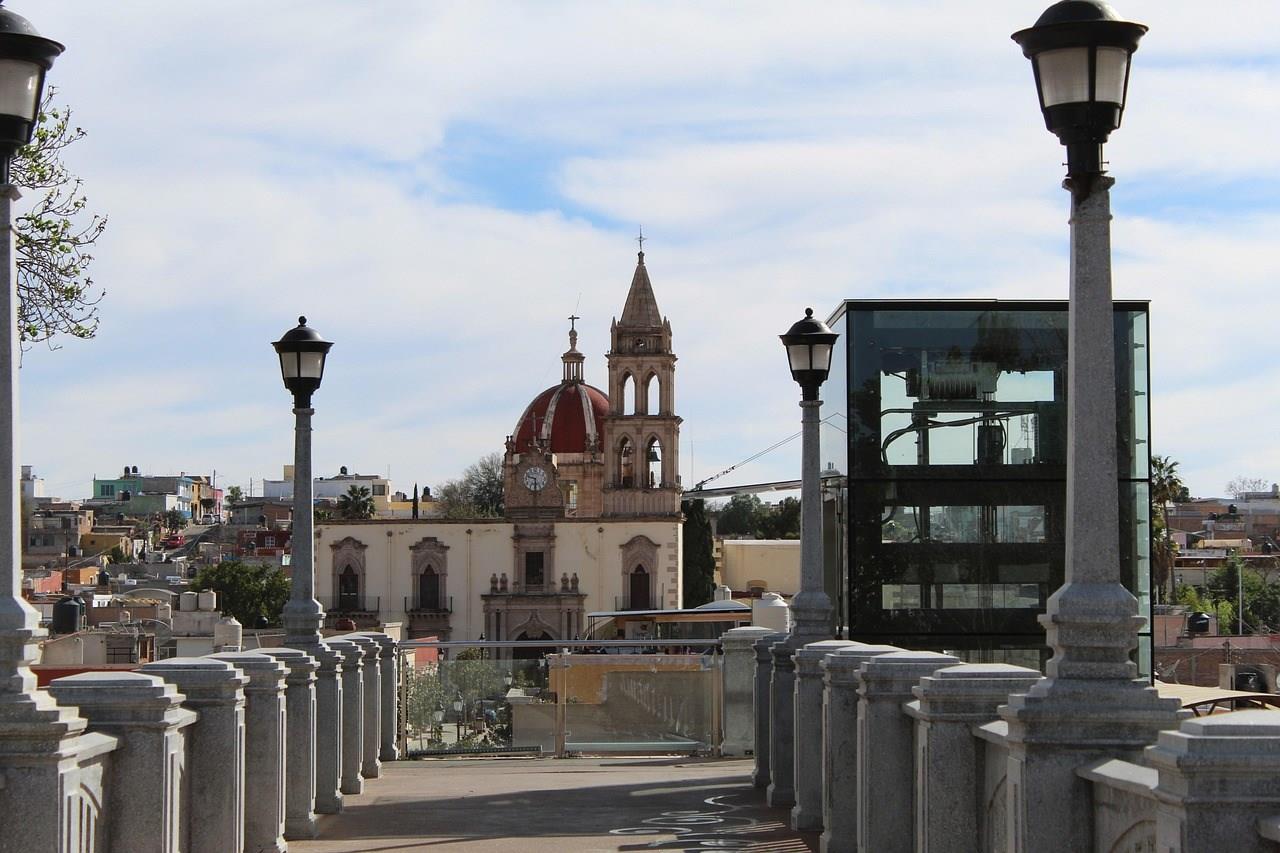
Durango
Victoria de Durango rises on a high plateau Mexico’s Sierra Madre Occidental, founded in 1563 by Francisco de Ibarra. Its streets trace layers of history: the historic center holds the most listed buildings in northern Mexico and remains a notable stop on the Camino Real de Tierra Adentro, now a UNESCO World Heritage route.
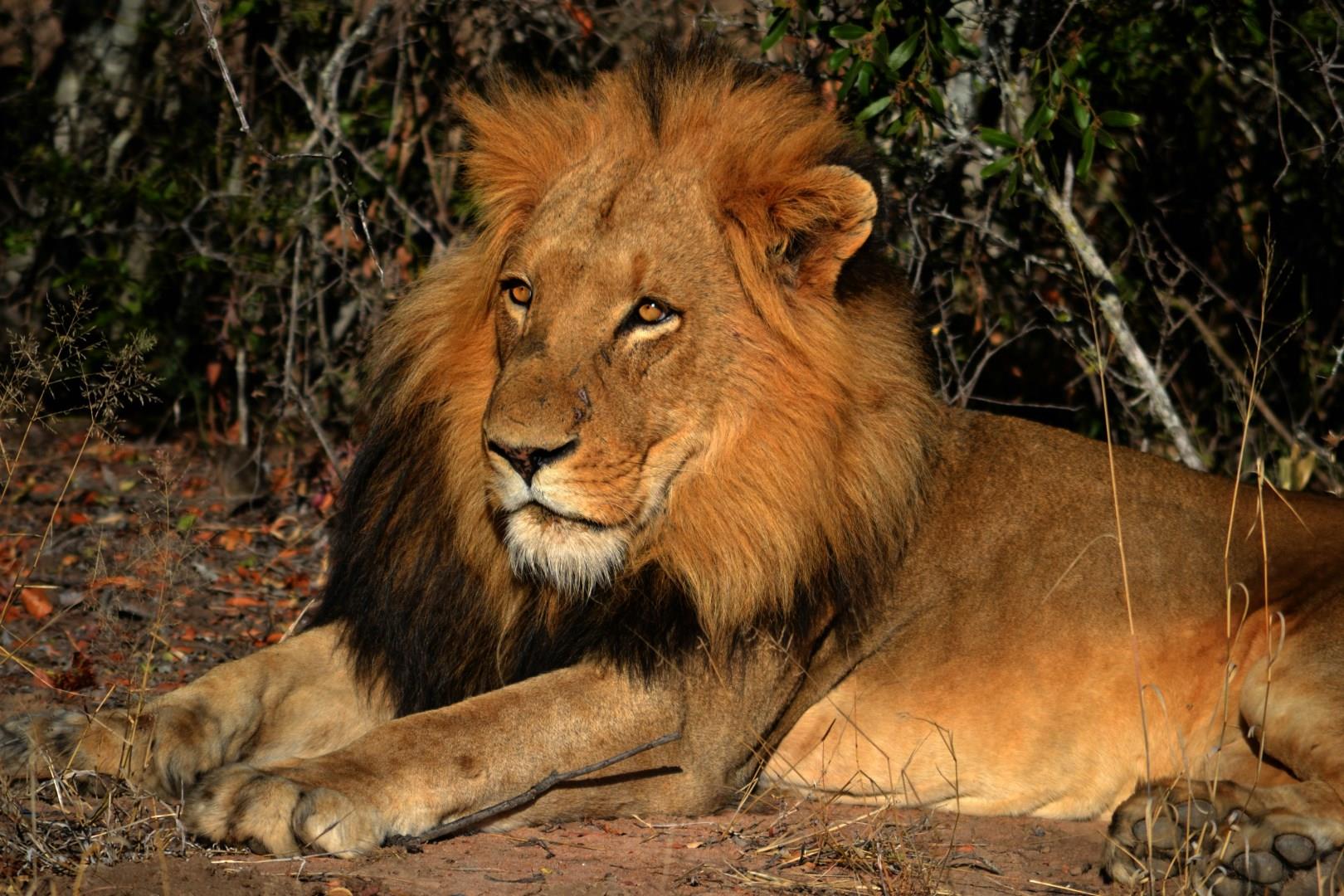
Kapama Private Game Reserve
Kapama Private Game Reserve is a vast wildlife sanctuary located in South Africa’s Limpopo province, bordering the greater Kruger region. Spanning more than 13,000 hectares, the reserve plays an important role in conservation while offering visitors an immersive experience in one of Africa’s most celebrated ecosystems.
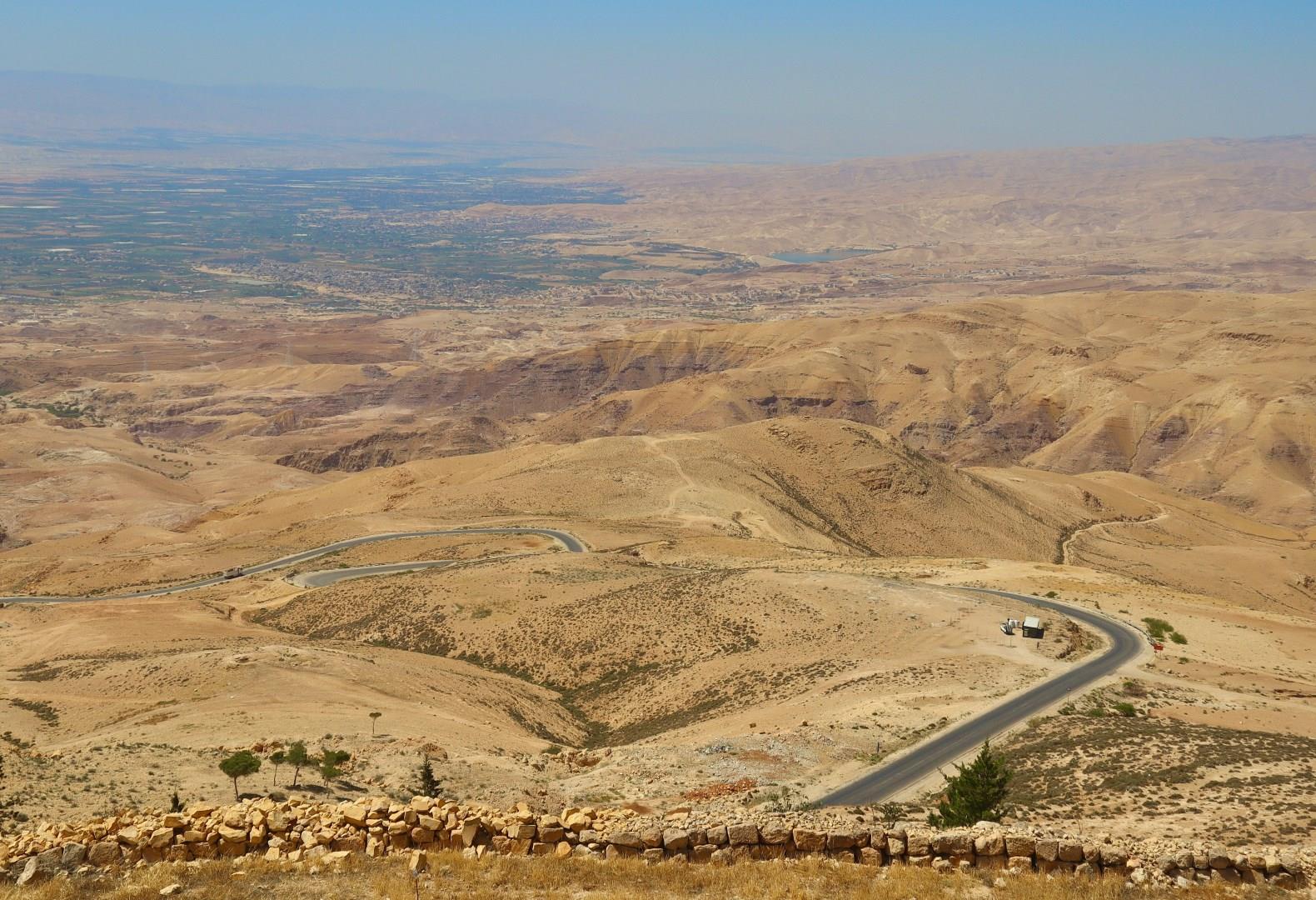
Madaba
Madaba sits on Jordan’s central plateau, known for a long history that stretches from biblical times through the Roman and Byzantine periods.
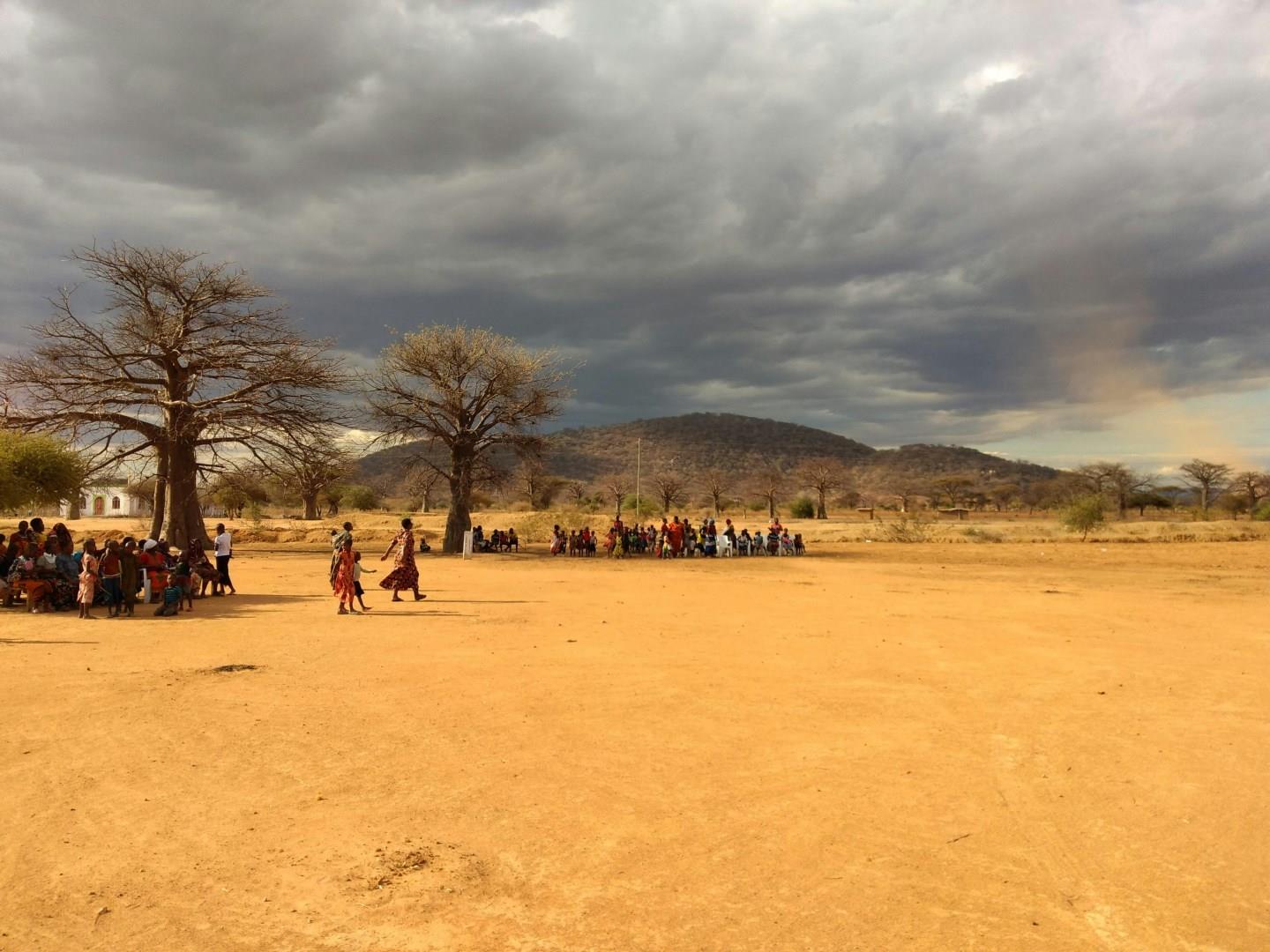
Dodoma
Dodoma, the capital of Tanzania, is a city that sits in the heart of the country, surrounded by rolling hills and semi-arid plains.


