McMurdo Station
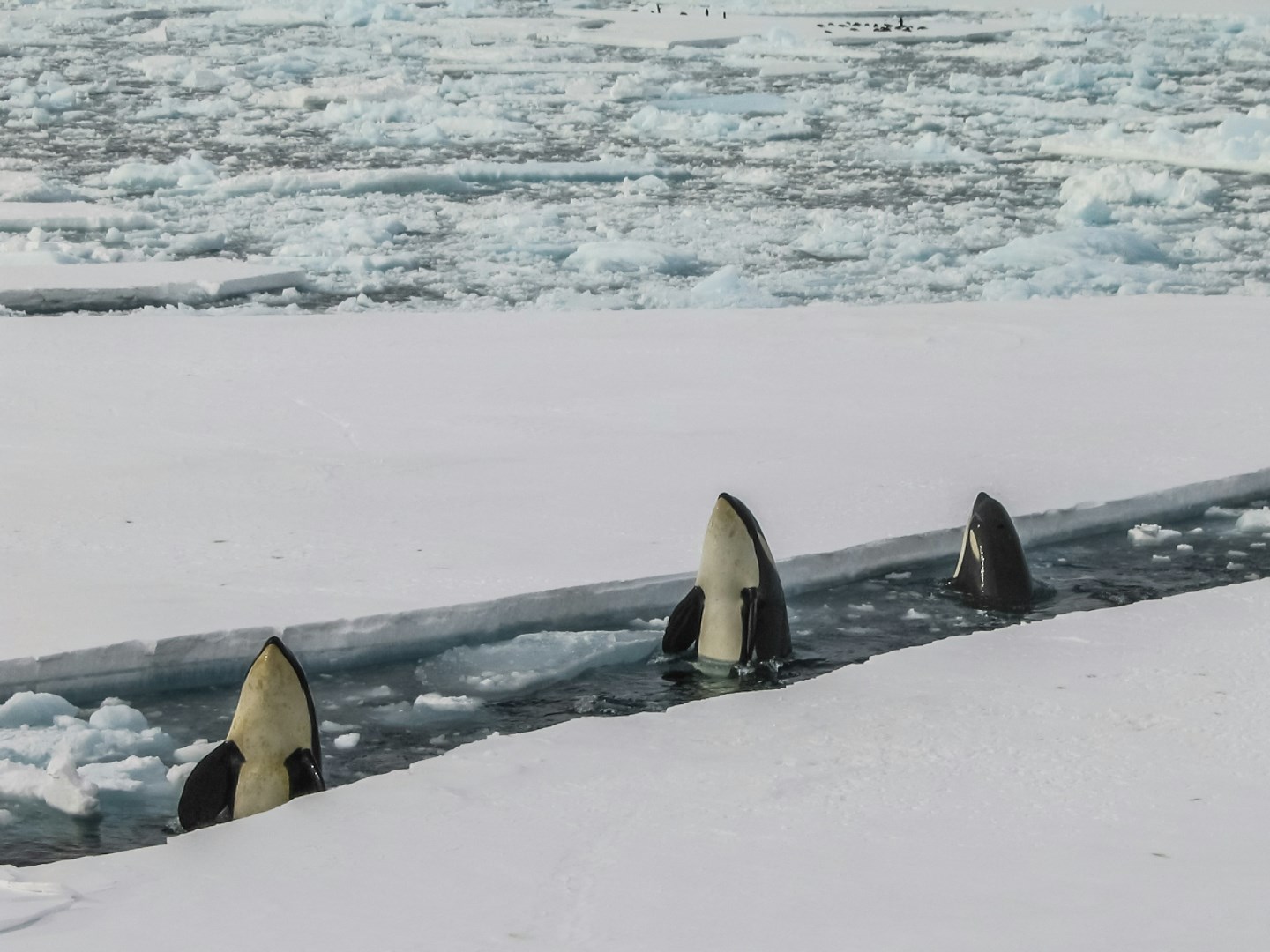
McMurdo is distinctive not only for its scientific role but also for the unusual scale of daily life in Antarctica. The station has a power plant, medical facilities, dining services, workshops, communications systems, and specialized vehicles used to support research in extreme conditions. Nearby Scott Base, operated by New Zealand, provides another important Antarctic research presence on Ross Island. McMurdo also supports flights and overland journeys to remote parts of the continent.
Namche
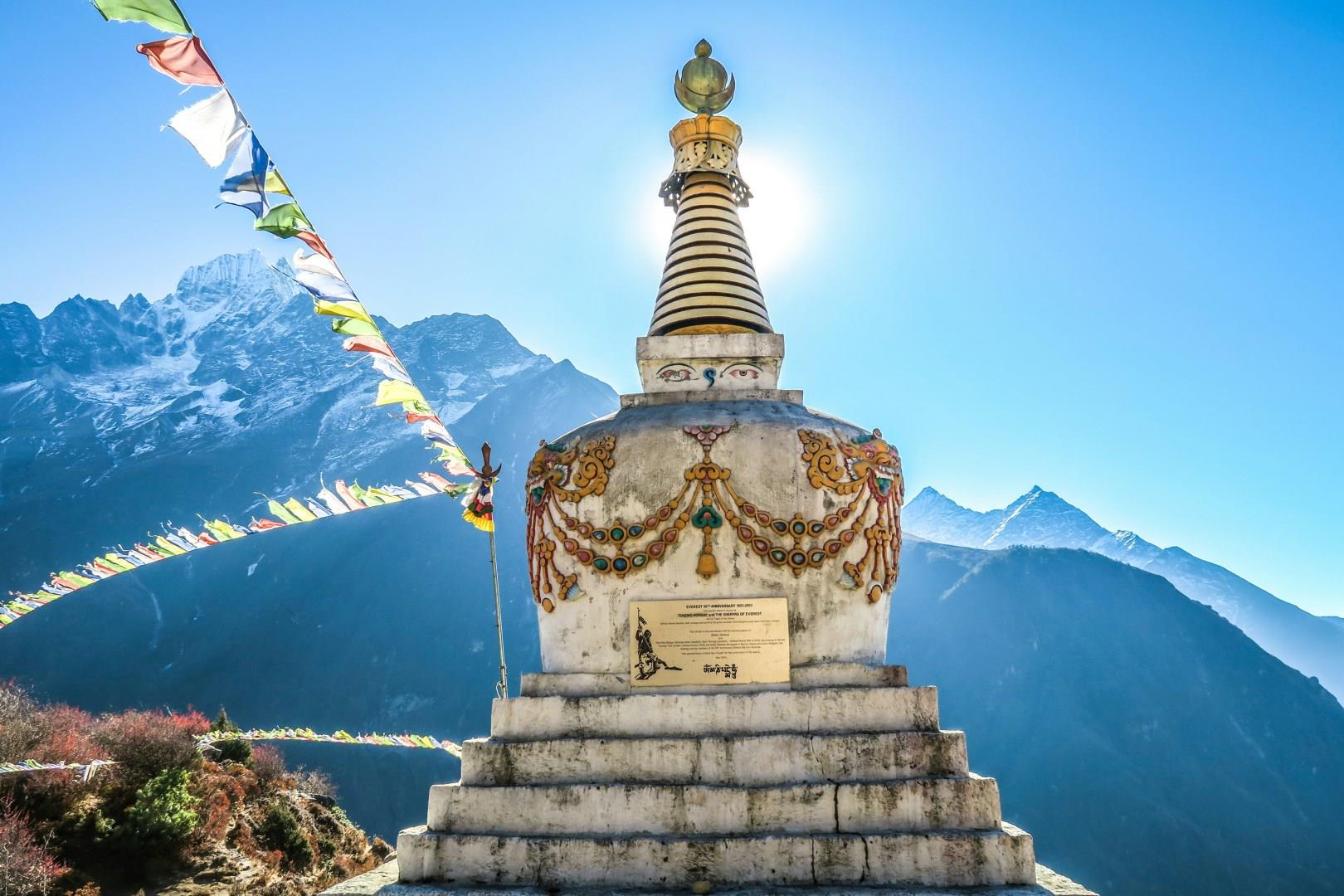
Namche Bazaar, perched at 3,440 meters in the Khumbu region of Nepal, is often called the gateway to Everest, but it’s far more than a rest stop on the way to Base Camp. Once a trading post between Tibetan and Nepali merchants, Namche has developed into a small mountain town where yak caravans and Wi-Fi cafes exist side by side. Despite its remote location, it has a Saturday market that continues to bring traders and trekkers together, just as it did centuries ago.
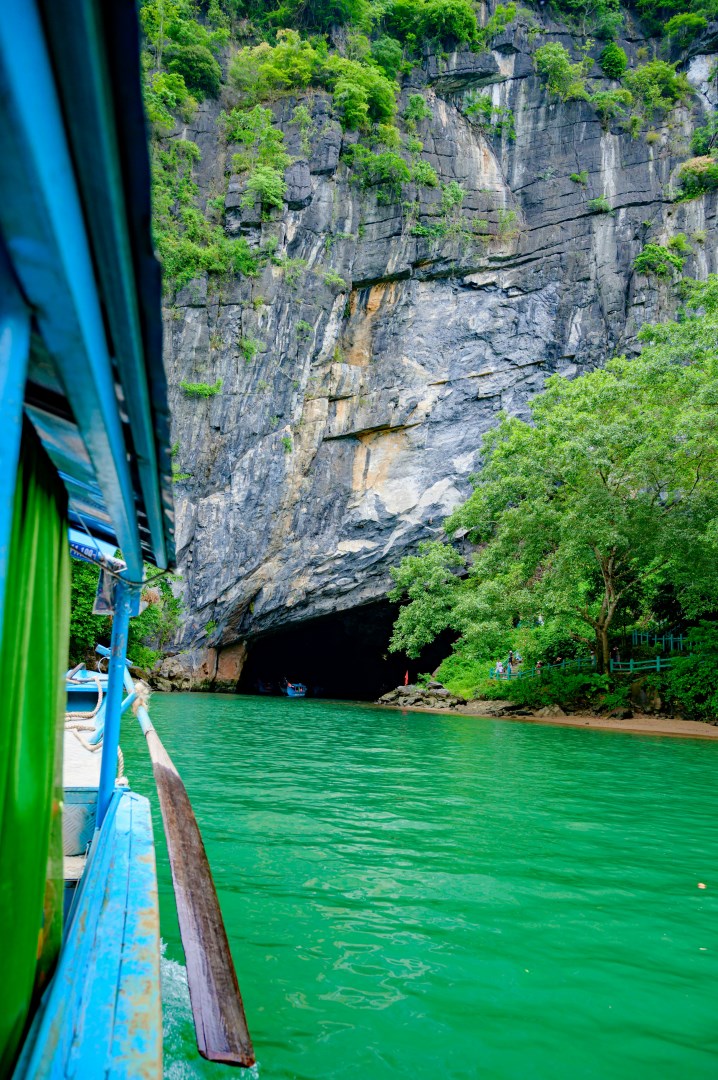
Phong Nha - Ke Bang National Park
Kẻ Bàng National Park lies in central Vietnam, near the border with Laos, and is known for its vast network of limestone mountains and underground rivers. The park forms part of one of the oldest karst landscapes in Asia, shaped over millions of years into a maze of caves, cliffs, and dense forest. Among its most famous features is Sơn Đoòng Cave, recognized as the largest cave on Earth, with sections so vast that clouds can form inside and a jungle grows beneath its collapsed roof.
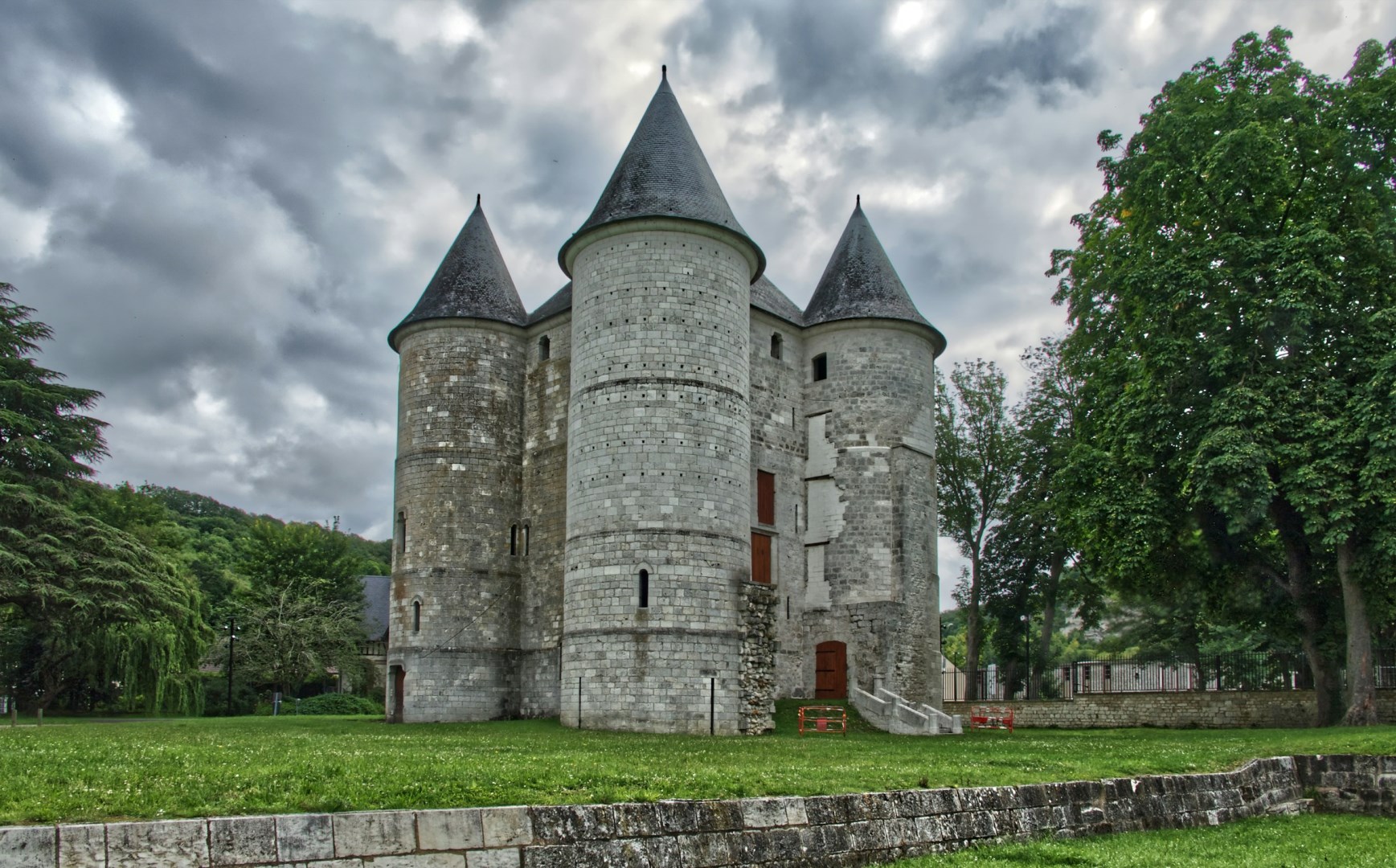
Vernon
Vernon, located in the picturesque Normandy region along the banks of the Seine River, is a charming town that offers a delightful mix of history, culture, and natural beauty.
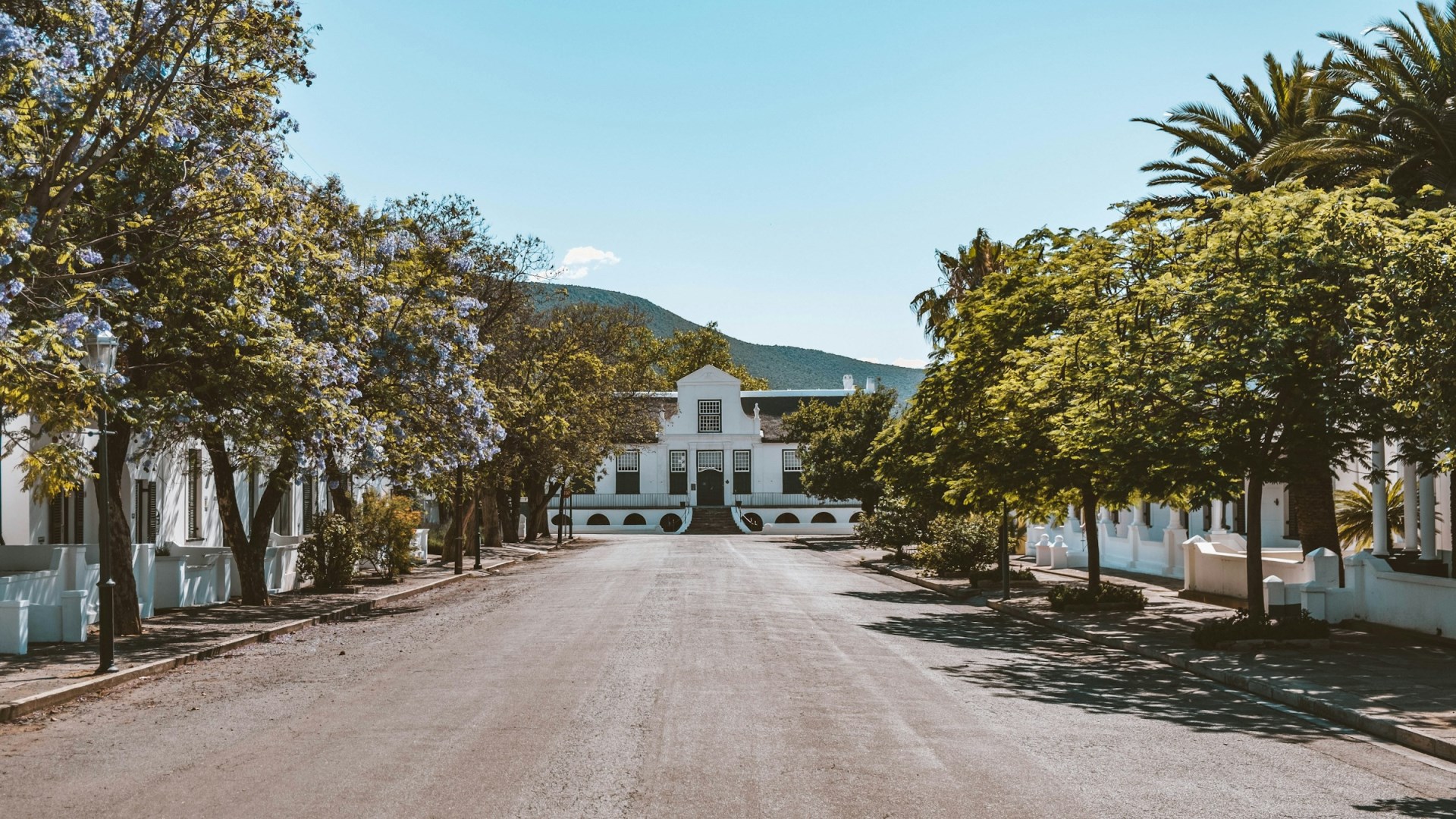
Graaff-Reinet
Graaff-Reinet is a historic town in South Africa’s Eastern Cape, set within a broad bend of the Sundays River in the Great Karoo. It is surrounded by the landscapes of Camdeboo National Park and is known for its collection of well-preserved historic buildings. More than 200 heritage structures are found across the town, many built in distinctive Cape Dutch, Victorian, and Karoo architectural styles.