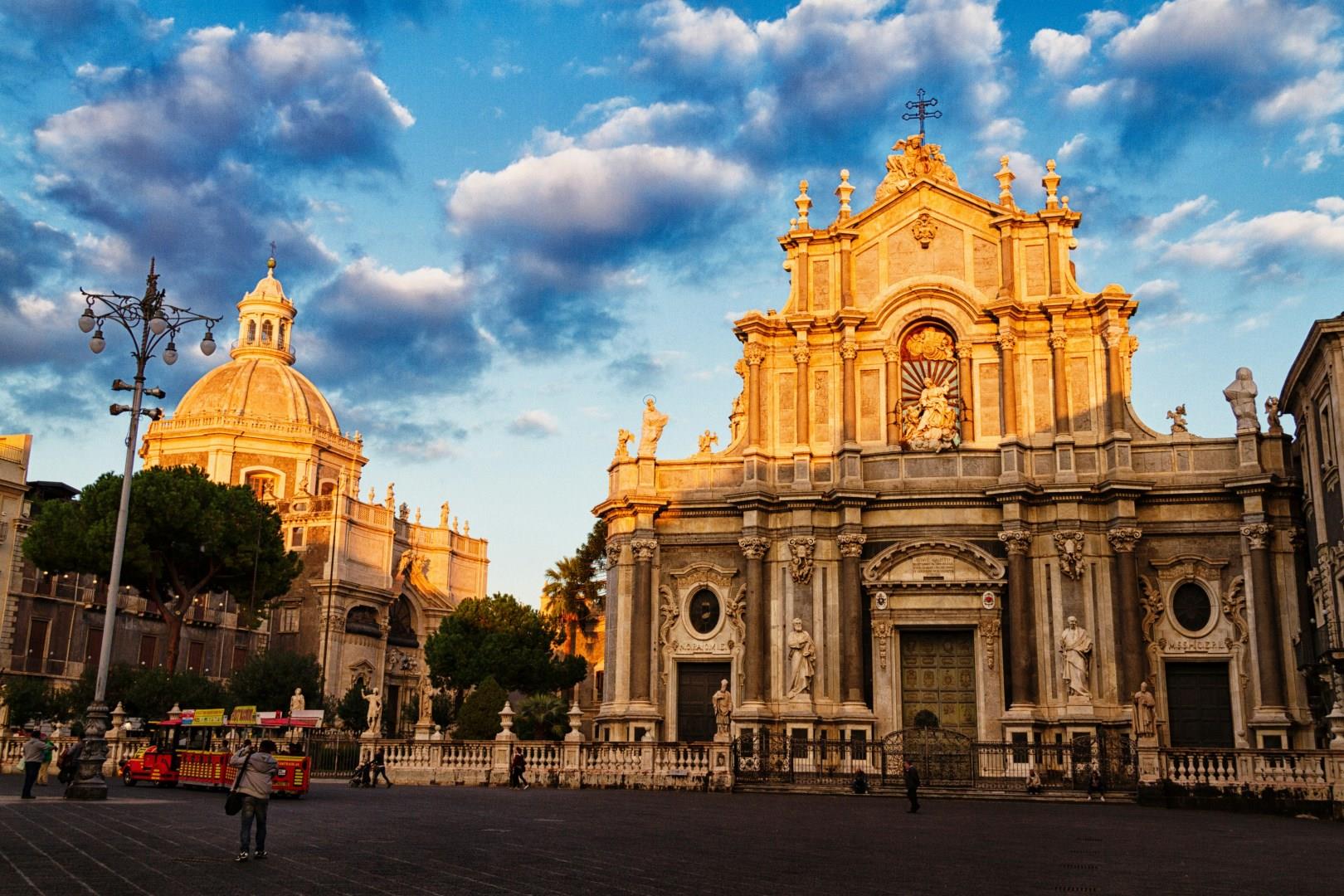
Catania, nestled on the eastern coast of Sicily, is a city shaped by fire and stone. Built from the black lava of Mount Etna, it’s a landscape filled with energy and contrasts from its Baroque palaces to its open air fish markets. At the heart of the city stands the Piazza del Duomo, where the iconic Fontana dell’Elefante, which is carved from volcanic rock, greets every visitor who passes by.
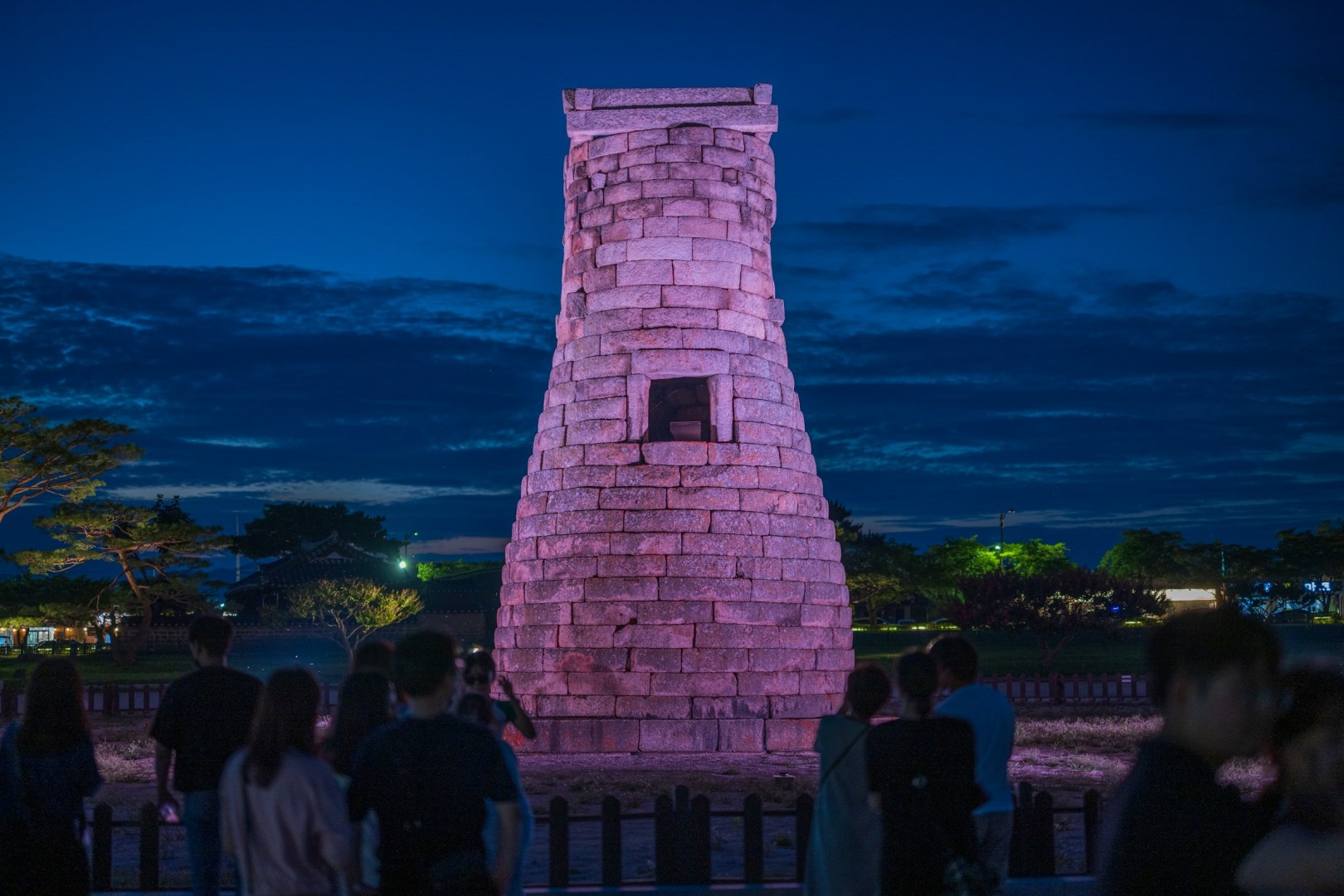
Gyeongju-si is a historic city in southeastern South Korea known for its close connection with the Silla kingdom and its concentration of archaeological sites, temples, royal tombs, and Buddhist monuments. Much of the city’s heritage is spread across open landscapes rather than confined to a single historic center. The Gyeongju Historic Areas include Mount Namsan, the Wolseong area, royal tomb complexes, and the remains of major temples and palaces.
Nestled in the heart of the Andean mountains, Colombia's Coffee Region, or “Eje Cafetero,” is a lush tapestry of rolling hills, fertile valleys, and towering wax palms. This UNESCO World Heritage-listed landscape is more than just the epicenter of Colombia's coffee production—it is an invitation to explore a culture steeped in tradition, warmth, and a deep appreciation for the natural world.
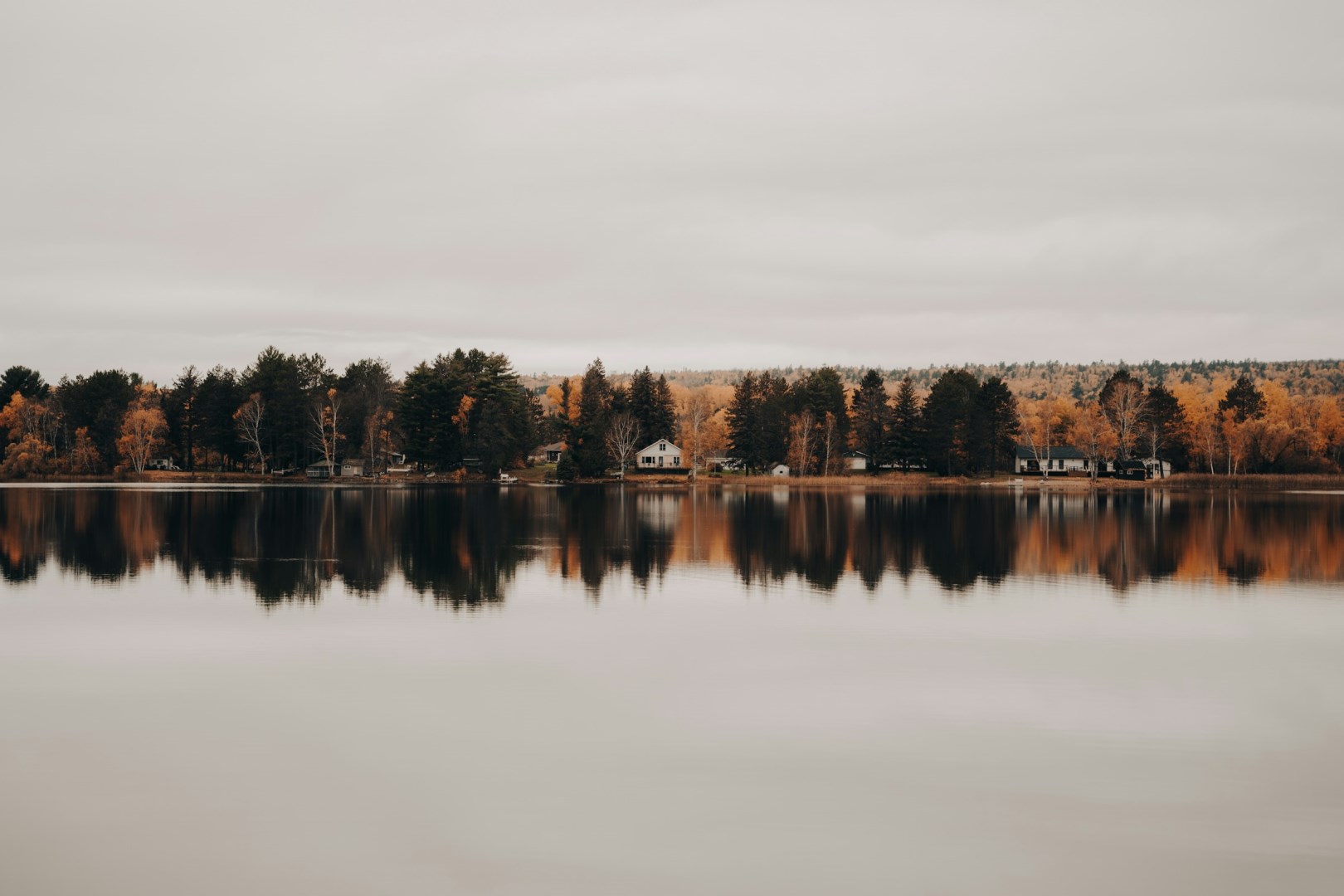
Ely, Minnesota, sits on the edge of the Superior National Forest in the state’s Northwoods, where boreal forest, rocky terrain, and interconnected lakes define the landscape. The community is best known as a major gateway to the Boundary Waters Canoe Area Wilderness, which contains more than one million acres of protected forest and waterways along the Canadian border. Ely itself has a compact downtown with independent shops, galleries, restaurants, and outfitters serving wilderness travelers.
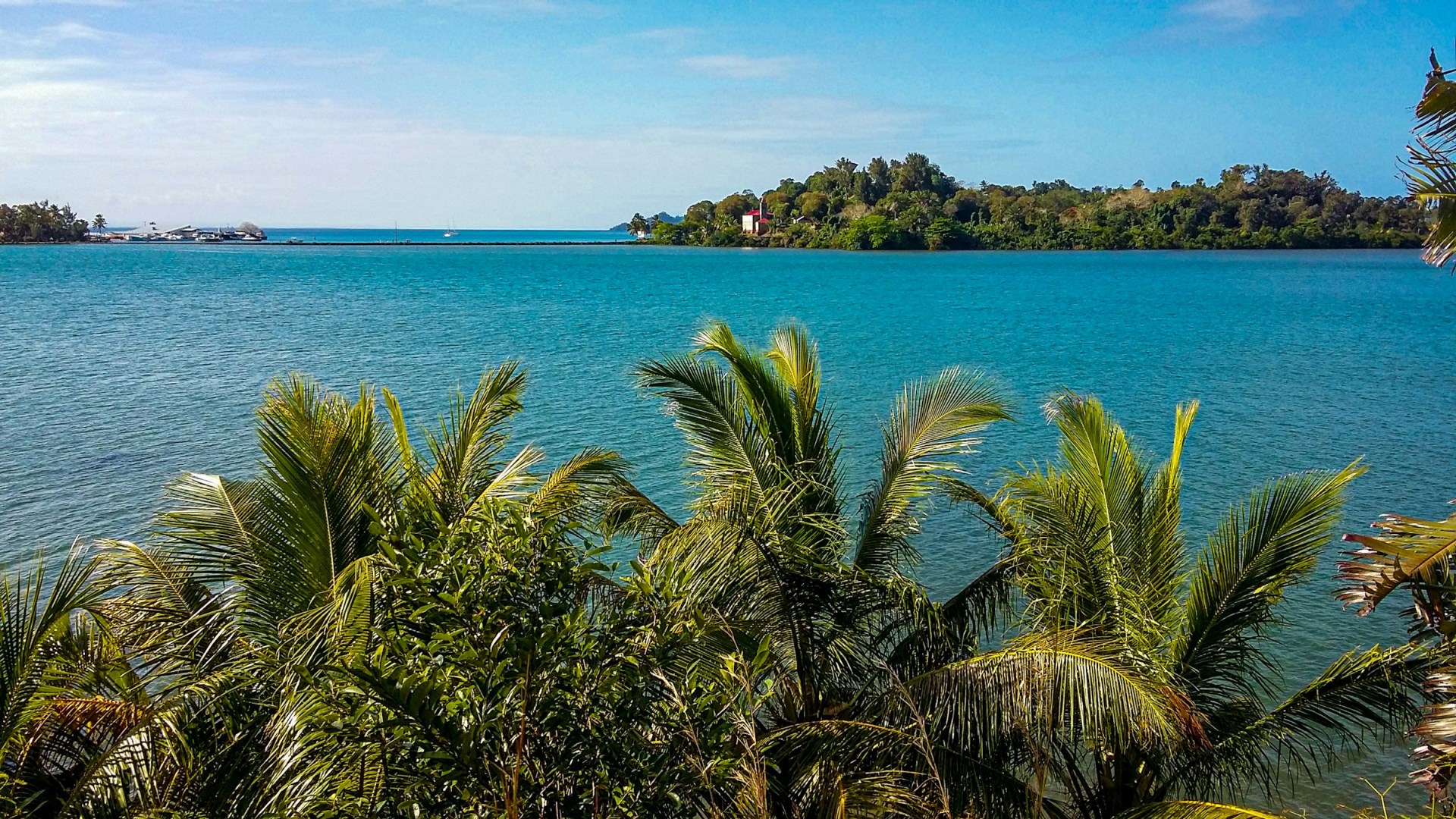
Nosy Boraha, also known as Île Sainte-Marie, is a long, narrow island off Madagascar’s northeastern coast. Its sheltered position in the Indian Ocean gives it a landscape of sandy beaches, coconut palms, lagoons, small bays, and inland forests. The island is separated from mainland Madagascar by a channel that creates relatively calm coastal waters in many areas
Photo Credit: Photo by Sébastien Goldberg on Unsplash
Photo Credit: Photo by Jaime Dantas on Unsplash
Photo Credit: Photo by Dylan Shaw on Unsplash
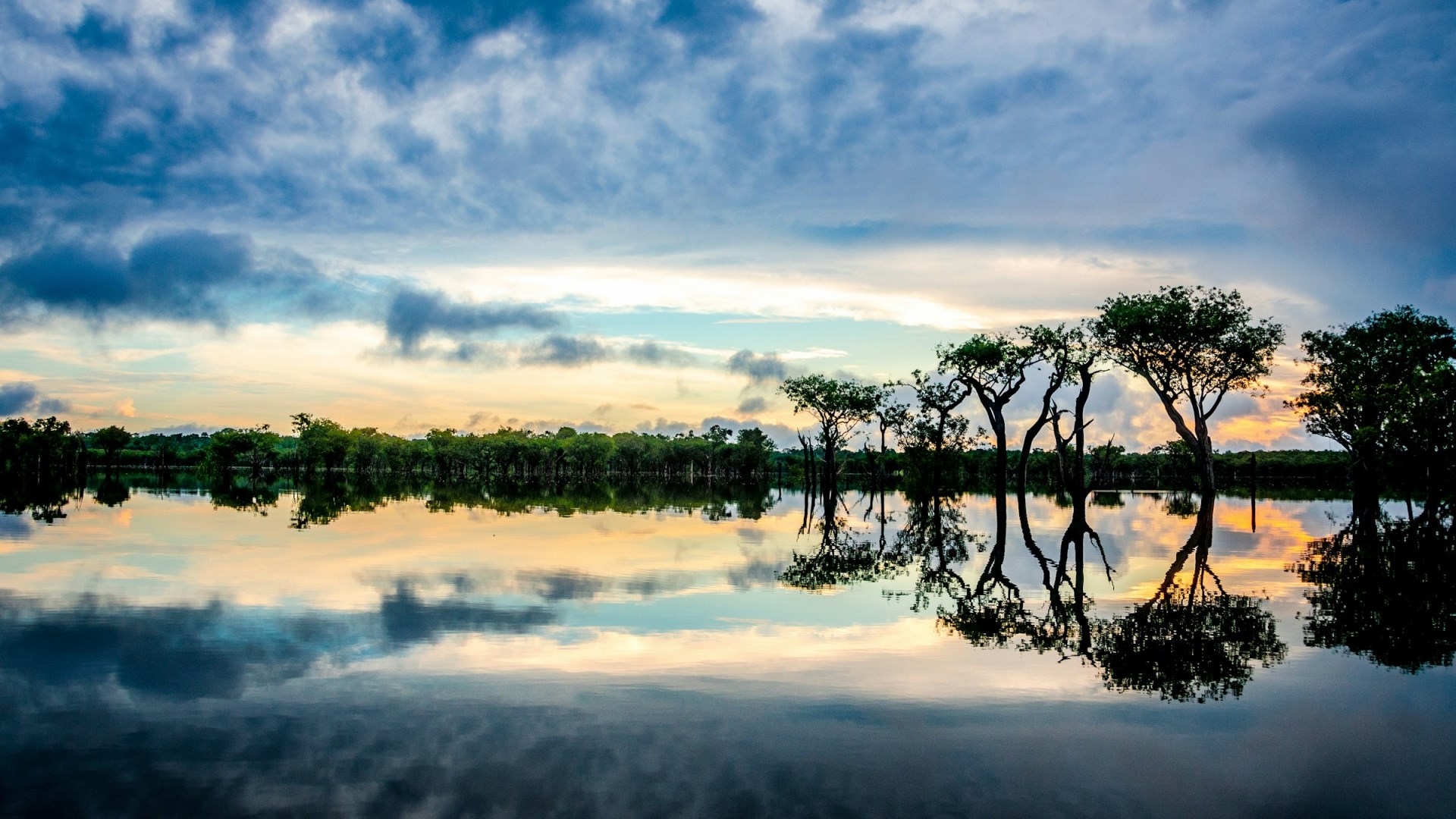
Exploring the Amazon Rainforest in Brazil is like venturing into the heart of a living, breathing world. The Amazon Rainforest, often referred to as the "lungs of the Earth," is a lush, sprawling expanse that teems with extraordinary biodiversity. Located primarily in northern Brazil, this vast jungle covers over 5.5 million square kilometers and is home to an estimated 10% of the known species on the planet.
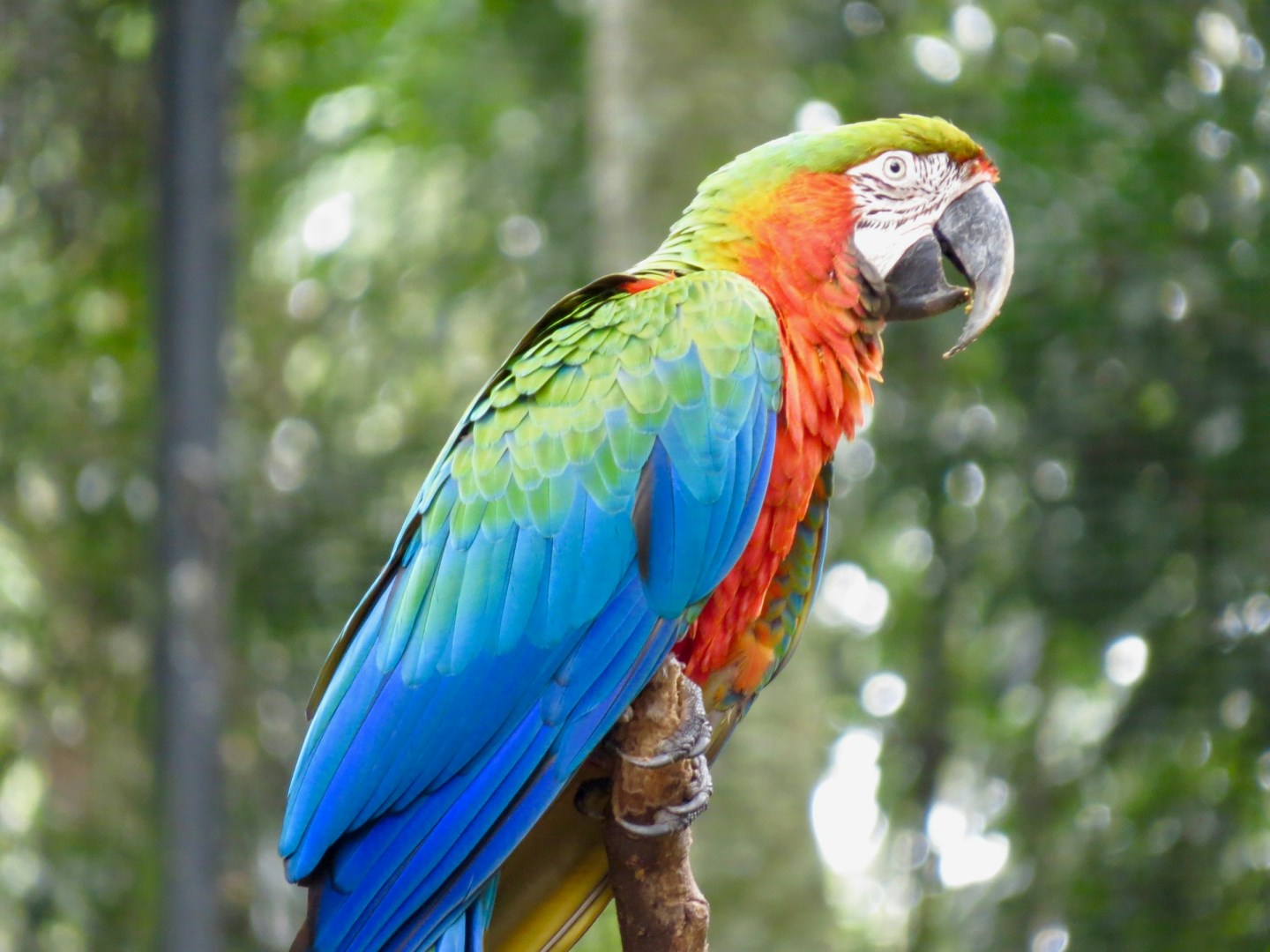
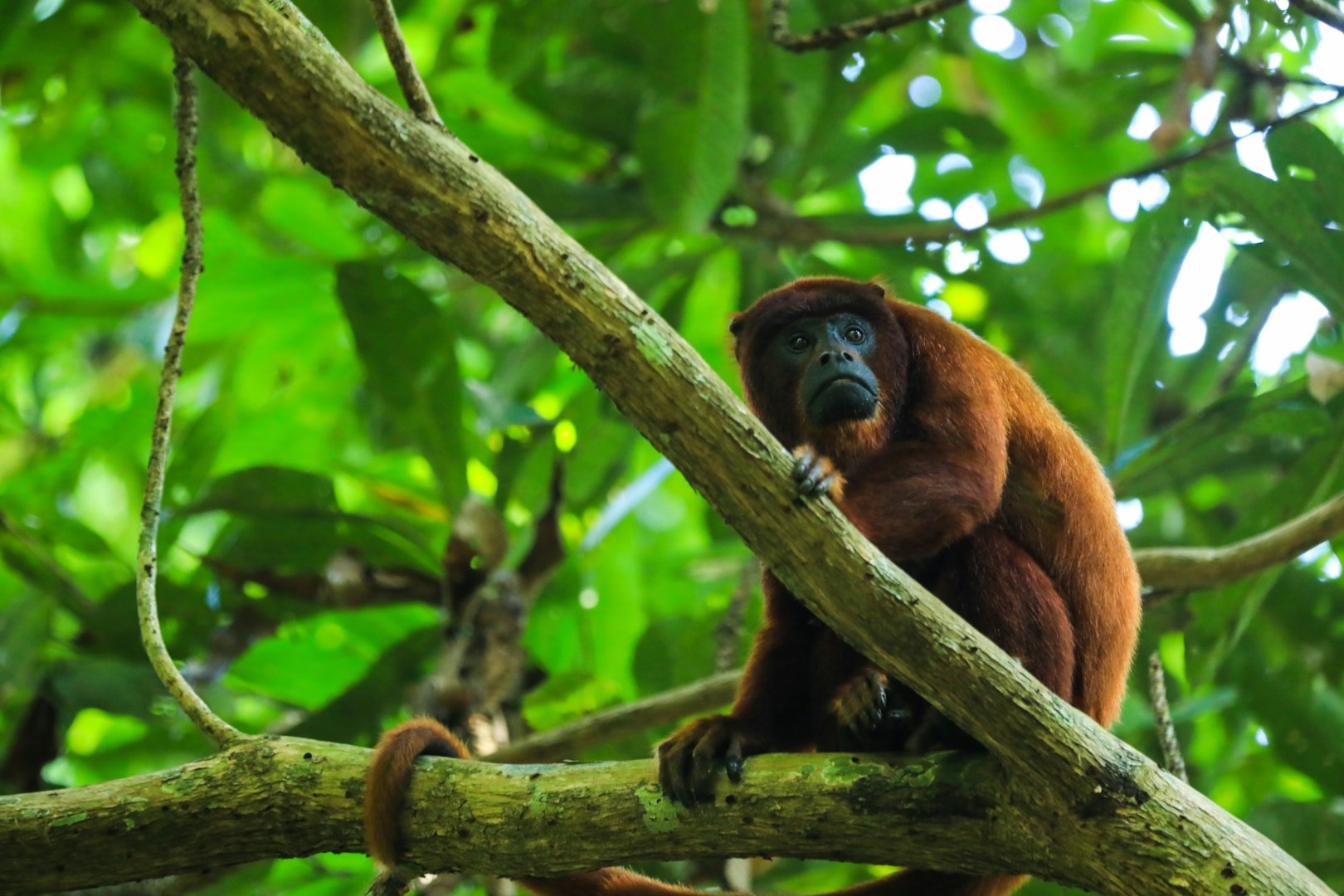
One of the highlights of visiting the Amazon is immersing yourself in its rich ecosystem. From guided boat tours along the meandering Amazon River to treks through dense jungle trails, the region offers unparalleled opportunities for wildlife spotting. Expect to encounter vibrant toucans, elusive jaguars, and playful pink river dolphins. For an in-depth exploration, you might consider a stay at an eco-lodge, where you can experience the forest's serenity while supporting sustainable tourism.
In addition to its natural splendor, the Amazon is a cultural treasure trove. Indigenous communities, such as the Yanomami and Kayapo, live in harmony with their environment and offer visitors unique insights into traditional practices and crafts. Engaging with these communities through responsible tourism initiatives helps preserve their heritage and fosters a deeper understanding of their way of life.
Fun Fact: The Amazon Rainforest is so vast that it influences global weather patterns. Its dense vegetation releases moisture into the atmosphere, which helps regulate the Earth's climate. So, by visiting the Amazon, you're not only experiencing its natural beauty but also contributing to the health of the planet.
Whether you're an adventure seeker or a nature enthusiast, the Amazon Jungle offers an unparalleled journey into one of the world's most vital and vibrant ecosystems.
Other Popular Destinations in Brazil
Rio de Janeiro
Exhilarating Rio de Janeiro, the vibrant South American destination and cultural capital, abounds with iconic landmarks, beaches, and attractions. Christ the Redeemer, the hundred-foot mosaic statue atop Corcovado Mountain, overlooks the glittering coastline and is instantly recognizable, having become an enduring symbol of the city itself. Its arms stretching wide, the prominent figure beckons you to explore this inviting locale.
Iguassu Falls
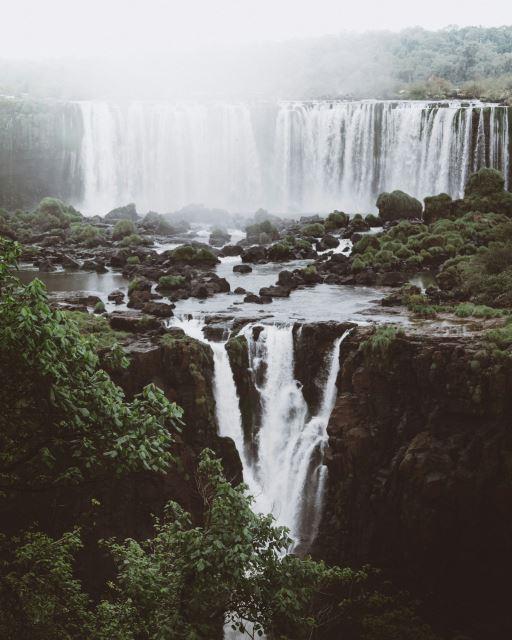
Iguassu Falls, straddling the border between Brazil and Argentina, is a breathtaking natural wonder that captivates visitors with its sheer scale and beauty. This UNESCO World Heritage Site boasts the largest waterfall system in the world, with nearly 275 individual falls cascading over a rugged landscape.