

Catalina Island
Catalina Island, just 22 miles off the Southern California coast, offers a perfect blend of adventure, relaxation, and natural beauty. Known for its crystal-clear waters and Mediterranean-like climate, Catalina is a haven for outdoor enthusiasts and leisure seekers alike. Avalon, the island’s primary town, charms visitors with its colorful architecture, boutique shops, and vibrant waterfront.

Lithuania
Lithuania offers visitors a chance to explore a country where medieval traditions and modern culture meet. Vilnius, the capital, is known for its well-preserved Old Town, a UNESCO World Heritage site filled with winding streets, baroque churches, and cozy squares. Visitors can climb the hill to Gediminas’ Tower for a sweeping view of the city, or visit the Gates of Dawn, an important religious and historical monument that has welcomed travelers for centuries.

Auckland
A veritable paradise on Earth, Auckland combines the best of both worlds – a thrilling urban metropolis surrounded by striking natural areas, sparkling blue water, and colorful wildlife. New Zealand’s cultural and recreational hub, beautiful Auckland has something for everyone.

Bridgetown
Bridgetown, the lively capital of Barbados, is a city where history and Caribbean culture meet on the island’s southwestern coast. Founded in the 17th century, its historic core is recognized as a UNESCO World Heritage Site, with landmarks that reflect both British colonial influence and local heritage.
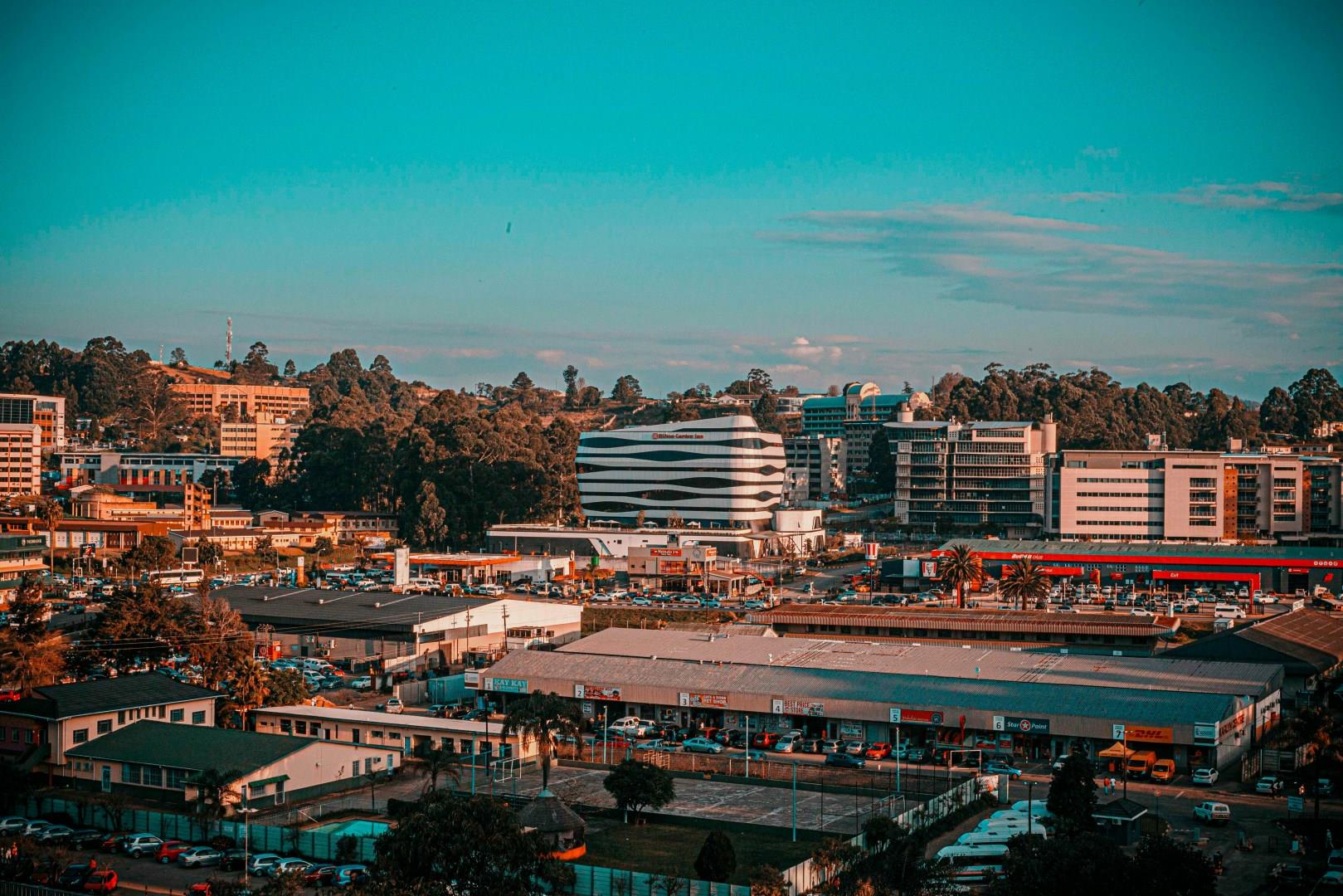
Mbabane
Mbabane, the capital of Eswatini, sits high in the Mdzimba Mountains, offering visitors fresh air, rolling green hills, and a relaxed pace of life.


