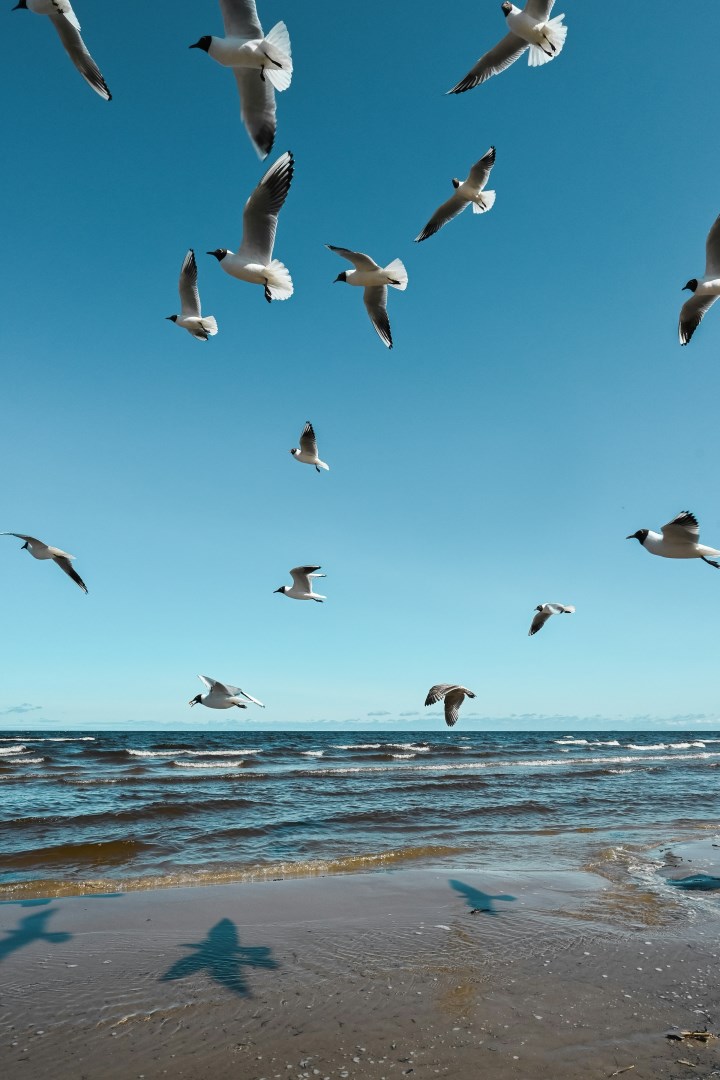
Jurmala
Jūrmala, Latvia’s famed seaside resort, stretches along 33 kilometers of white sandy beaches kissed by the Baltic Sea. Its wooden architecture, featuring colorful villas from the early 20th century, tells the story of its history as a retreat for the well-to-do during the Russian Empire. Visitors strolling the Jomas Street promenade will find a lively atmosphere filled with cafes, boutiques, and galleries, alongside peaceful spots where the sea breeze encourages relaxation.
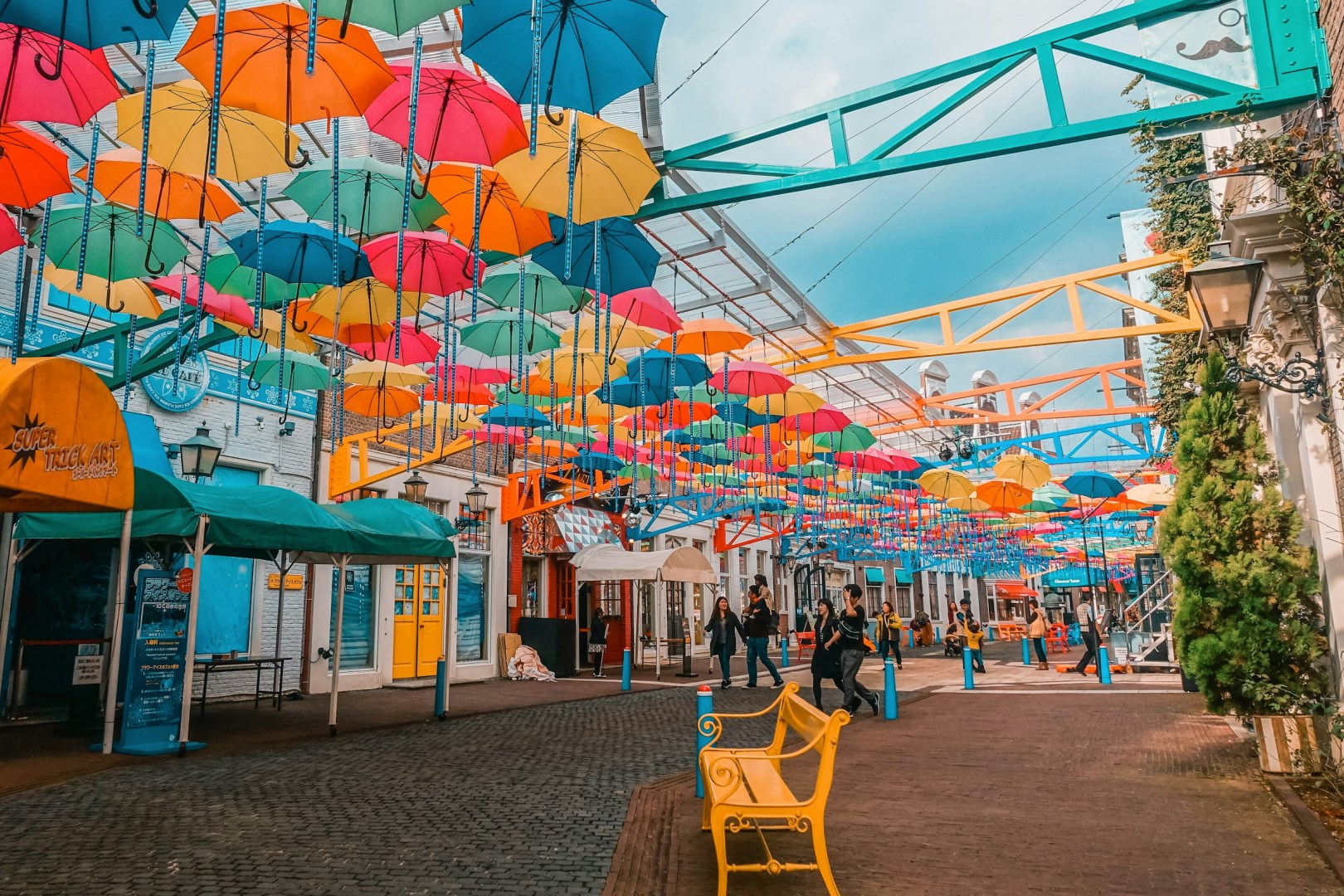
Sasebo
Sasebo is a port city in Nagasaki Prefecture on the northwestern coast of Kyushu, shaped by its sheltered harbor, islands, and long maritime connections. Its identity reflects both Japanese and international influences, with naval facilities, American cultural connections, and a busy waterfront existing alongside traditional neighborhoods. The city is also a gateway to the Kujukushima area, a coastal landscape known for its many small islands and winding shorelines.

Wales
Wales is a country where centuries-old castles rise above green valleys and coastlines are marked by rugged cliffs and quiet coves. Its capital, Cardiff, combines modern architecture with historical landmarks like Cardiff Castle, which has Roman origins and a Victorian Gothic interior. Just outside the city, St Fagans National Museum of History offers a walk-through experience of Welsh life over the past 500 years, with original buildings relocated from across the country.
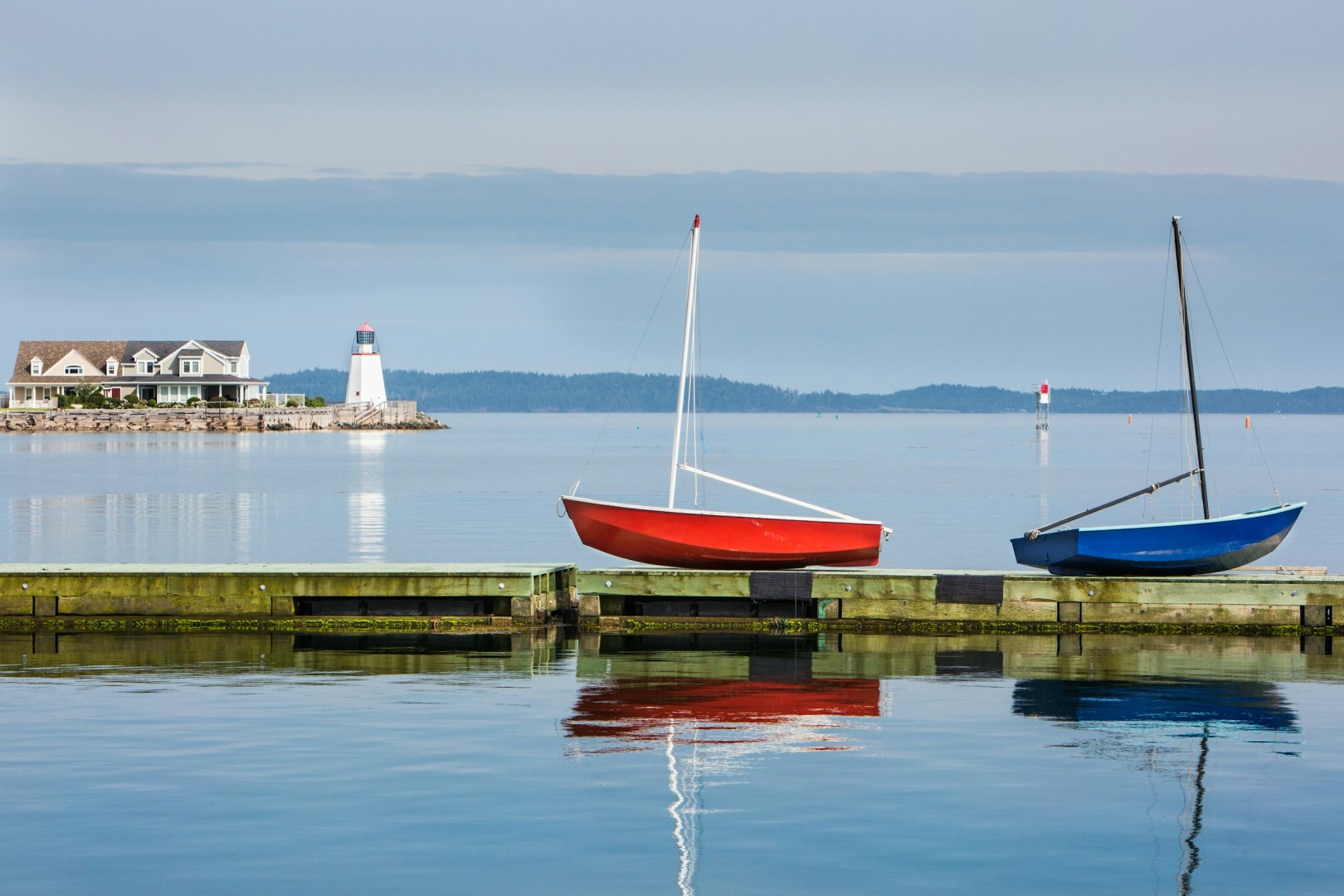
St. Andrews
Surrounded by Passamaquoddy Bay, St. Andrews' relaxed pace can be linked to the rhythm of powerful tides that can rise over 28 feet. The intertidal zone is an ever-changing landscape that nourishes a rich diversity of marine creatures. A guided walk over the tidal flats will prepare you to explore the area's many coves and islands.
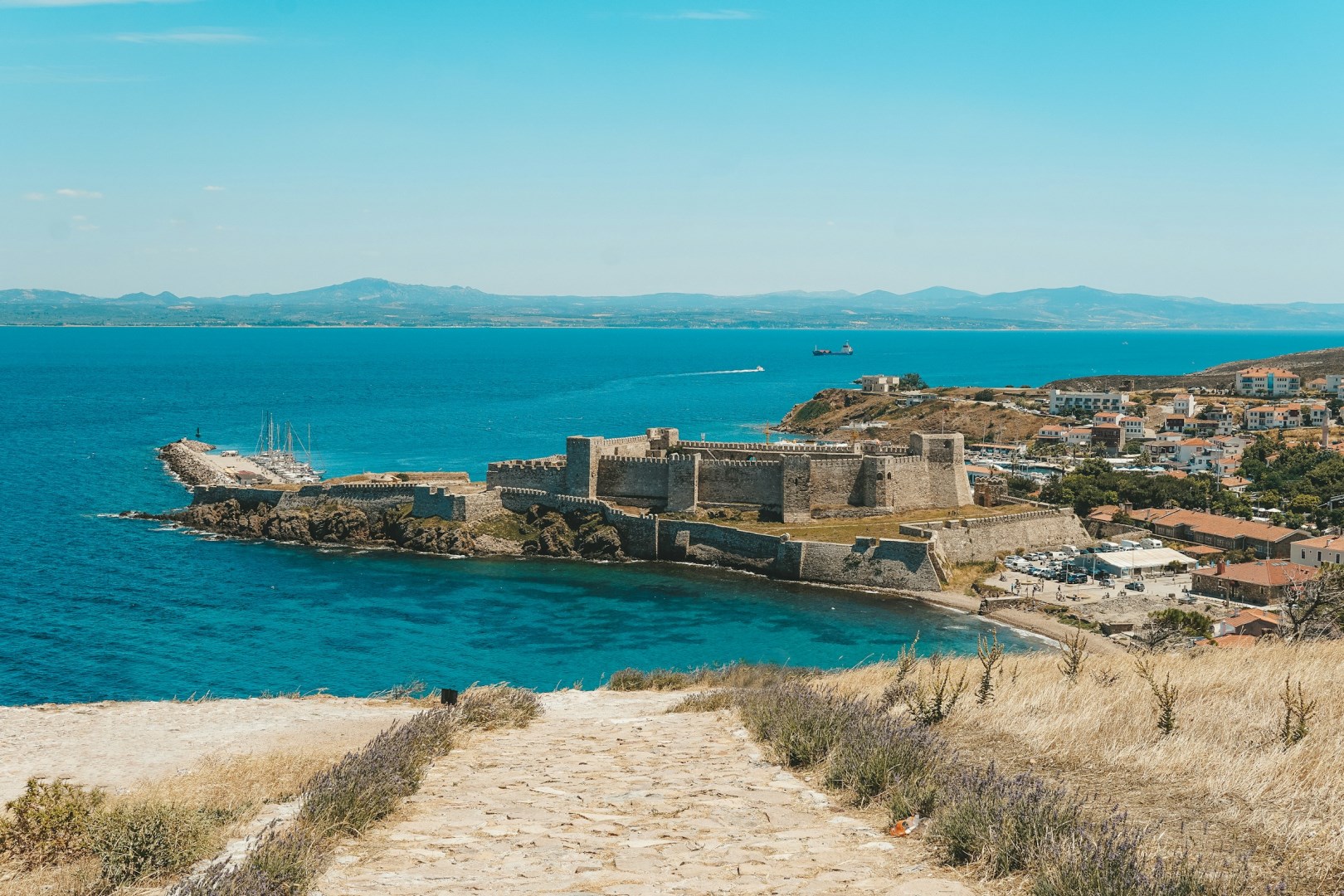
Bozcaada
Bozcaada is a small Turkish island in the northeastern Aegean, off the coast of Çanakkale and near the entrance to the Dardanelles. Formerly known as Tenedos, it is Turkey’s third-largest island and is known for its whitewashed houses, narrow streets, vineyards, and windswept coastline. The harbor is dominated by Bozcaada Castle, while the old town extends behind the waterfront with cafés, shops, and traditional houses.