Karatu, located in northern Tanzania between Lake Manyara and the Ngorongoro Crater, is more than just a stopover for safari-goers. This highland town, surrounded by rolling farmland and volcanic hills, offers travelers a closer look at daily life in the region. The area is home to the Iraqw people, known for their terraced farming, traditional homesteads, and unique language unrelated to most other East African tongues.
Nantes, situated on the banks of the Loire River in western France, is a vibrant city known for its rich history, creative energy, and dynamic cultural scene.
Enchanting Palma is the capital of Mallorca, Spain’s island paradise in the Balearic Sea. This picturesque town boasts historic castles and cathedrals, glittering beaches, and some of the island’s best culinary delights. Don’t let this city’s small size fool you; Palma houses truly magnificent architectural gems that make this island getaway well worth exploring.
The Fish River Canyon in southern Namibia is one of the planet’s most remarkable landforms, stretching across vast terrain in the Richtersveld Transfrontier Park. It is one of Africa’s largest canyons, carved over millions of years by the Fish River as it etched a deep, twisting gorge into the desert plateau. From high viewpoints like Hell’s Bend, visitors can see layers of rock dropping away to reveal ridges and ravines that seem to go on forever, all under wide, open skies.
France’s city of Reims, located in the heart of the Champagne region, is a place where history and celebration meet. Known for its towering cathedral, Reims played a central role in French royal tradition. Nearly every French king was crowned at the Cathedral of Notre-Dame de Reims, a masterpiece of Gothic architecture that still dominates the skyline. The cathedral’s intricate facade and famous stained-glass window continue to draw visitors from around the world.
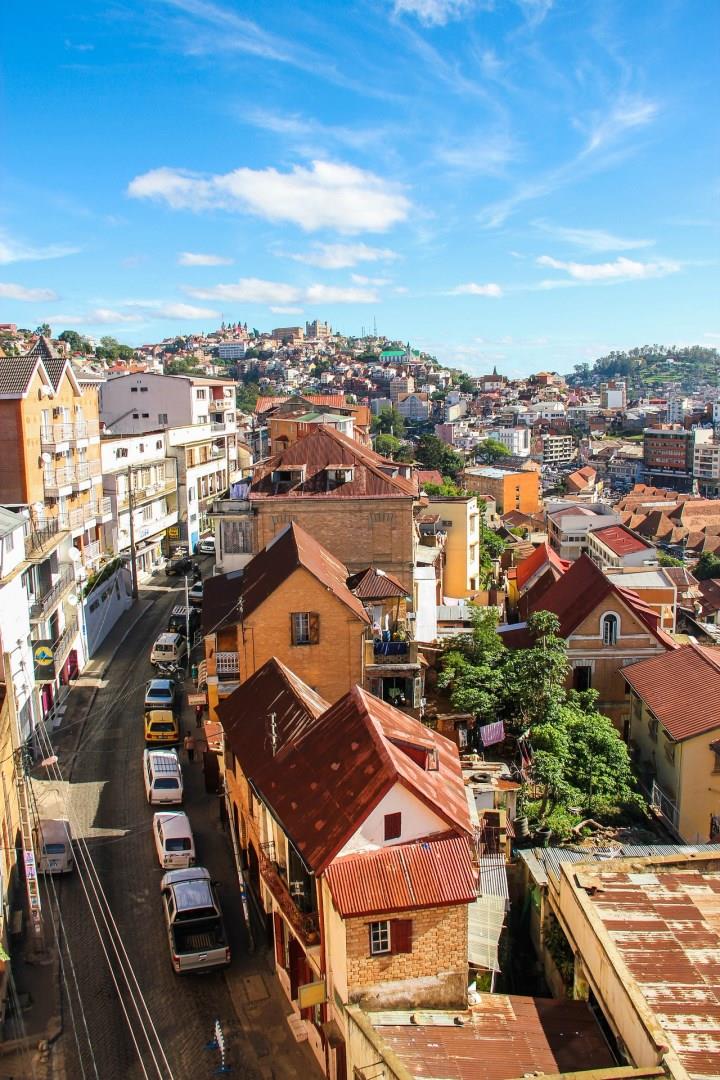
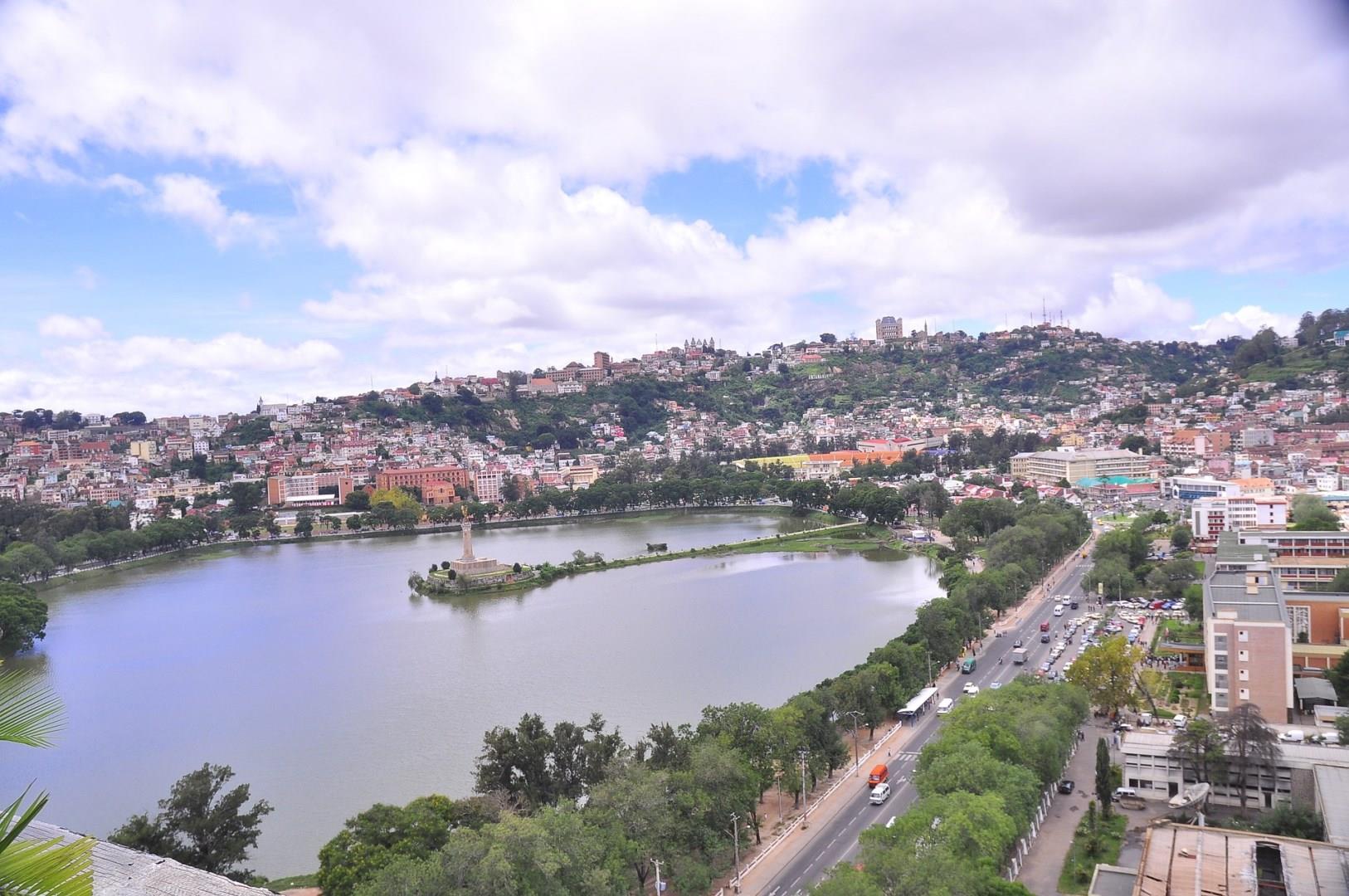
Antananarivo, Madagascar’s vibrant capital, offers a unique blend of cultural richness and historical depth. Perched on a series of hills, the city’s layout is characterized by its steep streets and traditional architecture. The Royal Palace, or Rova of Antananarivo, is a central landmark, offering a glimpse into Madagascar's royal past. Although much of the palace was destroyed by fire in 1995, the site remains a significant cultural and historical monument.
Antananarivo’s markets are bustling with life and offer a feast for the senses. The Analakely Market is a kaleidoscope of colors and sounds where you can sample local street food, buy handcrafted goods, and experience the daily hustle of Malagasy life. For a taste of the city’s colonial past, a stroll through the Avenue of Independence reveals charming buildings and vibrant local cafes
Cultural enthusiasts will enjoy exploring the city’s museums, such as the Musée d'Art et d'Archéologie, which houses a collection of artifacts from Madagascar’s past, including ancient tools and sculptures. The Andafiavaratra Palace, now a museum, was once the residence of Prime Minister Rainilaiarivony and offers insights into the political history of Madagascar.
Fun fact: Antananarivo is named after a 17th-century Merina king, Andrianjaka, who established the city as the center of his kingdom. The name "Antananarivo" translates to "City of a Thousand" or "City of the Thousand," referring to the number of soldiers he maintained in his capital.