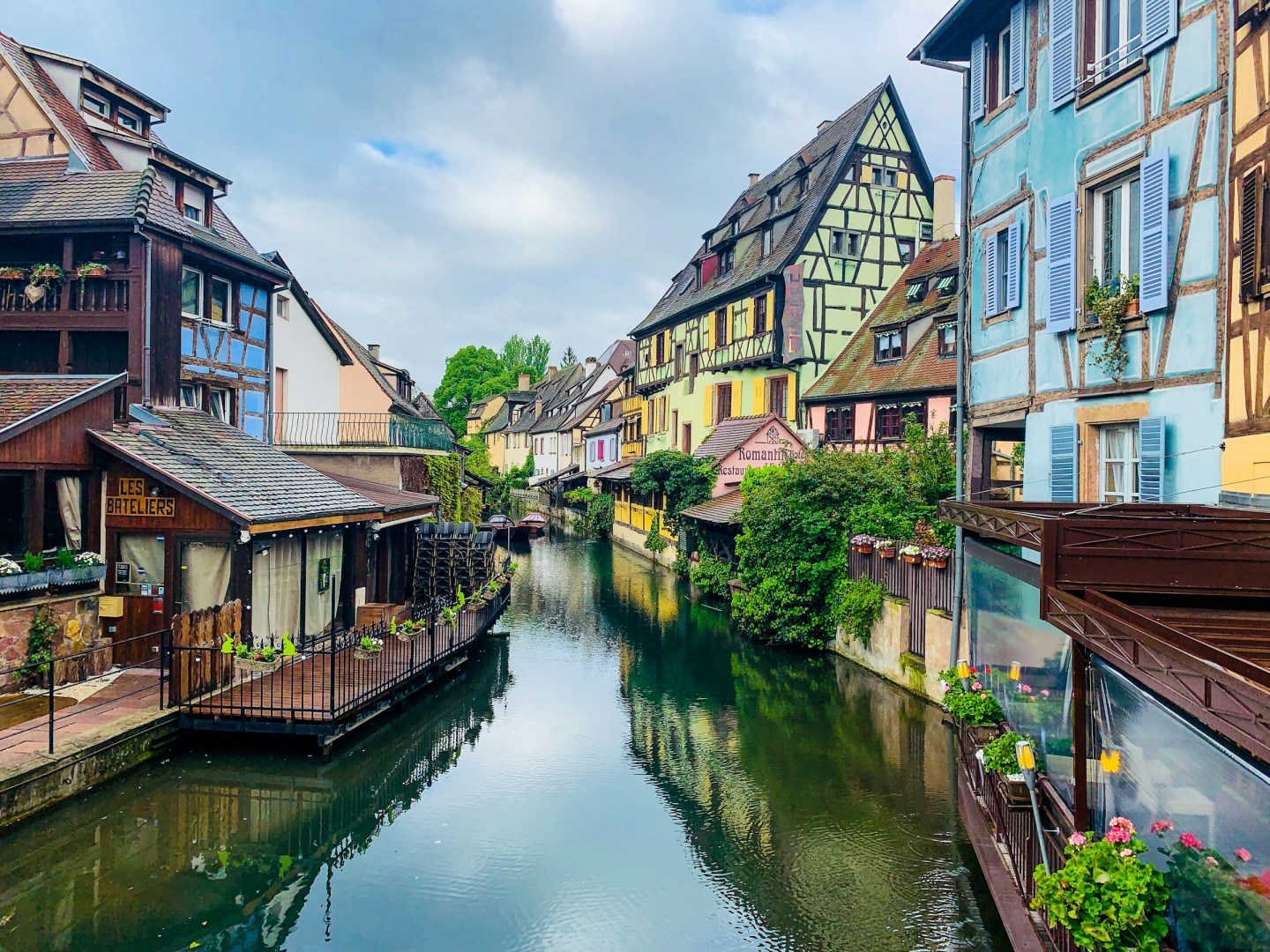
Colmar is a city in Alsace, northeastern France, situated between the Vosges Mountains and the Rhine plain. Its historic centre is known for canals, narrow streets, colourful timber-framed houses, and buildings with carved details that reflect the region's Germanic and French influences. The Lauch River passes through the district known as Little Venice, while the covered market, old customs house, and former merchant houses add to the architectural variety.
With its mix of cultural heritage and access to extraordinary landscapes, Ponta Delgada captures the spirit of the Azores. Whether exploring its historic streets, savoring local cuisine, or embarking on adventures in nature, travelers will find plenty to inspire and delight in this charming city.
The Bimini Islands, the westernmost point of the Bahamas, are a tiny chain of islands steeped in history, legend, and natural wonder. Bimini has long been celebrated as the “Gateway to the Bahamas,” blending fishing traditions, maritime lore, and a laid-back island culture.
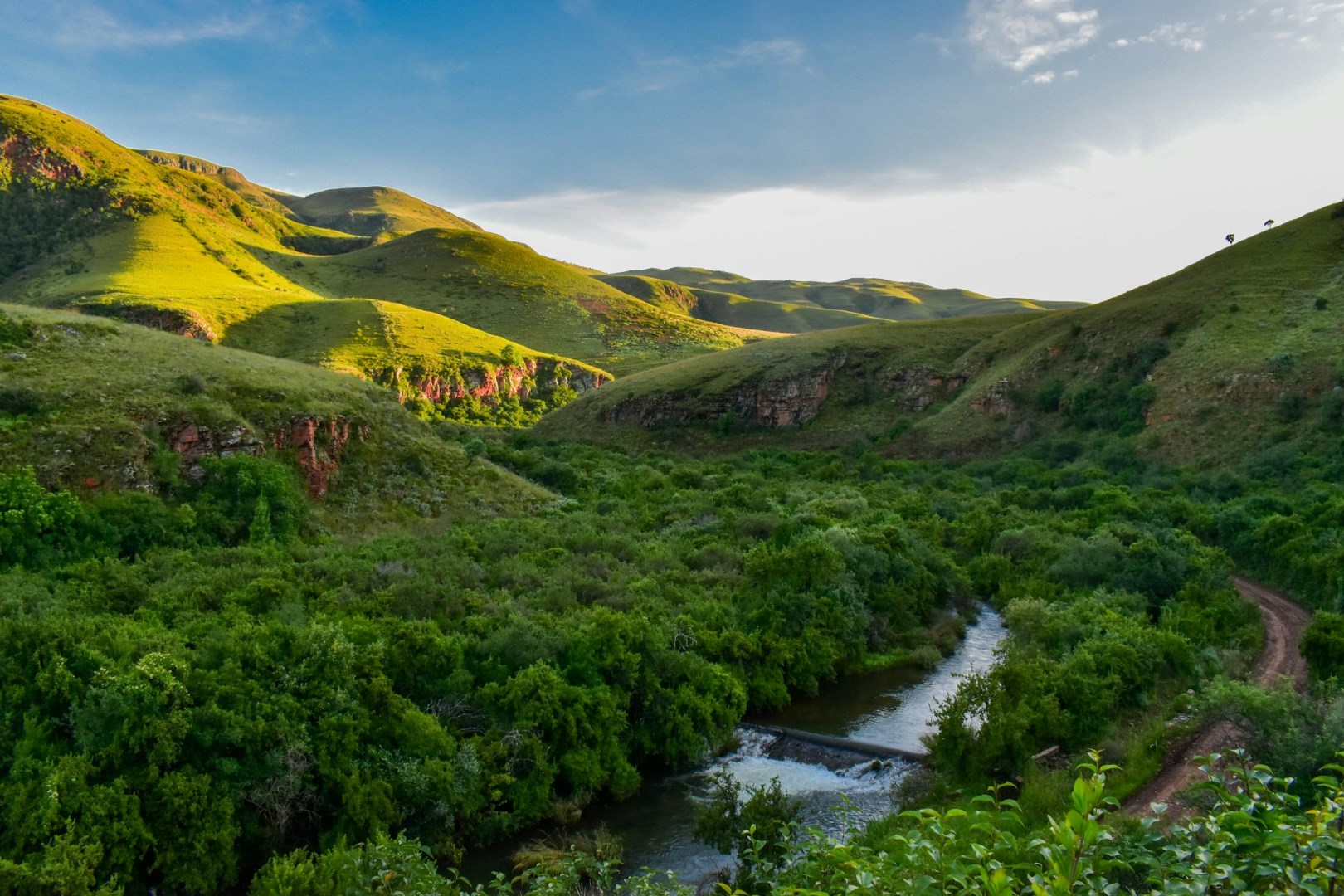
Mpumalanga is a province in northeastern South Africa, stretching from the grass-covered Highveld to the subtropical Lowveld along the border with Mozambique and Eswatini. Its name means “place where the sun rises” in siSwati. The province is known for contrasting landscapes, including the escarpment, mountain forests, rolling grasslands, citrus farms, and wildlife-rich bushveld.
Cartagena is a port city on Spain’s southeastern Mediterranean coast, in the Region of Murcia, where a sheltered harbor is surrounded by hills and historic neighborhoods. Its strategic position has made it an important maritime center for successive civilizations, leaving an unusually rich archaeological and architectural landscape. The modern city combines a busy waterfront with a compact historic center, where Roman remains stand alongside military buildings and modernist architecture.

Photo Credit: Photo by ManuelTheLensman on Unsplash
Photo Credit: Photo by Maria Oswalt on Unsplash
Macon, Georgia, known as the “Heart of Georgia,” offers a blend of historic charm and Southern hospitality. Begin your exploration at the Ocmulgee Mounds National Historical Park, where ancient Native American earthworks provide a glimpse into the rich cultural heritage of the region. The park’s expansive grounds and museum showcase artifacts from the Mississippian period, offering a fascinating look at the early inhabitants of the area.
In downtown Macon, the Cherry Blossom Festival transforms the city each spring into a pink paradise. Held annually in March, this festival celebrates the blooming of thousands of cherry trees and features parades, live music, and cultural events. The city's unique history is further highlighted at the Georgia Sports Hall of Fame, where exhibits celebrate the achievements of Georgia's sports legends, from college football stars to Olympic champions.
Macon’s vibrant arts scene is evident at the Macon Museum of Arts and Sciences, which boasts an eclectic collection of art, natural history exhibits, and a planetarium. Nearby, the historic Hay House offers a peek into 19th-century Southern elegance with its stunning architecture and beautifully preserved interiors.
Fun fact: Macon is also home to the Allman Brothers Band Museum at the Big House, dedicated to the legendary rock band and their early days. This museum provides an in-depth look at the band's history and their influence on the Southern rock genre. With its rich cultural tapestry, Macon offers a diverse and engaging experience for all visitors.
Other Popular Destinations in Georgia
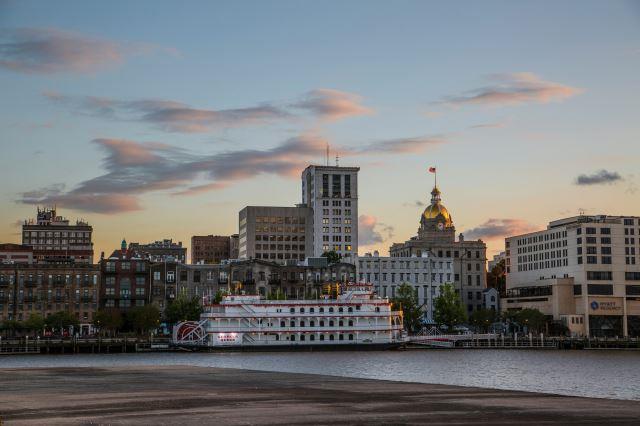
Savannah
Savannah, Georgia, is a city that moves at its own pace, shaded by moss-draped oaks and shaped by centuries of stories. Founded in 1733, it was Georgia’s first city and still wears its history proudly. Visitors walking through the Historic District will find cobblestone streets, hidden gardens, and 22 public squares, each with its own character.
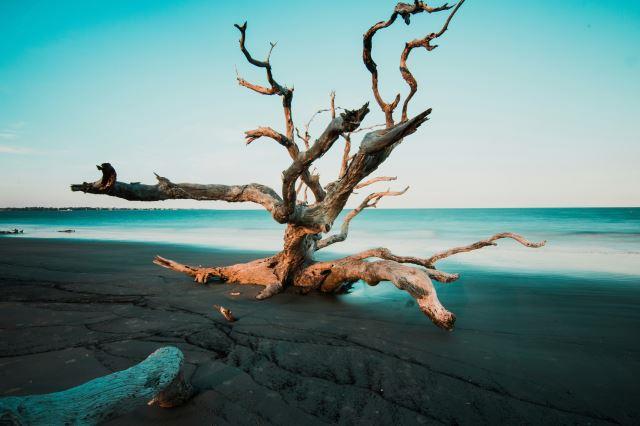
Jekyll Island
Jekyll Island, one of Georgia’s Golden Isles, is a barrier island with a story that stretches from ancient Indigenous cultures to Gilded Age millionaires. Today, it’s a state park carefully preserved for public enjoyment, offering a quiet blend of coastal landscapes, historic landmarks, and outdoor activities. With only a limited number of commercial developments allowed, the island maintains a peaceful, uncrowded atmosphere that’s hard to find on most Southeastern beaches.