
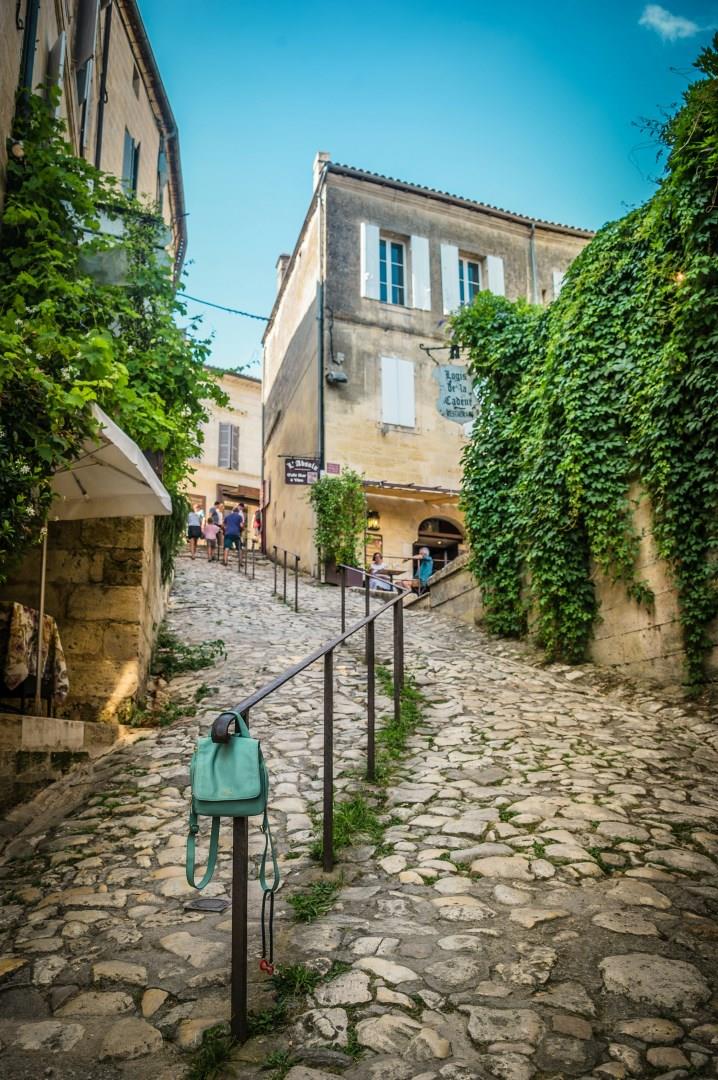
Saint-Émilion
Saint-Émilion, nestled in the heart of southwest France, is a living monument to centuries of craftsmanship, faith, and wine-making. Recognized as a UNESCO World Heritage Site since 1999, this medieval town sits on a limestone plateau surrounded by vineyards that date back to Roman times. Visitors can explore cobbled streets that wind past centuries-old stone houses, descend into underground catacombs carved by monks, and visit the astonishing Monolithic Church.

Troy
Troy, a place of legends and a place of history. One of the most famous cities of ancient history, the mythological city of Troy dates back to the early Bronze Age. Best known as the famous city of Helen and the horse of Trojans from Homer's Iliad.

Bologna
Bologna, Italy, is a city that effortlessly weaves together rich history, vibrant culture, and renowned gastronomy, making it an irresistible destination for travelers seeking an authentic Italian experience. Often referred to as "La Dotta, La Grassa, La Rossa" (The Learned, The Fat, The Red), Bologna proudly wears these nicknames that highlight its academic prestige, culinary heritage, and distinctive terracotta-colored architecture.
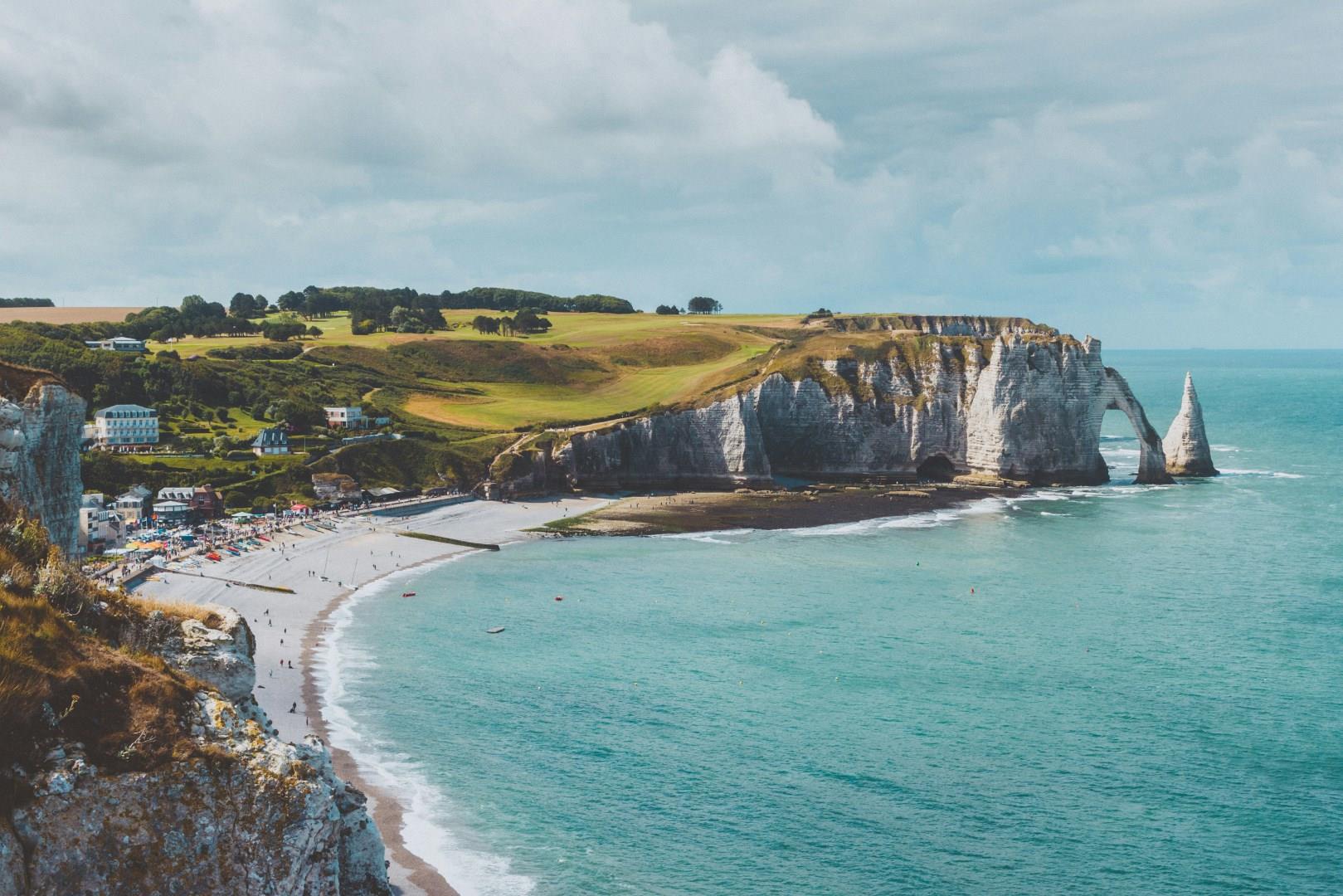
Étretat
Étretat, a small coastal town in Normandy, France, is celebrated for its dramatic white chalk cliffs and natural rock arches that rise strikingly above the English Channel.

Liechtenstein
Liechtenstein is located in central Europe and is one of the smallest independent states in the world.


