
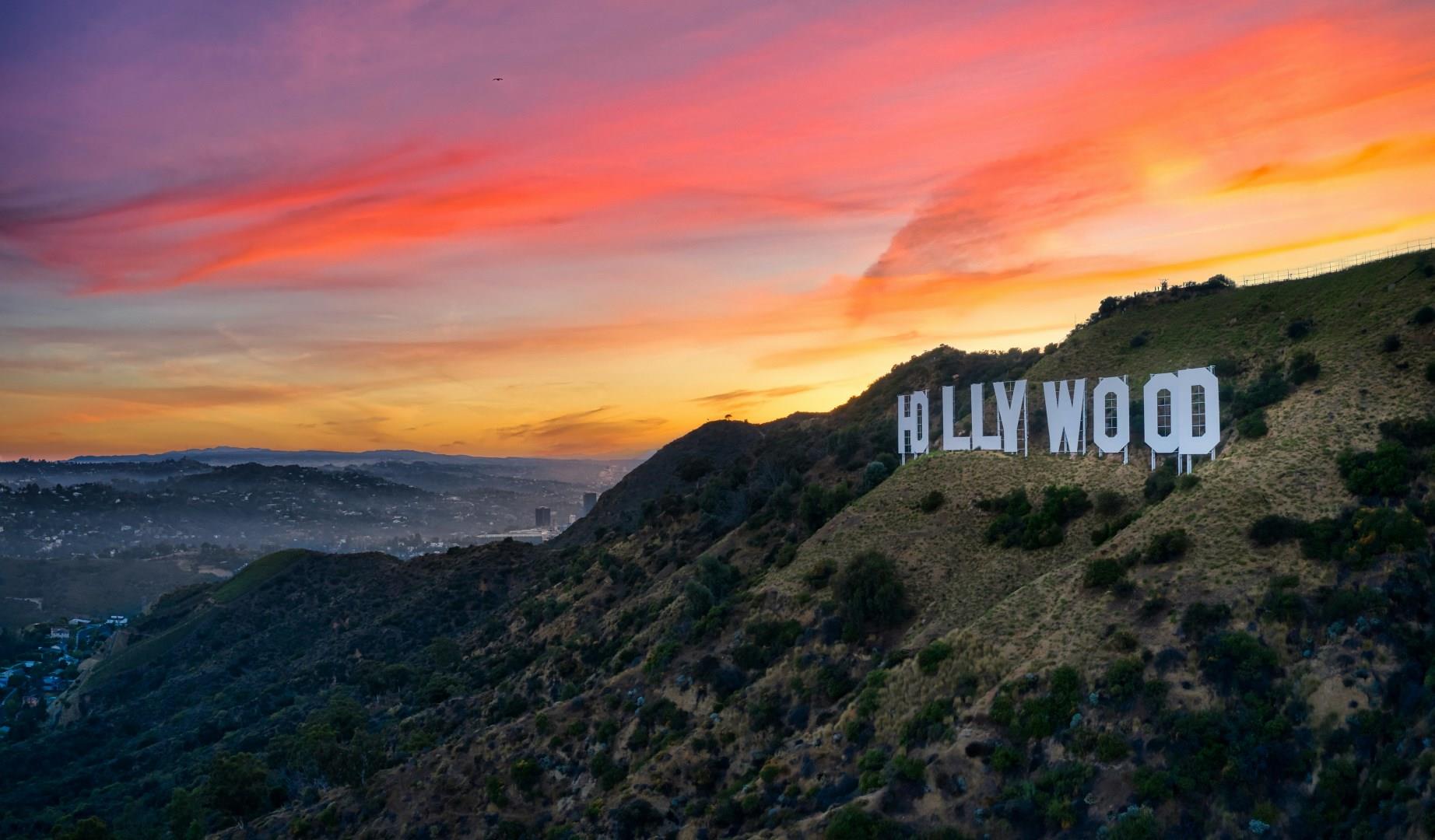
Hollywood
Hollywood, California is the quintessential destination for fans of cinema and entertainment, offering a dynamic blend of iconic landmarks and vibrant culture. This district of Los Angeles is home to the famous Hollywood Walk of Fame, where over 2,600 brass stars commemorate the biggest names in film, television, and music. Stroll along Hollywood Boulevard and snap a photo with the legendary TCL Chinese Theatre, renowned for its handprints and footprints of cinema's greatest stars.
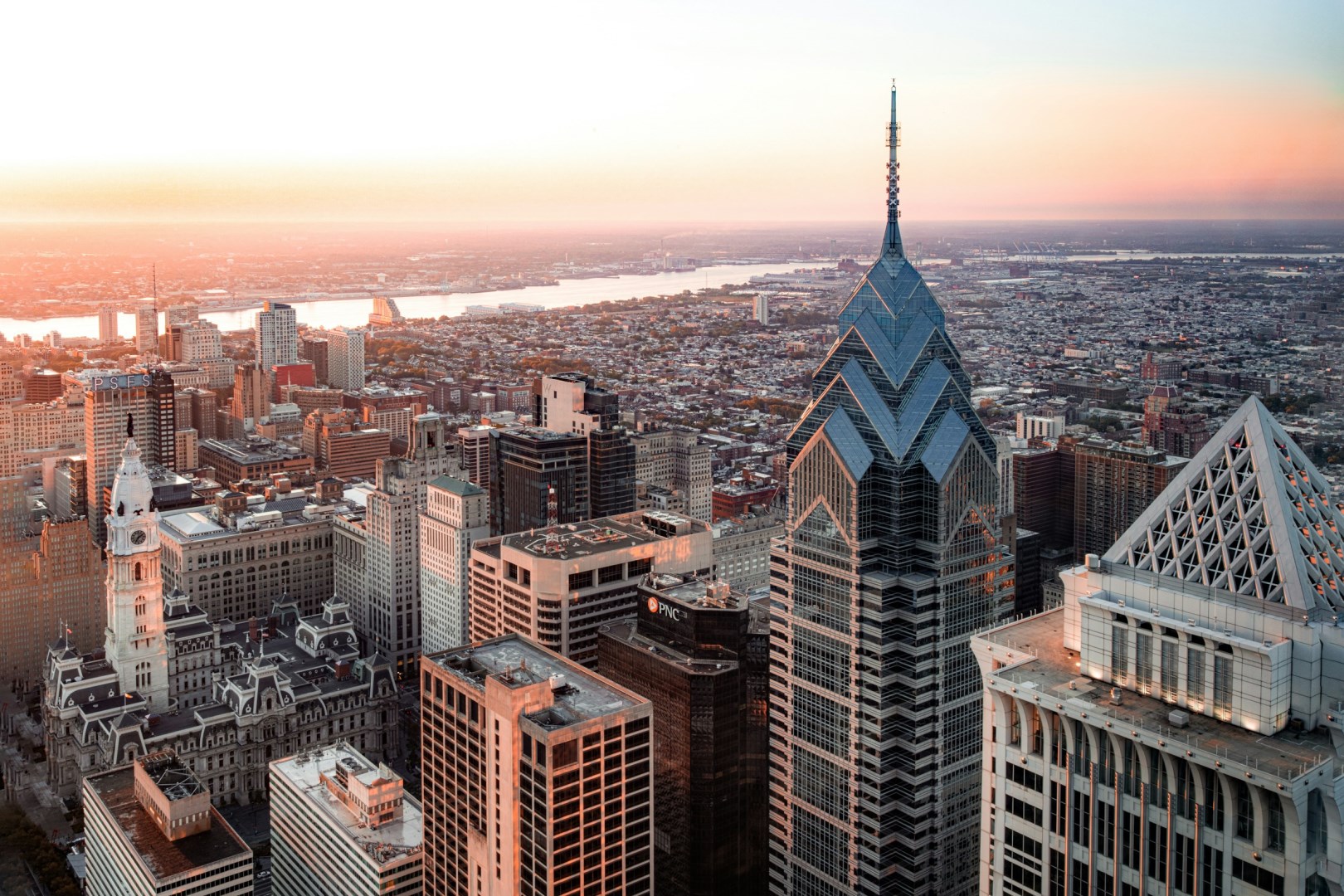
Philadelphia
Philadelphia, the birthplace of American democracy, offers visitors a rare opportunity to walk through the very streets where the nation’s founding ideals were debated, signed, and set into motion. The city's art scene is as bold as its history. The Philadelphia Museum of Art is home to works by Van Gogh, Duchamp, and an entire Japanese teahouse, but it might be better known for the "Rocky Steps" out front, where visitors recreate the famous movie scene daily.
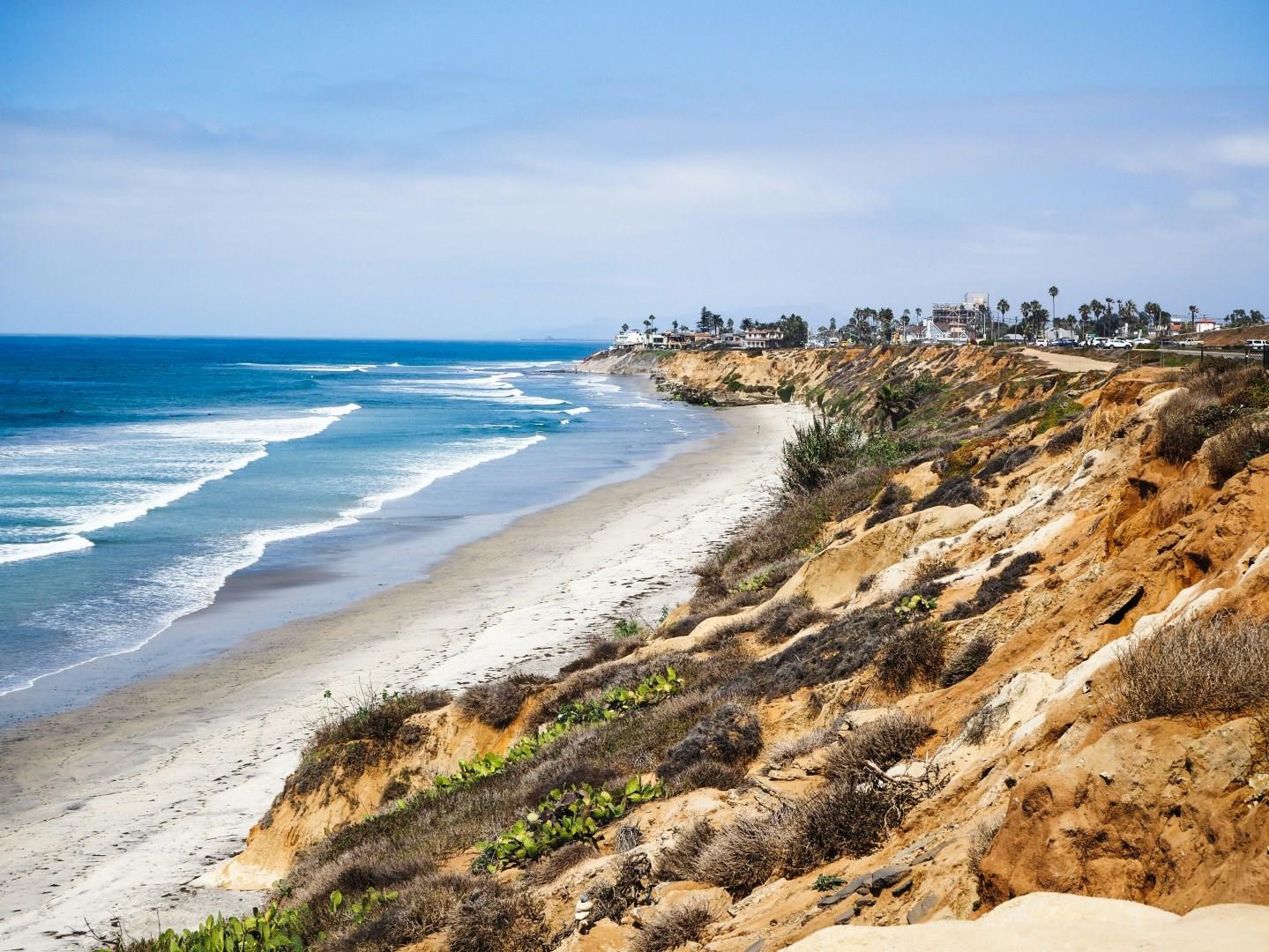
Carlsbad
Carlsbad, California, a coastal gem located between San Diego and Los Angeles, offers visitors a unique mix of stunning beaches, family-friendly attractions, and natural beauty. The city is best known for its beautiful Carlsbad State Beach, where surfers, sunbathers, and swimmers flock year-round to enjoy Southern California’s idyllic weather and shimmering Pacific waters.

K’gari
Fraser Island, or K’gari as it is known to its Traditional Owners, the Butchulla people, is a gem off the coast of Queensland, Australia. The world's largest sand island, stretching over 120 kilometers, is a place where nature dazzles and adventure beckons. Renowned for its unique ecosystems, Fraser Island offers a diverse landscape of lush rainforests growing on sand, crystal-clear freshwater lakes, and expansive sand dunes.
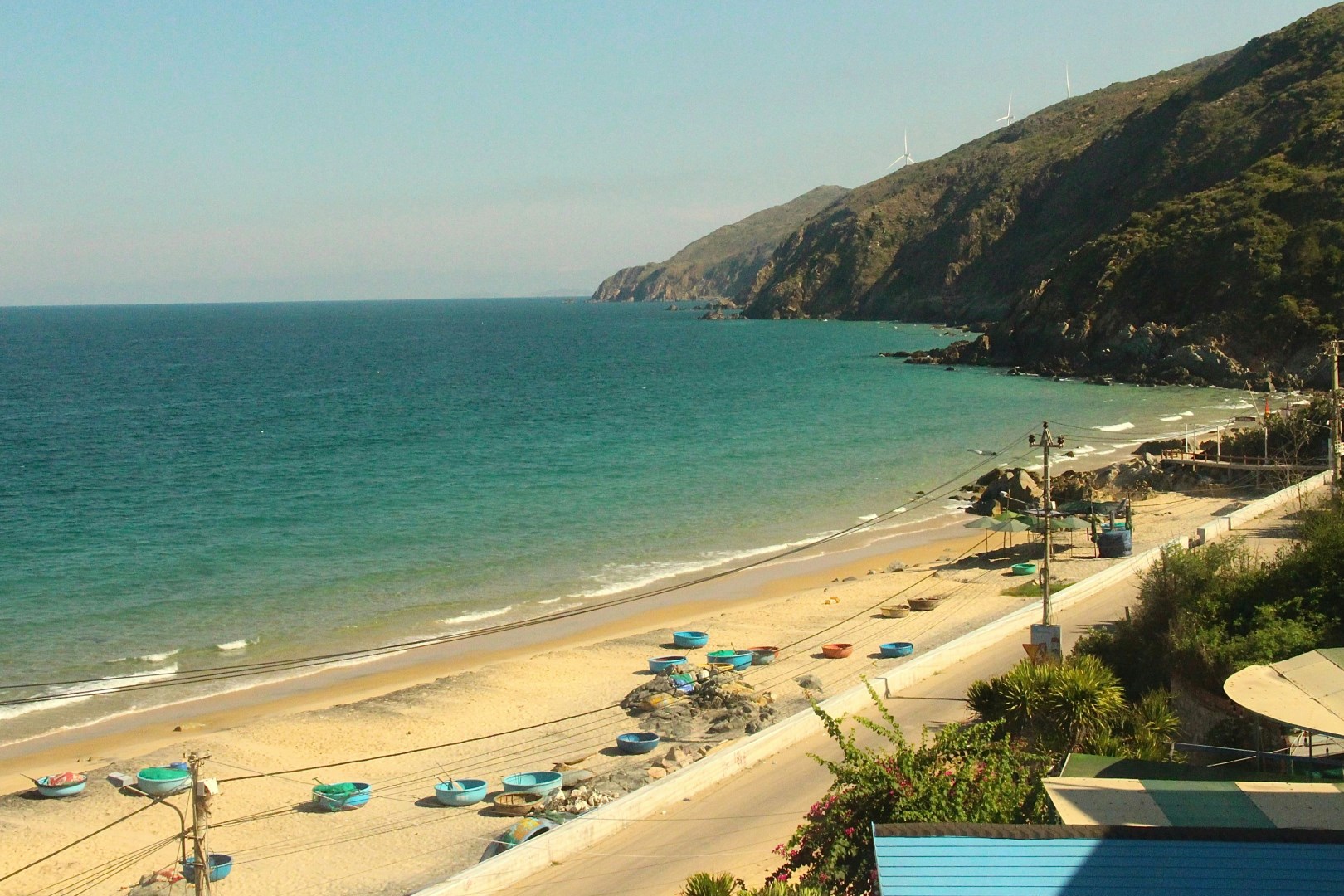
Quy Nhon
Quy Nhon is a coastal city in Bình Định Province on Vietnam’s south-central coast, facing the South China Sea. It is known for its long sandy shoreline, working fishing ports, and a quieter atmosphere compared to larger beach destinations.
