


Isle of Man
The Isle of Man, nestled in the Irish Sea between Great Britain and Ireland, offers visitors a blend of rich history and distinctive culture. Known for its ancient Celtic and Viking roots, the island’s heritage can be explored through sites like Peel Castle, built on a rocky island in the harbor of Peel, and the ancient Manx museums scattered throughout.

Denmark
Denmark is a country shaped by water, wind, and centuries of human ingenuity. In places like Roskilde, visitors can see five original Viking ships at the Viking Ship Museum and even try rowing a replica longboat across the fjord. In Copenhagen, the harbor once used by merchants and sailors now welcomes swimmers, kayakers, and ferries, with historic warehouses repurposed into restaurants and museums.
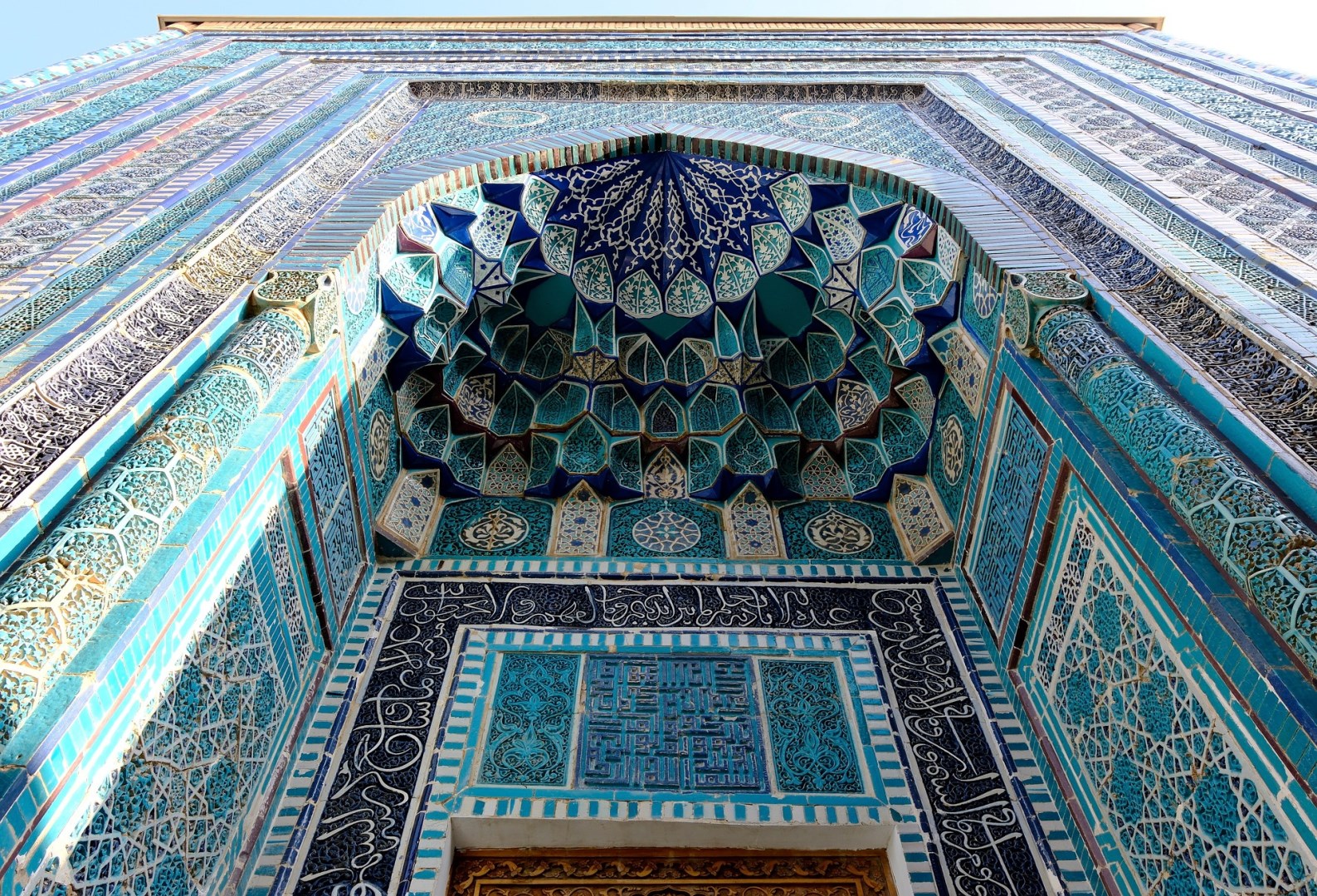
Tashkent
Tashkent, the capital of Uzbekistan, lies at the crossroads of Central Asia and has long been a hub of culture, trade, and political life. Its history stretches back over two millennia, shaped by Persian, Mongol, and Russian influences.
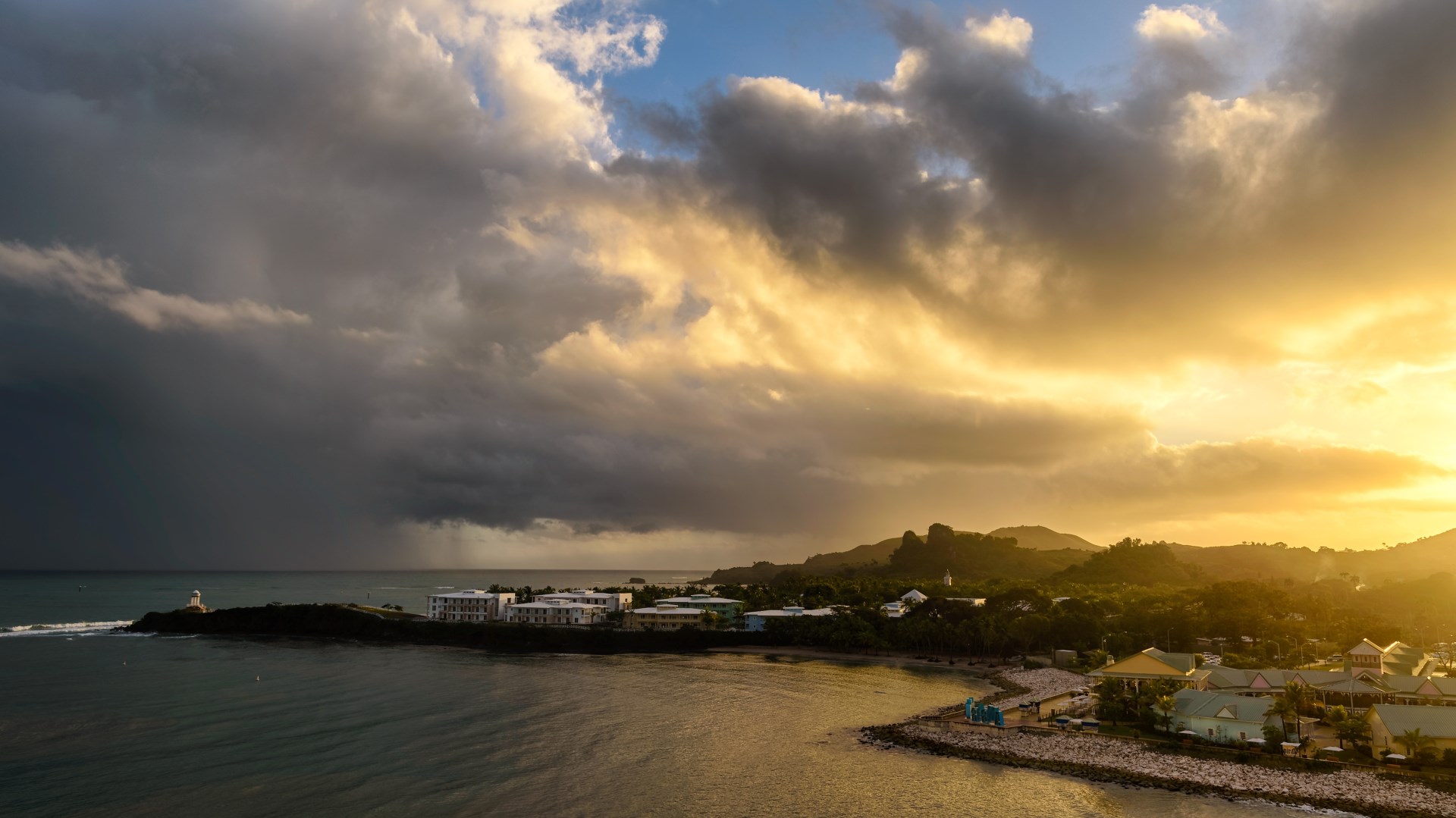
Amber Cove
Located along the northern coast of the Dominican Republic, Amber Cove serves as a vibrant gateway to the region of Puerto Plata. Designed as a cruise port with a strong sense of place, the area reflects the island’s long connection to the sea and trade. Visitors often begin their experience with views of the harbor framed by green mountains, setting the tone for what lies beyond.
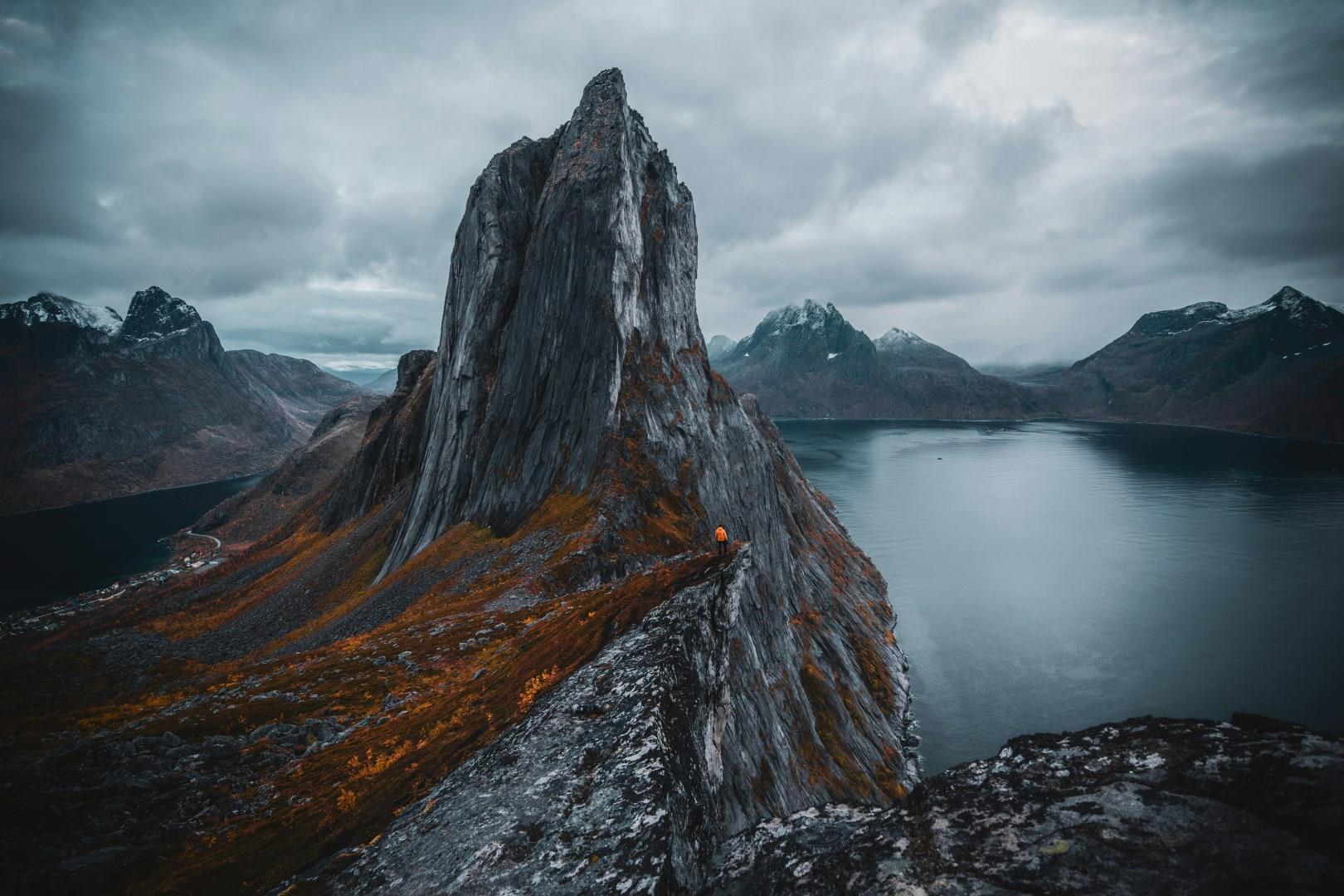
Senja
Senja is Norway’s second-largest island, located well above the Arctic Circle and often described as a condensed version of the country’s most dramatic landscapes.

EMAIL: CALL: (503) 330-7439
