
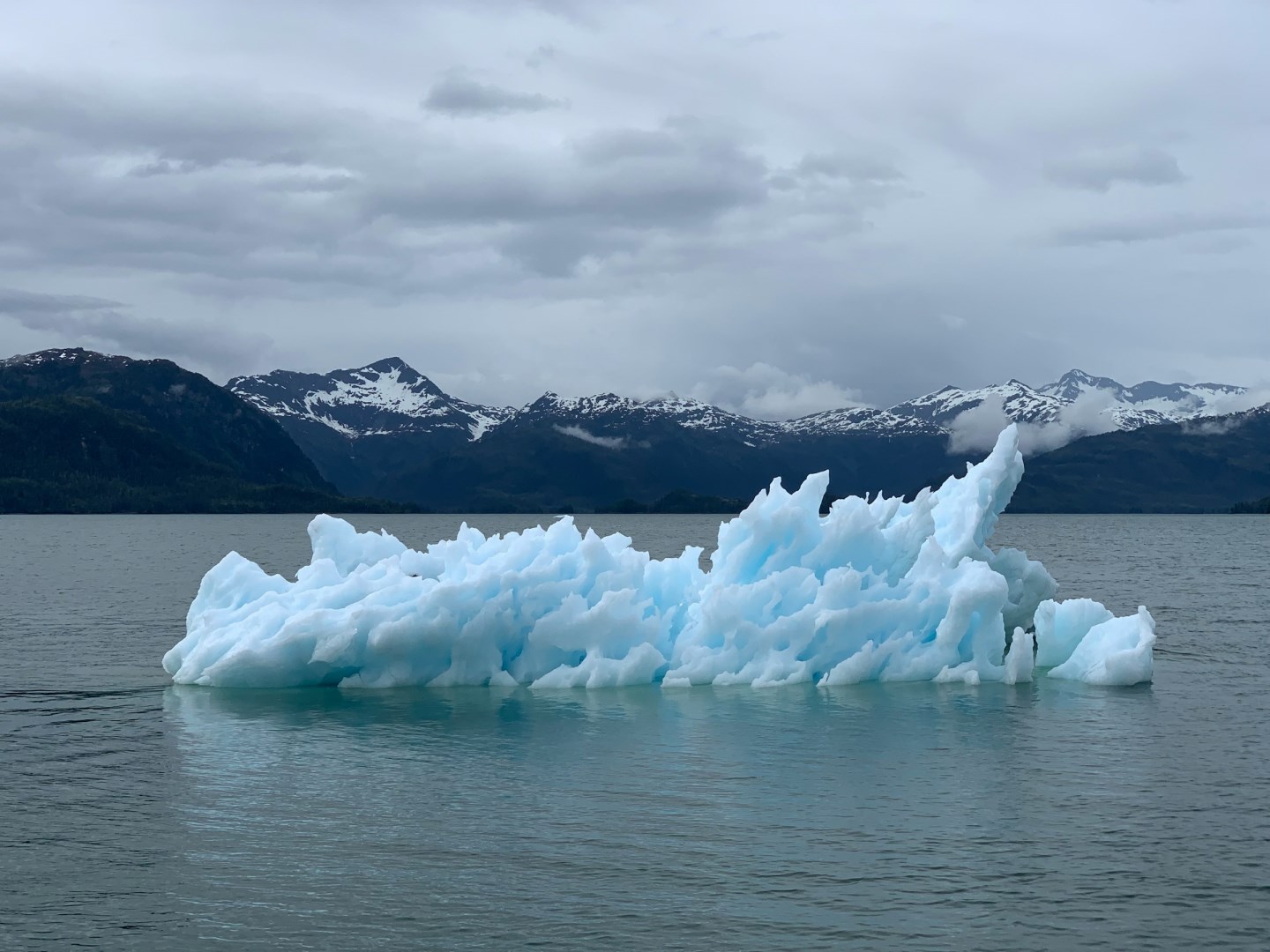
Prince William Sound
Prince William Sound and Resurrection Bay are premier ecosystems with a diversity of wildlife and habitat. Enclosed by high mountains and glaciers, and protected from the high seas by barrier islands, the area is a boater’s paradise. Fiords, bays, coves, lakes, glaciers, mountains and hundreds of islands provide a rich and unspoiled beauty.
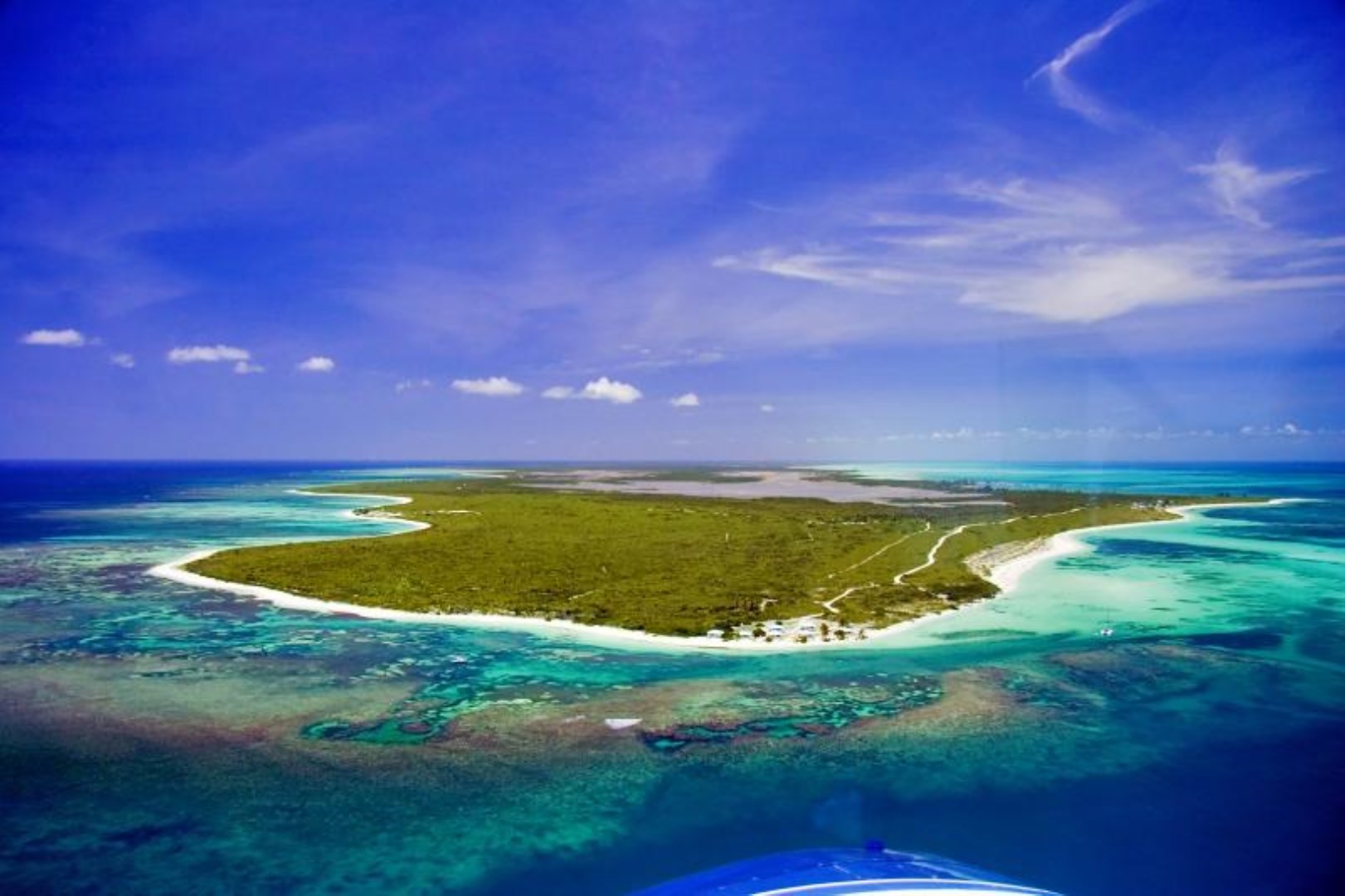
Anegada
The only coral island in the archipelago, Anegada is one of the British Virgin Islands and best known for its secluded beaches, extensive salt ponds, and nearly flat elevation which gave rise to the name Tierra Anegada, Spanish for "flooded land."

Jalisco
Jalisco, a vibrant state on Mexico’s Pacific coast, offers a diverse tapestry of experiences that span history, culture, and natural beauty. The state capital, Guadalajara, is renowned for its rich cultural heritage and lively atmosphere

Stanley
Stanley, the charming capital of the Falkland Islands, offers an enchanting glimpse into life at the edge of the world. Located on East Falkland, this quaint town is known for its picturesque harbor and colorful Victorian architecture. The town's rich maritime history is evident at the Falkland Islands Museum, which displays fascinating exhibits about the islands' past.

Perito Moreno Glacier
Perito Moreno Glacier is one of the most recognizable ice formations in Argentina, located within Los Glaciares National Park in Santa Cruz Province. The glacier extends into the southern arm of Lago Argentino and is notable for its broad ice front, which can be viewed from a network of walkways and observation platforms. Its proximity to El Calafate makes it one of the more accessible major glaciers in Patagonia.
