Bruges
Bruges, often referred to as the "Venice of the North," is a city where medieval charm meets modern allure. Nestled in the heart of Belgium's Flanders region, Bruges is renowned for its well-preserved medieval architecture, winding canals, and cobblestone streets that invite visitors to step back in time.
Antigua
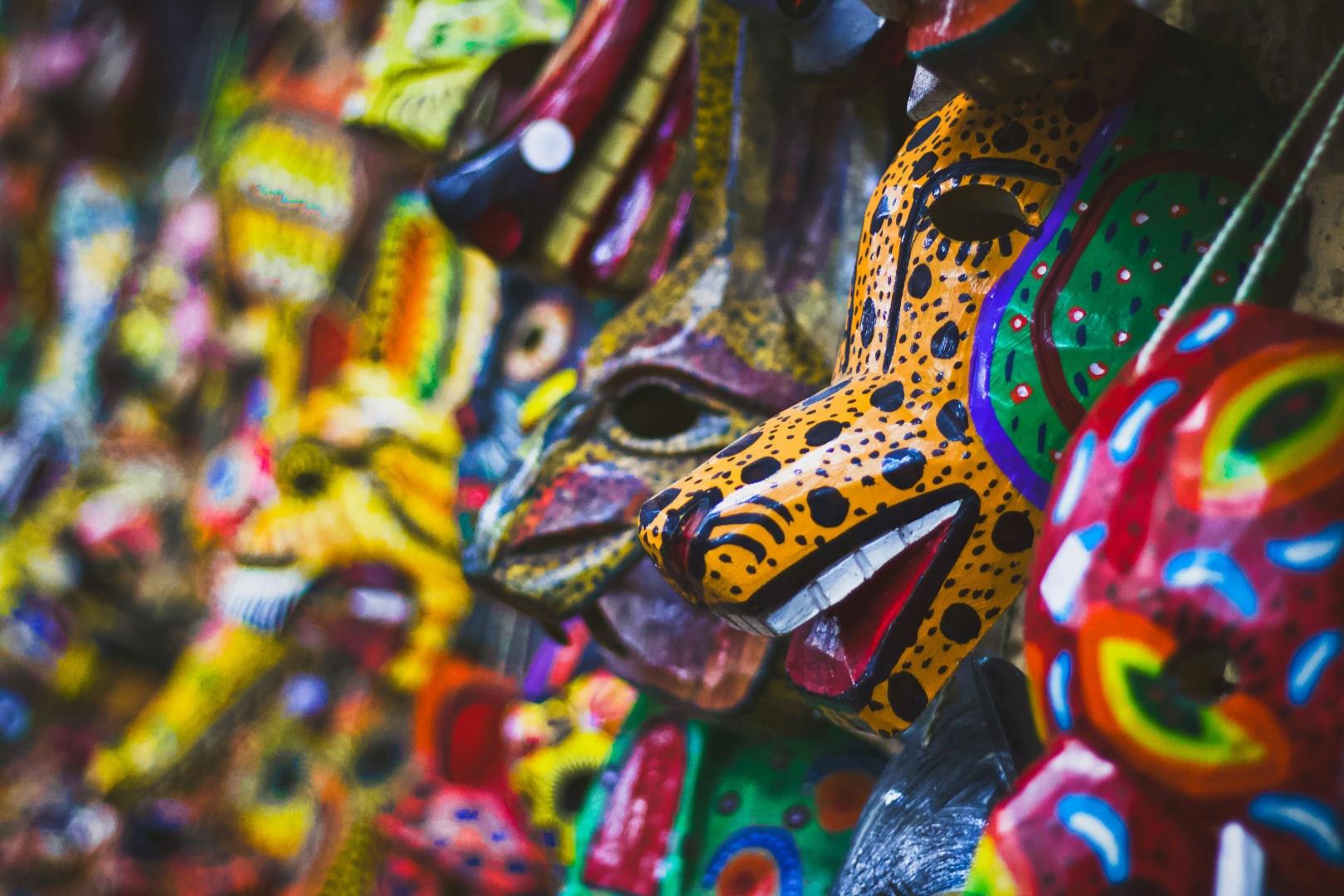
Antigua is a city shaped by centuries of artistry, tradition, and natural forces. Set in a highland valley and surrounded by volcanoes, its streets are lined with colorful buildings, hidden courtyards, and open-air plazas. The Santa Catalina Arch is one of Antigua’s most recognizable features, originally built as a passage between two sections of a convent. Today, it frames a dramatic view of Volcán de Agua and is a popular gathering spot for both locals and visitors.
Gisenyl
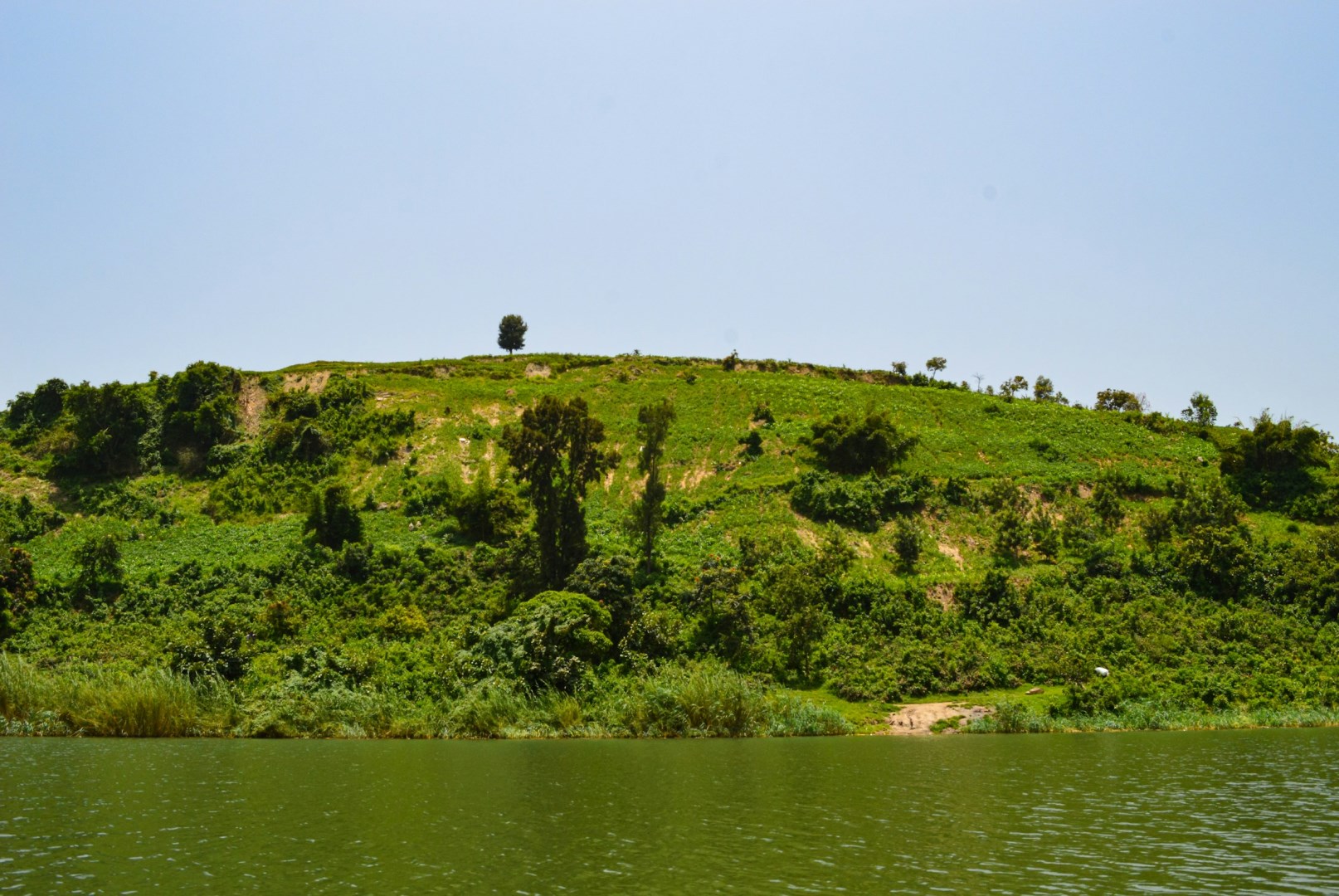
Gisenyi, officially part of the city of Rubavu, is a lakeside destination in northwestern Rwanda, situated on the northern shore of Lake Kivu near the border with the Democratic Republic of the Congo.
San Miguel de Allende
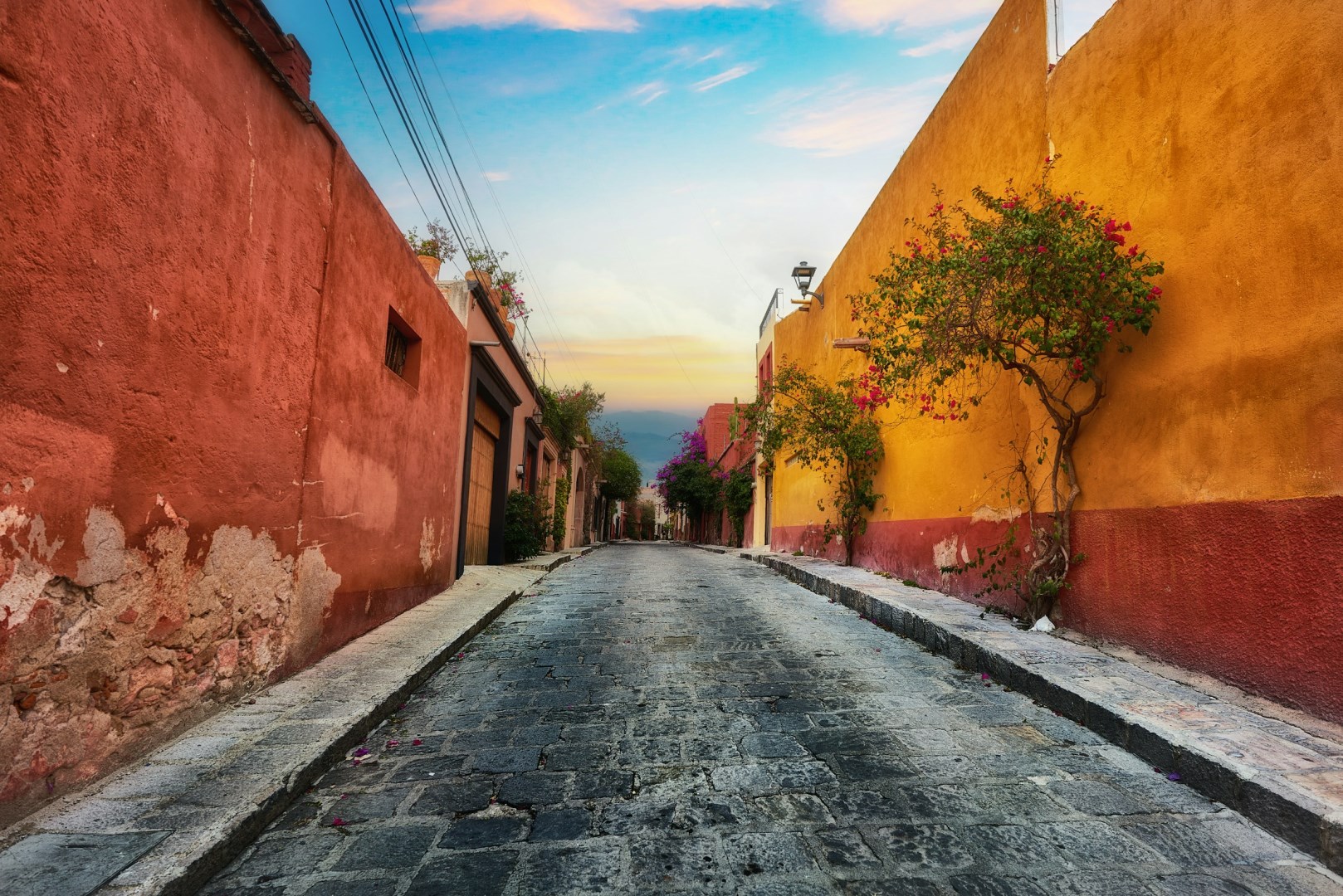
One of the most beautiful cities in the world, the cobblestone streets line the city center along with colonial Spanish-style architecture. San Miguel de Allende is also known for its thriving art scene, cultural festivals, and some of the most inventive cuisine in Mexico! There is so much to enjoy in this lesser-known gem of North America.
Chianti
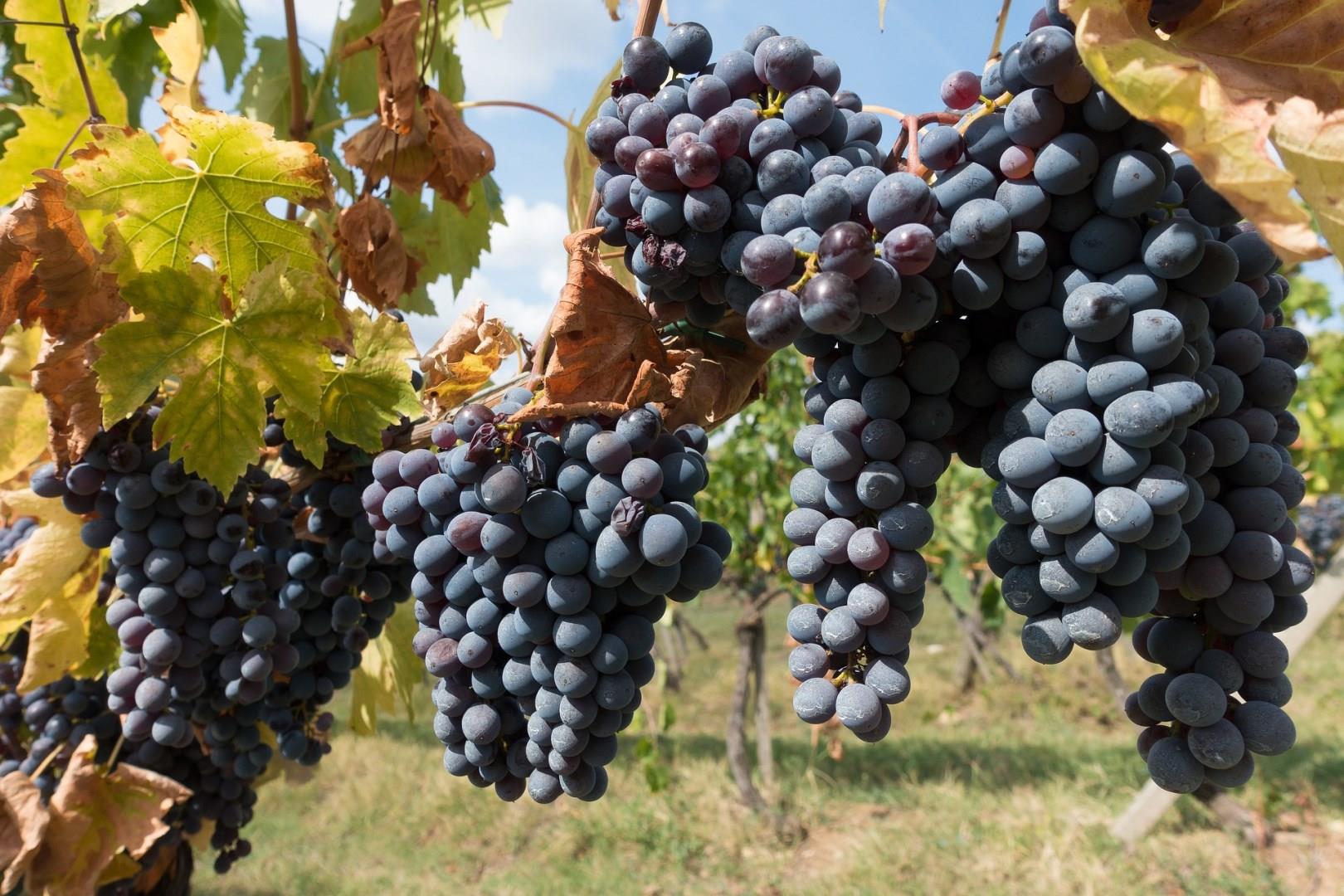
Chianti, nestled in the heart of Tuscany between Florence and Siena, is a world-renowned wine region that exudes quintessential Italian charm. Famous for its rolling hills, cypress-lined roads, and sprawling vineyards, Chianti offers travelers an unforgettable experience of Italy’s rich viticulture and history. Visitors can explore charming medieval villages like Greve in Chianti and Castellina in Chianti, where cobbled streets, ancient stone buildings, and historic piazzas transport you back in