
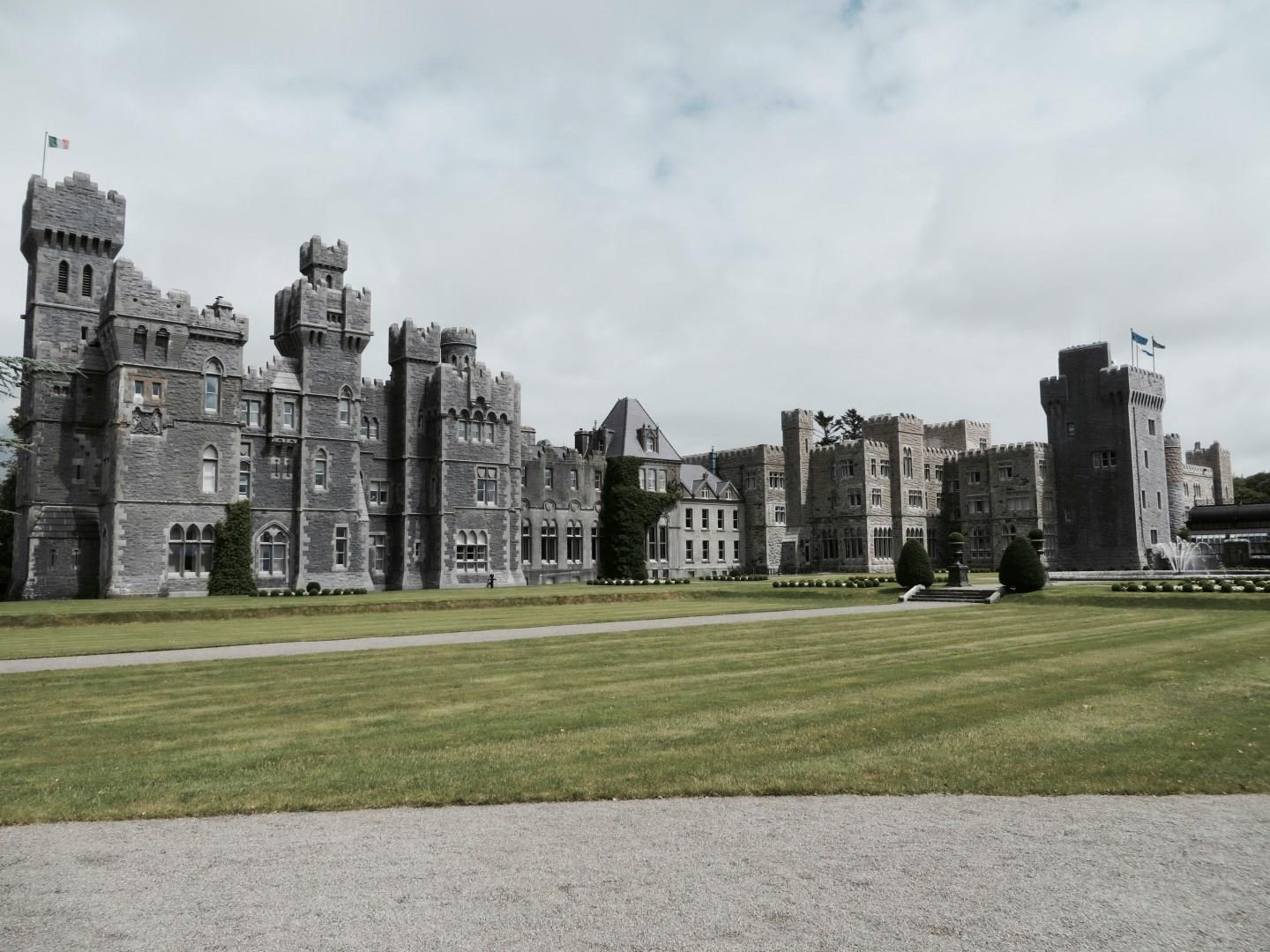
Cong
Cong is a small village in western Ireland, set where the River Cong flows between Lough Corrib and Lough Mask. Its history is closely tied to monastic settlement, most notably Cong Abbey, founded in the 12th century and later shaped by Norman influence.
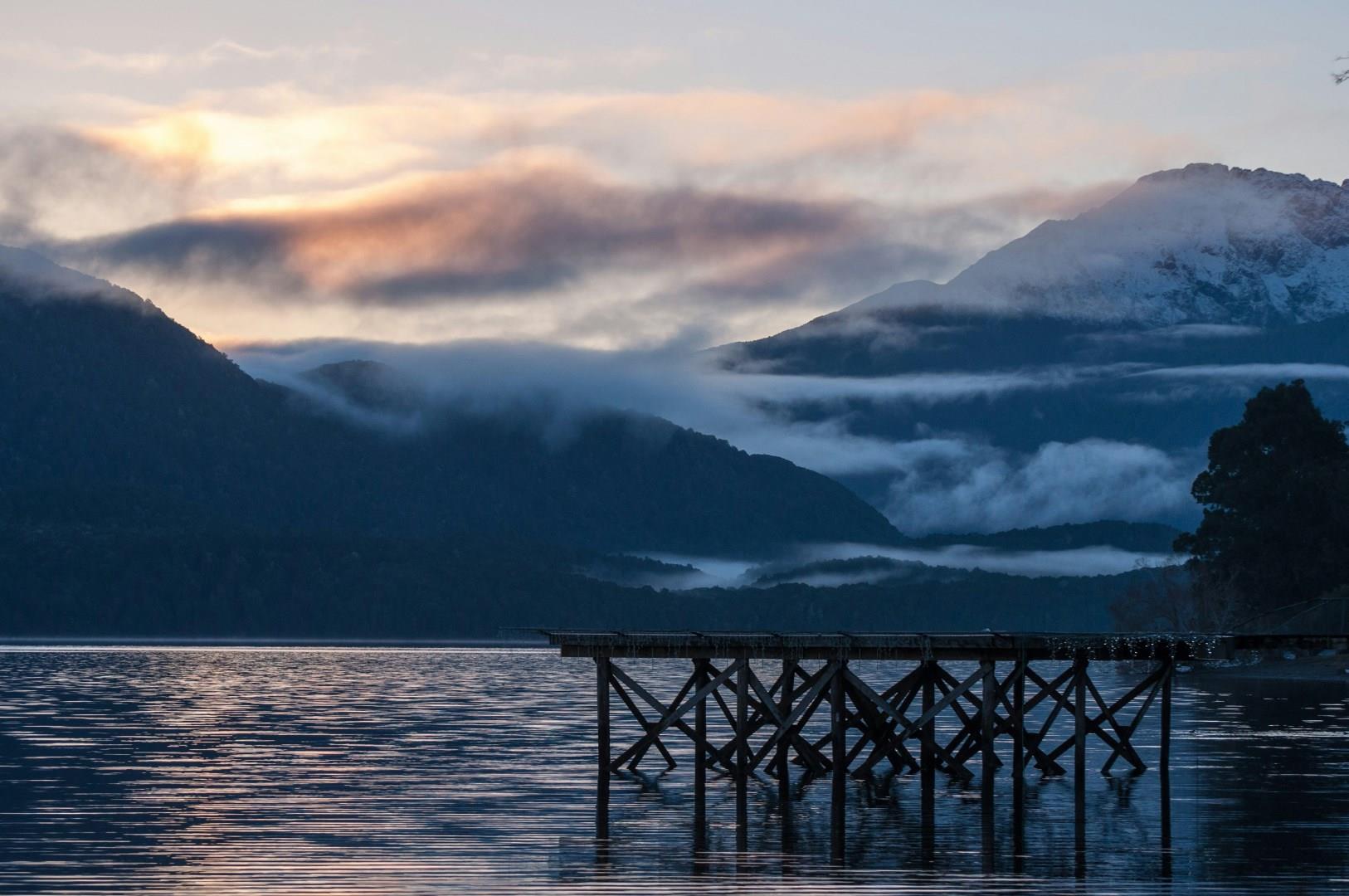
Te Anau
Te Anau sits on the edge of New Zealand’s second-largest lake, acting as the unofficial gateway to Fiordland National Park. While it’s often viewed as a starting point for trips to Milford Sound, the town itself offers a slower, more scenic way to experience the South Island’s dramatic landscapes. Te Anau’s lakefront is a mix of walking paths, local birdlife, and wide-open views across snow-dusted peaks.
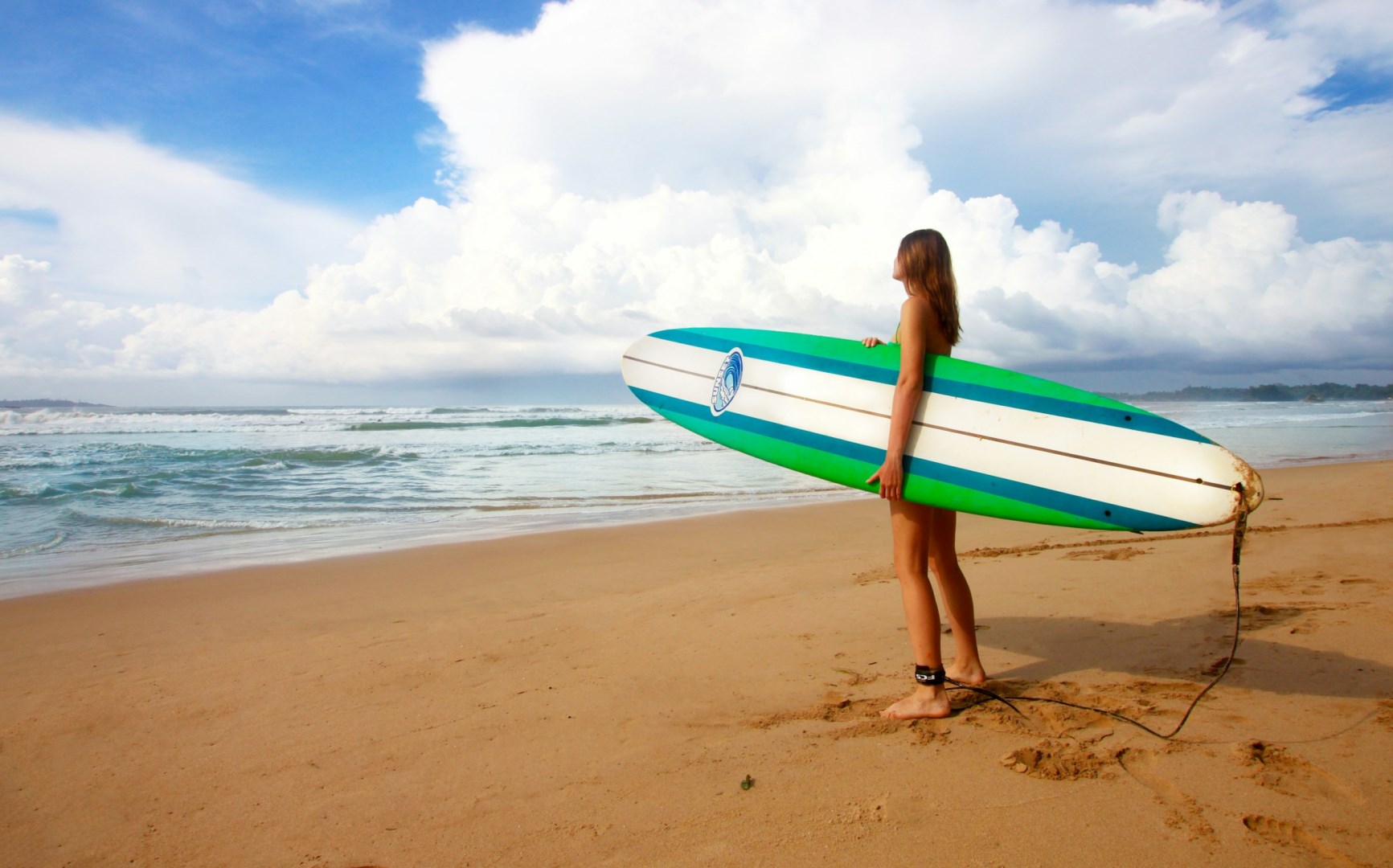
Weligama
Weligama is a coastal town in Sri Lanka’s Southern Province, centered on a broad, gently curving bay between Galle and Matara. The sheltered shape of Weligama Bay creates relatively manageable waves along much of the beach, making the town especially well known for beginner-friendly surfing. Fishing remains an important part of local life, with traditional boats operating from the shoreline and the surrounding coast still associated with stilt fishing. The town combines a working coastal setting
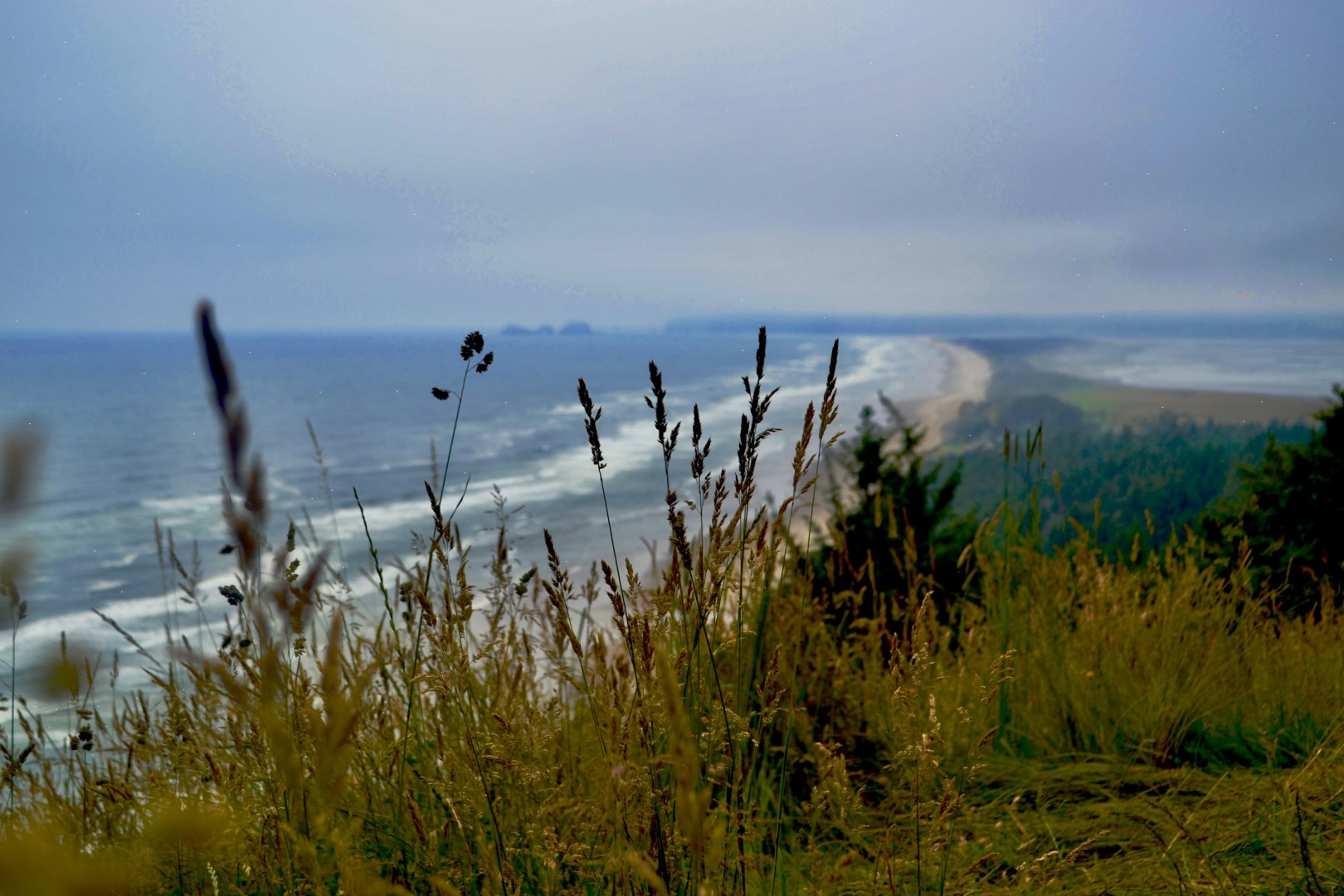
Tillamook
Tillamook is a small city on Oregon’s northern coast, located near the head of Tillamook Bay where several rivers meet the Pacific Ocean. The surrounding landscape includes dairy farmland, forested hills, tidal wetlands, and coastal waterways, giving the community a strong connection to both agriculture and the sea.
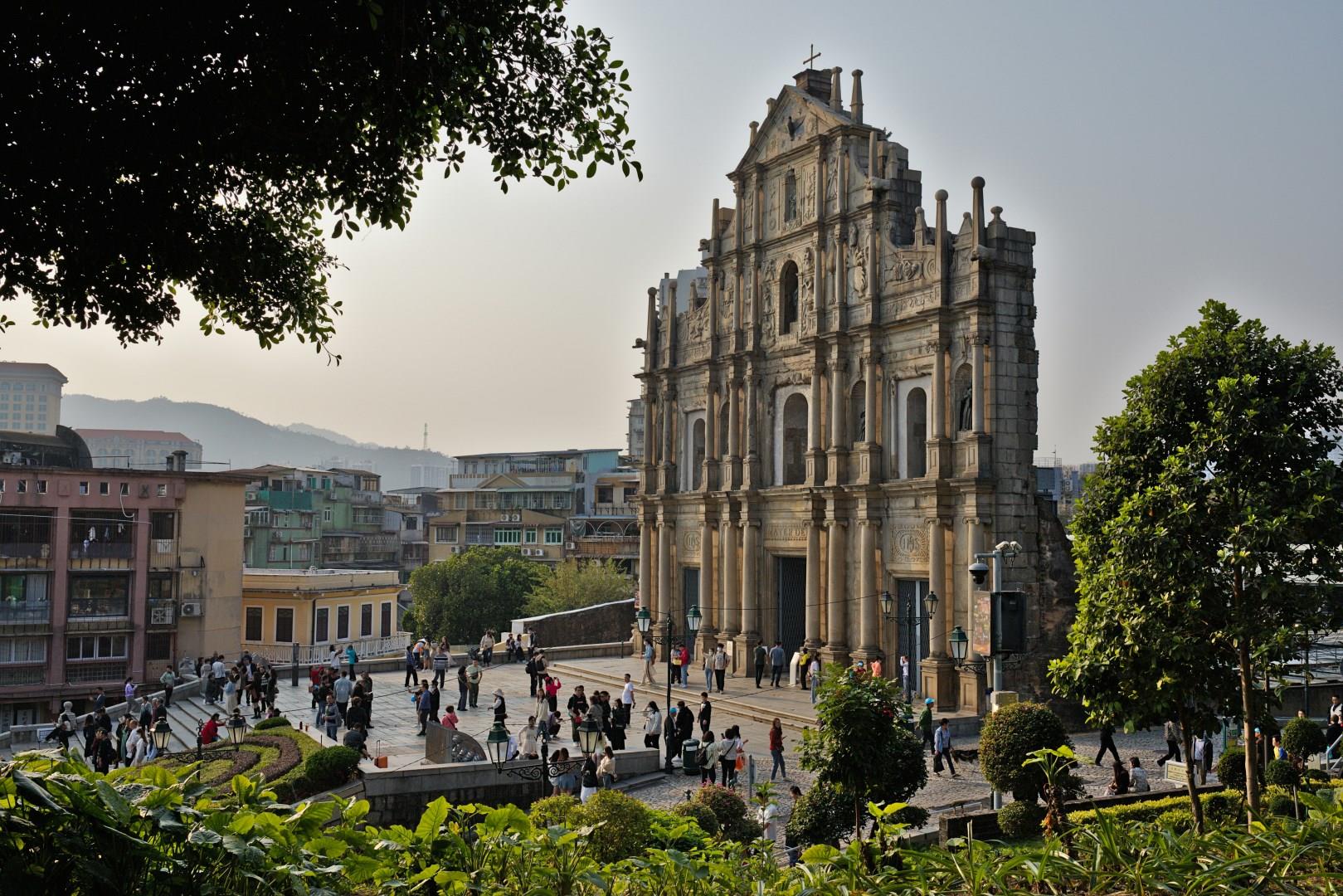
Macao
Macao, a Special Administrative Region of China, is known for its distinctive blend of Portuguese and Chinese heritage. Once a Portuguese colony, the city retains historic squares, colonial architecture, and cobblestone streets that contrast with its modern skyline of resorts and entertainment complexes.
