
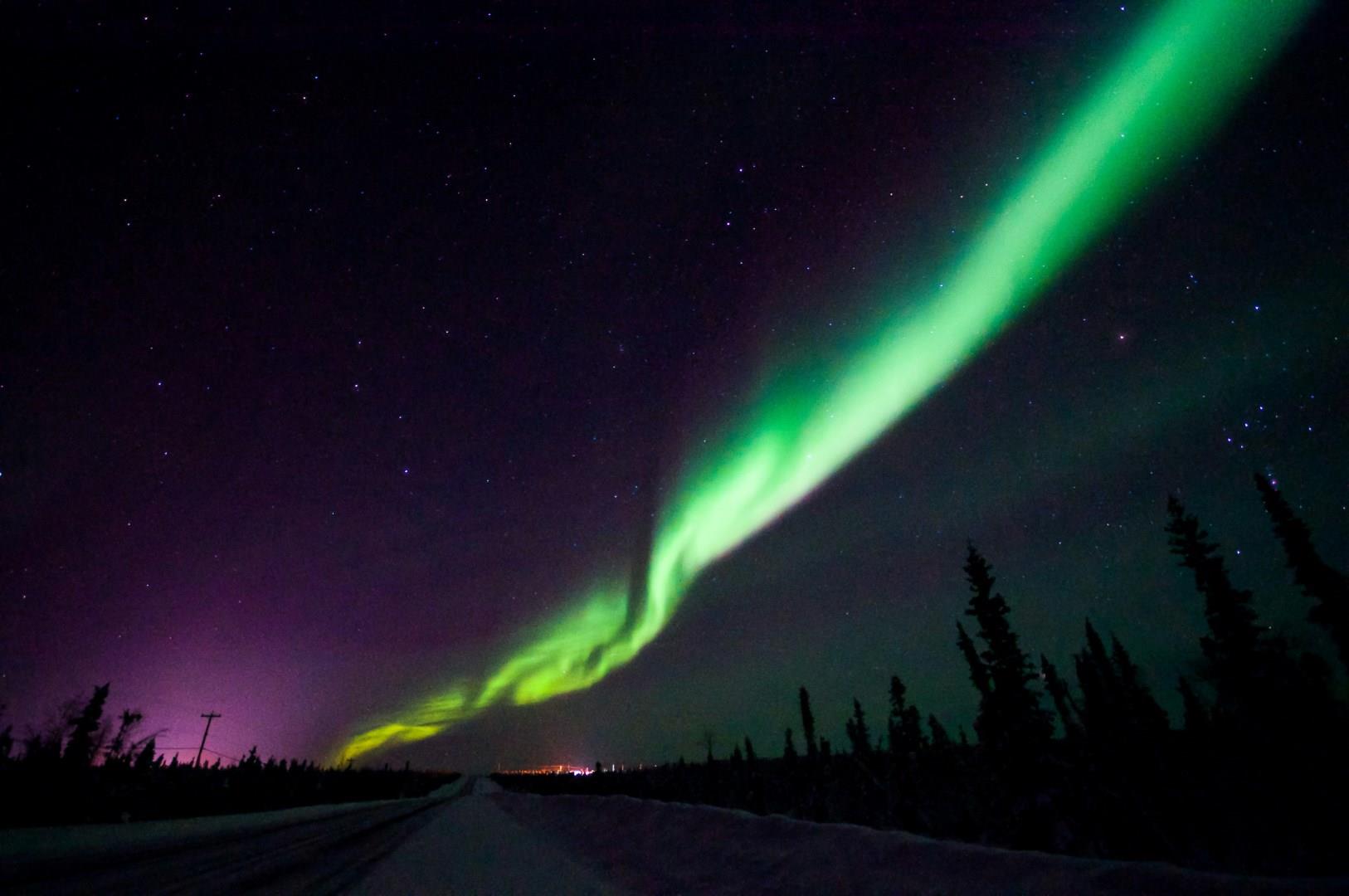
Inuvik
Summer in Inuvik brings the surreal experience of the Midnight Sun where the region experiences 56 days of continuous daylight from late May through mid-July. This natural phenomenon creates ideal conditions for exploring the dramatic tundra landscape and the nearby Mackenzie River Delta, one of the largest in North America. Adventurers can paddle through winding channels, spot migratory birds, or visit Tuktoyaktuk via the Inuvik-Tuktoyaktuk Highway.

Kenya
Kenya, a jewel of East Africa, is a tapestry of vibrant cultures, breathtaking landscapes, and incredible wildlife. Nairobi, the bustling capital, offers a gateway to numerous adventures, from visiting the Giraffe Centre, where you can feed endangered Rothschild’s giraffes, to exploring the Nairobi National Park, where lions roam against a backdrop of city skyscrapers.
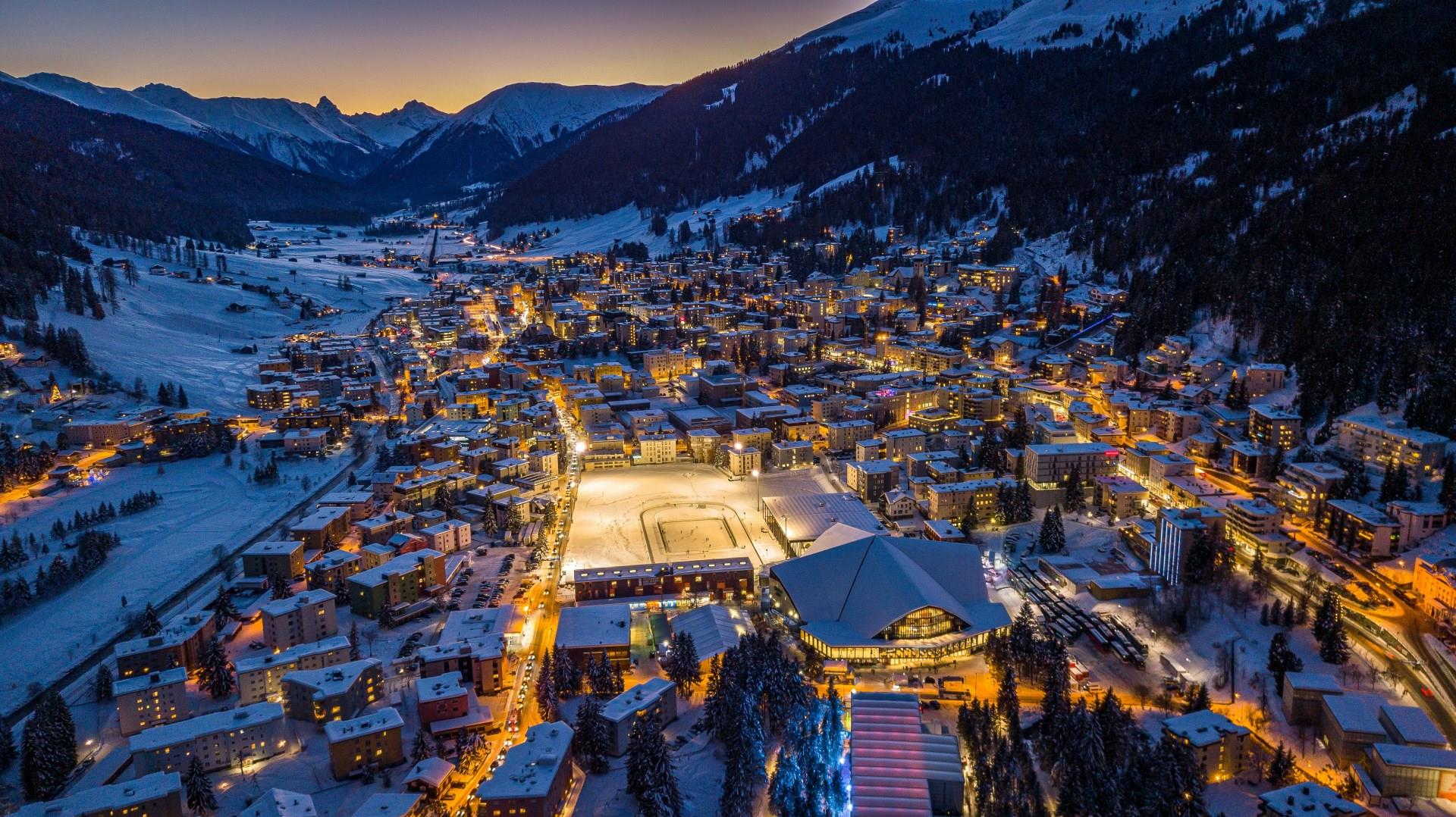
Davos
Davos, located in the Swiss canton of Graubünden, is the highest town in Europe at 1,560 meters above sea level and known for its alpine sports and outdoor activities. In winter, it offers over 300 kilometers of ski slopes shared with neighboring Klosters, along with cross-country trails and Europe’s largest natural ice rink. In summer, the same mountains transform into hiking and mountain biking routes, including the panoramic Jakobshorn and Parsenn areas.

Lyon
The metropolitan center of southeastern France, vibrant Lyon abounds with stunning architectural masterpieces, gastronomic delights, and immersive museums. This spectacular city, founded by the Romans centuries ago, rivals Paris as a cultural and social hub for exploring the best that France has to offer.
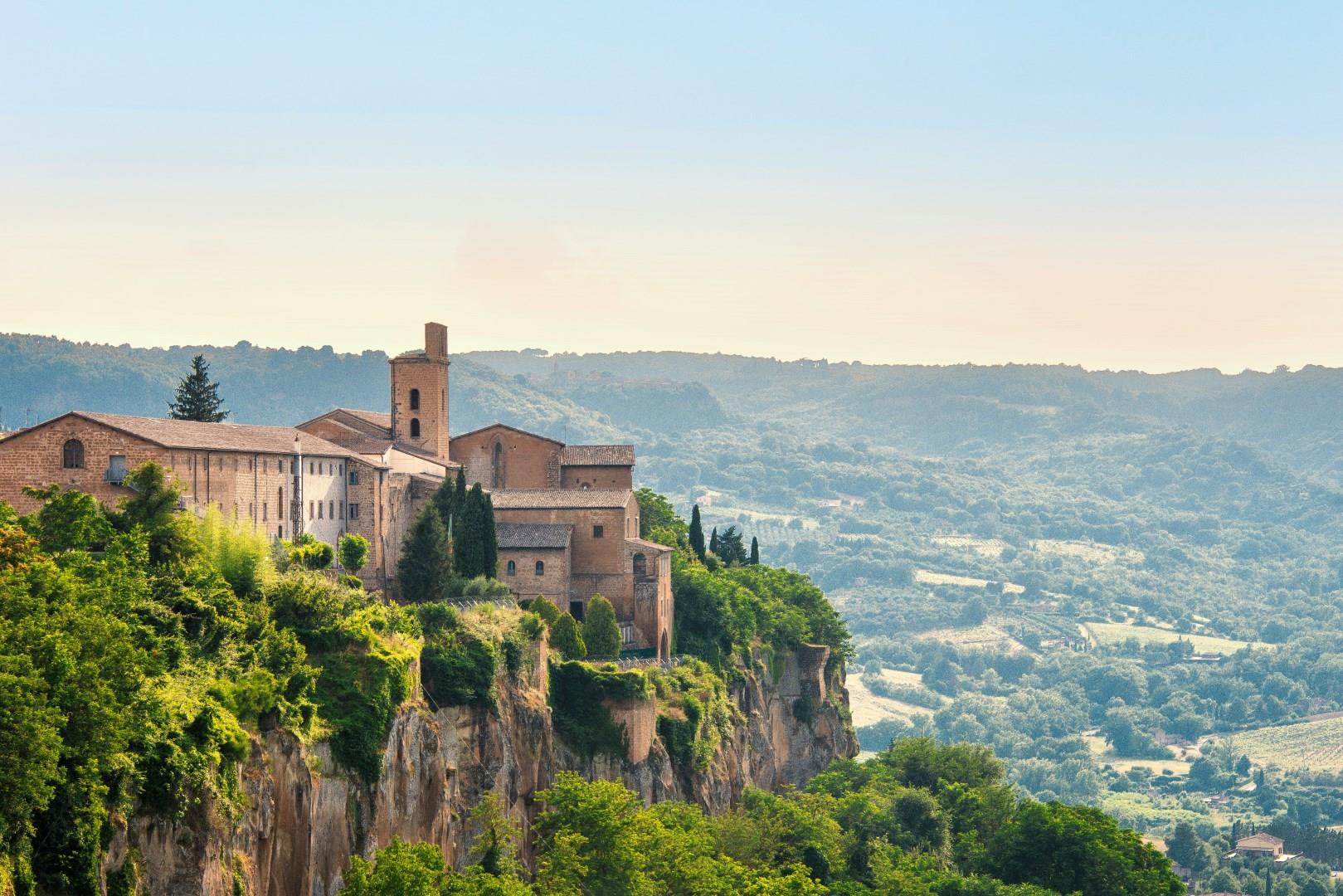
Orvieto
Orvieto, perched atop a volcanic tuff cliff in Umbria, Italy, is a town that effortlessly combines history, art, and striking landscapes. Its dramatic position overlooking the surrounding countryside immediately captures attention.
