
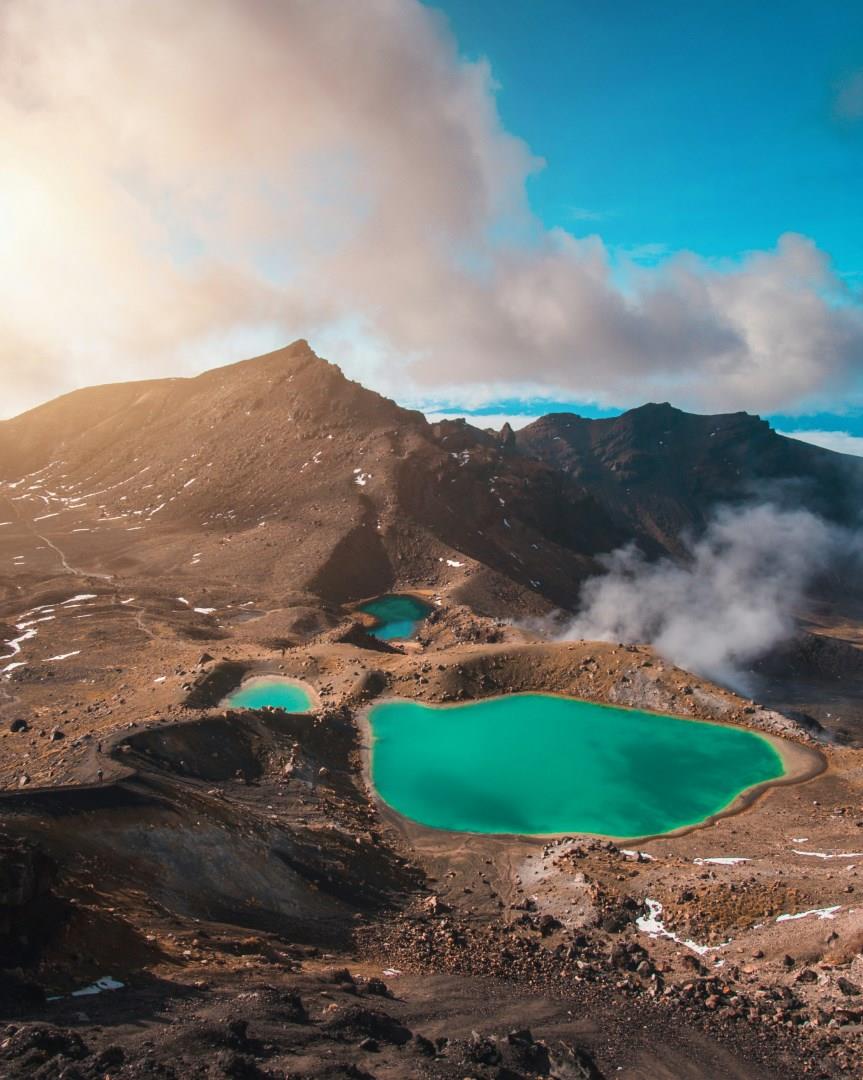
Tongariro National Park
Tongariro National Park, on New Zealand’s North Island, holds deep cultural meaning as well as striking geological presence. It was the country’s first national park, gifted to the nation by Ngāti Tūwharetoa chiefs in the 19th century, establishing a model that tied conservation to Māori guardianship. The volcanic peaks of Tongariro, Ngāuruhoe, and Ruapehu are considered ancestors, giving the landscape a living cultural identity rather than a purely scenic one.
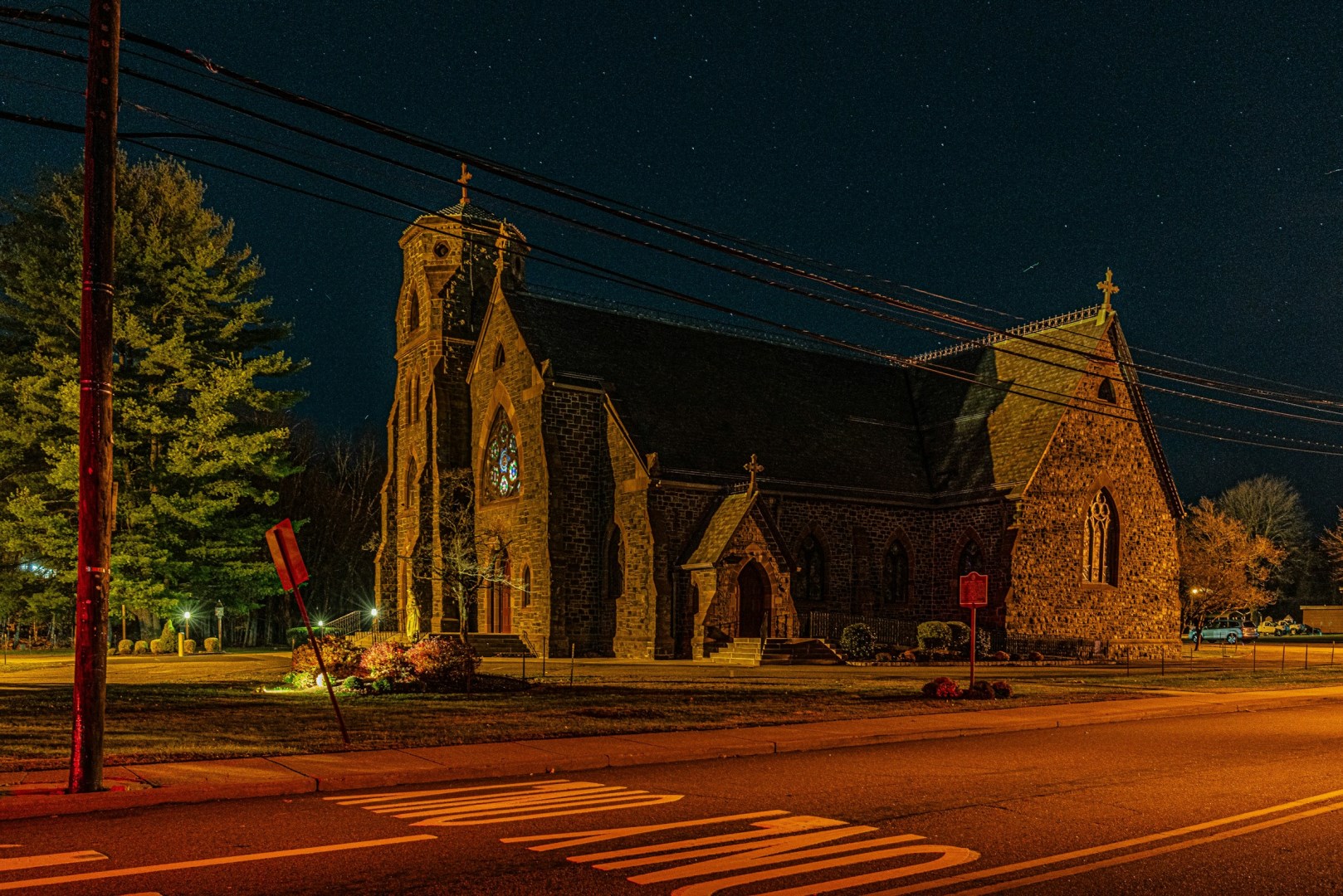
Dover
Dover, located in Morris County, New Jersey, is a small yet historically rich town nestled along the Rockaway River about 30 miles west of New York City. Founded in the early 1700s, Dover grew as an important ironworking and industrial center during the 18th and 19th centuries, thanks to its proximity to the Morris Canal and the region’s abundant natural resources.
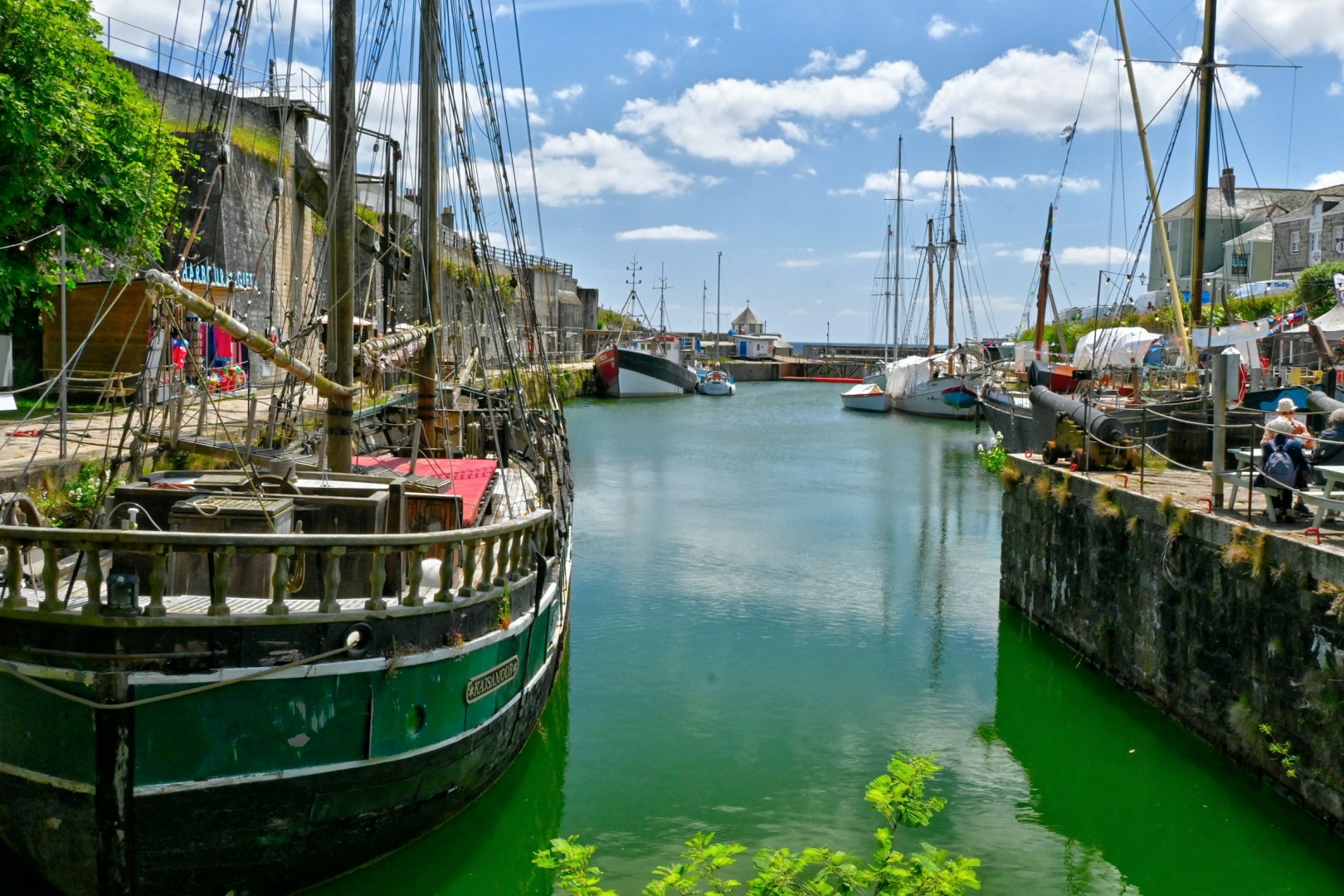
Charlestown
Charlestown is a small historic harbor village on Cornwall’s south coast, near St Austell. Its sheltered harbor is enclosed by stone walls and remains filled with traditional tall ships, giving the village a strong connection with Cornwall’s maritime past. Behind the waterfront are compact rows of stone buildings, narrow lanes, and former industrial structures.
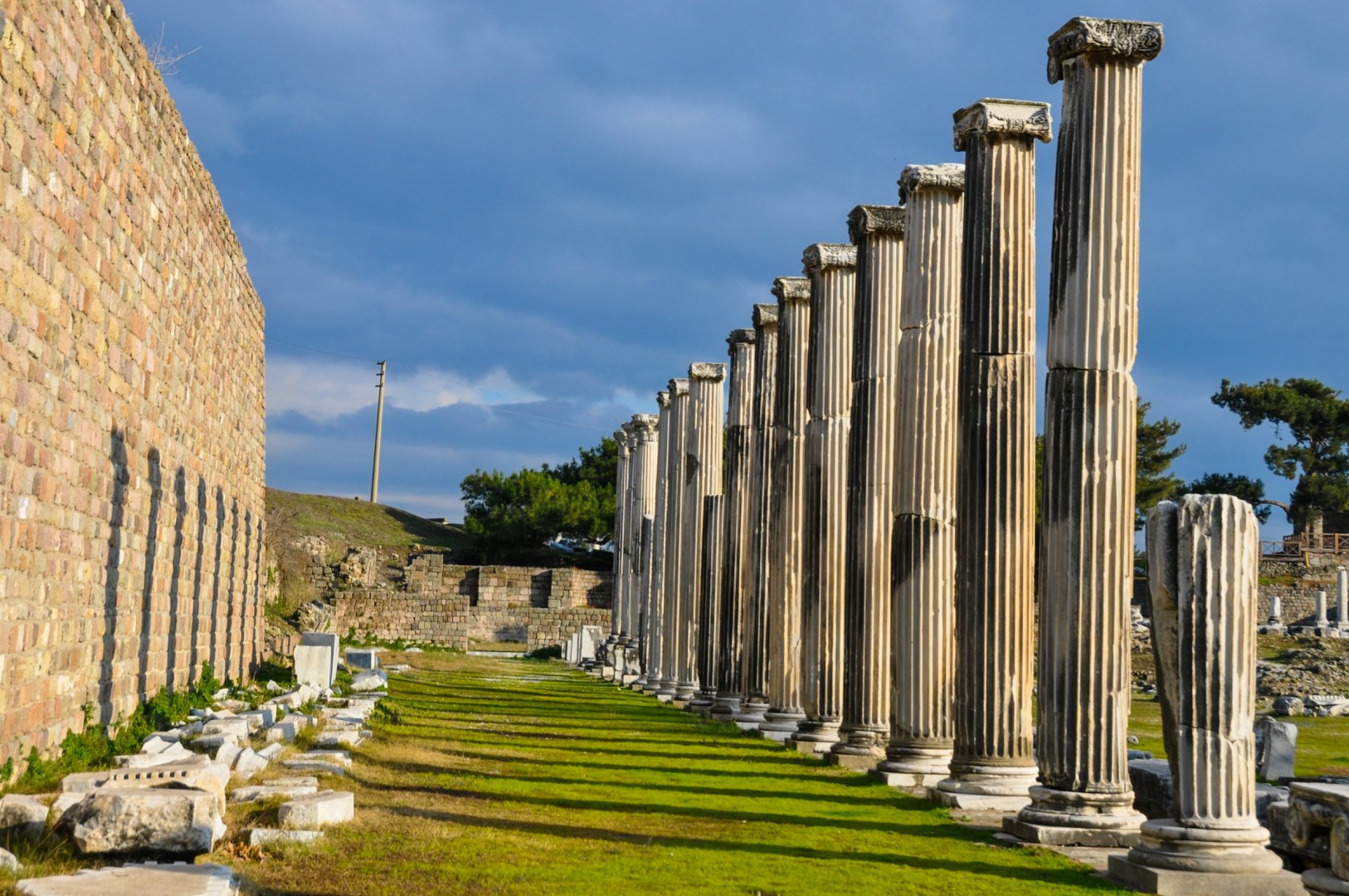
Bergama
Pergamum, or Bergama, was a Hellenistic city state that once rivaled Athens and Alexandria as a cultural center. It is the site of one of the Seven Churches mentioned in the Book of Revelation. It became an important missionary center after the adoption of Christianity.
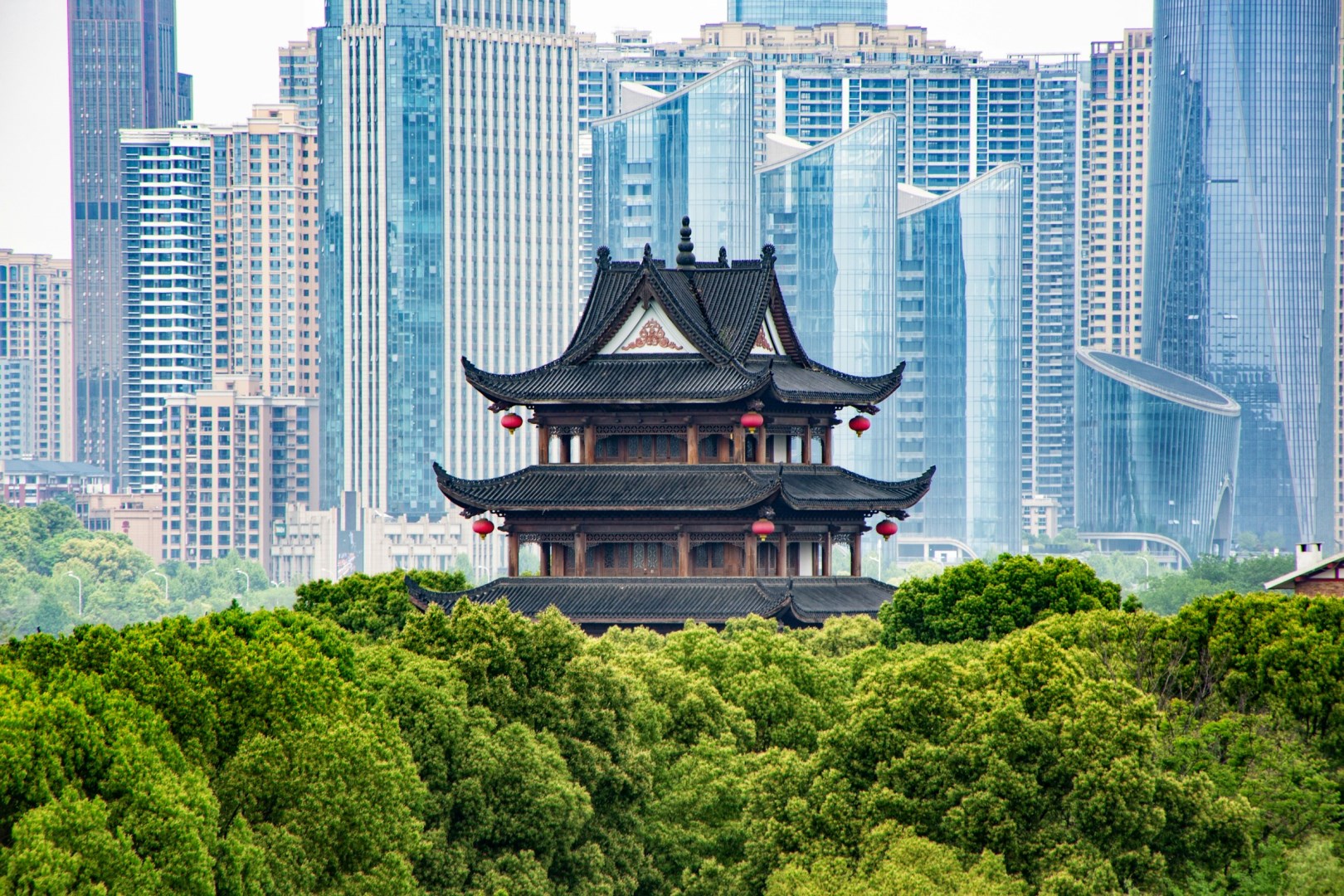
Changsha
The capital of Hunan Province in central China, north of Guilin. Founded over 5000 years ago, it has long been a major cultural and educational center. Mao Zedung lived here and attended school.
