Antigua
Antigua is a city shaped by centuries of artistry, tradition, and natural forces. Set in a highland valley and surrounded by volcanoes, its streets are lined with colorful buildings, hidden courtyards, and open-air plazas. The Santa Catalina Arch is one of Antigua’s most recognizable features, originally built as a passage between two sections of a convent. Today, it frames a dramatic view of Volcán de Agua and is a popular gathering spot for both locals and visitors.
St. Helena
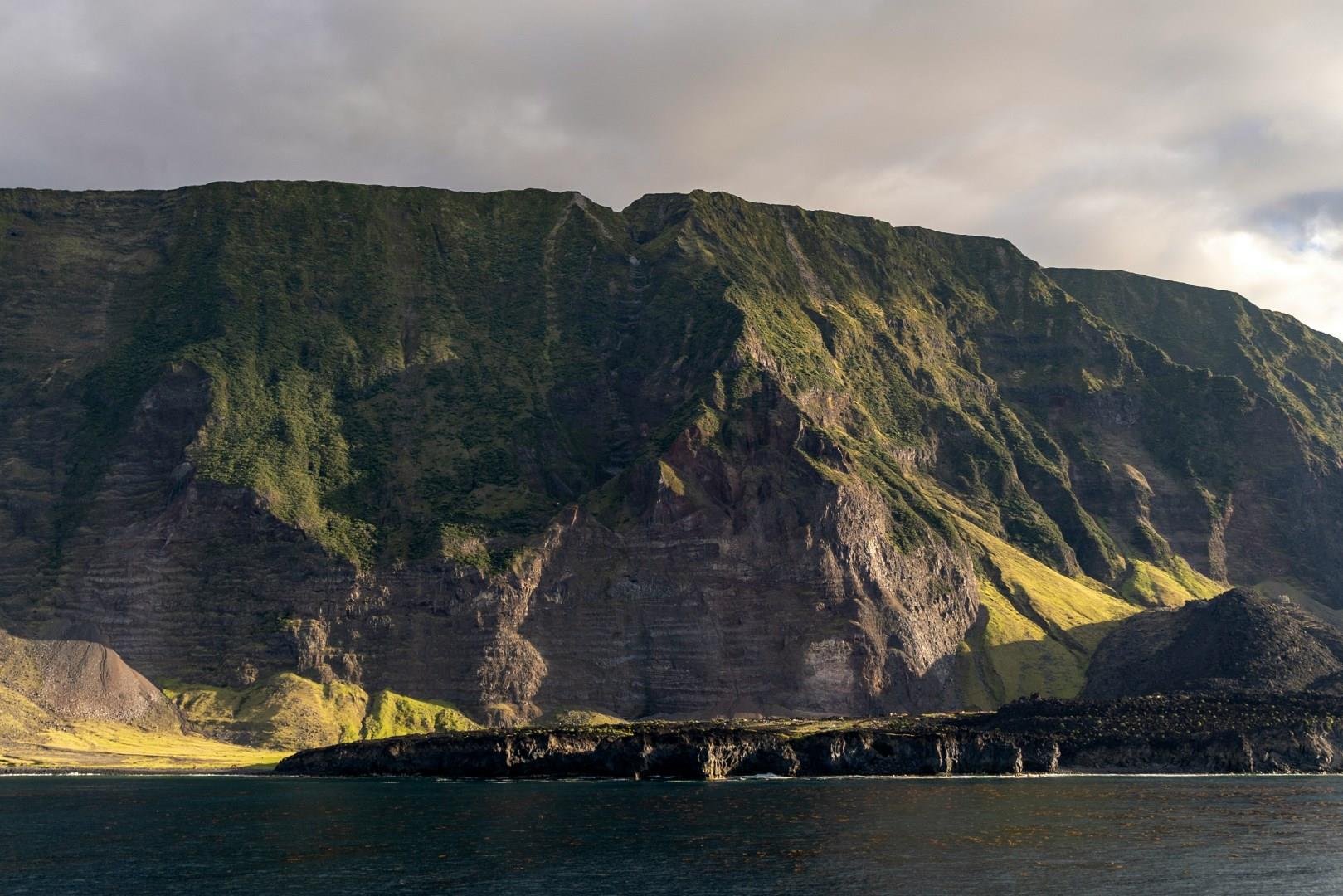
St. Helena is a remote island in the South Atlantic Ocean, known for its dramatic cliffs, volcanic landscapes, and rich history. It is most famous as the place where Napoleon Bonaparte spent his final years in exile, and visitors can explore Longwood House and other historic sites that tell the story of this period.
Braemar
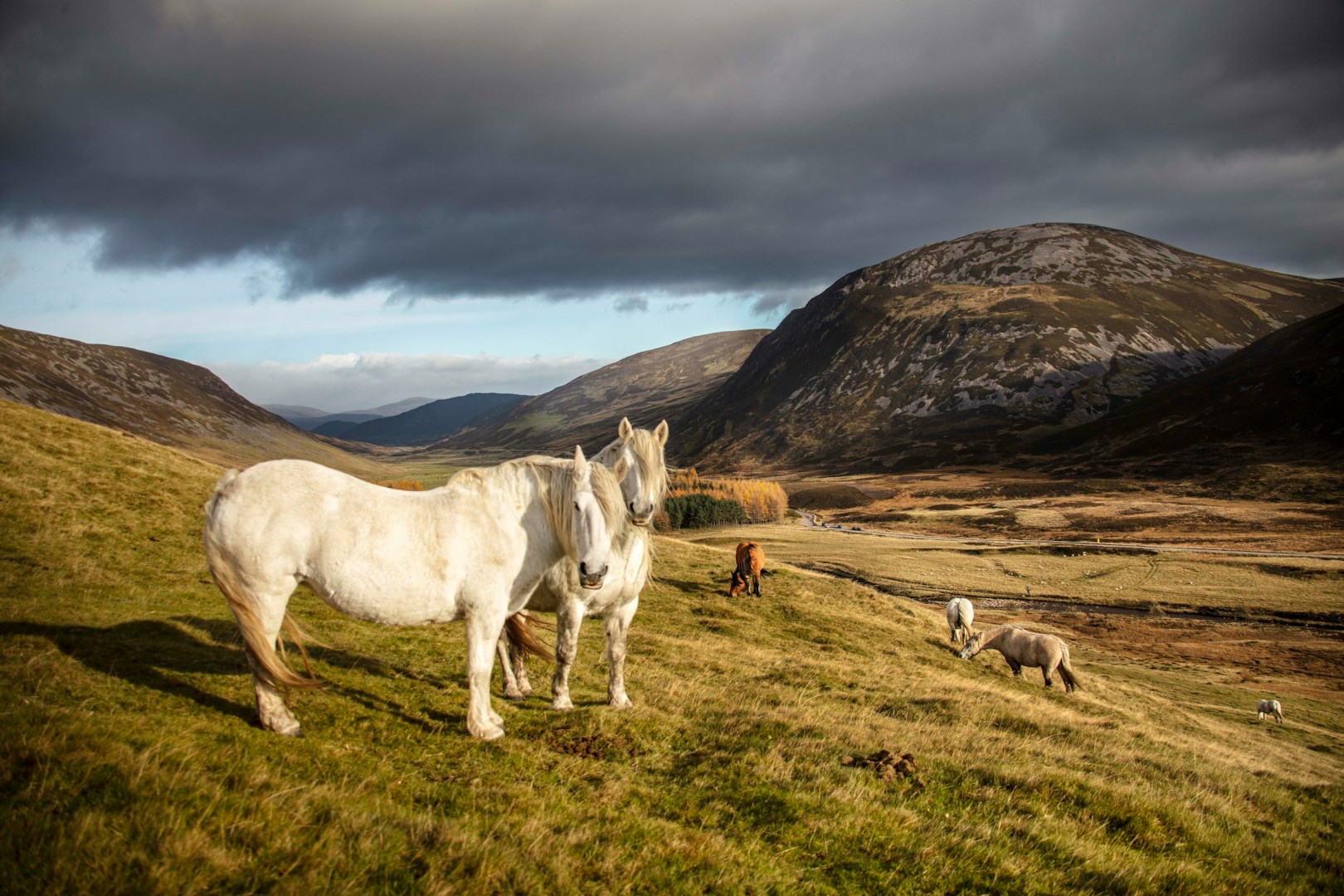
Nestled in the heart of the Cairngorms National Park, Braemar is a charming Highland village that captures the rugged spirit and natural grandeur of Scotland. Surrounded by heather-covered hills, ancient forests, and rushing rivers, it has long served as a gateway to Royal Deeside and a favored retreat of the British royal family.
Noto
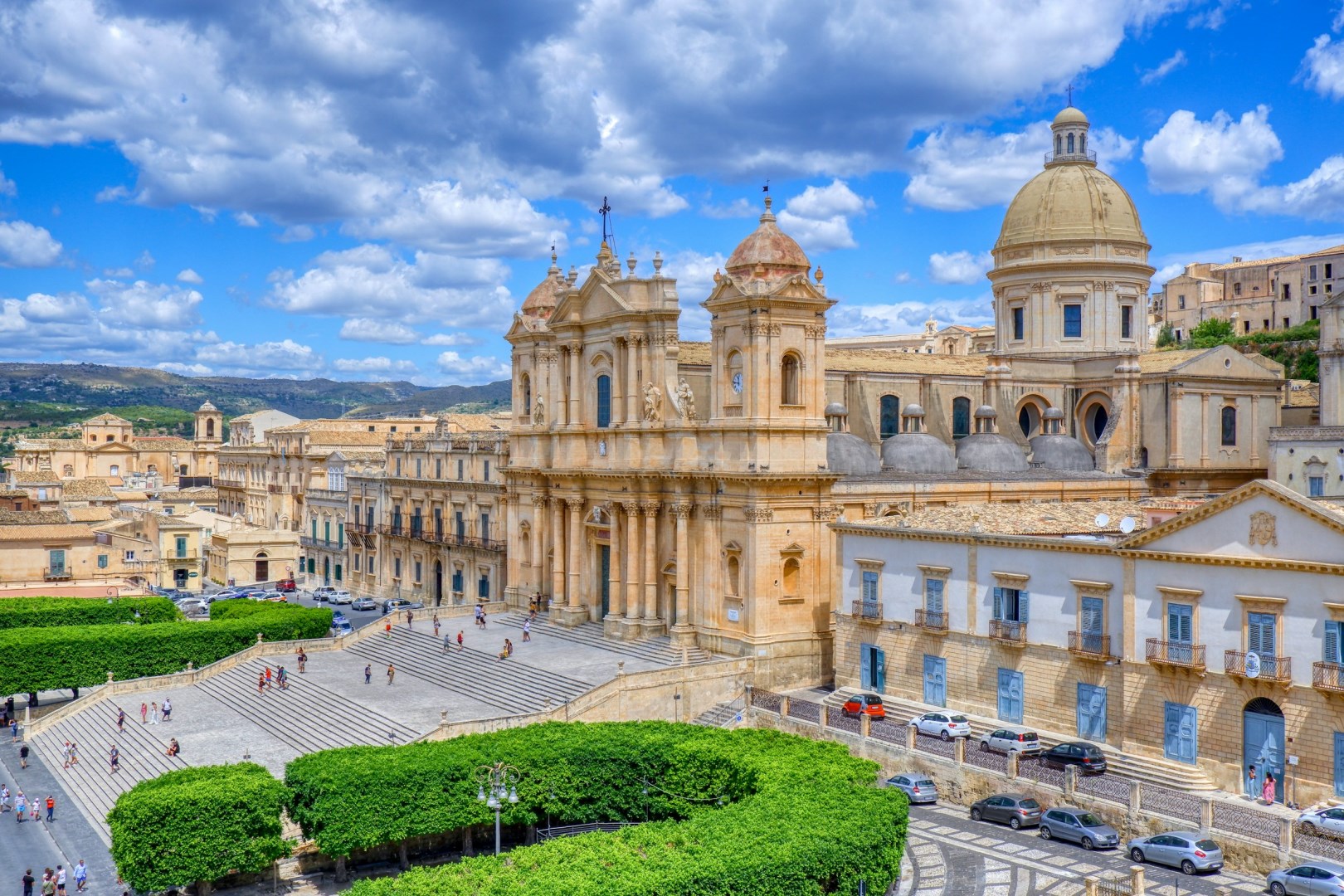
Noto is a hilltop city in southeastern Sicily, know for its carefully planned historic center and extensive use of warm-colored local limestone. Its main streets and squares are lined with churches, monasteries, palaces, and civic buildings whose carved facades create a unified architectural character.
Shenandoah National Park
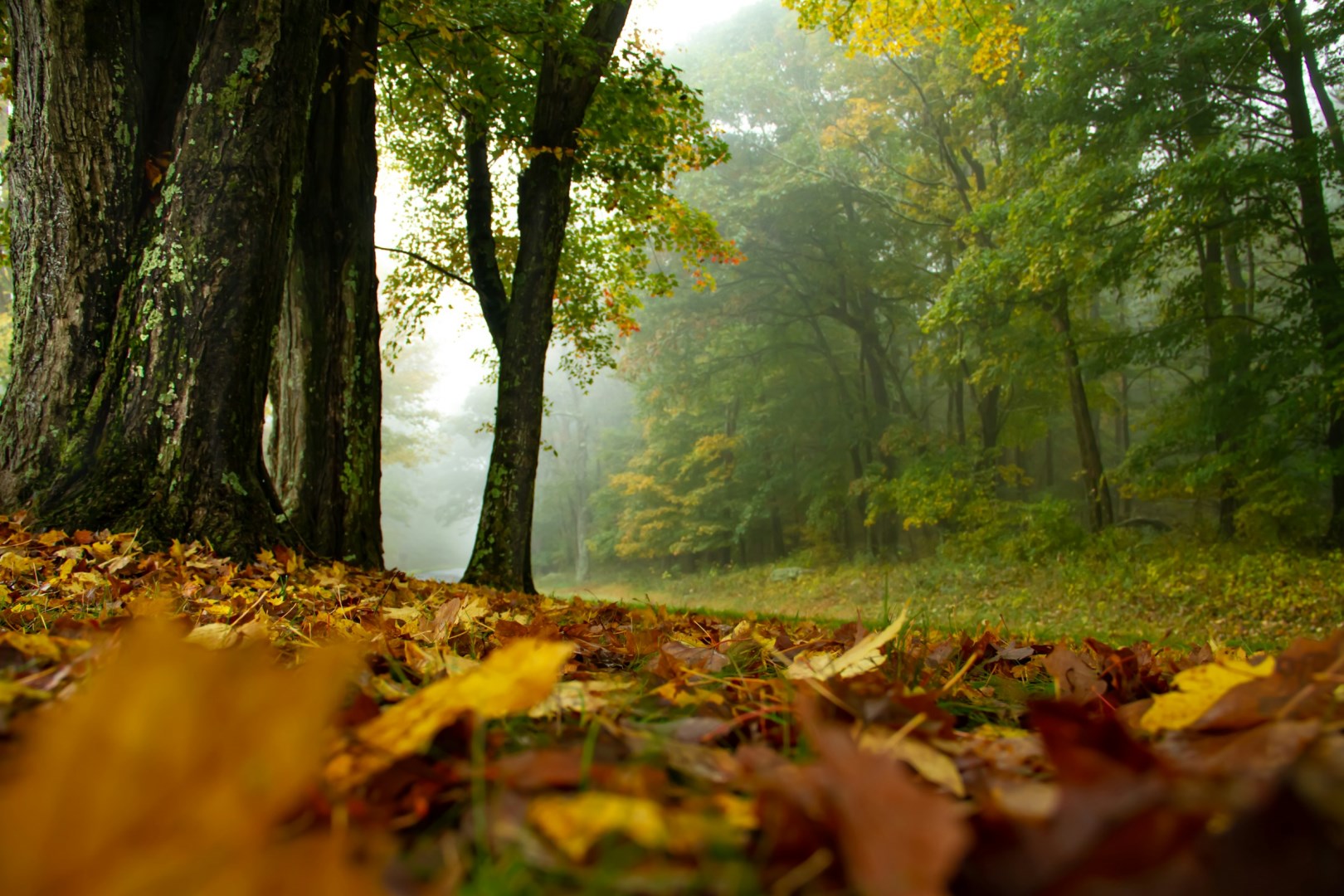
Shenandoah National Park follows the crest and eastern slopes of Virginia’s Blue Ridge Mountains, protecting a long, narrow landscape of forests, ridges, streams, and mountain valleys. The park stretches along Skyline Drive, a scenic road that provides access to numerous overlooks and trailheads. Elevations vary considerably across the park, creating changes in vegetation and climate over relatively short distances.