
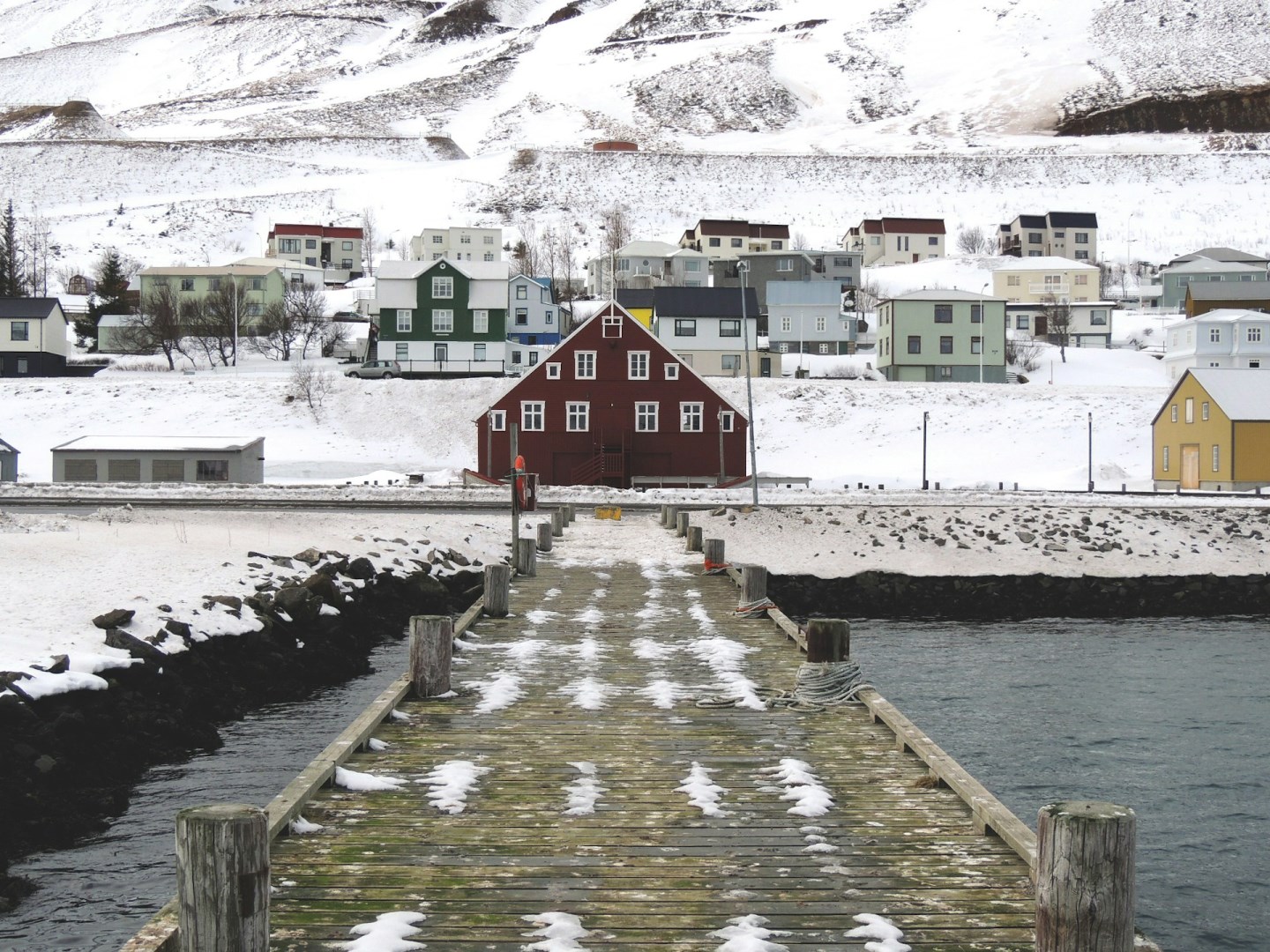
Siglufjörður
Siglufjörður is Iceland’s northernmost mainland town, set at the head of a narrow fjord on the mountainous Trollaskagi Peninsula. Steep slopes rise closely around the harbor, giving the settlement a compact setting shaped by the sea and mountains. Fishing remains central to local life, while the harbor, small streets, cafés, galleries, and museums reflect the town’s role as a regional community.
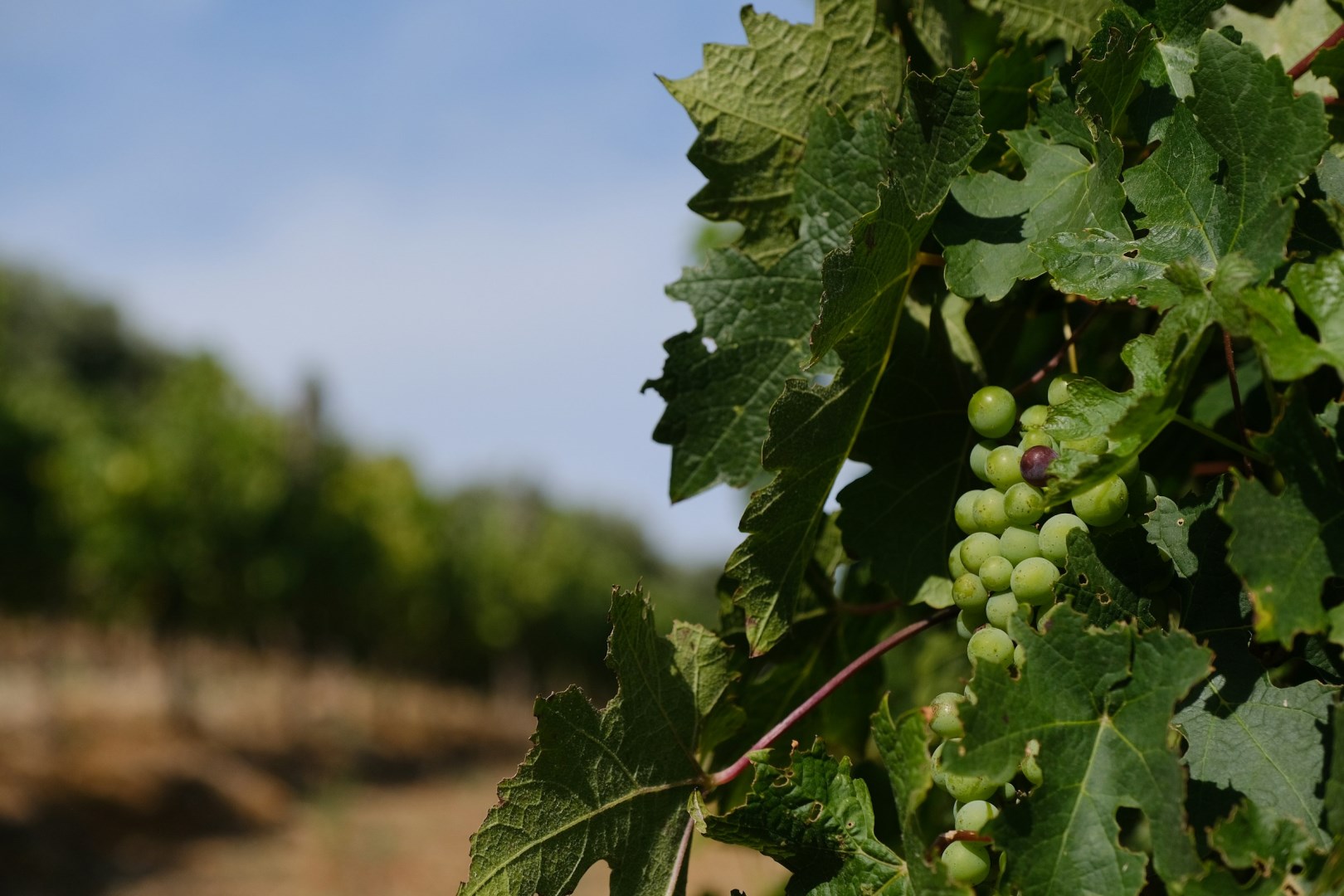
Cape Winelands
Cape Winelands is a wine-producing region in South Africa’s Western Cape, centered on towns such as Stellenbosch, Franschhoek, and Paarl. Vineyards cover broad valleys beneath the Hottentots Holland, Simonsberg, and Drakenstein mountain ranges, creating a landscape where cultivated farmland meets rugged slopes. Stellenbosch is known for its historic town centre and concentration of wine estates, while Franschhoek has a strong connection to French Huguenot heritage.

Hurghada
Hurghada, located on the western shore of the Red Sea, is a vibrant Egyptian city known for its stunning beaches and thriving marine life. As one of Egypt's premier resort destinations, it offers an array of activities for beachgoers and adventure seekers alike. The city's pristine beaches are perfect for relaxing, while the warm, crystal-clear waters invite visitors to dive into a world of colorful coral reefs and diverse marine species.
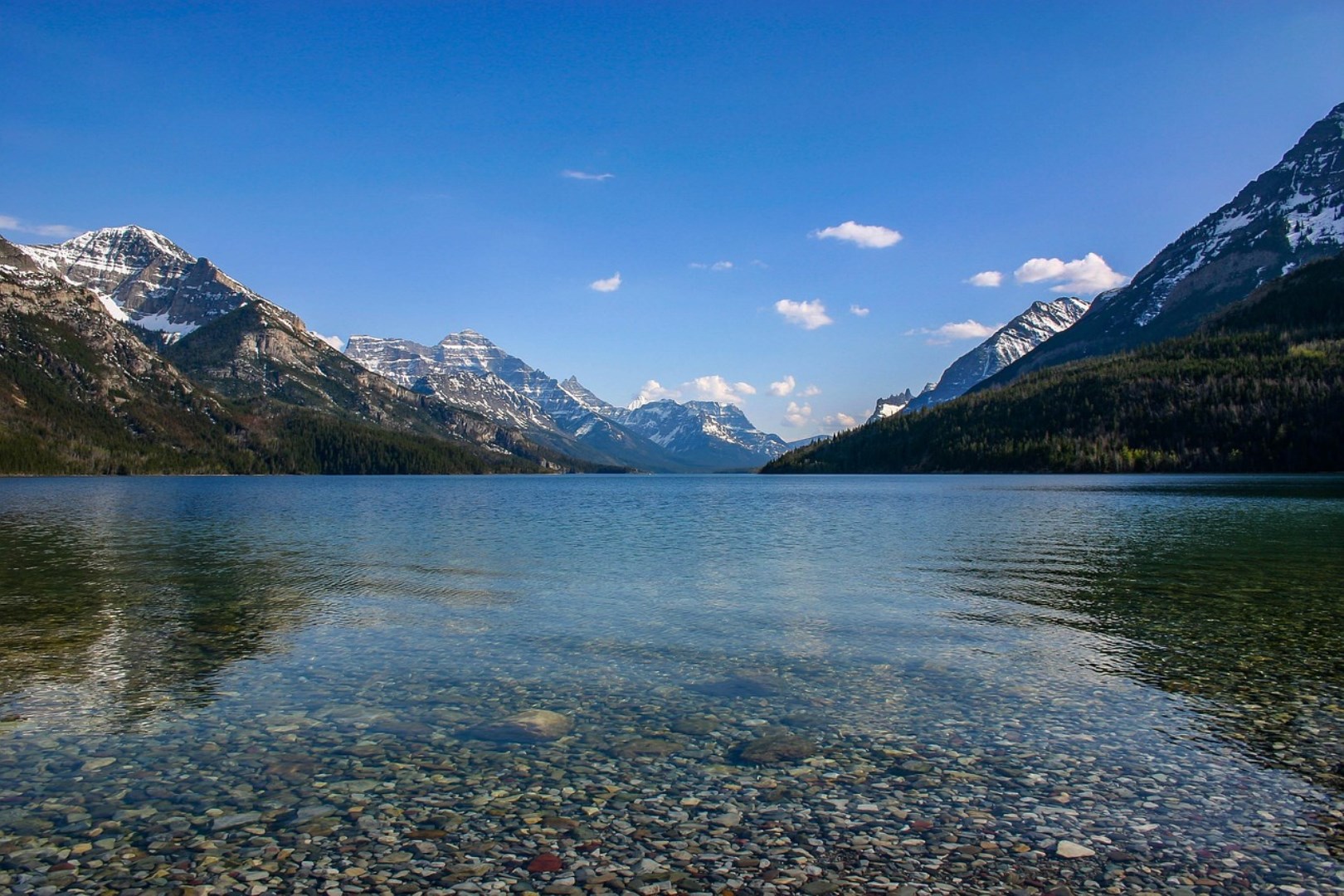
Waterton Lakes National Park
Together with neighboring Glacier National Park in the United States, Waterton Lakes National Park is part of the world's first international Peace Park, which was recognized as a UNESCO World Heritage Site in 1955. The Waterton-Glacier Peace Park protects an important biological crossroads where the Rocky Mountains reach their narrowest width. Waterton's bedrock is much older than that of the mountains to the north found in Jasper and Banff.
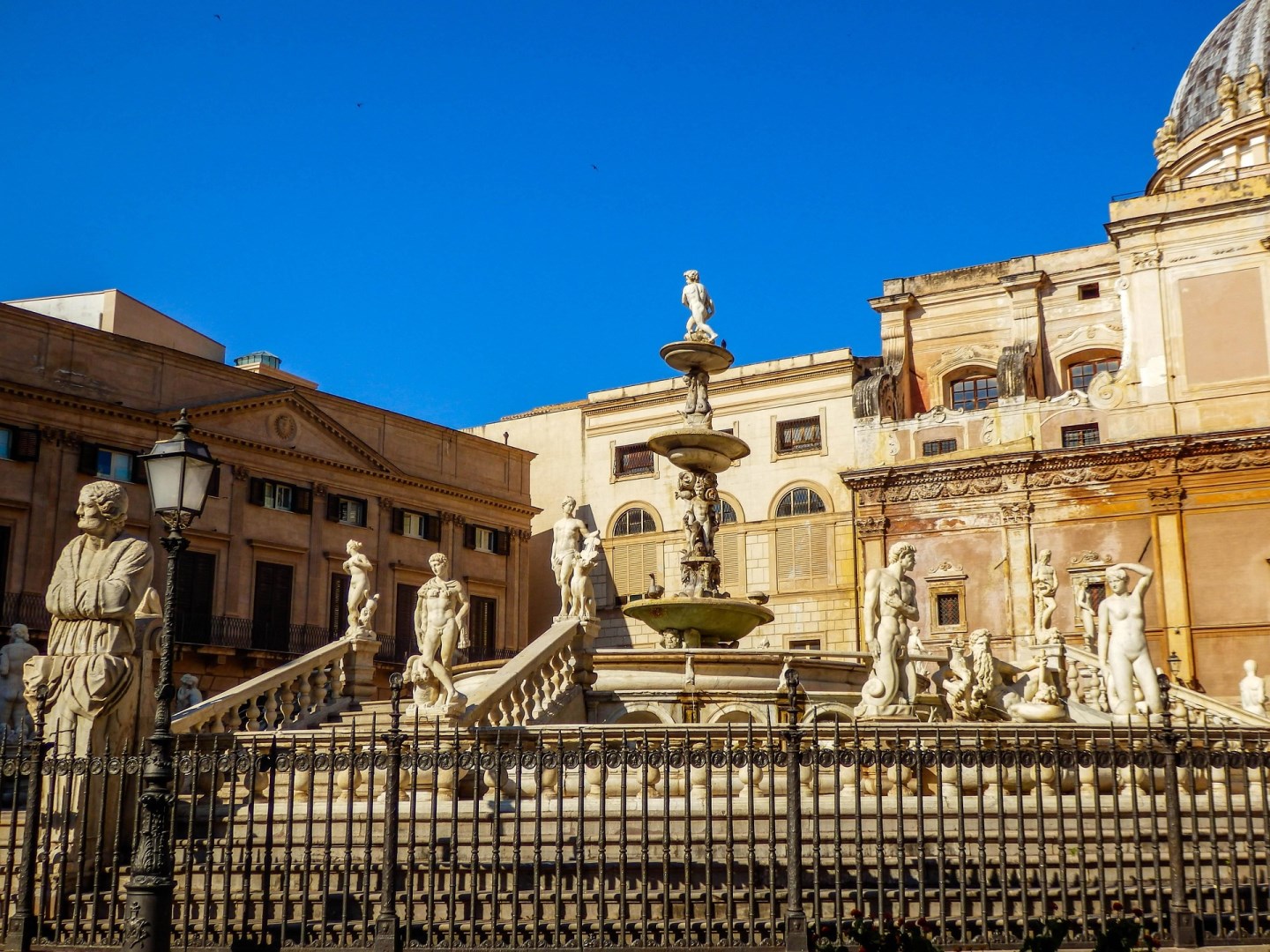
Pretoria
Pretoria, one of South Africa’s three capital cities, serves as the administrative capital and is renowned for its stately architecture, tree-lined avenues, and historical significance. Established in the mid-19th century, it reflects a blend of colonial Dutch, British, and Afrikaner influences.
