
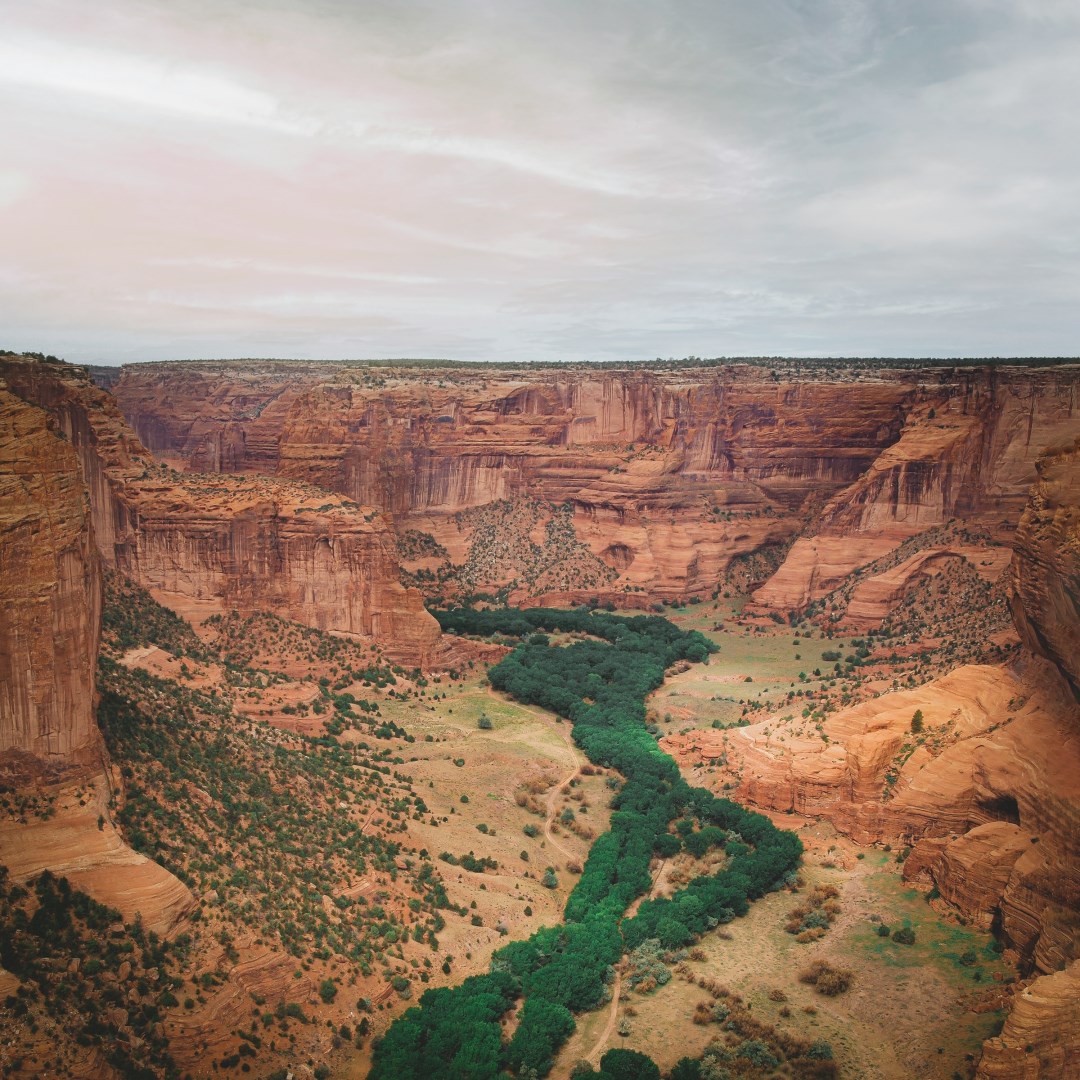
Canyon de Chelly National Monument
Canyon de Chelly National Monument lies in northeastern Arizona on Navajo Nation land, surrounding a network of deep sandstone canyons near Chinle. The monument is distinctive because it is both a protected landscape and a living community, with Diné families continuing to farm, raise livestock, and maintain homes within the canyon.
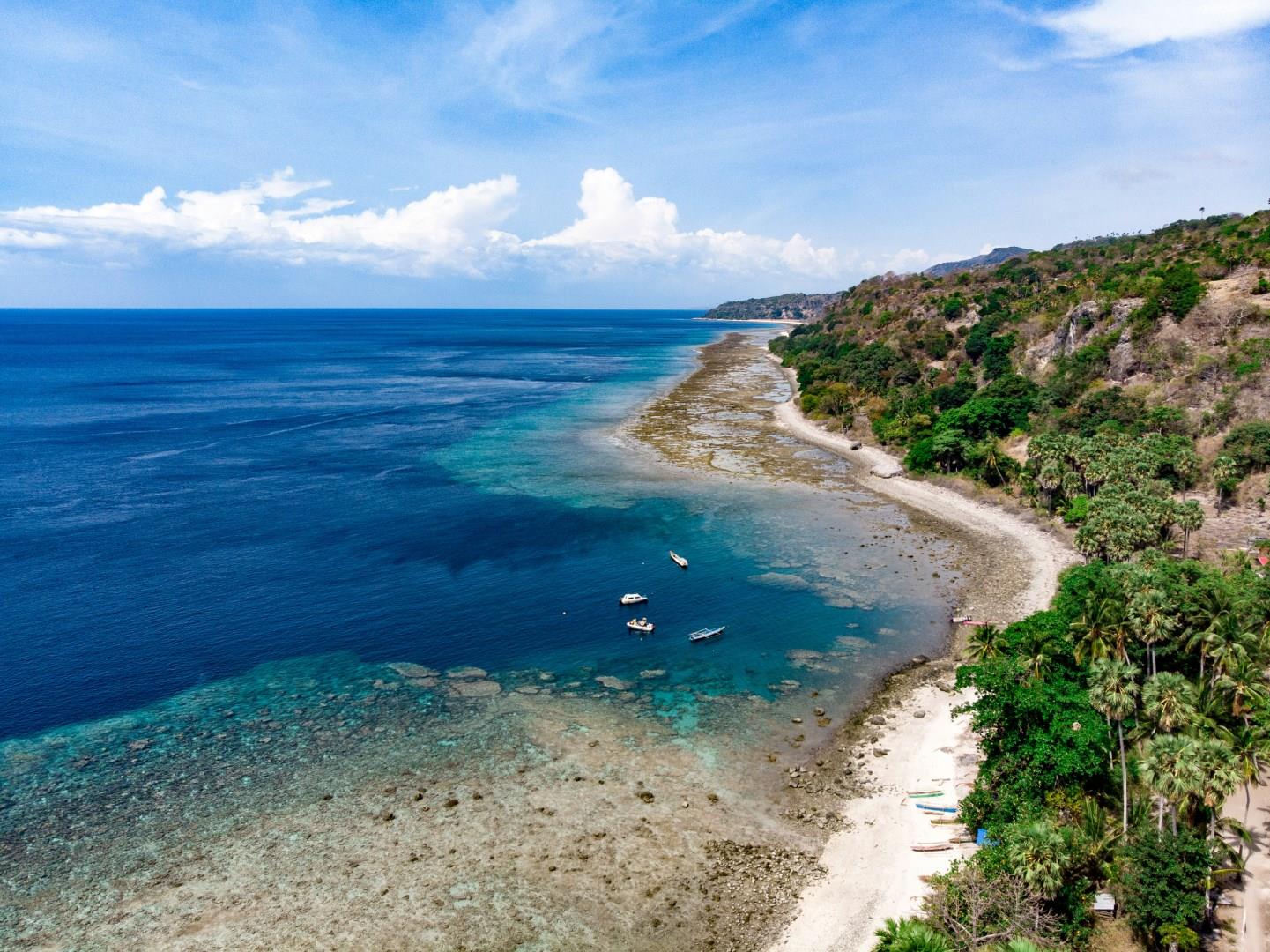
Adara
Adara is a small, remote village on Atauro Island in Timor-Leste, known for its quiet charm and deep connection to the sea. Nestled between steep mountain slopes and the turquoise waters of the Wetar Strait, the community lives largely from fishing and small-scale agriculture.

Detroit
Located in southeast Michigan state between Lake Erie and Lake Huron, this is the "Motor City" - it is the center of the American Car industry.
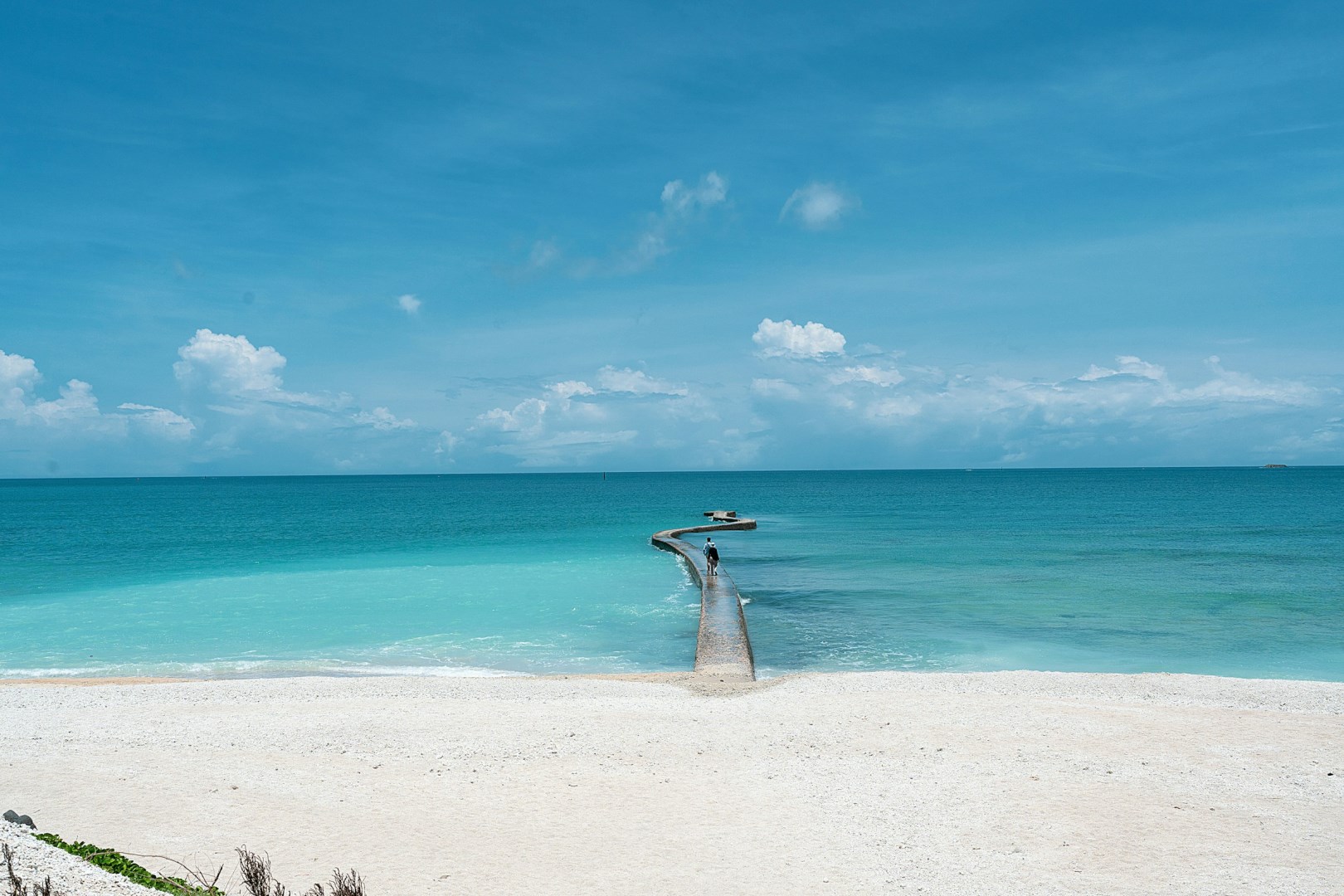
Magong
Magong is the main city of Penghu County, an island group in the Taiwan Strait known for low volcanic landscapes, coastal waters, and traditional fishing communities. The city serves as Penghu's administrative and commercial center, with a waterfront, harbor, markets, temples, and narrow streets surrounding its older districts. Its position makes it a practical base for exploring nearby islands and coastal attractions.

Woodstock
Woodstock is a historic market town in Oxfordshire, located beside the grounds of Blenheim Palace and surrounded by the countryside of the Cotswolds. Its compact centre is lined with honey-coloured stone buildings, independent shops, galleries, cafés, and traditional pubs. The town’s Market Place and Town Hall form a natural focal point, while streets such as Park Street and Oxford Street reveal a mixture of Georgian and older architecture.
