

Veracruz
Veracruz, Mexico, is a vibrant port city rich in history and culture. Founded in 1519 by Hernán Cortés, it is Mexico’s oldest city, and its historic center, with its colorful colonial buildings and bustling Zócalo, reflects its deep historical roots. Visitors can explore the impressive San Juan de Ulúa Fortress, a massive colonial-era fort that once served as a prison and a key military base.

Stone Town
As a UNESCO World Heritage site, Stone Town boasts narrow, winding streets lined with towering stone buildings adorned with beautifully carved wooden doors, reflecting its rich history as a major trading hub.

Charlotte Amalie
With its mix of history, culture, and breathtaking natural beauty, Charlotte Amalie offers an unforgettable Caribbean experience. Whether you’re soaking up the sun on a world-class beach or diving into the island’s rich heritage, there’s something for everyone in this captivating destination.
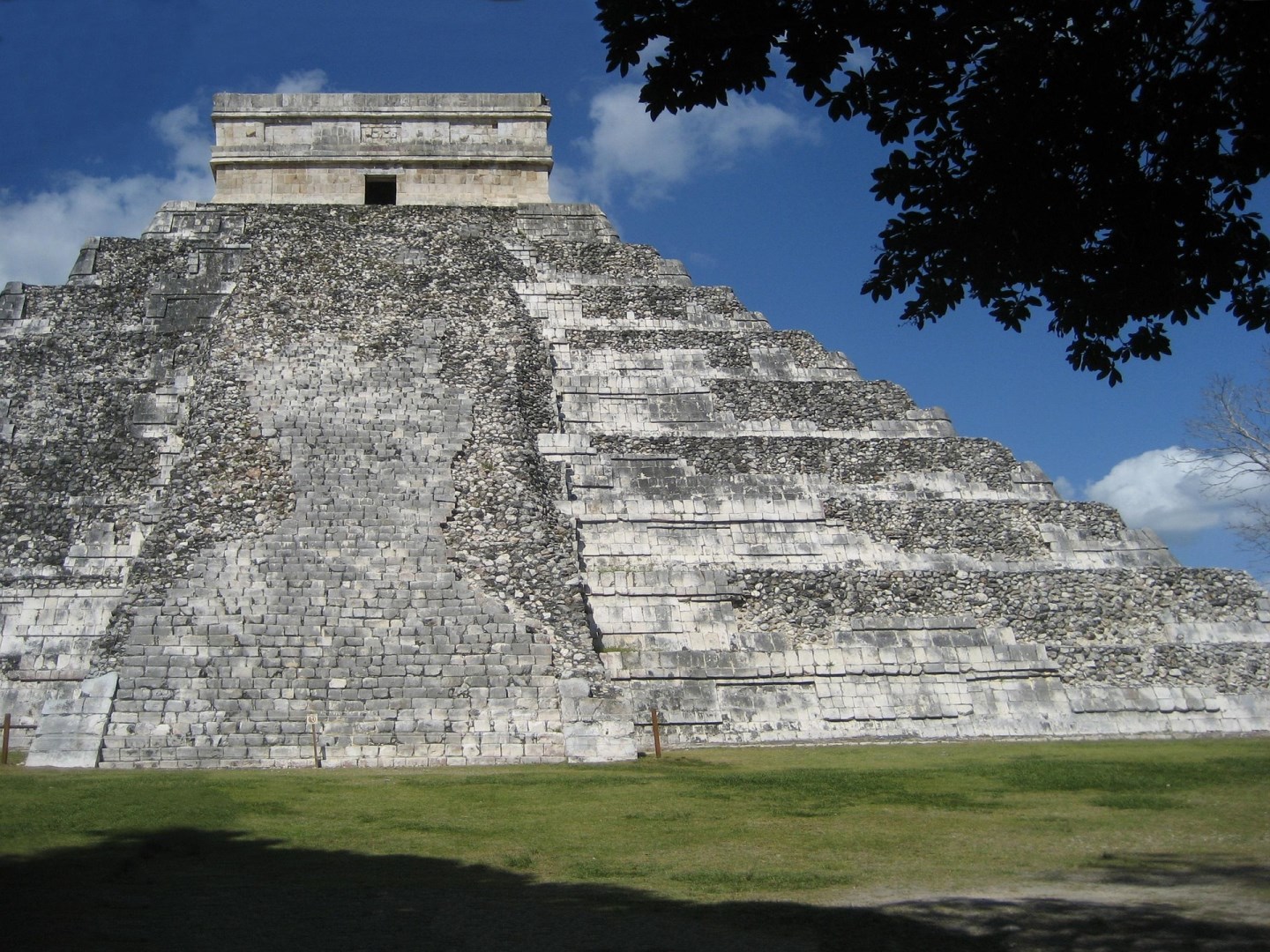
Chichén Itzá
Located on the Yucatan Peninsula of Mexico, Chichen Itza is the site a well preserved Mayan ruins, including several large pyramid structures and more.
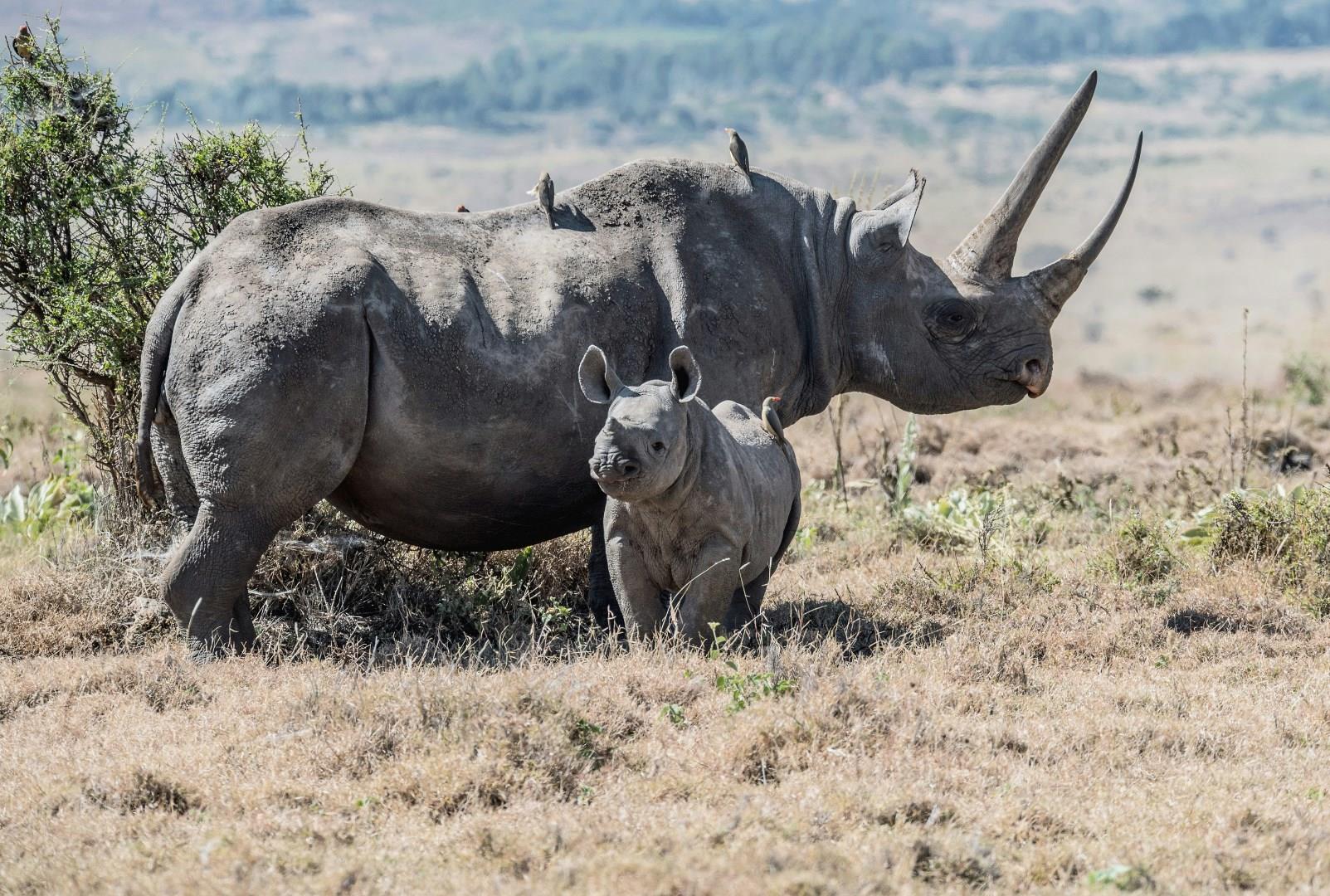
Lewa Wildlife Conservancy
Lewa Wildlife Conservancy lies in northern Kenya at the foothills of Mount Kenya, where open savannah, wooded hills, and seasonal rivers create a varied and striking landscape.
