
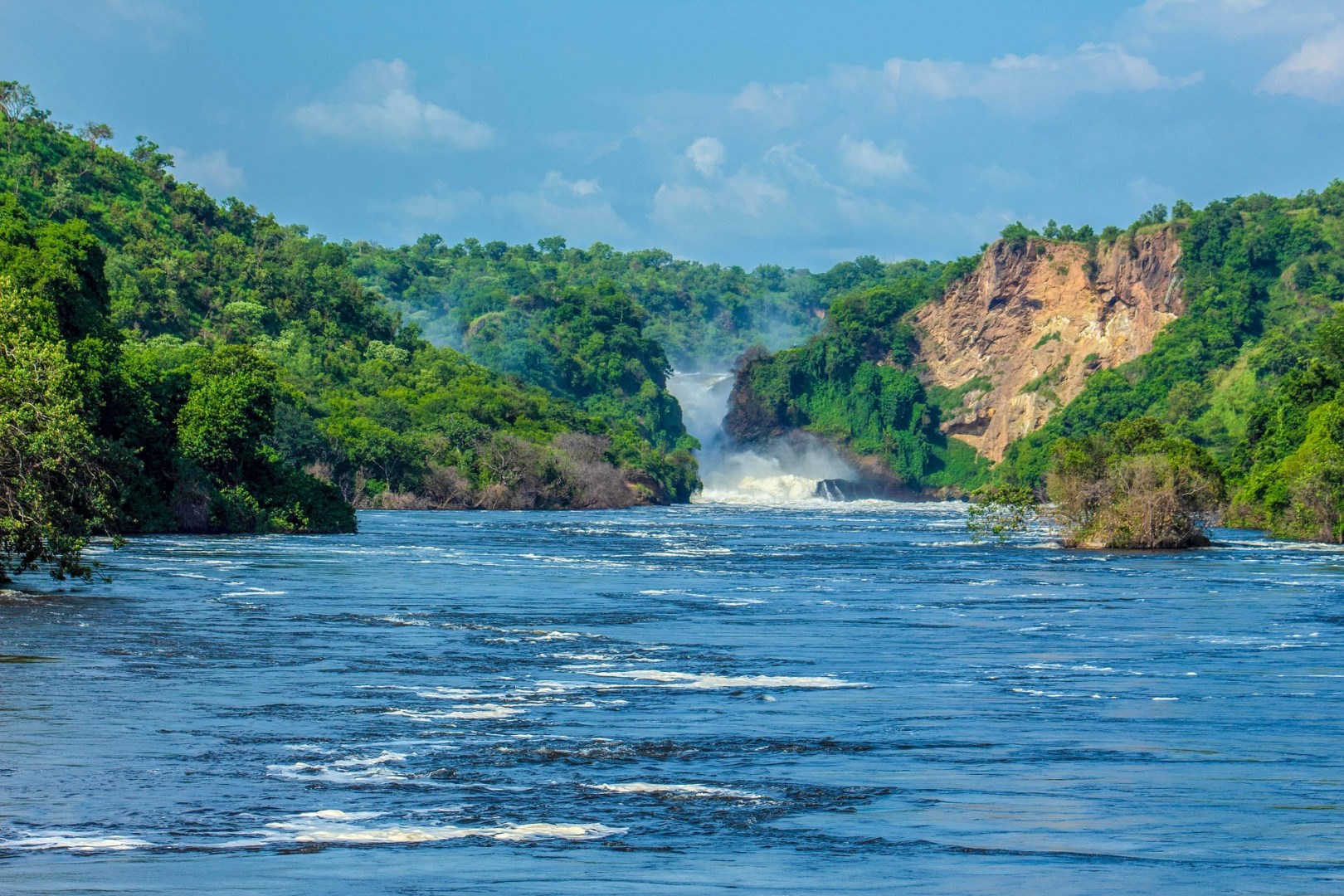
Murchison Falls
Murchison Falls is one of Uganda’s best-known natural landmarks, located within Murchison Falls National Park in the northwestern part of the country. The waterfall forms where the Victoria Nile is forced through a narrow gorge before dropping over the rocks and continuing toward Lake Albert.

Gjógv
Nestled in the stunning landscape of Eysturoy in the Faroe Islands, Gjógv is a picturesque village that feels like a scene straight out of a fairy tale. Known for its dramatic cliffs and tranquil surroundings, Gjógv is named after the natural gorge that cuts into its coastline. The gorge, stretching 200 meters inland, serves as a natural harbor and has long been a lifeline for the village's fishing industry.
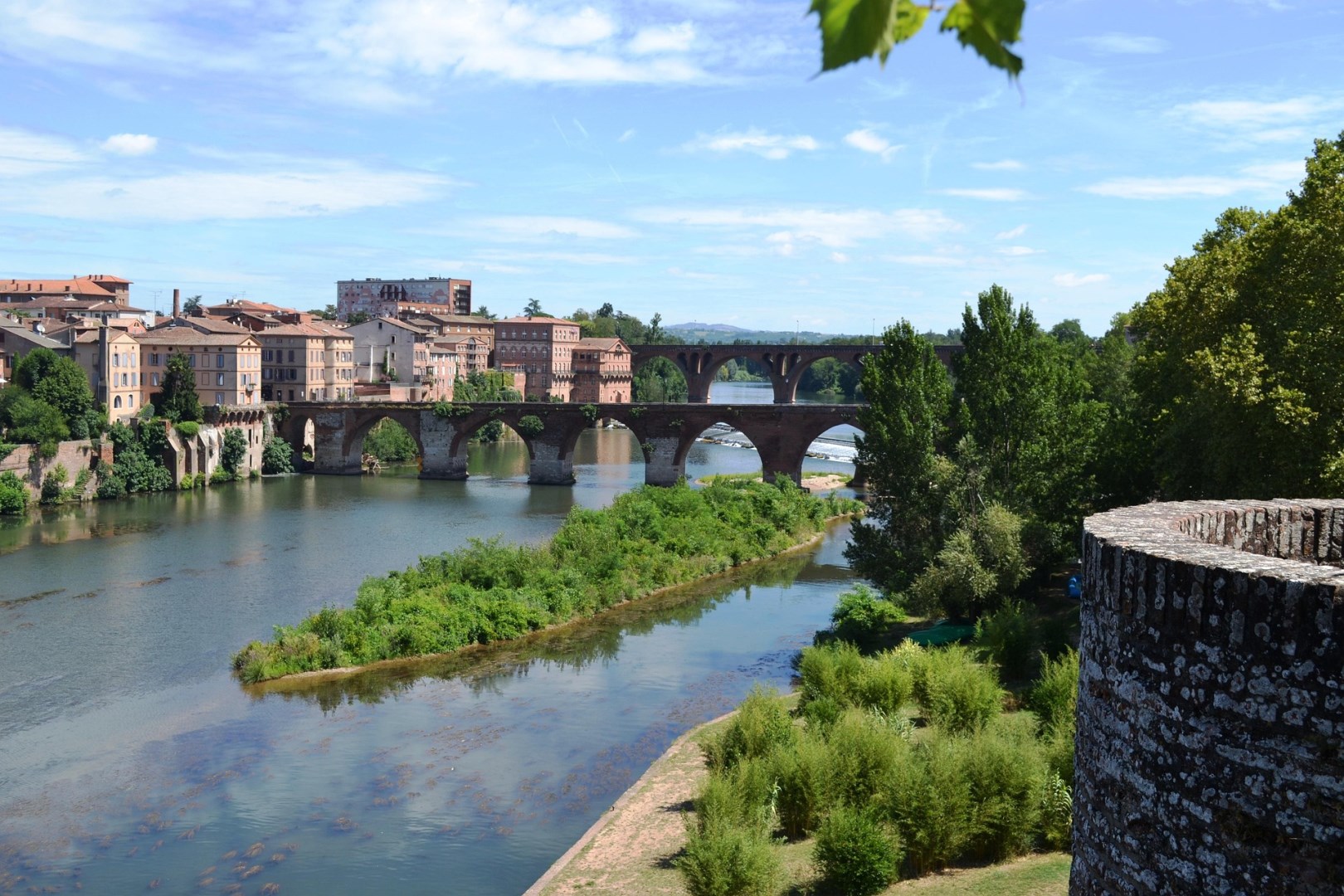
Albi
Albi is a city on the River Tarn in southwestern France, known for its distinctive red-brick architecture and compact historic centre. Its Episcopal City, a UNESCO World Heritage Site, brings together the imposing Sainte-Cécile Cathedral, the former Berbie Palace, the Saint-Salvi quarter, and the Pont-Vieux. The city is often called “Albi la rouge” because of the warm tones of its brick buildings.

Messina, Sicily
Messina sits on the northeastern tip of Sicily, facing the narrow Strait of Messina. Its position has long made it a key port connecting the island to mainland Italy. The city is shaped by its harbor, hillside neighborhoods, and views across the water toward Calabria. Messina stands out for its role as a gateway, with active ferry routes and a layout that blends rebuilt urban areas with historic landmarks and coastal scenery.
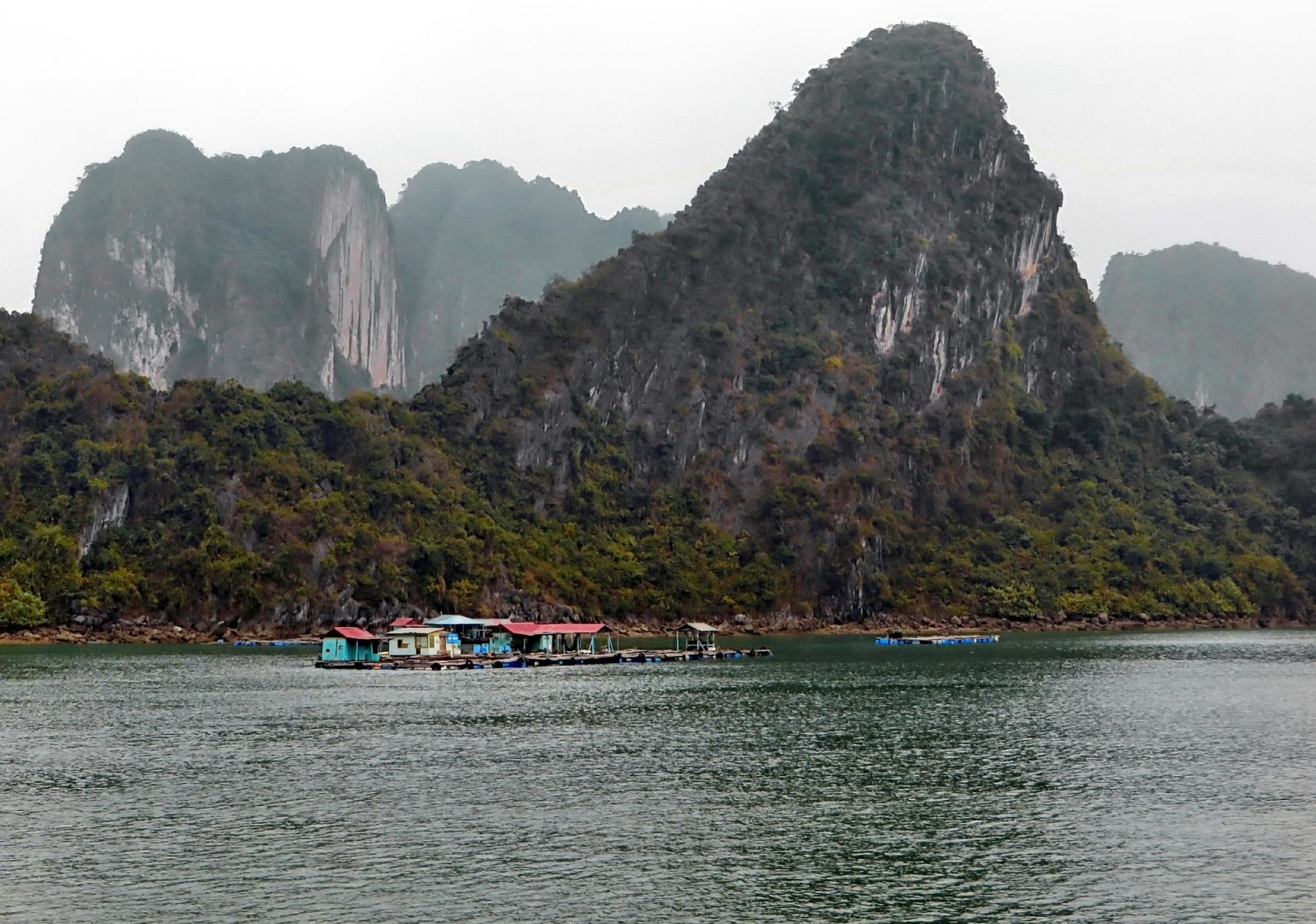
Hạ Long
Ha Long is a coastal city in Quang Ninh Province in northeastern Vietnam, best known as the gateway to Ha Long Bay. The city stretches along the Gulf of Tonkin and combines a modern waterfront, residential districts, fishing communities, and port facilities. Offshore, Ha Long Bay contains hundreds of limestone islands and islets rising from the sea, creating a landscape shaped by geological and marine processes.
