
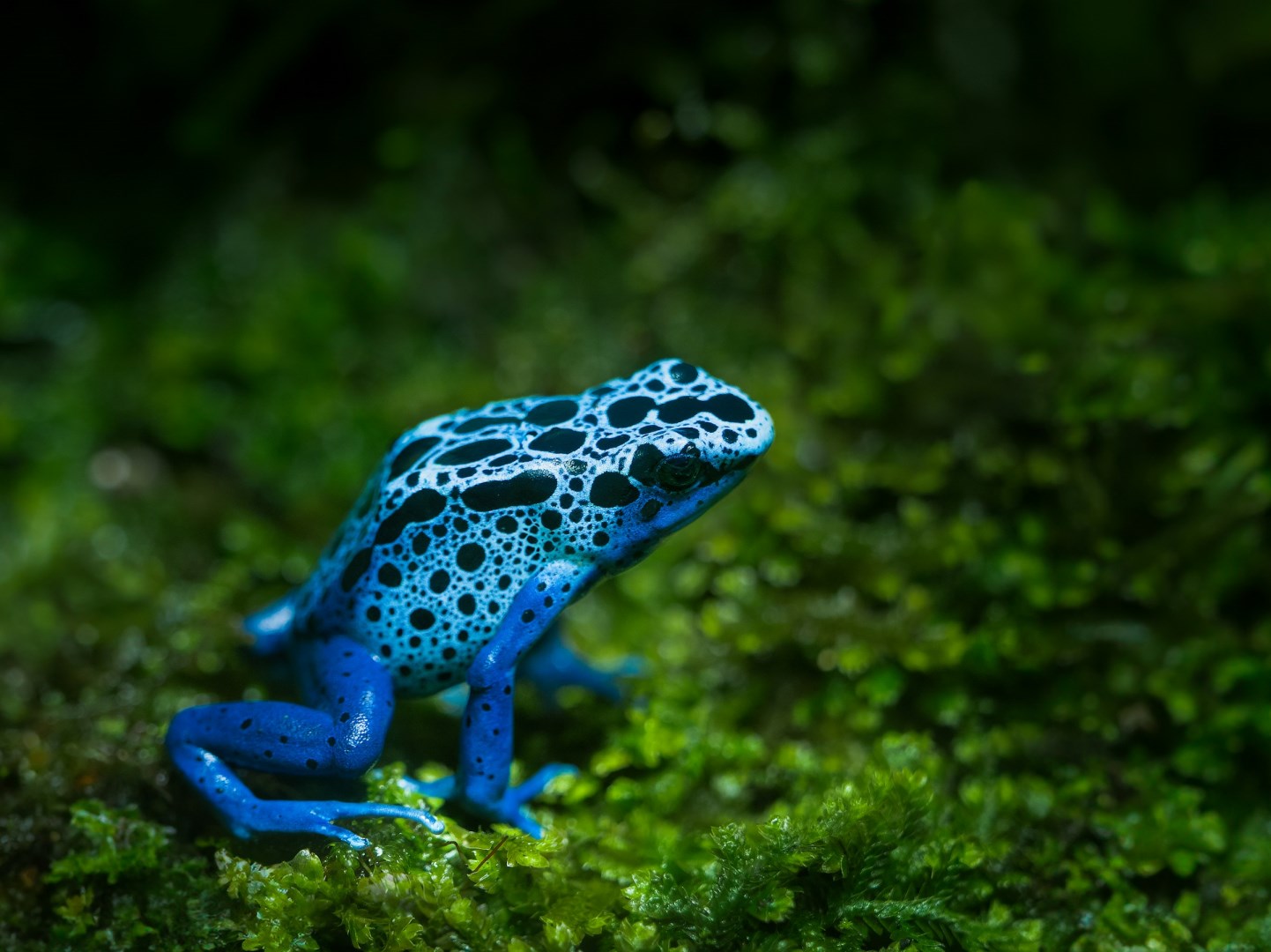
Suriname
Suriname’s forests cover more than nine‑tenths of the country and house an astounding array of wildlife. The Central Suriname Nature Reserve, one of the largest rainforest sanctuaries on Earth, shelters jaguars, giant river otters, and hundreds of bird species. Nearer the capital, Brownsberg Nature Park offers forest trails and waterfalls amid 1,450 plant and 350 bird species, just a short drive from Paramaribo.
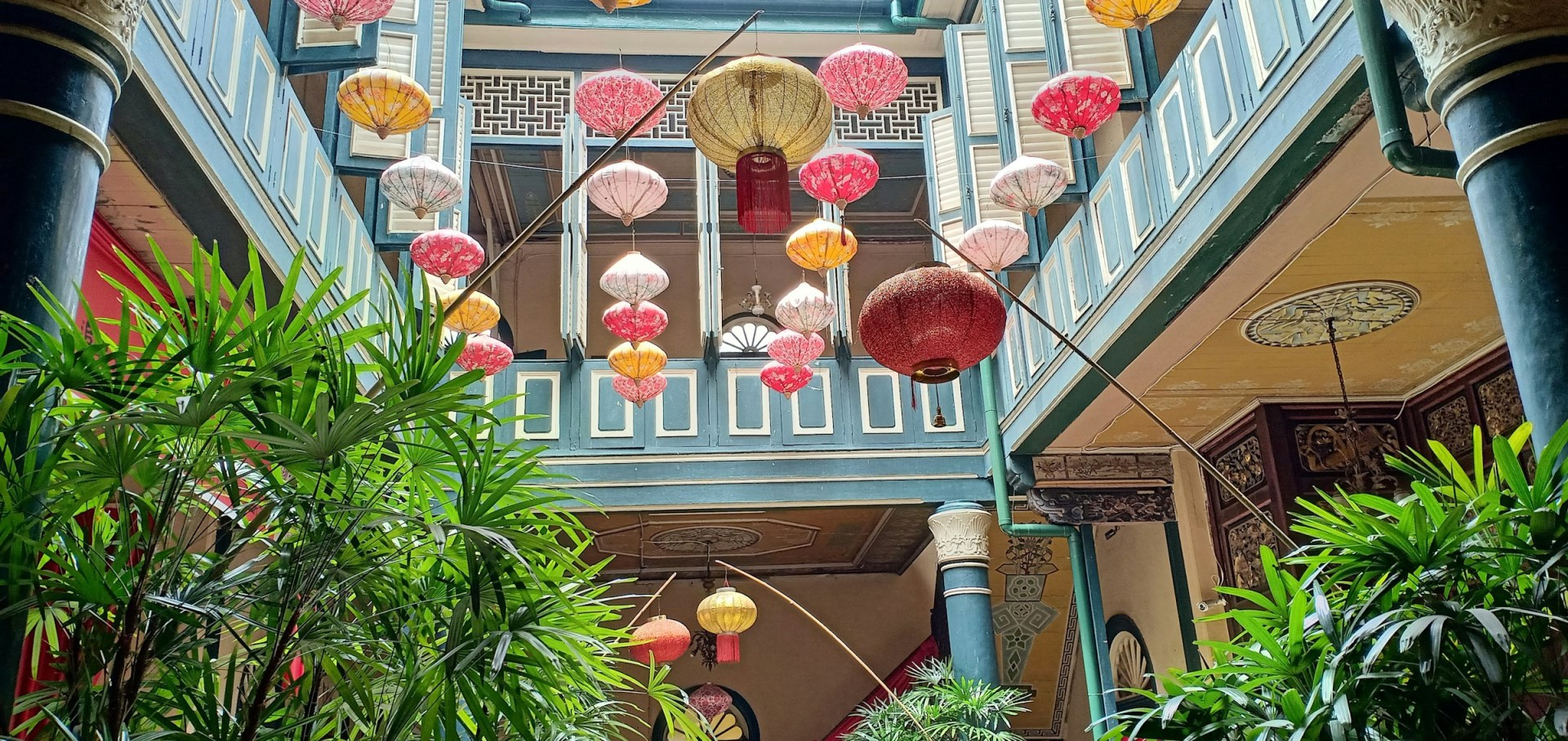
Medan
Medan is the capital of north Sumatra and the third largest city in Indonesia. It is a huge, sprawling city and a popular entry/exit point for travellers. The solid Dutch buildings of the affluent older suburbs inspire images of bloated bureaucrats and burghers from the colonial era, while jerry-built lean-tos house the bulk of its population.
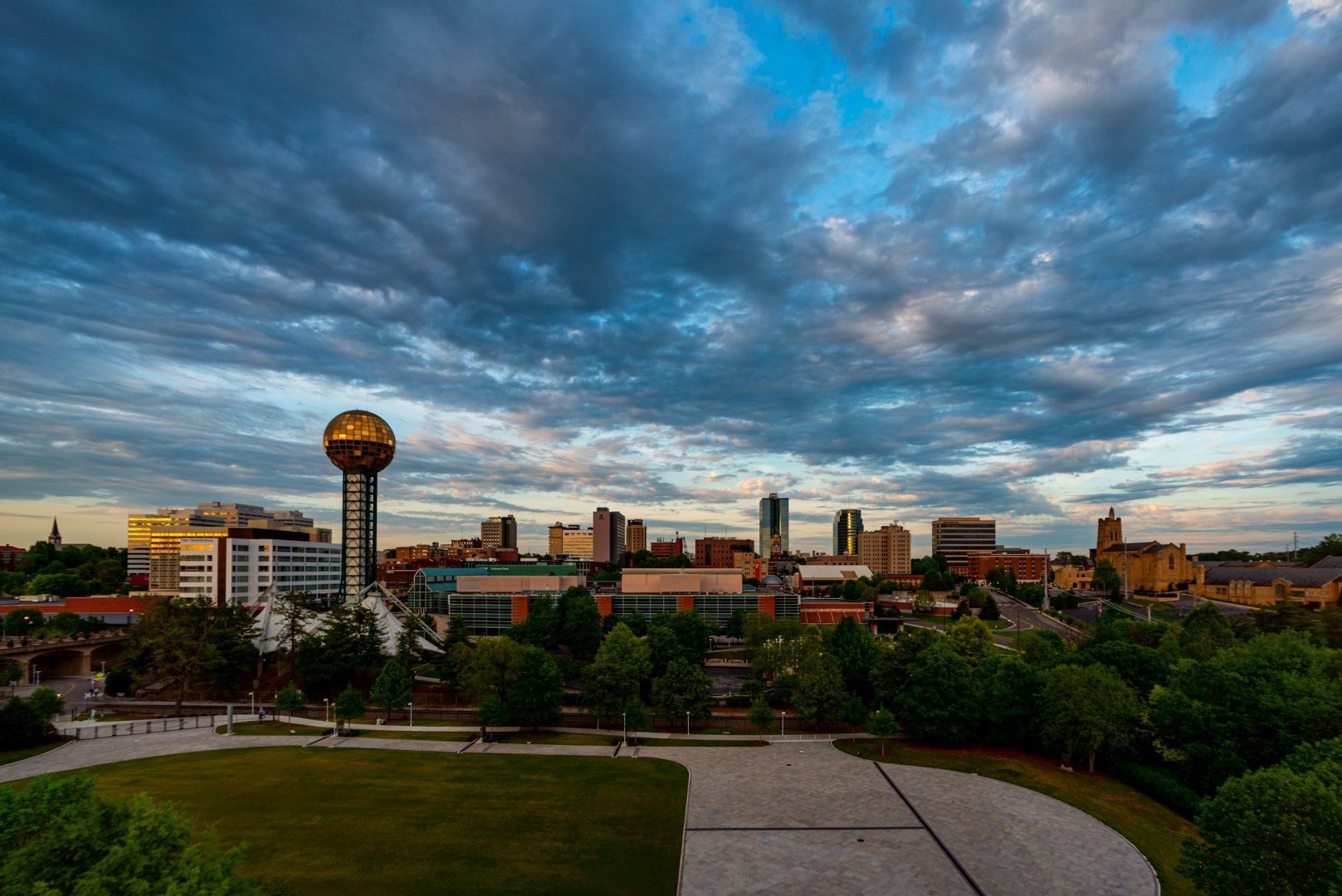
Knoxville
Knoxville sits in the Great Valley of East Tennessee at the headwaters of the Tennessee River, with the Appalachian Mountains rising to the east and southeast. The city combines a historic downtown with riverfront parks, leafy neighborhoods, and easy access to outdoor areas.

Langkawi
Nestled in the Andaman Sea, Langkawi is an idyllic island escape renowned for its pristine beaches, lush landscapes, and vibrant culture. This Malaysian archipelago, comprising over 100 islands, boasts a range of natural wonders, including the Langkawi Sky Bridge, an architectural marvel suspended 700 meters above ground.
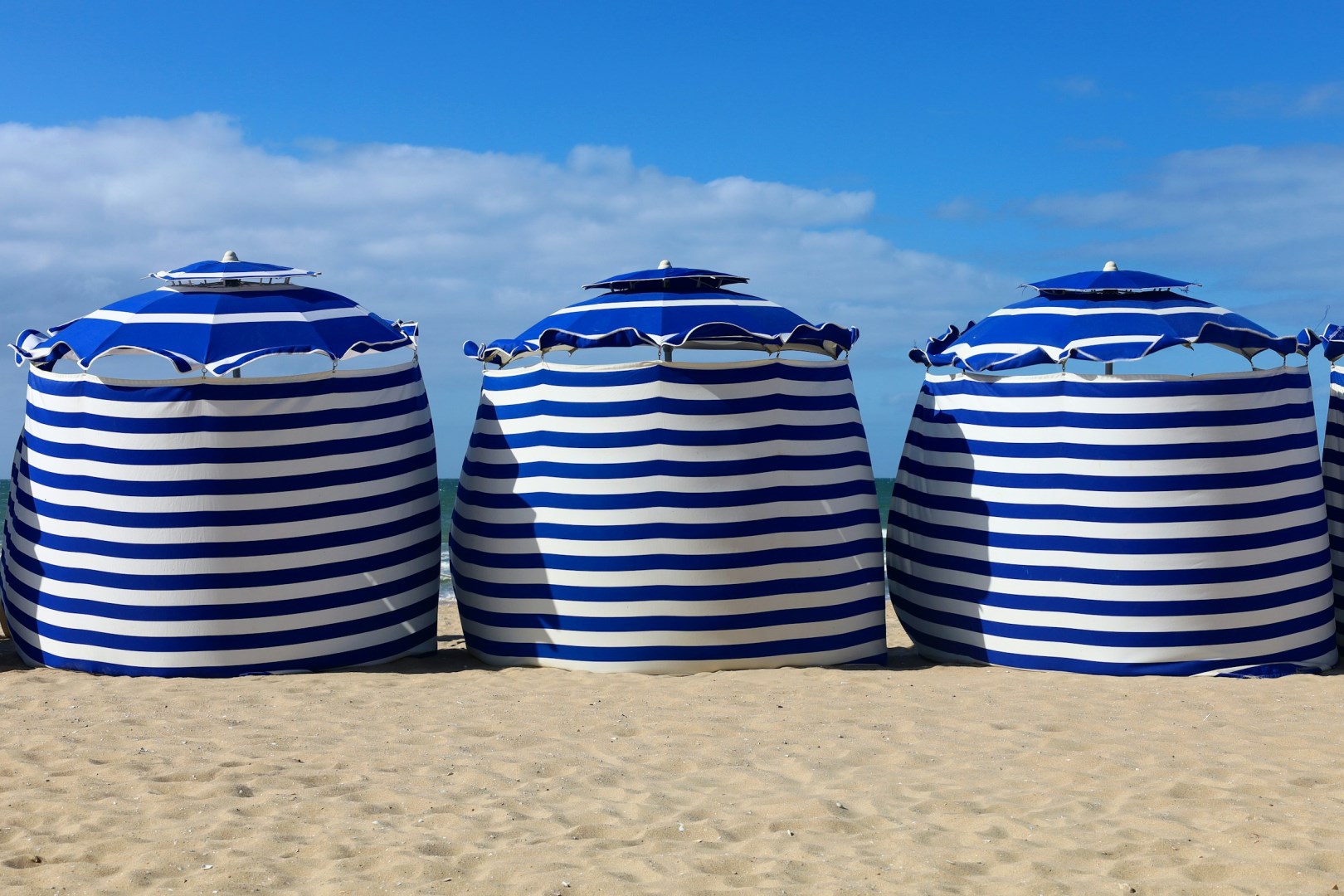
Cabourg
Cabourg is a seaside resort on the Côte Fleurie in Normandy, set where the River Dives reaches the English Channel. Its long sandy beach, broad promenade, and orderly streets give the town a distinctive coastal character, while Belle Époque villas and landscaped gardens reflect its development as a fashionable resort. The central Grand Hôtel stands beside the beach and casino, forming one of Cabourg's most recognisable landmarks.
