Groton is a coastal town in southeastern Connecticut, positioned between the Thames River and Long Island Sound. Its identity has been shaped by maritime trade, shipbuilding, military activity, and submarine technology, earning it the longstanding nickname “Submarine Capital of the World.” The town includes several distinct areas, from the historic waterfront of Groton Bank to beaches, wooded neighborhoods, and working industrial facilities.
Dikili leads the way to the ancient city of Pergamum, also known as Bergma. This city thrived under the Romans from the 2nd century BC to the 2nd century AD. One of the most fascinating aspects of the ancient site is the medical complex, Asklepieon, where advanced psychological treatments were practiced.
Salt Spring Island is the largest of British Columbia’s Southern Gulf Islands, situated between Vancouver Island and the mainland in the Salish Sea. The island is known for its forested hills, sheltered bays, small farms, and network of rural roads. Ganges serves as the main community and a centre for shops, galleries, cafés, and waterfront activity, while Fulford Harbour and Vesuvius provide additional ferry connections.
Leknes sits in the heart of Norway’s Lofoten Islands, a small town shaped more by geography than by long urban history. It developed as a regional hub for farming, fishing, and transport, serving surrounding villages spread across Vestvågøy. Rather than presenting a preserved past, Leknes reflects contemporary life in the north, practical and closely tied to seasonal rhythms.
Timor-Leste, one of the world’s youngest nations, is a place where resilience and cultural richness shape everyday life. Its history is deeply marked by centuries of Portuguese colonial rule, followed by Indonesian occupation and a long struggle for independence, achieved in 2002.
Photo Credit: Photo by Simon Wiedensohler on Unsplash
Photo Credit: Photo by Lucas Liang on Unsplash
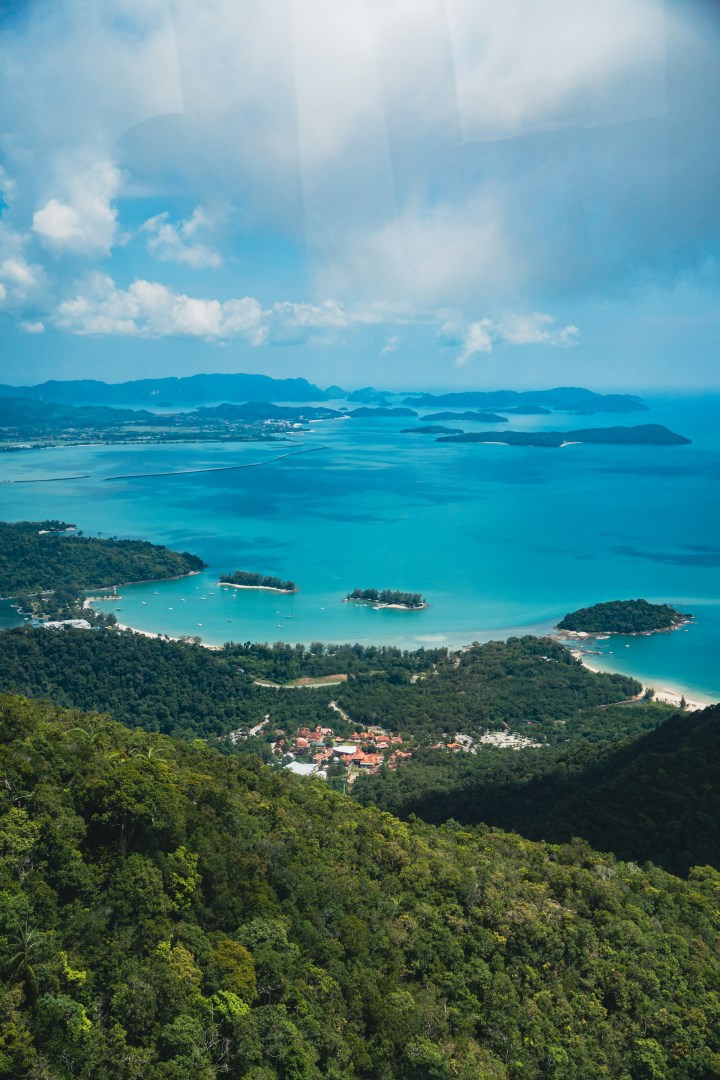
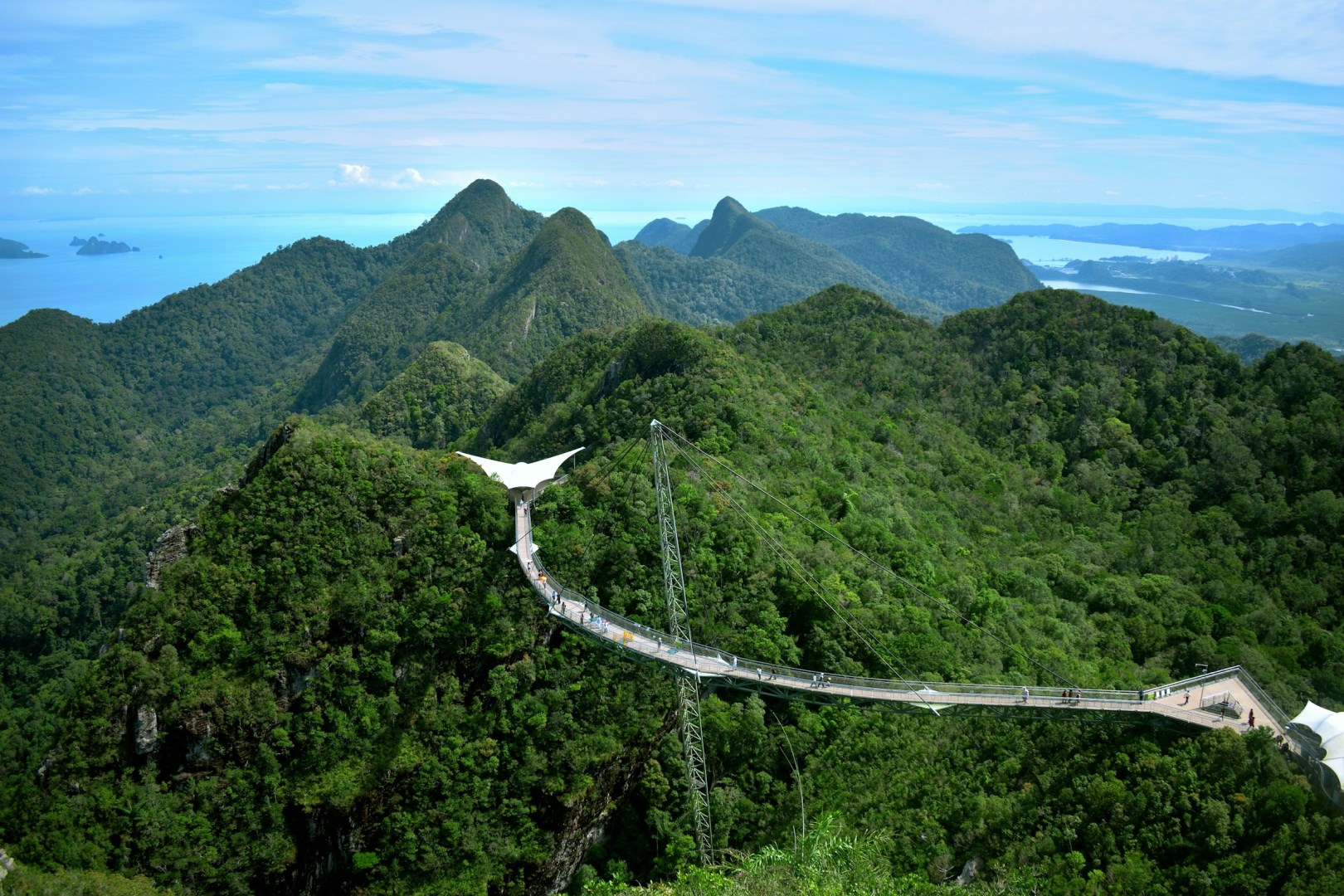
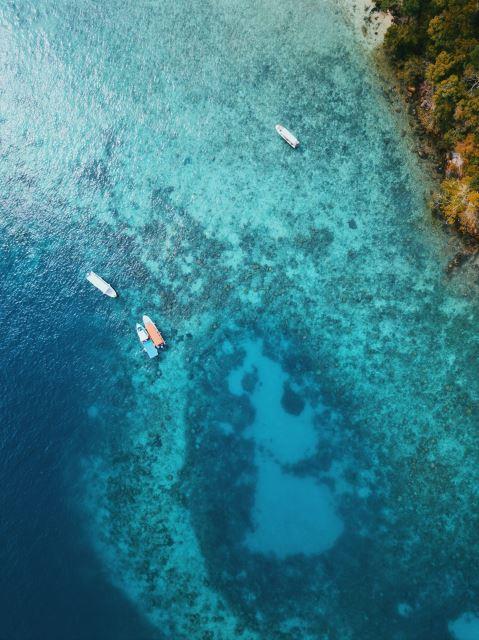
Nestled in the Andaman Sea, Langkawi is an idyllic island escape renowned for its pristine beaches, lush landscapes, and vibrant culture. This Malaysian archipelago, comprising over 100 islands, boasts a range of natural wonders, including the Langkawi Sky Bridge, an architectural marvel suspended 700 meters above ground. Spanning 125 meters in length, the bridge offers panoramic views of the surrounding rainforest and the Andaman Sea, making it a must-visit attraction for thrill-seekers and nature enthusiasts alike.
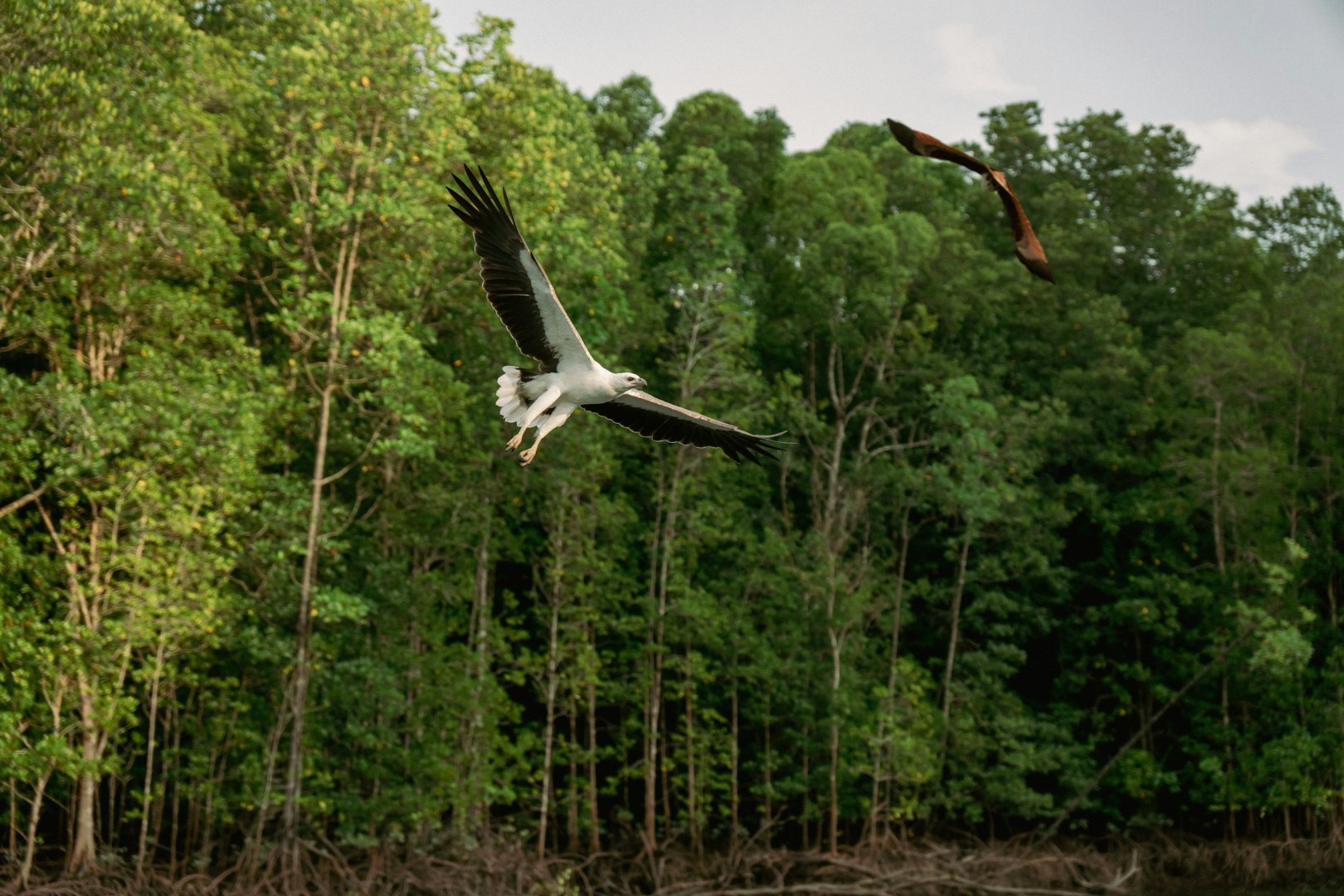
Langkawi is also celebrated for its Langkawi Geopark, which features diverse ecosystems and geological formations. Explore the Kilim Karst Geoforest Park, where you can navigate through mangrove forests, limestone cliffs, and intricate river systems. The park’s mangrove tours offer a close-up view of unique wildlife and plant species, making it a fascinating adventure for eco-tourists.
For those seeking relaxation, Langkawi’s Pantai Cenang is a vibrant beach destination with its bustling promenade, water sports activities, and lively nightlife. Alternatively, you can retreat to the serene shores of Tanjung Rhu for a more tranquil beach experience, where crystal-clear waters and powdery sands await. The island's warm tropical climate ensures that it’s an inviting destination year-round.
Fun Fact: Langkawi is home to the Langkawi Cable Car, which takes visitors on a spectacular 2.2-kilometer ride up to Gunung Mat Cincang. This ride offers breathtaking views of the island’s mountains and coastline, and on a clear day, you can see all the way to Thailand.
Other Popular Destinations in Malaysia
Kuala Lumpur
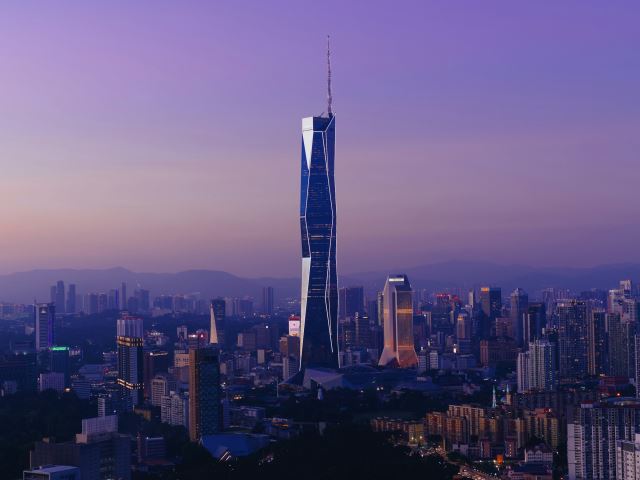
Kuala Lumpur, the capital of Malaysia, is a city where tradition and modernity meet in striking ways. Towering over the skyline are the Petronas Twin Towers, once the tallest buildings in the world, while at street level you’ll find lively markets, ornate temples, and colonial-era architecture.
Kota Kinabalu (Borneo)
Kota Kinabalu, the capital of Sabah on the island of Borneo, is a vibrant city where modern life meets wild landscapes. Overlooking the South China Sea and backed by lush rainforests and mountains, it serves as both a cultural hub and a gateway to Borneo’s extraordinary biodiversity.