
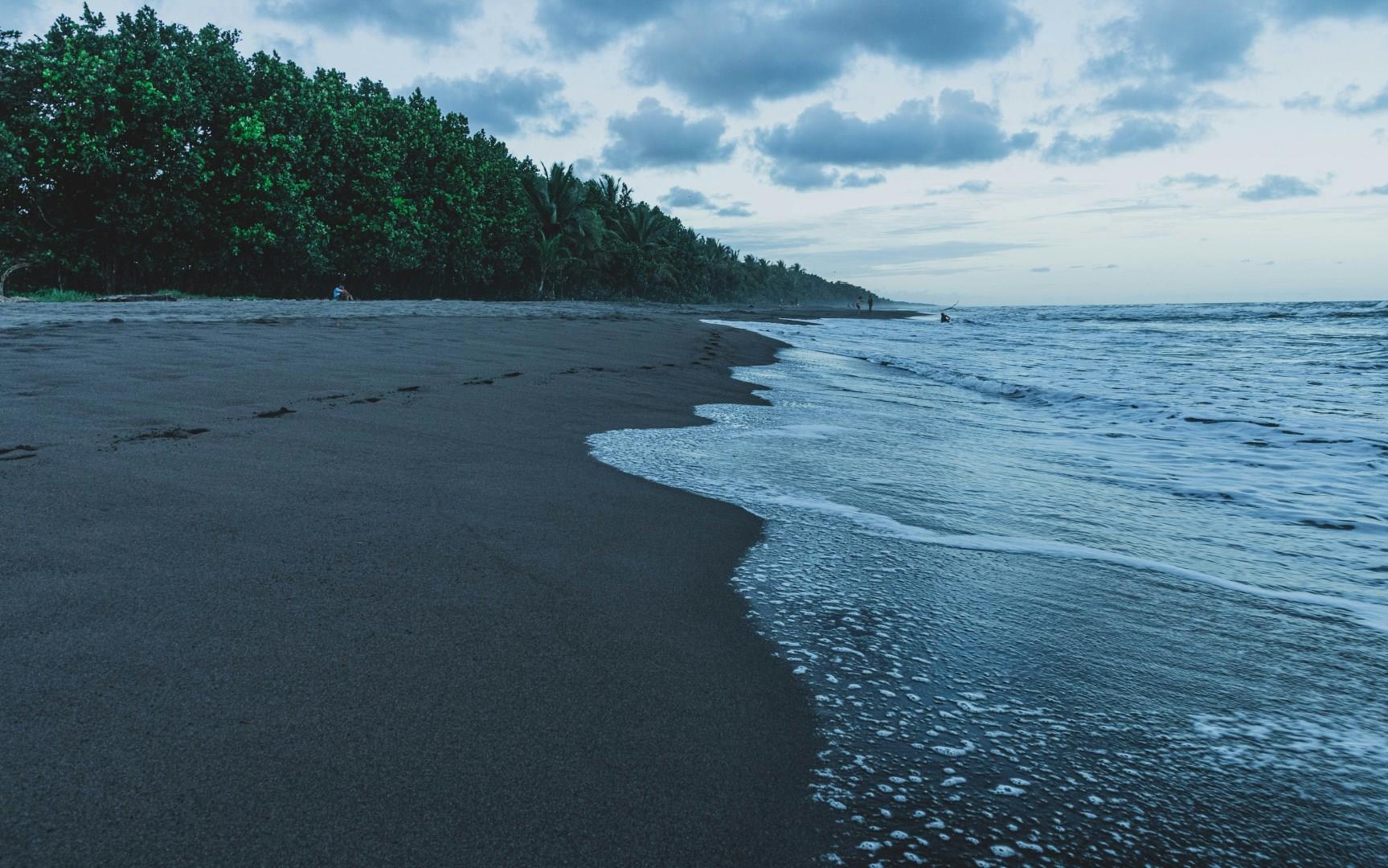
Tortuguero
Tortuguero, located on Costa Rica’s remote northern Caribbean coast, is a destination unlike any other in the country. Accessible only by boat or small aircraft, this coastal village sits between the Caribbean Sea and a network of freshwater canals. Its name, meaning "place of turtles," comes from the thousands of sea turtles that arrive annually to lay their eggs on its beaches, including green, leatherback, and hawksbill turtles.
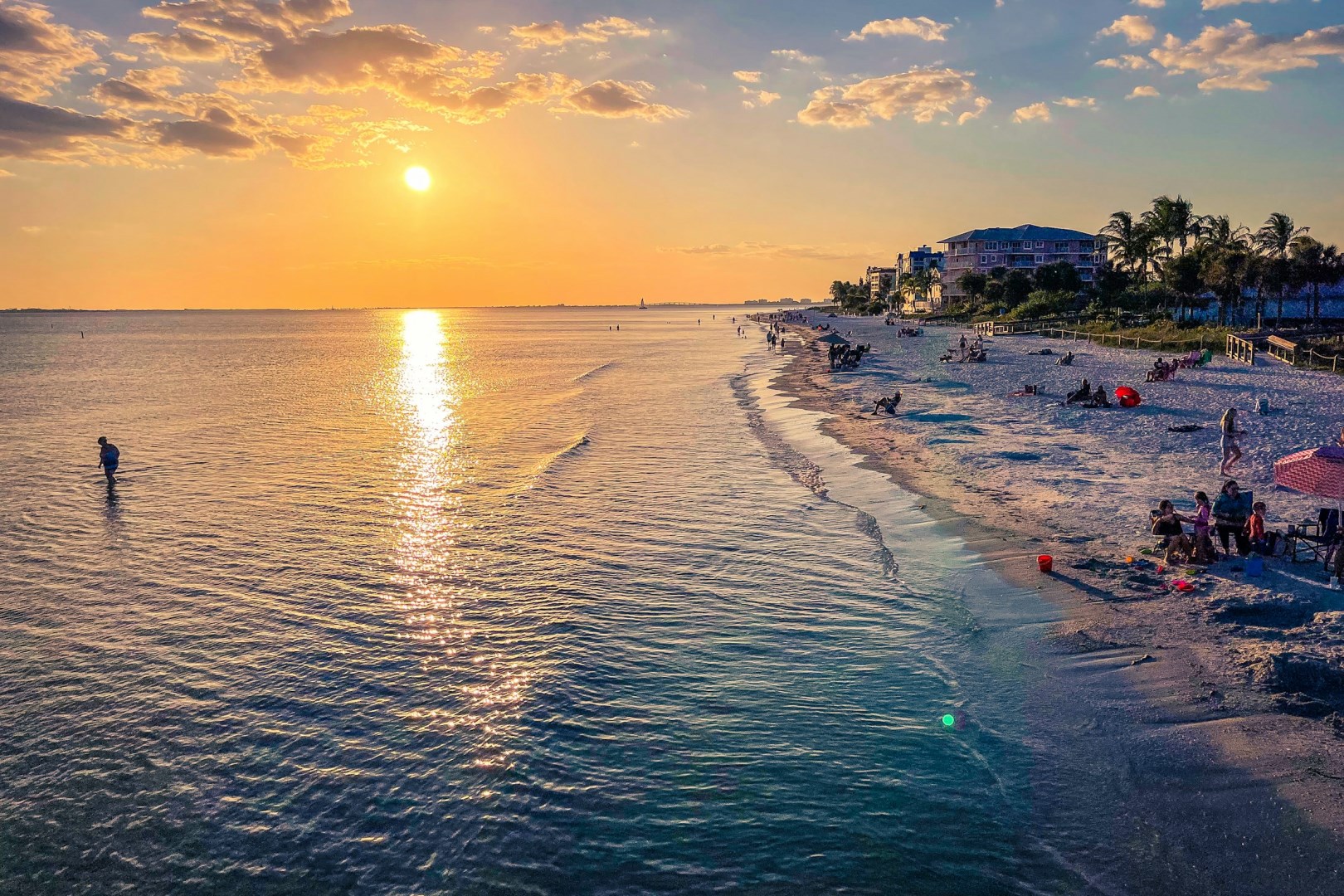
Fort Myers
Fort Myers is a city on Florida’s southwest Gulf Coast, located along the Caloosahatchee River near its entrance to the Gulf of Mexico. The city combines a historic downtown, riverfront parks, residential neighborhoods, and access to beaches and coastal islands. Its location makes waterways central to recreation, with boating, fishing, kayaking, and wildlife viewing available on the river and nearby Gulf waters. Fort Myers is also known for the winter estates of Thomas Edison and Henry Ford.
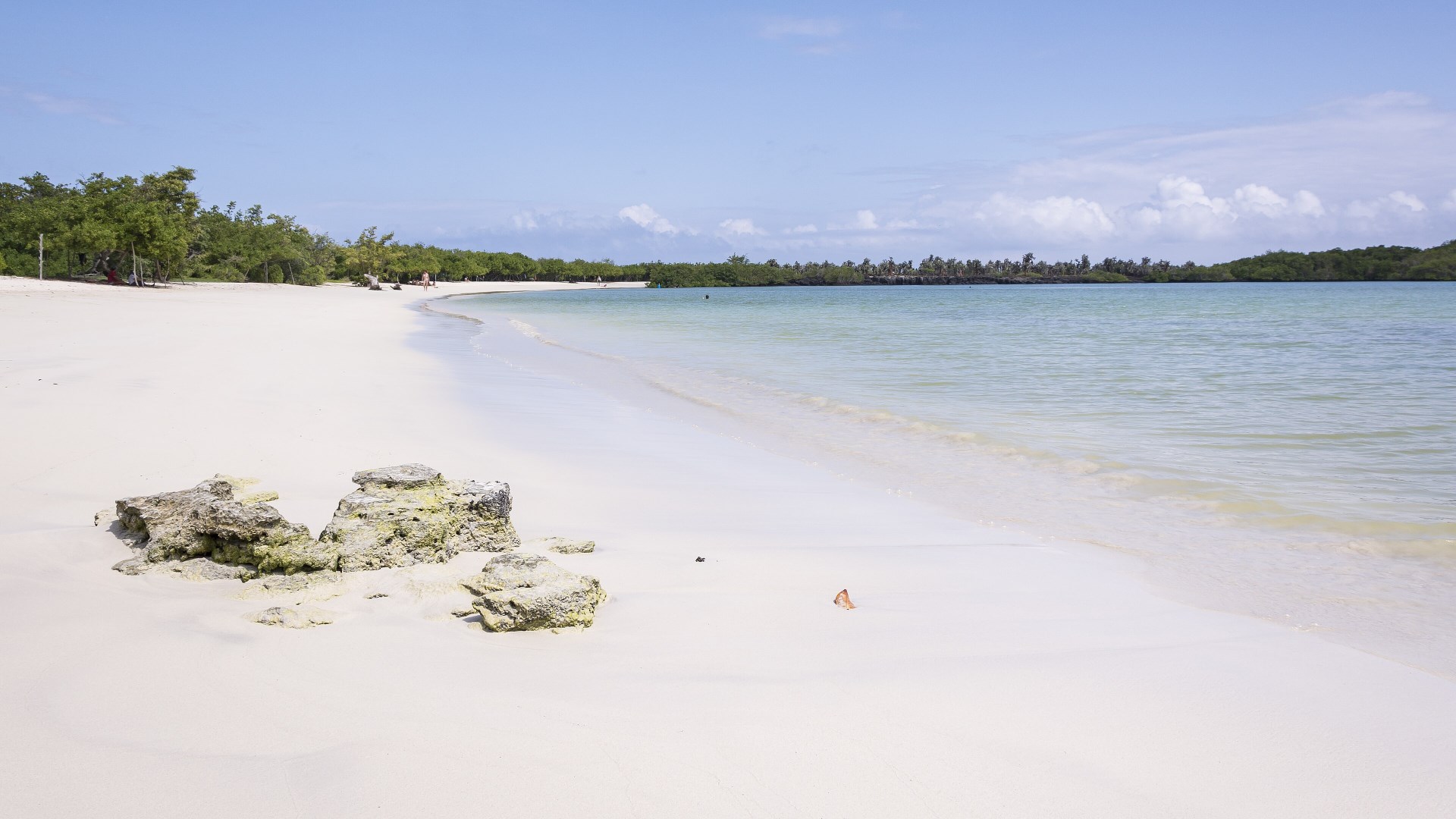
Santa Cruz Island
Santa Cruz Island is the beating heart of the Galápagos and is home to the largest town in the archipelago, Puerto Ayora, and a key access point for travelers exploring this unique region. But beyond its small port and shops, the island reveals a surprising range of ecosystems, from black lava shores to lush highlands where giant tortoises roam freely.

American Samoa
American Samoa consists of a group of seven islands in the southern Pacific Ocean, comprising Tutuila; the Manua group, consisting of Tau, Olosega, and Ofu; Aunuu; Rose Island; and Swains Island.
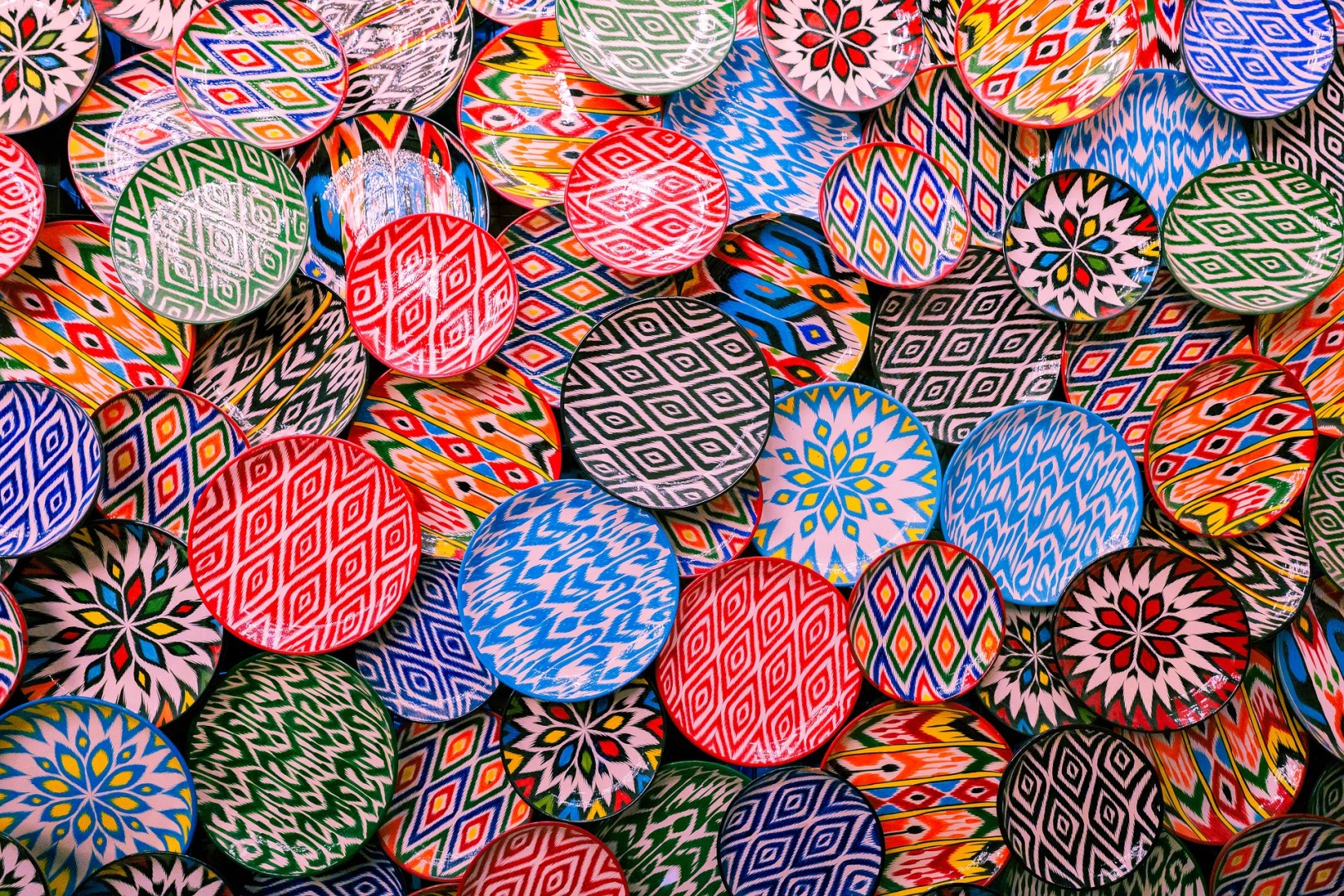
Bukhara
Founded in the 1st century this ancient city featured prominently in the Silk Road. It is known as the hub of theology and culture in central Asia while still featuring many beautifully preserved historic sites - including the Ark of Bukhara and Samanid Mausoleum.
