
Nyanga
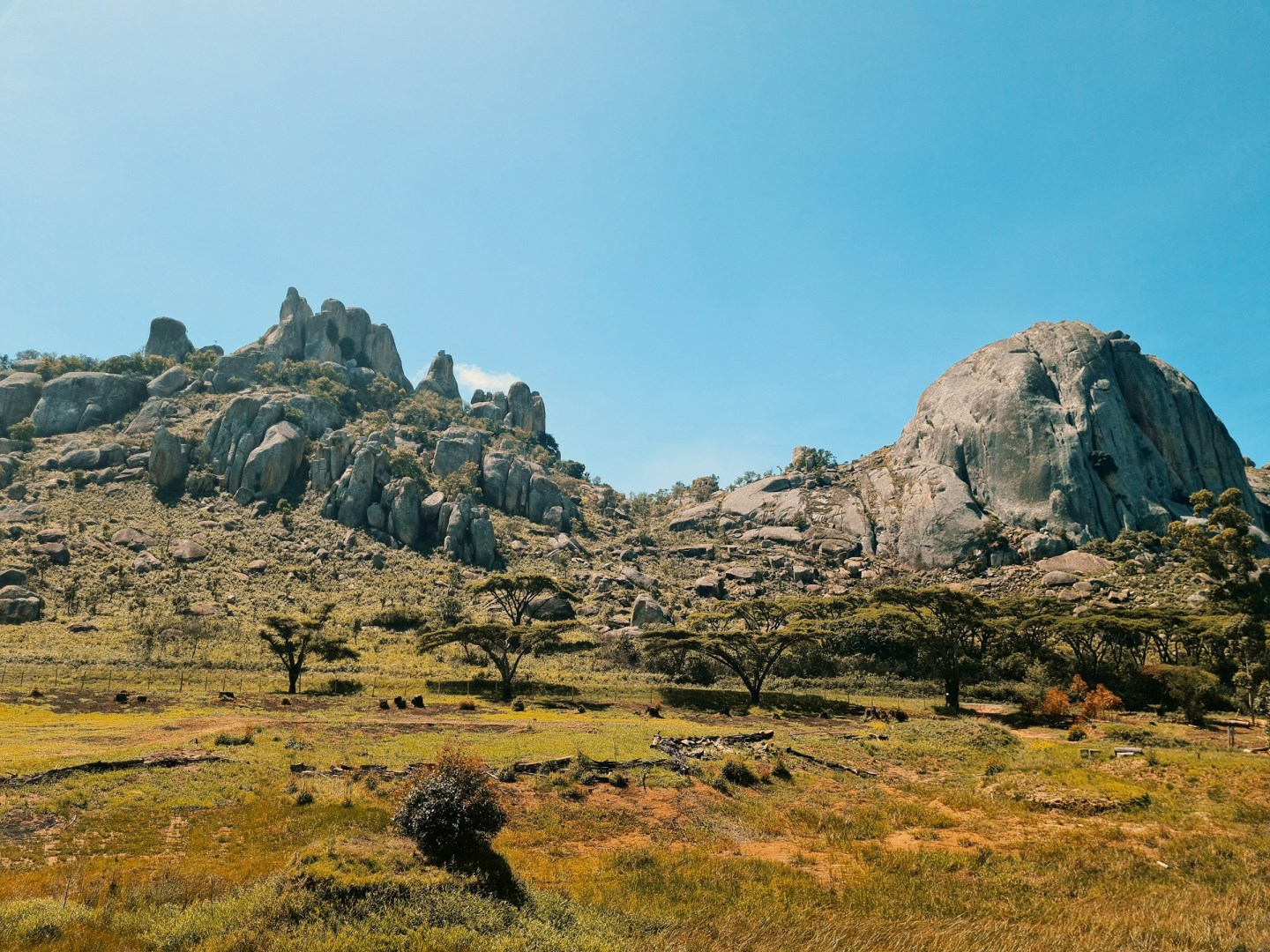
Nyanga is a highland destination in northeastern Zimbabwe, set within the rolling landscapes of the Eastern Highlands. The area is centered on Nyanga National Park, where open grasslands, mountain slopes, rocky outcrops, streams, and patches of woodland create a cooler environment than much of the country.
Darrow
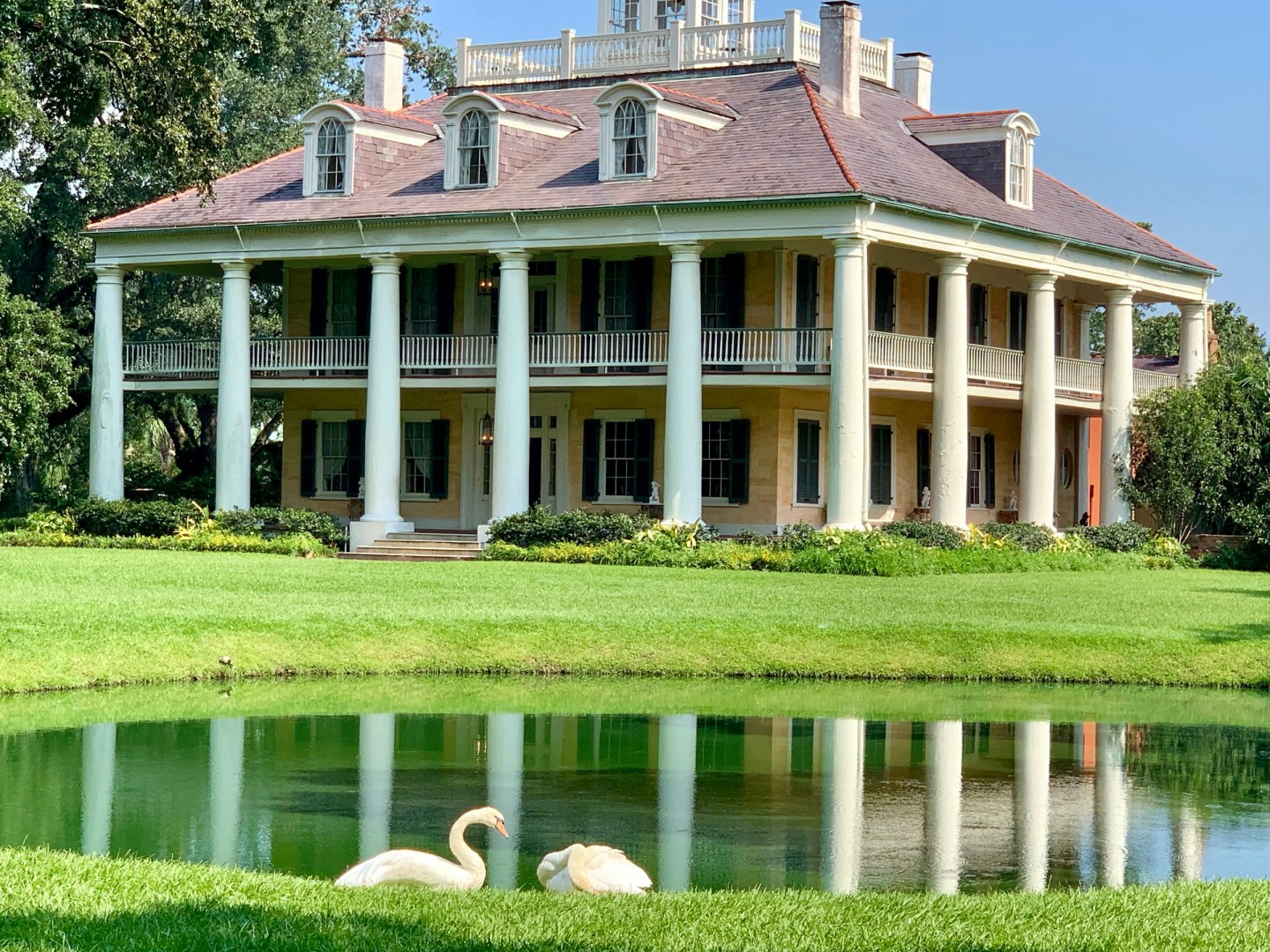
Darrow is a small community in Ascension Parish along the east bank of the Mississippi River, positioned between Baton Rouge and New Orleans on Louisiana’s historic Great River Road. Its identity is closely connected to the river, sugar-cane agriculture, and the plantation landscapes that line this stretch of the Mississippi. Rather than functioning as a large urban destination, Darrow offers access to historic estates, gardens, museums, and rural river scenery.

Trogir
Nestled along Croatia’s stunning Dalmatian Coast, Trogir is a UNESCO World Heritage Site that offers an enchanting blend of history, architecture, and Mediterranean charm. Founded by Greek settlers in the 3rd century BC and later shaped by Roman, Venetian, and Croatian influences, Trogir’s Old Town is a labyrinth of narrow cobblestone streets, captivating medieval architecture, and vibrant piazzas. At its heart stands the Cathedral of St. Lawrence, a masterpiece of Romanesque and Gothic design w
Valleta
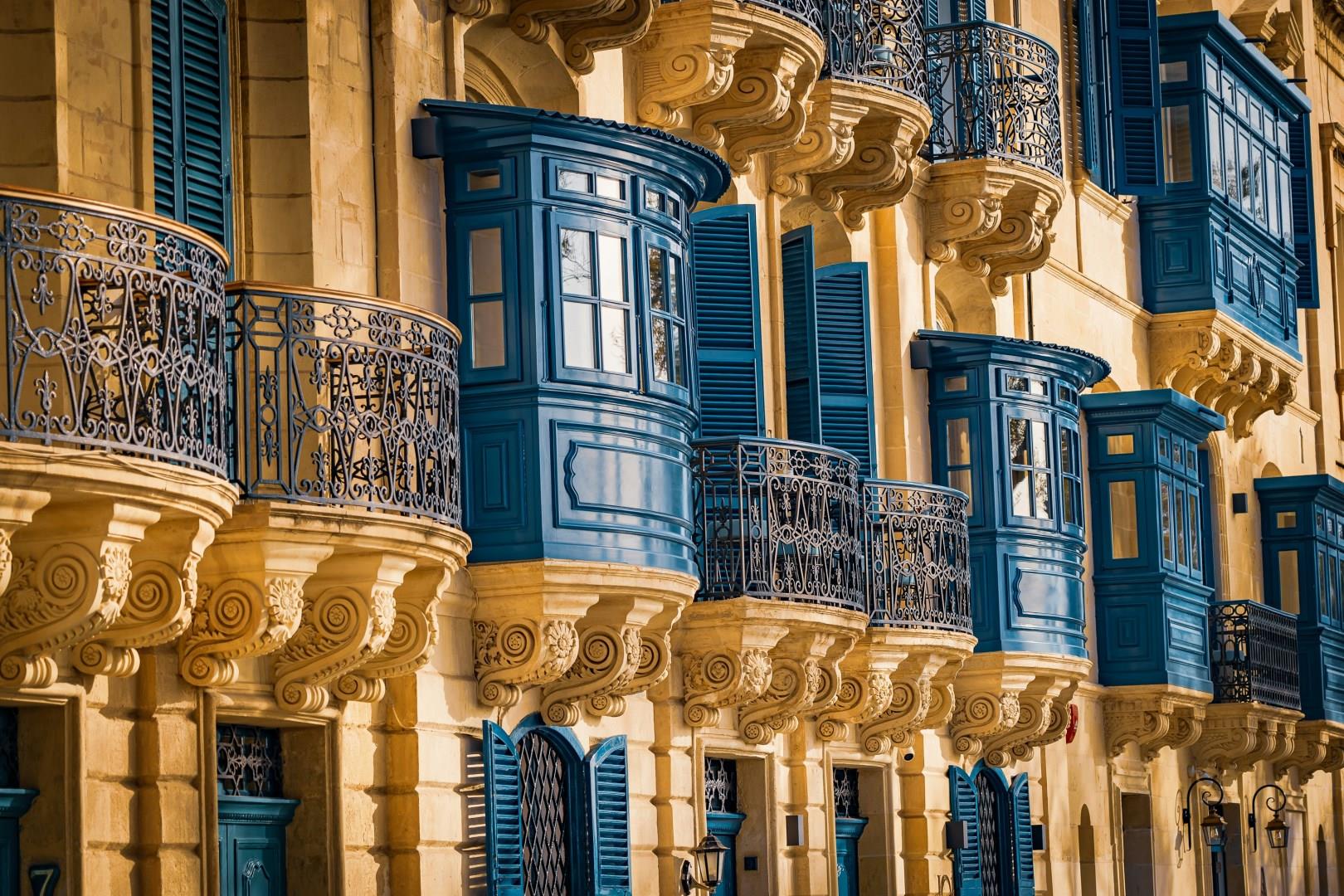
Malta’s ornate and vibrant capital, Valletta, dazzles travelers with its abundance of historical landmarks and striking architecture. This island jewel off the coast of Italy remains a popular destination for Mediterranean cruises. From central St. George’s Square, to sixteenth-century Casa Rocca Piccola, to the Siege Bell War Memorial, Valletta has no shortage of monuments detailing the city’s long history.

Angkor Wat
Angkor Wat, located near Siem Reap in Cambodia, is a mesmerizing testament to the grandeur of the Khmer Empire and one of the world's most remarkable archaeological sites. Built in the early 12th century by King Suryavarman II, Angkor Wat was originally dedicated to the Hindu god Vishnu but later became a Buddhist temple.
