Camden
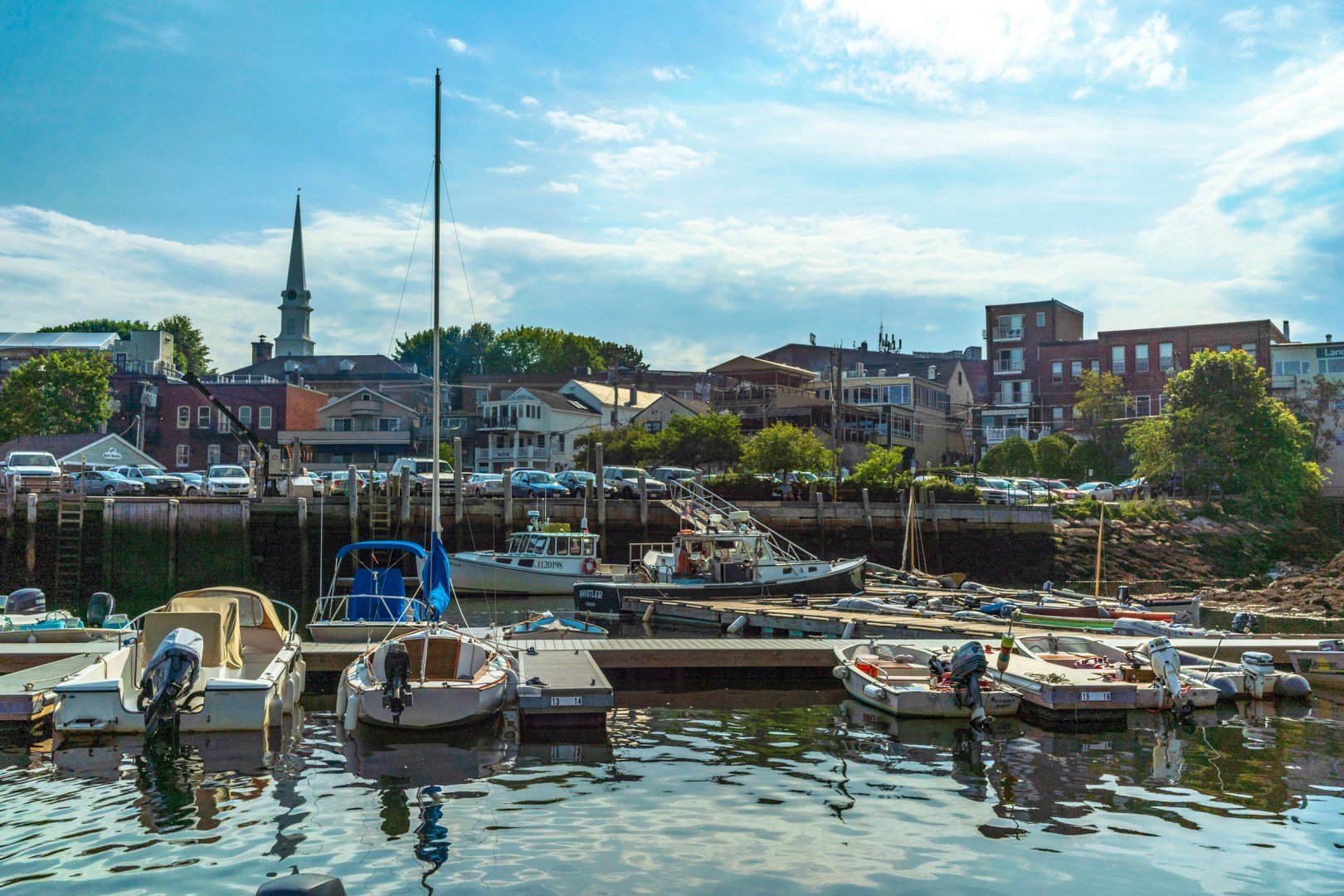
Camden is a coastal town in Maine on the western shore of Penobscot Bay, where forested hills meet a deep harbor and rocky shoreline. Its compact downtown sits between the harbor and the lower slopes of Mount Battie, giving the town a distinctive setting within the Midcoast region.
Nogales
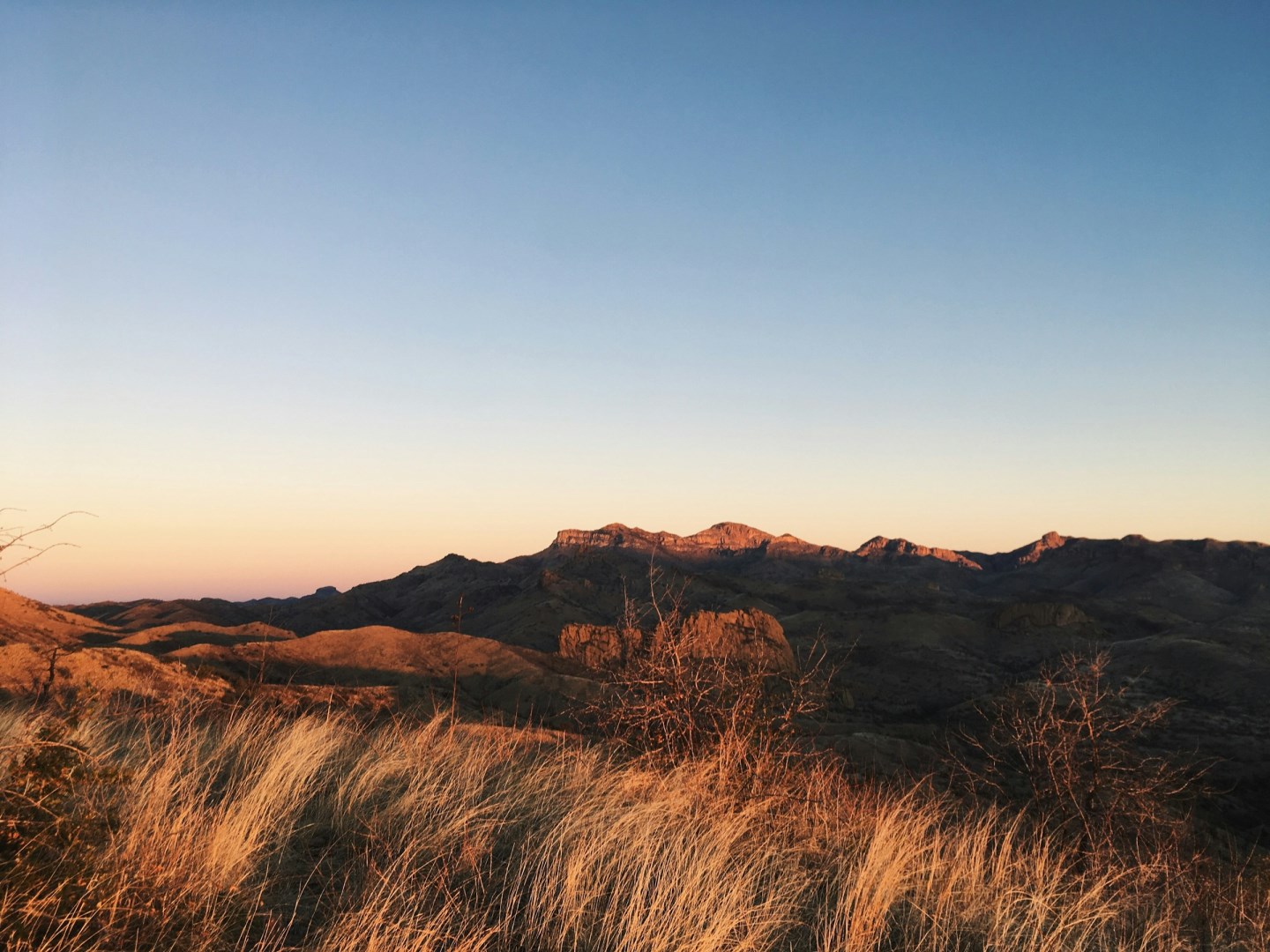
Nogales is a border city in Santa Cruz County in southern Arizona, directly adjoining Nogales, Sonora, Mexico. Its setting in the Santa Cruz River Valley gives the city a distinctive landscape of rolling hills, desert vegetation, and mountain ranges. As one of the principal border crossings between Arizona and Mexico, Nogales has long served as a center for trade, transportation, and cross-border commerce.

Netherlands Antilles
The former Netherlands Antilles was a group of Caribbean islands once unified under Dutch administration, dissolved as a political entity in 2010.

Timbavati Private Nature Reserve
Timbavati Private Nature Reserve lies in South Africa’s northeastern Lowveld, directly alongside Kruger National Park. Covering about 556 square kilometres, it forms part of the larger Greater Kruger landscape, where fences between participating reserves and Kruger have been removed to allow wildlife to move freely. The reserve contains a mixture of savanna, woodland, seasonal rivers, and rocky areas shaped by ancient granite and gneiss formations.
Yachats
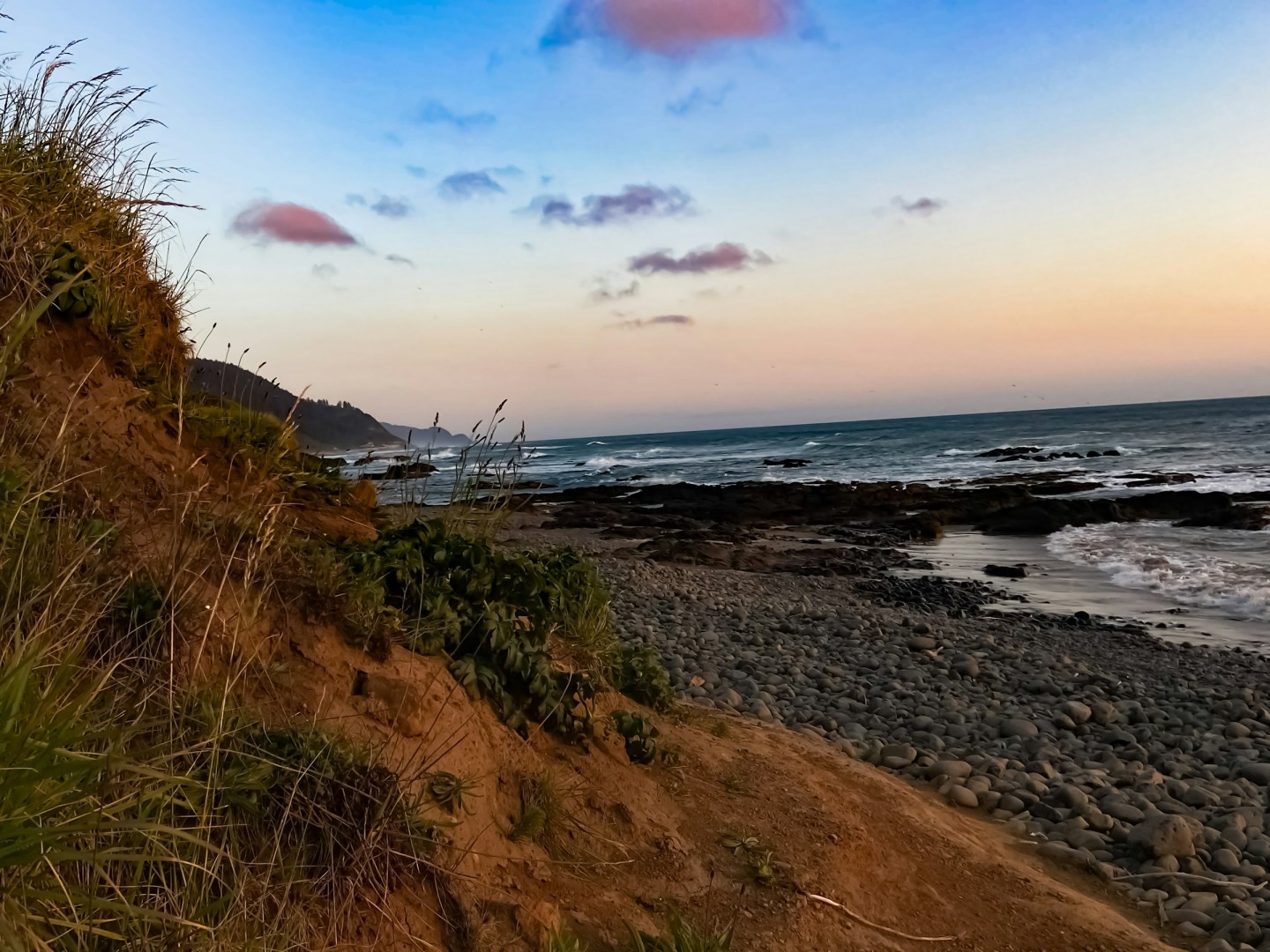
Nestled along Oregon's rugged coast, Yachats is a picturesque town known for its dramatic ocean views and tranquil atmosphere. This charming coastal haven, often referred to as "The Gem of the Oregon Coast," offers an idyllic retreat for nature enthusiasts and tranquility seekers alike. Yachats' most notable feature is its dramatic coastline, characterized by rock formations, tidal pools, and the iconic Cape Perpetua Scenic Area, which provides breathtaking vantage points and a network of hiking