

Beverly Hills
Beverly Hills, California, is synonymous with luxury, glamour, and a unique blend of history and modern sophistication. Nestled within the heart of Los Angeles County, this iconic city is best known for its world-famous shopping district, Rodeo Drive, where upscale boutiques and designer stores, like Gucci, Prada, and Louis Vuitton, line the palm-tree-fringed streets.

Endicott Arm
Whether witnessing the thunderous calving of Dawes Glacier, spotting orcas gliding through the water, or simply taking in the serenity of the fjord, a journey through Endicott Arm is a remarkable encounter with one of Alaska’s most stunning landscapes.
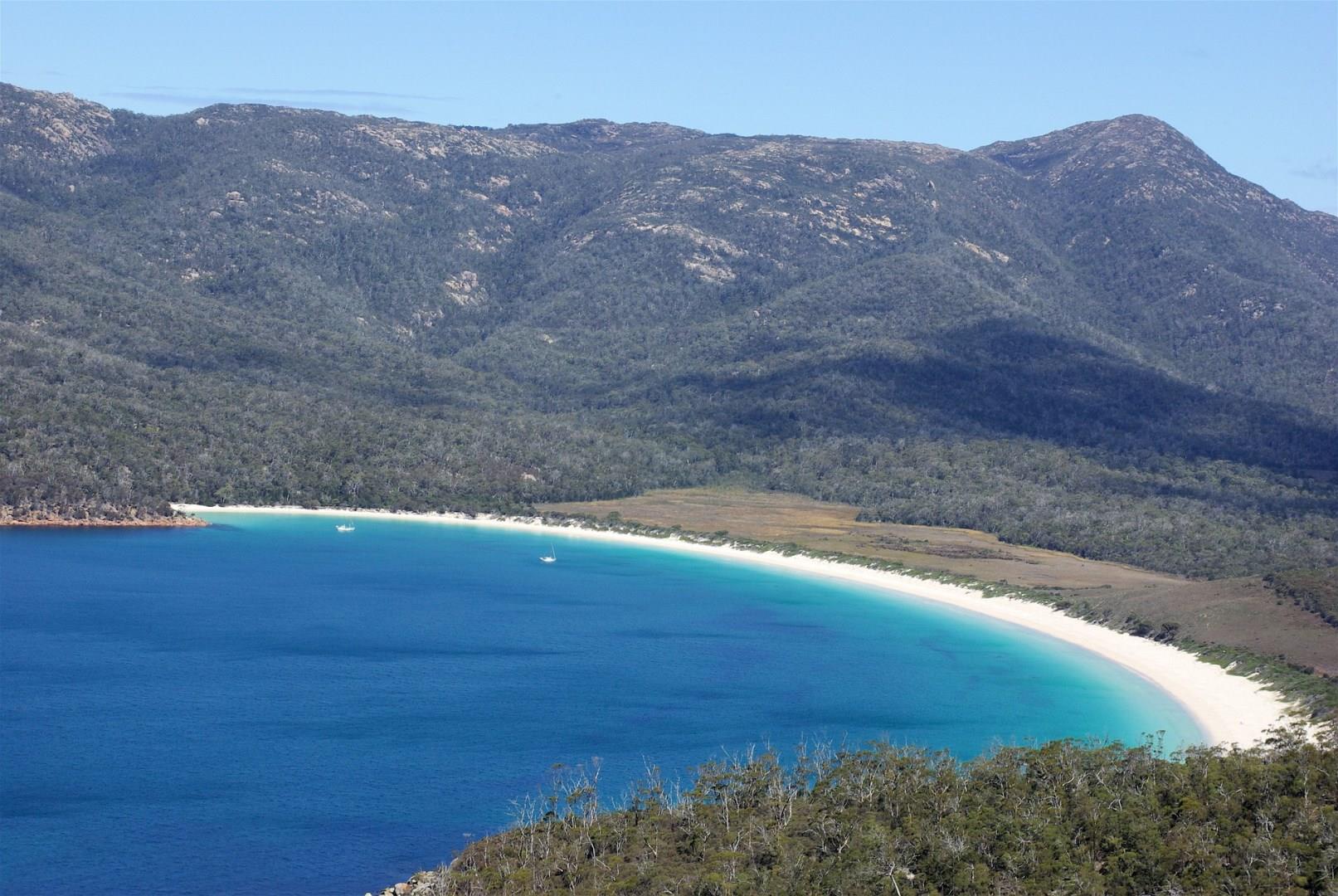
Wineglass Bay
Nestled within Freycinet National Park on Tasmania's stunning east coast, Wineglass Bay is a destination that calls out to nature lovers and adventure seekers alike.
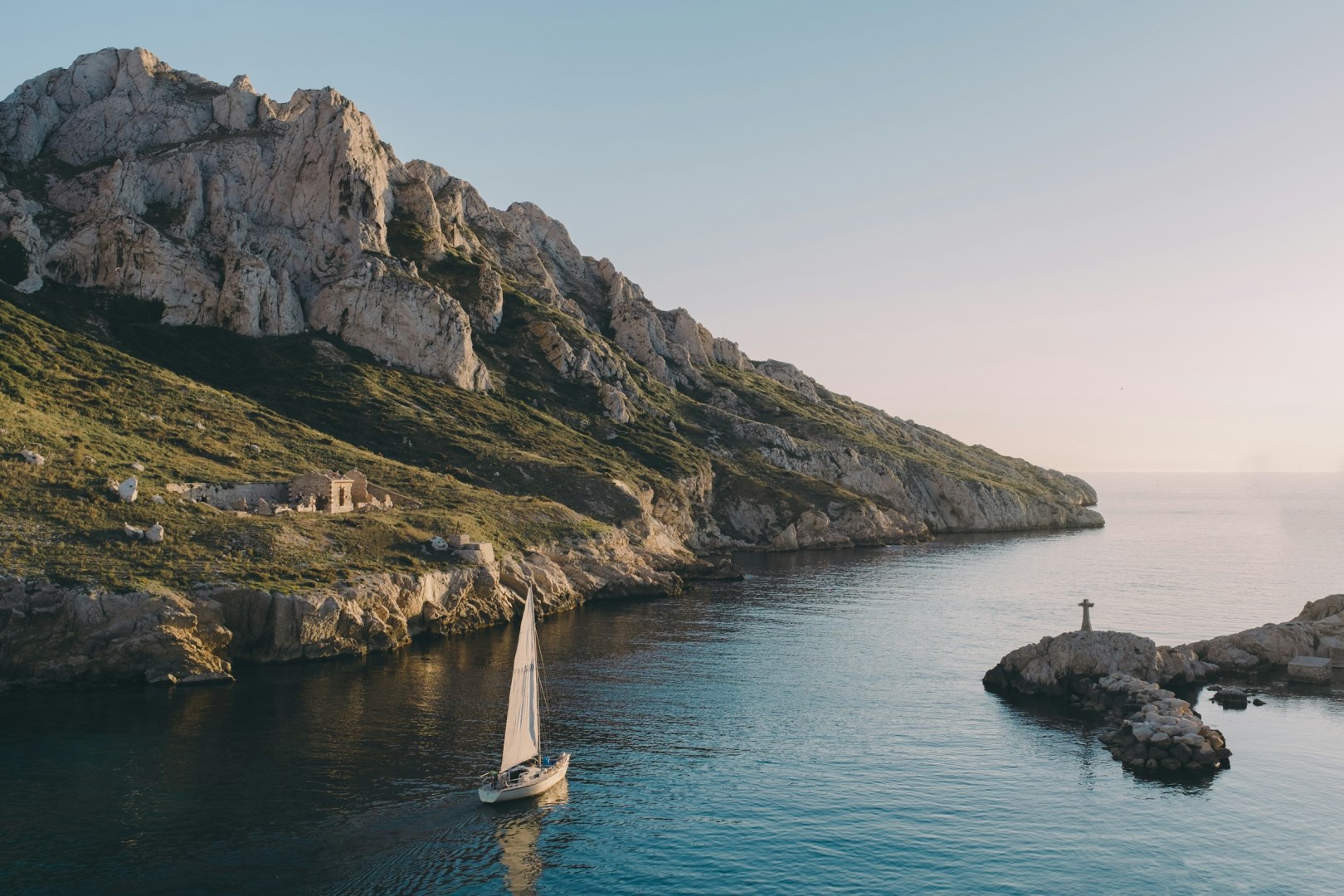
Marseille
Marseilles is an enticing port city known for its delectable seafood, breathtaking views of the Mediterranean, and diverse melting pot of cultures.
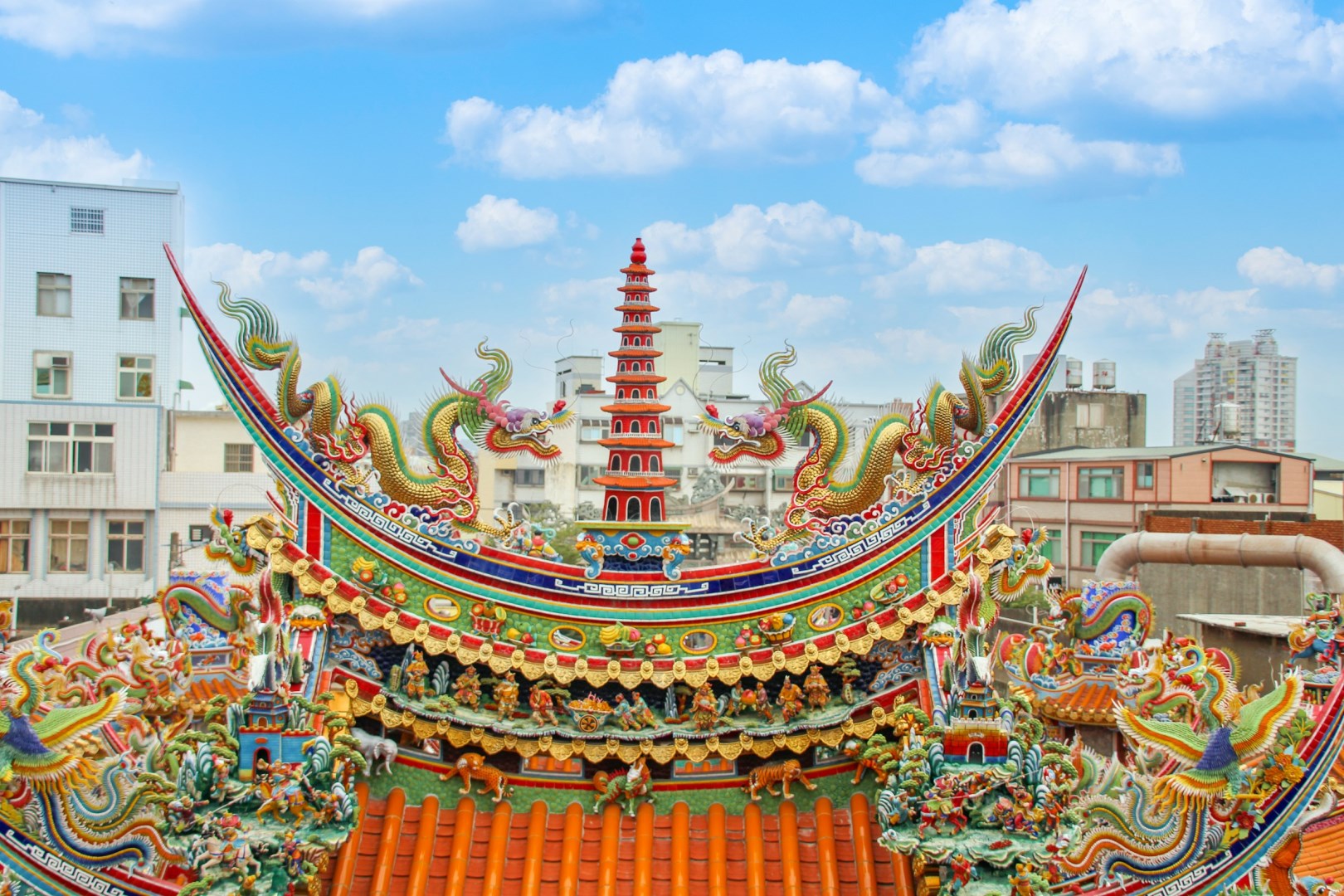
Taiwan
Taiwan is an island nation that blends rich cultural traditions with modern innovation. Taipei, the capital, features landmarks such as Taipei 101, traditional temples, and night markets that offer a window into local life and culinary culture. Historic towns like Tainan preserve centuries-old temples and street art, reflecting Taiwan’s layered heritage.
