Mission Beach
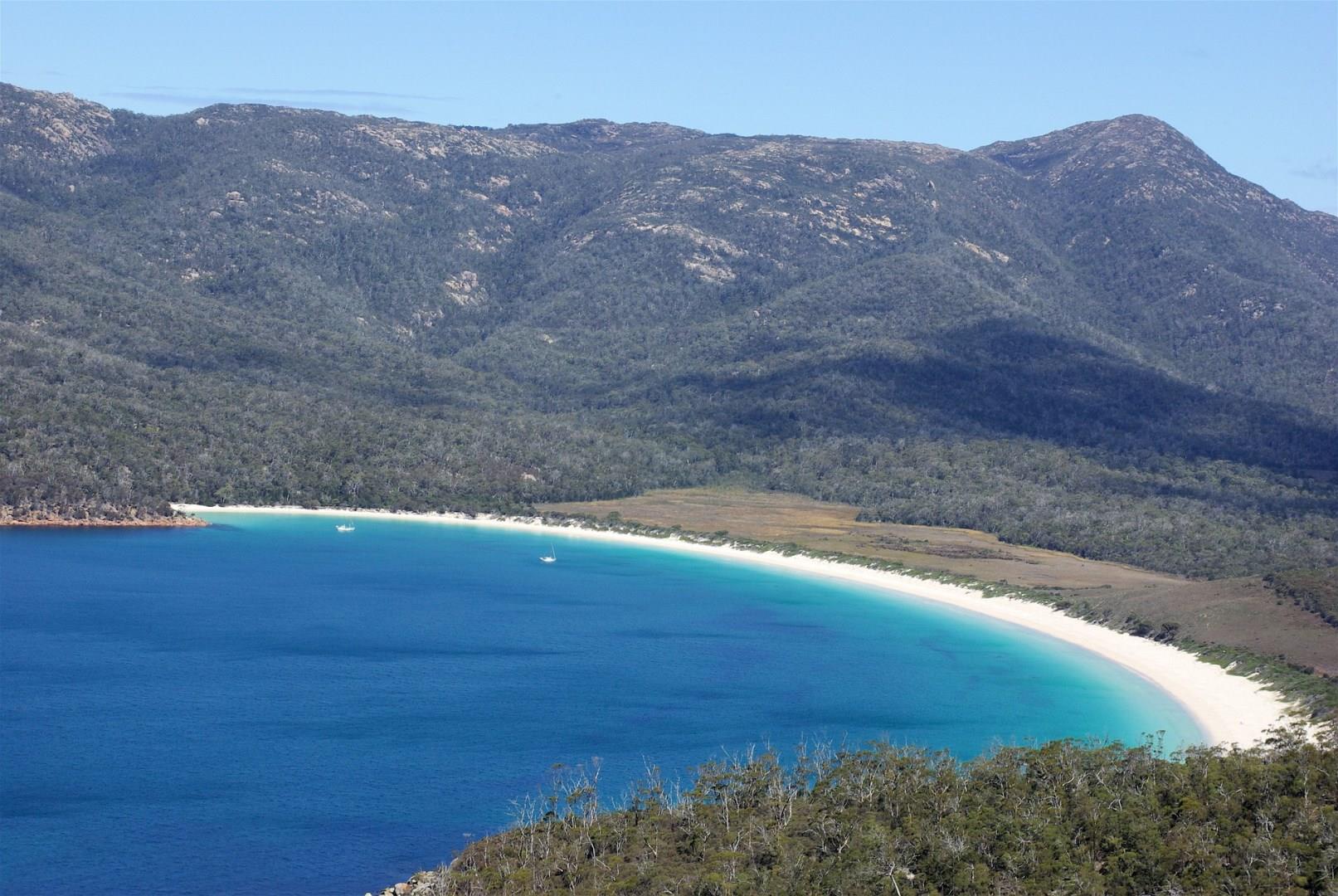
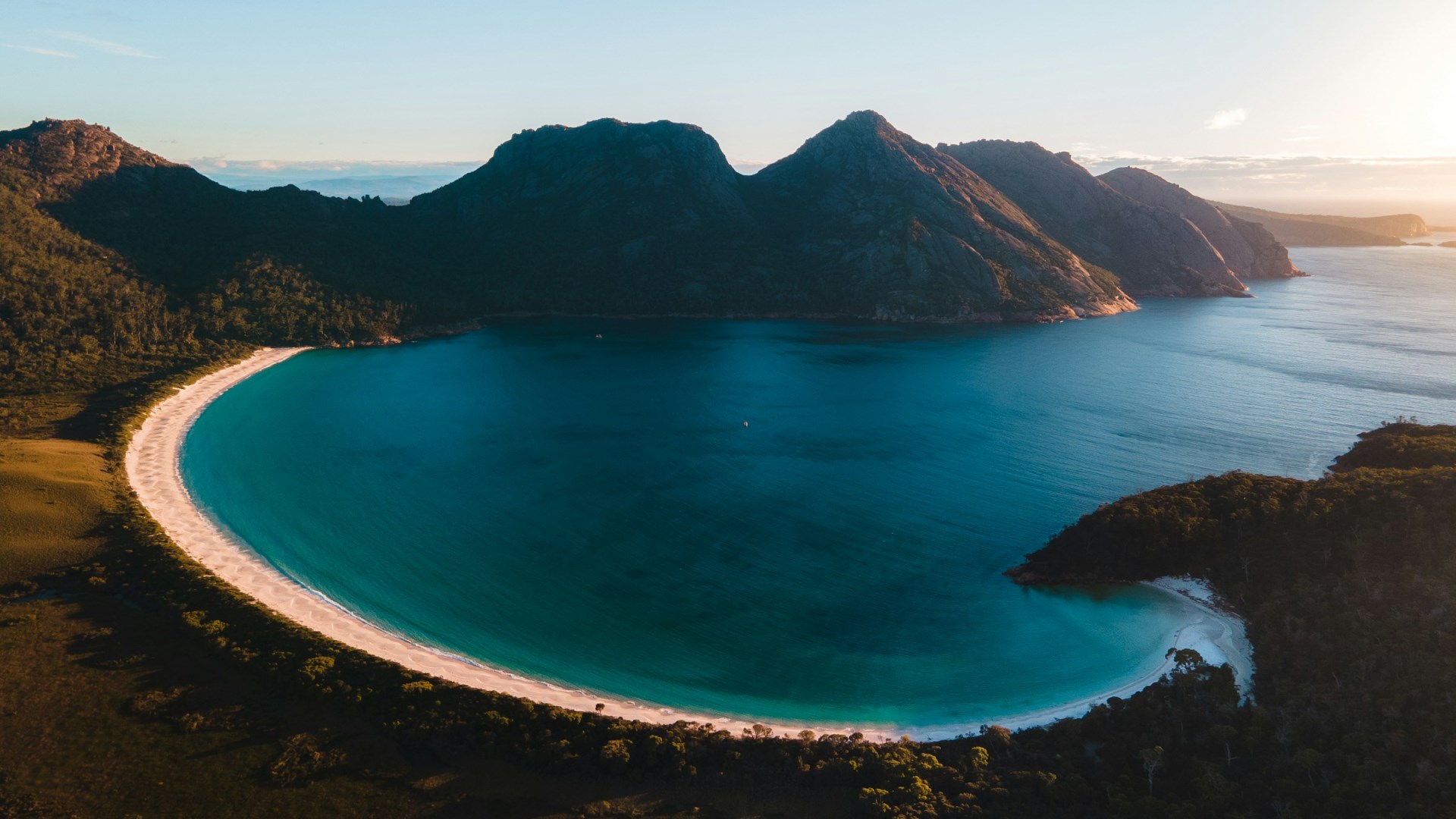
One of the most unspoilt and undeveloped tourism destinations in the area - ideal for the visitor looking for both pristine natural beauty and a relaxed quiet getaway. The coastal fringe has wide sandy beaches, lined with small resorts and more than 25 offshore islands, while bushwalking and camping opportunities abound throughout the adjacent Wet Tropics rainforest areas.
Londonderry
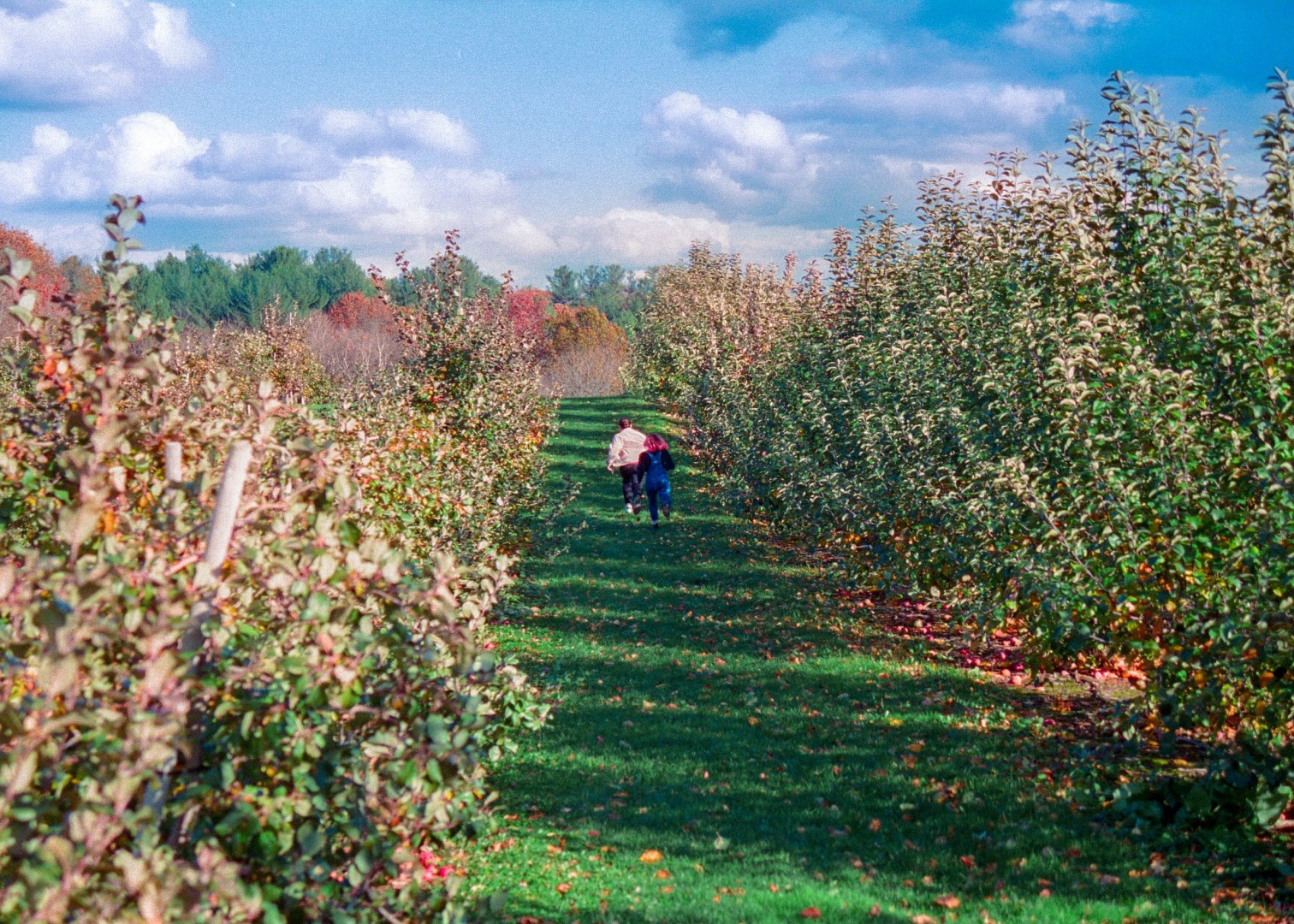
Londonderry is a town in southern New Hampshire, positioned between Manchester and the Massachusetts border. It is known for its agricultural roots, apple orchards, wooded landscapes, and historic rural character, while its location provides convenient access to the larger communities of the Merrimack Valley. Londonderry’s landscape includes farms, conservation areas, ponds, and gently rolling roads rather than a dense downtown centre. Apple growing remains an important part of its identity, wit

Jamaica
From the rhythmic sounds of Bob Marley to the breathtaking views of the Blue Mountains, Jamaica offers a mix of adventure and relaxation that caters to every type of traveler. The island offers a wealth of cultural experiences. Kingston, the capital city, is home to the Bob Marley Museum, where visitors can learn about the legendary musician and his influence on global culture. The historic town of Falmouth showcases Georgian architecture and offers insight into Jamaica's colonial past.

United Arab Emirates
The United Arab Emirates rolls history and invention into a seamless experience. In Abu Dhabi, the Sheikh Zayed Grand Mosque stands out with its reflective pools, marble columns inlaid with floral patterns, and the world’s largest hand-knotted carpet beneath domes that glow by night. On Saadiyat Island, the Louvre Abu Dhabi shelters art that spans civilizations, all beneath a dome designed to scatter sunlight like palm fronds.
Khao Sok National Park
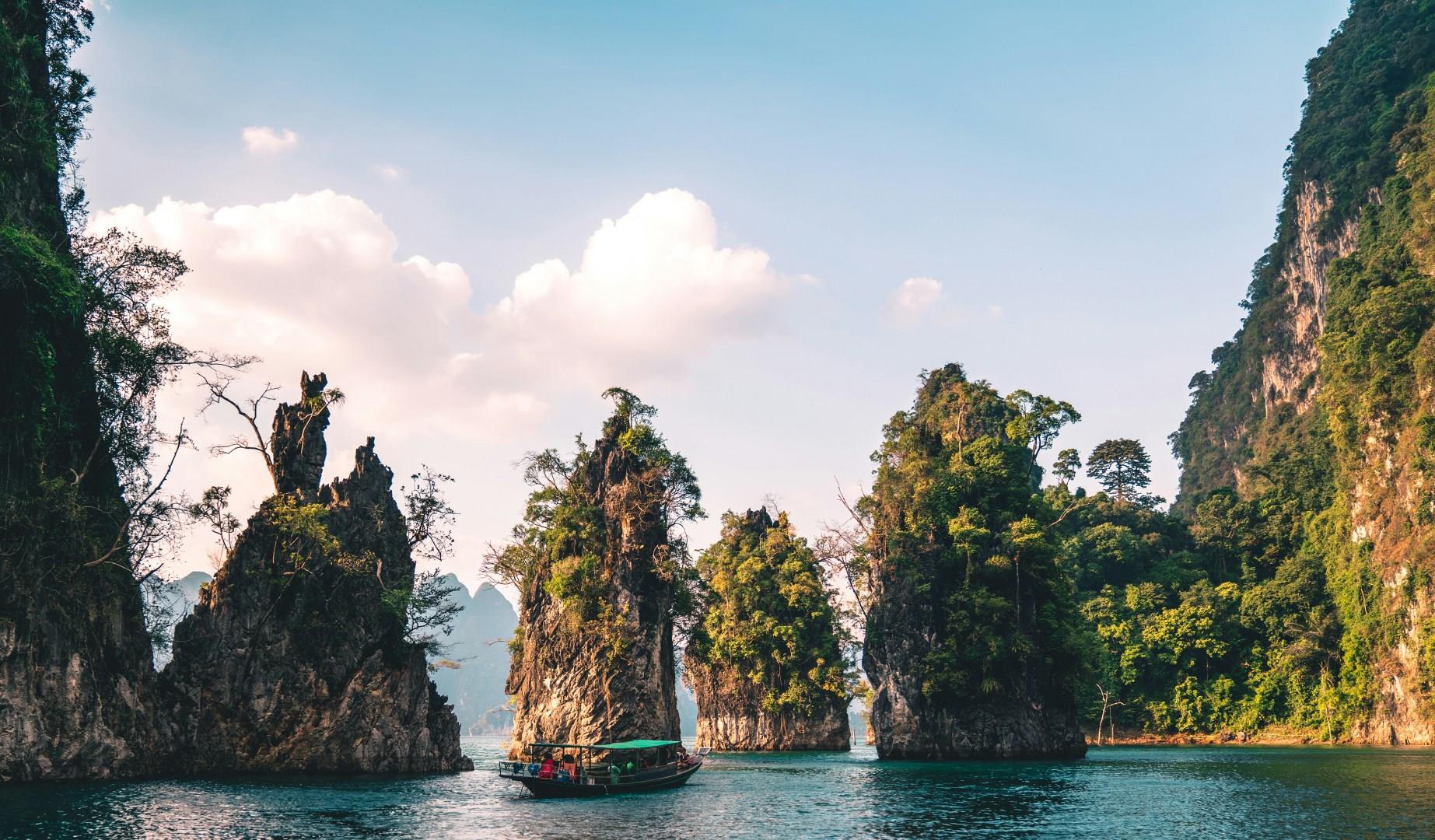
Khao Sok National Park in Thailand is a stunning natural haven that promises a truly immersive experience for nature lovers and adventure seekers. Nestled in southern Thailand, this sprawling park is renowned for its lush rainforests, dramatic limestone cliffs, and tranquil lakes. The park’s centerpiece, Cheow Lan Lake, is a breathtaking expanse of emerald waters surrounded by towering karst formations, ideal for boat tours and exploring floating lodges.