
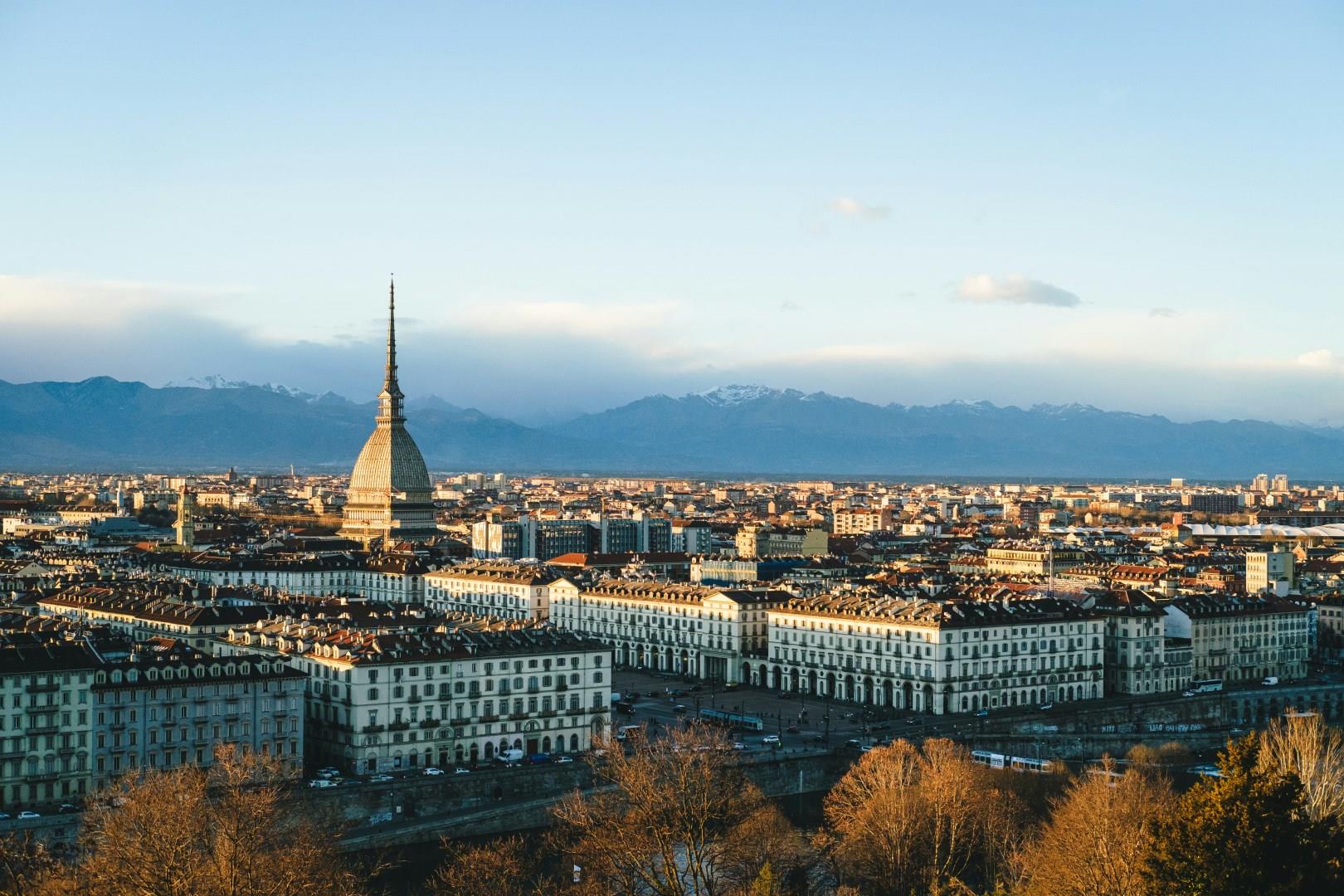
Turín
Turin carries a regal atmosphere reflected in its palaces, wide boulevards, and arcaded streets. Its history as a political and cultural powerhouse is still evident today, while its role as the birthplace of Fiat underscores its influence on modern industry.

Sirmione
Sirmione, a picturesque town on the southern shore of Lake Garda, Italy, offers a unique blend of natural beauty and historical intrigue. Known for its stunning peninsula that juts into the lake, Sirmione is celebrated for its charming medieval streets and spectacular lakeside views. At the heart of the town stands the Scaliger Castle, a 13th-century fortress surrounded by moats and offering panoramic views of Lake Garda and the surrounding landscape.
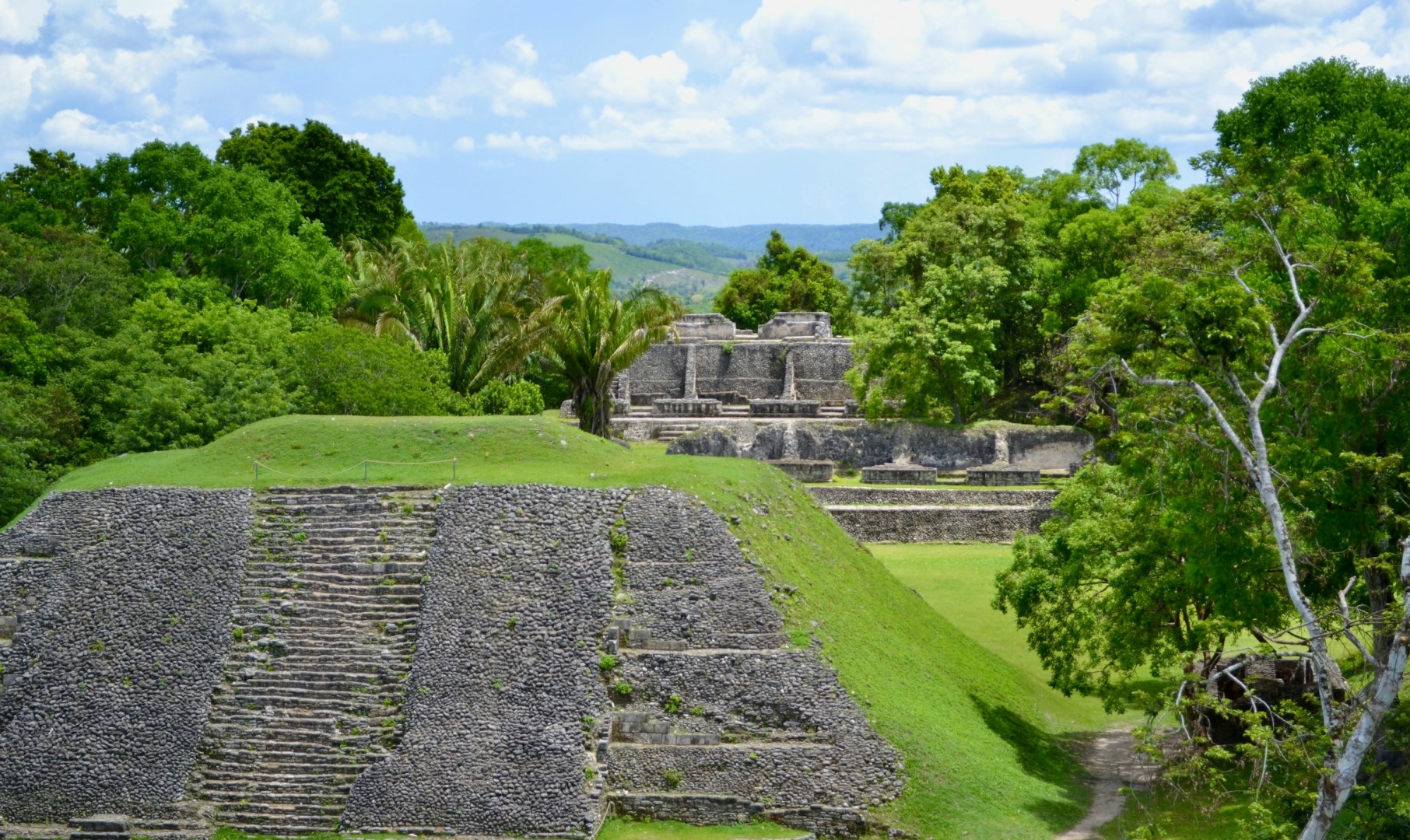
Xunantunich Mayan Ruins
Xunantunich is a Maya archaeological site in Belize’s Cayo District, located across the Mopan River from the village of San Jose Succotz. The site occupies a limestone ridge overlooking the surrounding countryside and contains six plazas with more than 25 temples and palaces. Its name is commonly translated as “Maiden of the Rock” or “Stone Lady.”
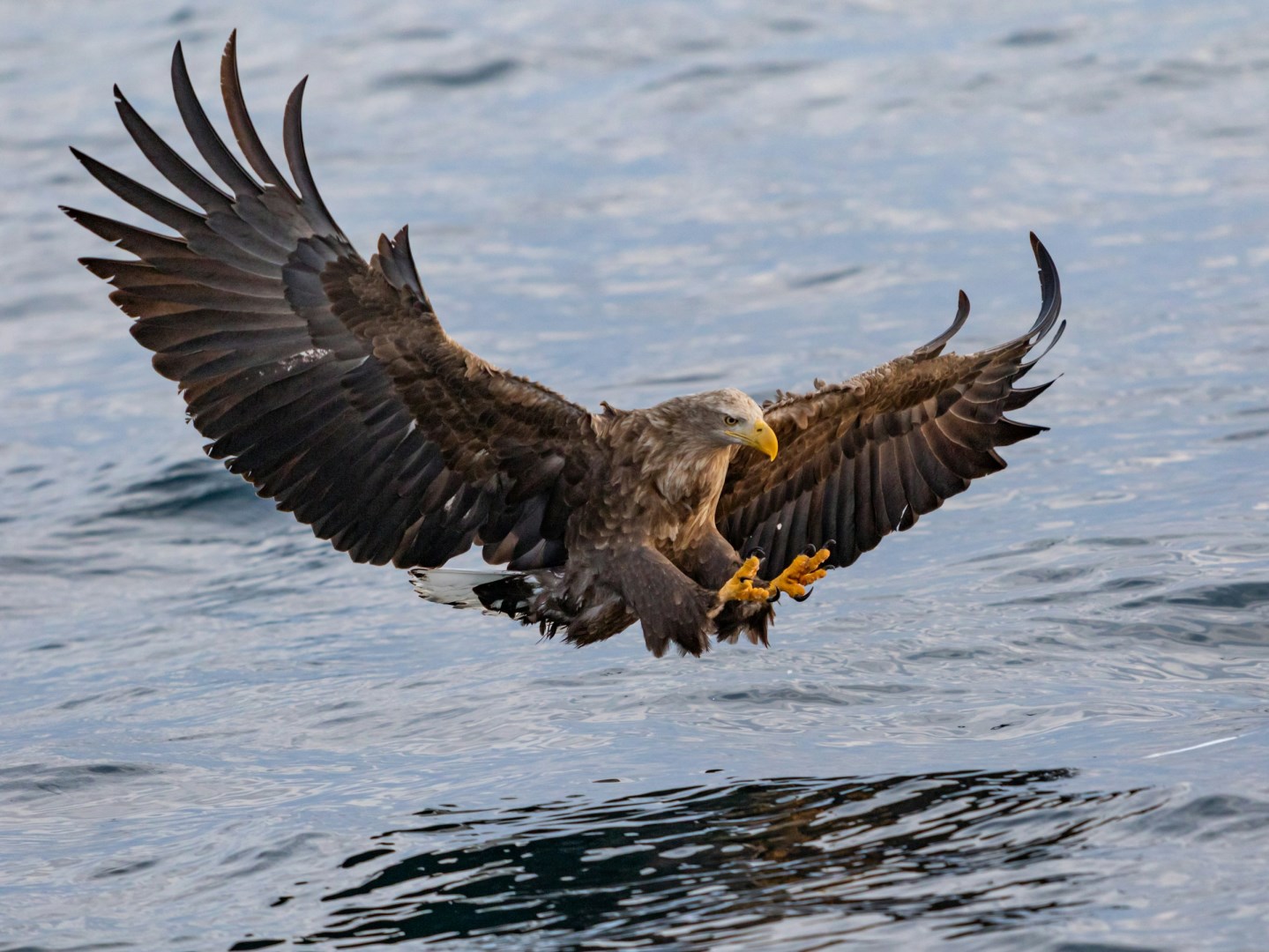
Hokkaido
Hokkaido is Japan's northernmost main island and the country's second-largest island, known for broad landscapes, volcanic mountains, forests, lakes, and a cooler climate than most of Japan. Sapporo serves as the prefectural capital and largest city, while smaller communities extend across farmland, coastlines, and mountain regions.
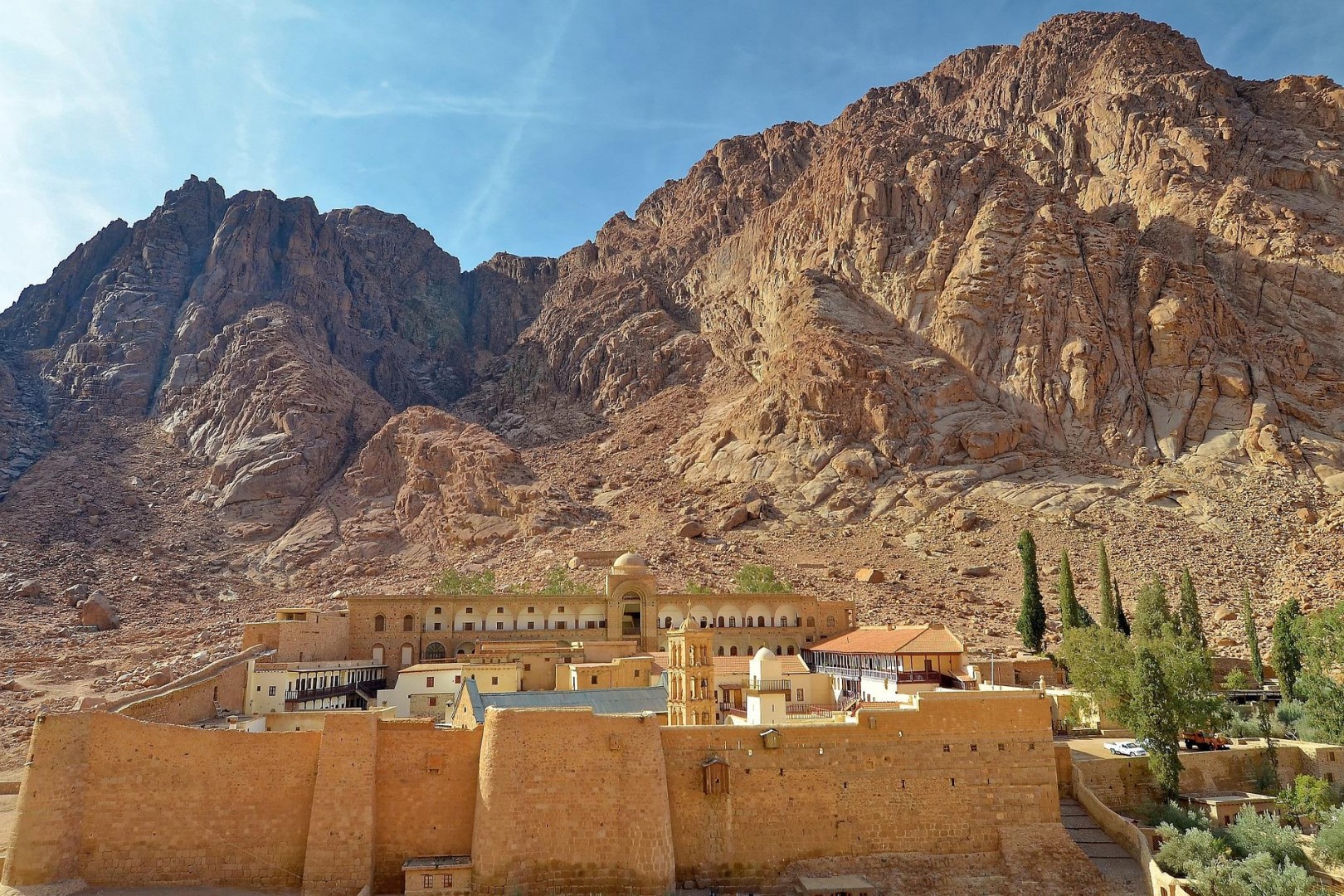
St. Catherine's Monastery
St. Catherine's Monastery, nestled at the foot of Mount Sinai in Egypt, is a beacon of historical and spiritual significance. Founded in the 6th century by Emperor Justinian, this ancient monastery is one of the world's oldest continuously operating Christian monasteries and is a UNESCO World Heritage Site.
