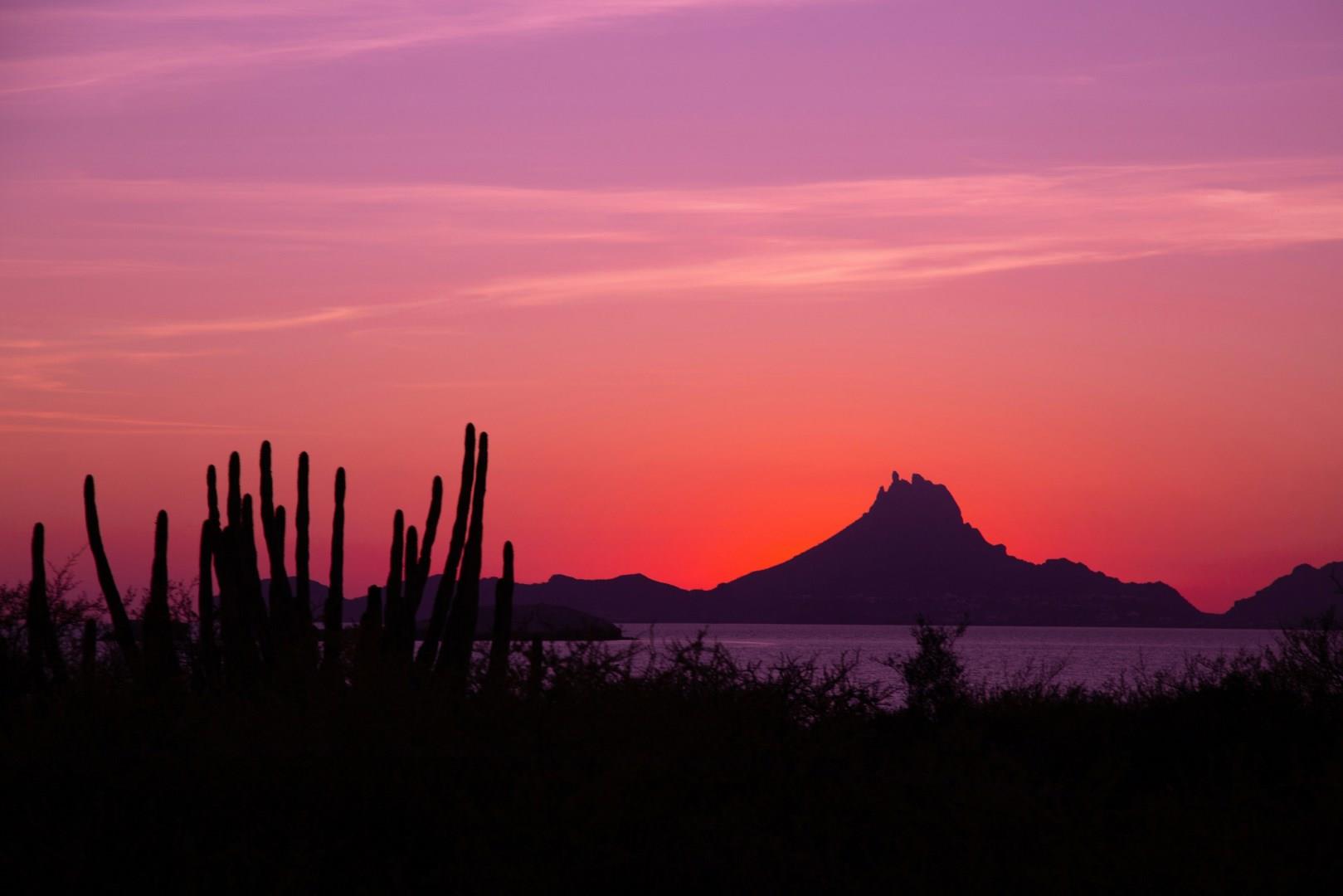
Tracy Arm, Alaska, is a breathtaking fjord nestled within the Tongass National Forest, offering a pristine wilderness experience unlike any other. Known for its towering cliffs, majestic waterfalls, and awe-inspiring glaciers, this natural wonder is a must-see for nature lovers and adventurers alike. As you cruise through the narrow, winding waterway, you’ll be greeted by stunning views of the Sawyer Glaciers, which periodically release enormous icebergs into the fjord.
Kaziranga National Park stretches across the floodplains of the Brahmaputra River in Assam, shaped as much by water as by wildlife. Established in the early 20th century, it became central to conservation efforts in India, most notably for the greater one-horned rhinoceros. The park’s history reflects a long negotiation between protection, seasonal flooding, and the human communities that live around its edges.
Province of Neuquen, Argentina is located near the Andes Mountains. It has attractive and wild scenery, virgin land, and lots of natural non-contaminated water springs. Its vegetation consists of small shrubs and Pampa grass. Various forms of wildlife can also be seen here such as ostriches, gray and red foxes, Patagonian Hares called "Maras" and many species of birds.
Nuku Hiva is the largest of the Marquesas Islands in French Polynesia, a place where scale and isolation shape both history and daily life. Long before European contact, the island supported complex Marquesan societies known for stone architecture, tattoo traditions, and ceremonial sites, many of which remain scattered across its valleys.
Situated on the shore of Lake Titicaca, Puno is referred to as the folkloric capital of Peru due to its artistic and cultural expressions, particularly dance. Notable landmarks include the Andean baroque-style Puno Cathedral and the Yavari, a 19th-century steamship. Products created from alpaca, llama, or sheep wool are a signature of the area, as well as musical instruments like the siku.
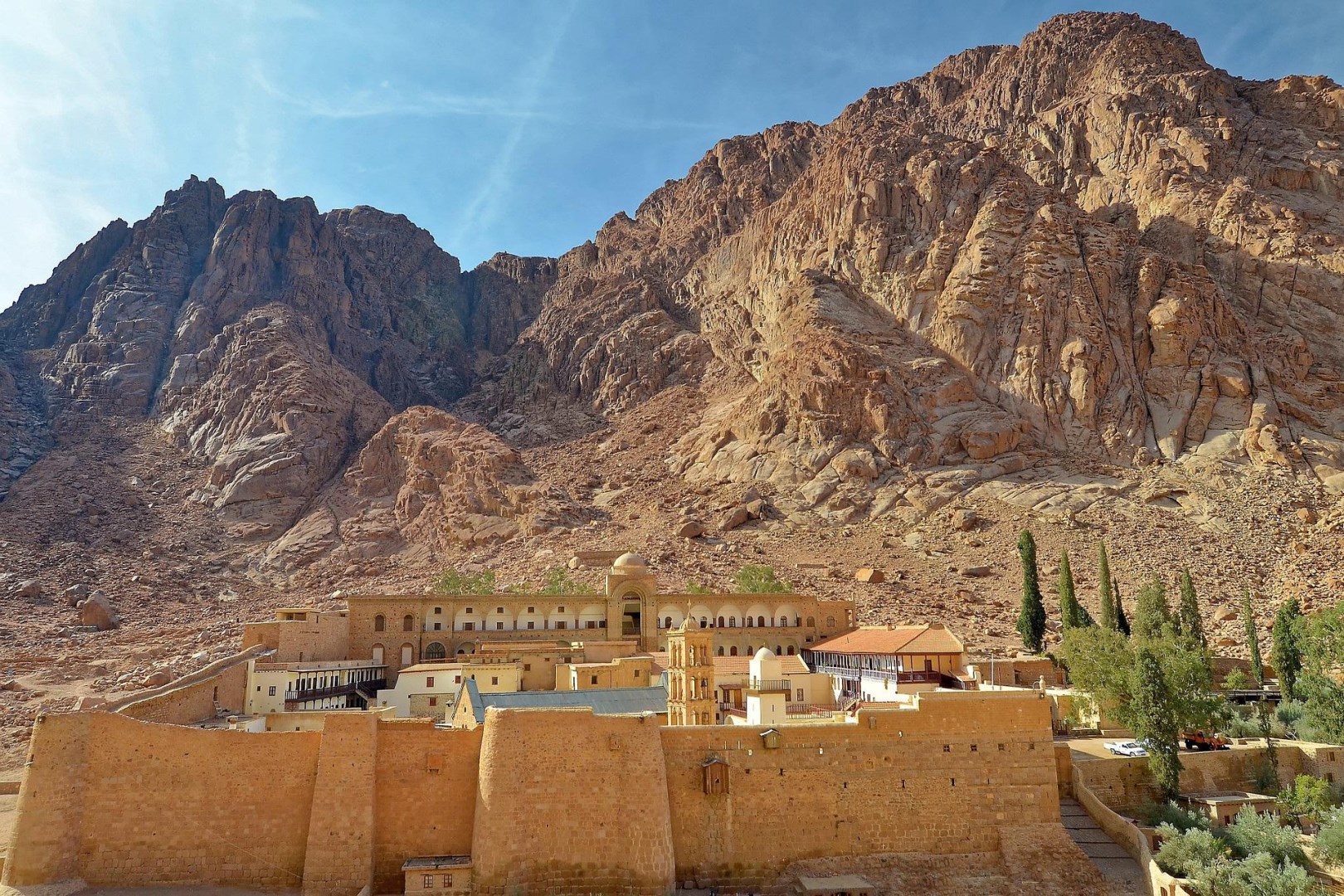
St. Catherine's Monastery, nestled at the foot of Mount Sinai in Egypt, is a beacon of historical and spiritual significance. Founded in the 6th century by Emperor Justinian, this ancient monastery is one of the world's oldest continuously operating Christian monasteries and is a UNESCO World Heritage Site. It houses a remarkable collection of early Christian manuscripts and icons, including the famous Codex Sinaiticus, one of the earliest complete manuscripts of the Bible. Visitors can explore its well-preserved Byzantine architecture, including the stunning Church of the Transfiguration, which holds a rich history in its walls.
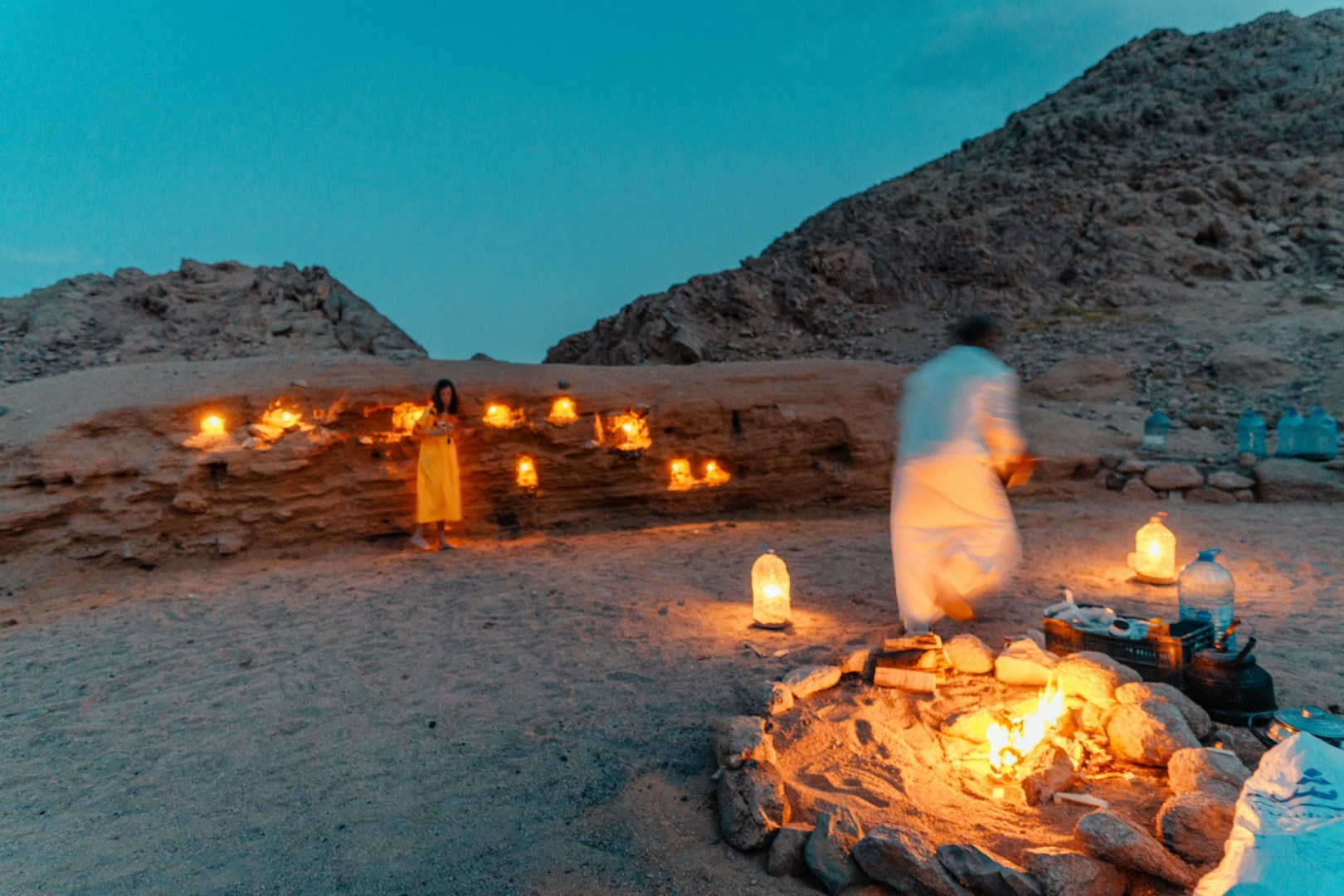
The monastery’s location adds to its allure, surrounded by the rugged, dramatic landscapes of the Sinai Peninsula. The ascent of Mount Sinai, traditionally associated with the biblical account of Moses receiving the Ten Commandments, offers breathtaking views and a profound sense of connection to ancient spiritual traditions. The trek is particularly rewarding at sunrise or sunset, when the desert's colors transform into an awe-inspiring display of nature's palette.
Beyond its religious and historical treasures, the monastery's collection of ancient icons and manuscripts is a treasure trove for scholars and art enthusiasts alike. The Icon Gallery features works of art that span over a millennium, reflecting the rich cultural and religious tapestry of the region.
For the best experience, visit during the cooler months from October to April. This period offers a more comfortable climate for hiking and exploring, and allows you to fully appreciate the serene and spiritual ambiance of this historical sanctuary.
Fun Fact: The monastery’s library, which houses one of the world's oldest surviving Christian manuscripts, is considered one of the most important libraries of early Christian texts and is renowned for its collection of over 3,300 manuscripts