
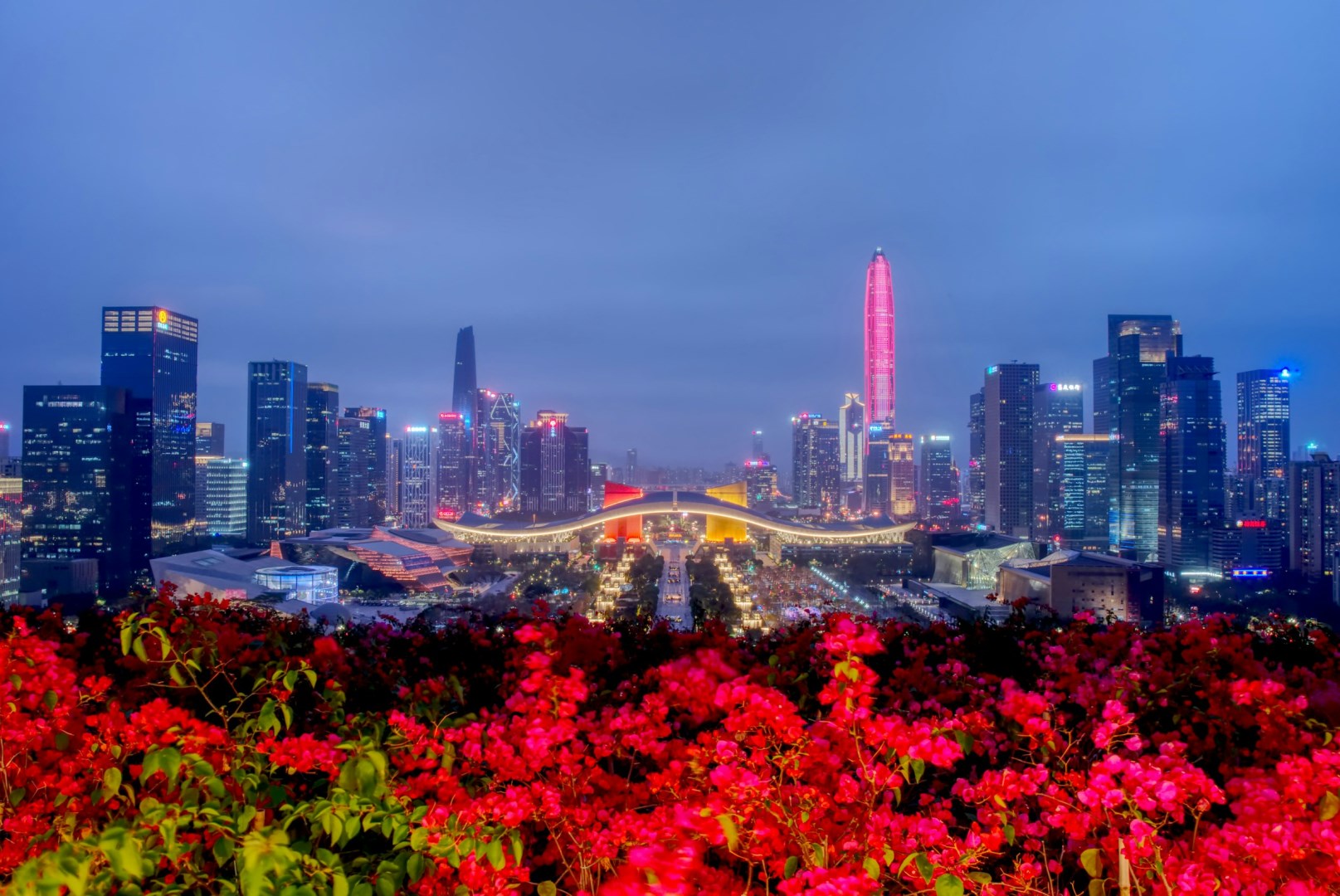
Shenzhen
Shenzhen, a dynamic metropolis in southern China, offers a unique blend of modernity and innovation. As a global technology hub, the city is renowned for its sleek skyscrapers and cutting-edge infrastructure. A visit to the Shenzhen Civic Center showcases the city's ambitious architecture, with its impressive glass buildings and futuristic design. The Shenzhen Museum, located nearby, provides a deep dive into the city's rapid development from a fishing village to a high-tech powerhouse.

Šibenik
Sibenik, located on Croatia's stunning Adriatic coast, is a hidden gem that blends rich history with a vibrant atmosphere. The town's cobblestone streets and captivating architecture, including the famous Cathedral of St. James, offer a glimpse into its storied past. Visitors can explore the medieval St. Michael's Fortress, which provides panoramic views of the city and sea.

Dominica
Dominica, known as the “Nature Island of the Caribbean,” is a haven for eco-tourists and adventure seekers. Nestled between the French islands of Guadeloupe and Martinique, this lush island boasts a remarkable landscape of volcanic mountains, dense rainforests, and stunning waterfalls. Dominica’s most iconic natural wonder is the Boiling Lake, the second-largest hot spring in the world.
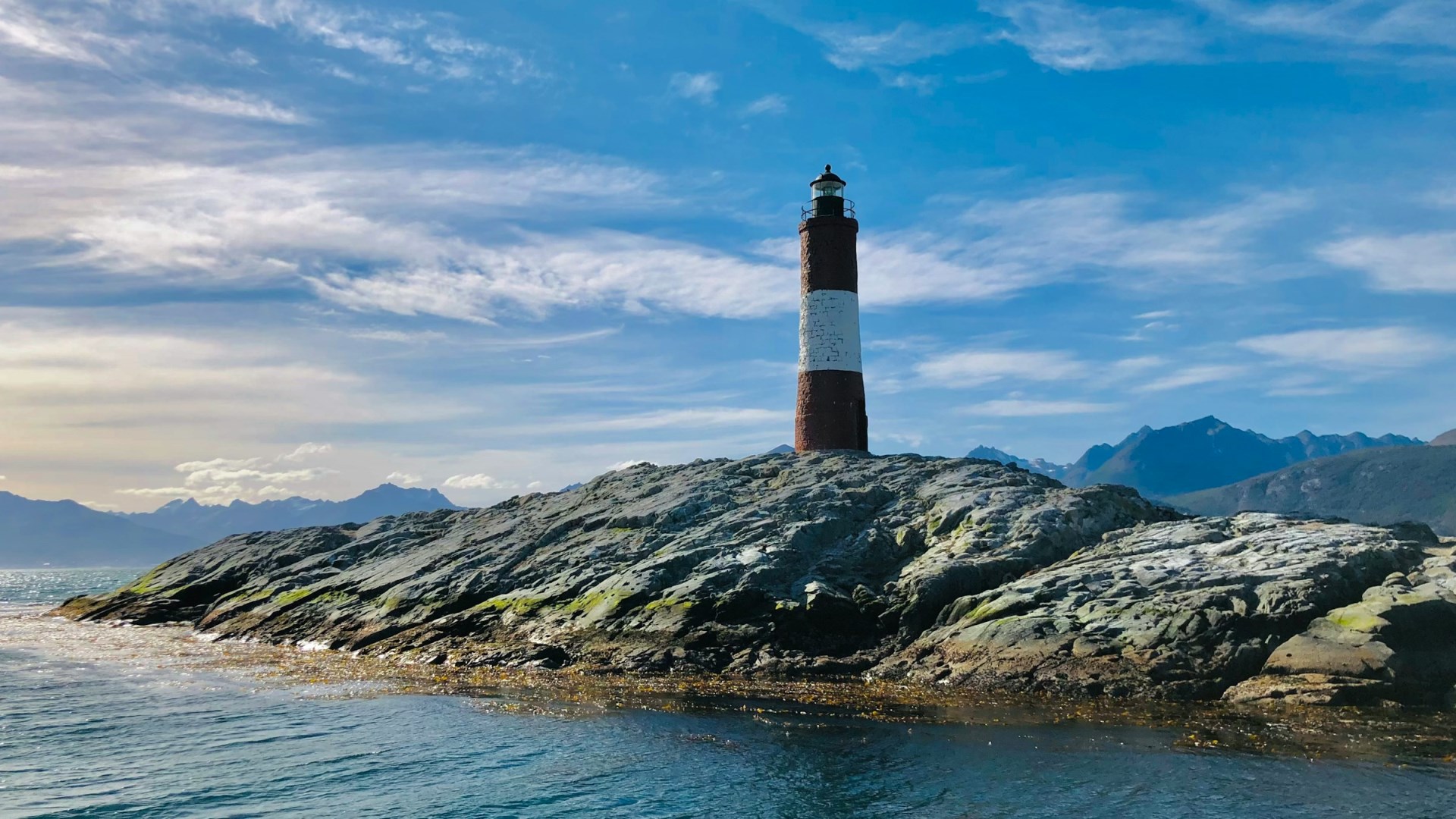
Tierra Del Fuego
Argentina shares half of this island territory in the South Atlantic Ocean with Chile. It's a place of oil derricks, sheep, glaciers, wind and waterways. Ushuaia and Río Grande are the two main towns; awesome scenery, wild walks and fishing are the island's main attractions. Argentina's only coastal national park comprises rivers, lakes, forests and glaciers, with great trekking and wildlife-spotting opportunities.
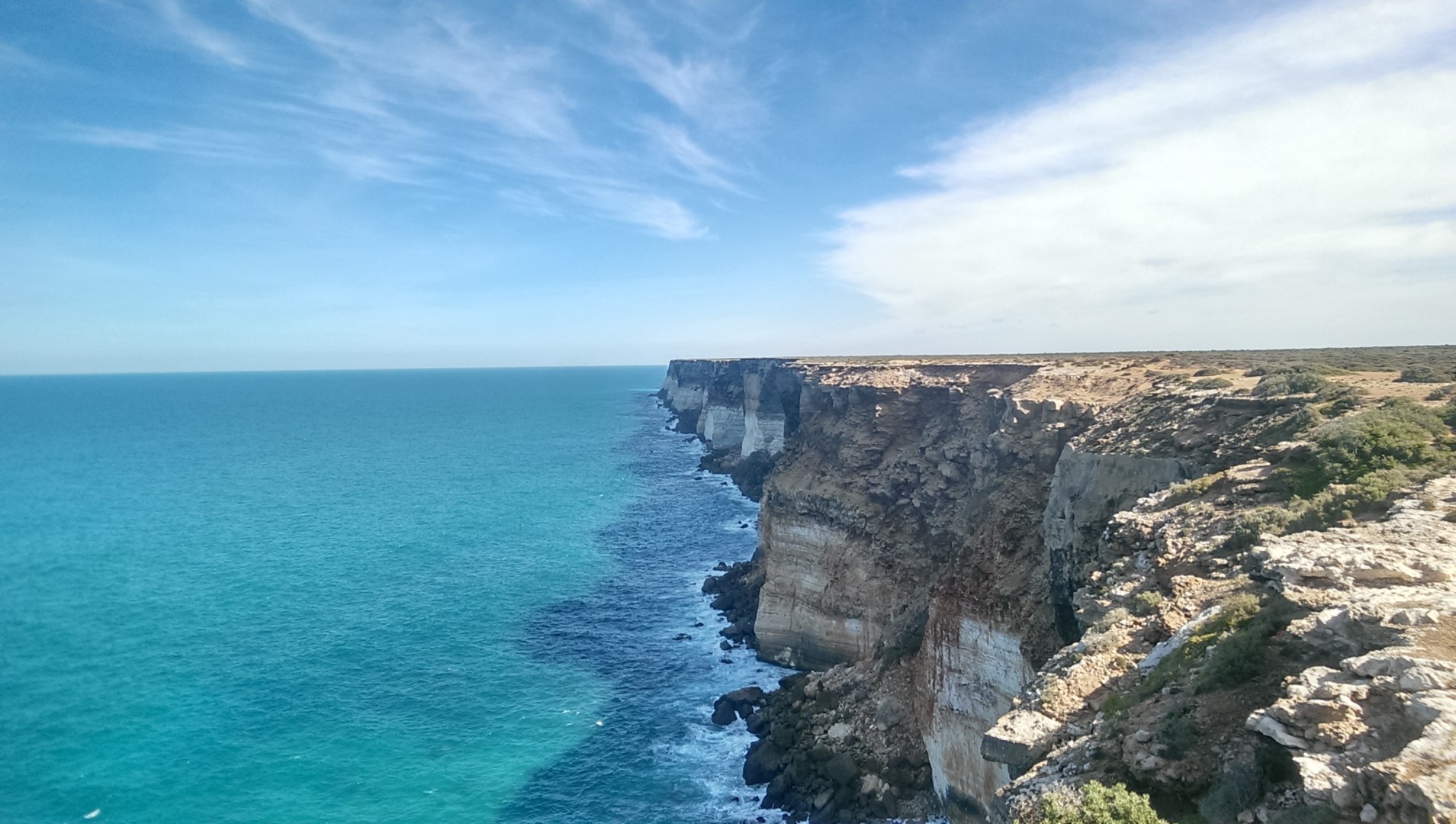
Great Australian Bight
A vast stretch of Australia’s southern coast known for towering limestone cliffs, remote scenery and seasonal southern right whale sightings.
