

Antananarivo
Antananarivo, Madagascar’s vibrant capital, offers a unique blend of cultural richness and historical depth. Perched on a series of hills, the city’s layout is characterized by its steep streets and traditional architecture. The Royal Palace, or Rova of Antananarivo, is a central landmark, offering a glimpse into Madagascar's royal past. Although much of the palace was destroyed by fire in 1995, the site remains a significant cultural and historical monument.

Shannon
Nestled in the heart of County Clare, Shannon, Ireland, is a charming town renowned for its rich history and vibrant culture. Visit Shannon between May and September for the best weather and to enjoy local festivals and events that celebrate the town’s vibrant culture and community spirit.
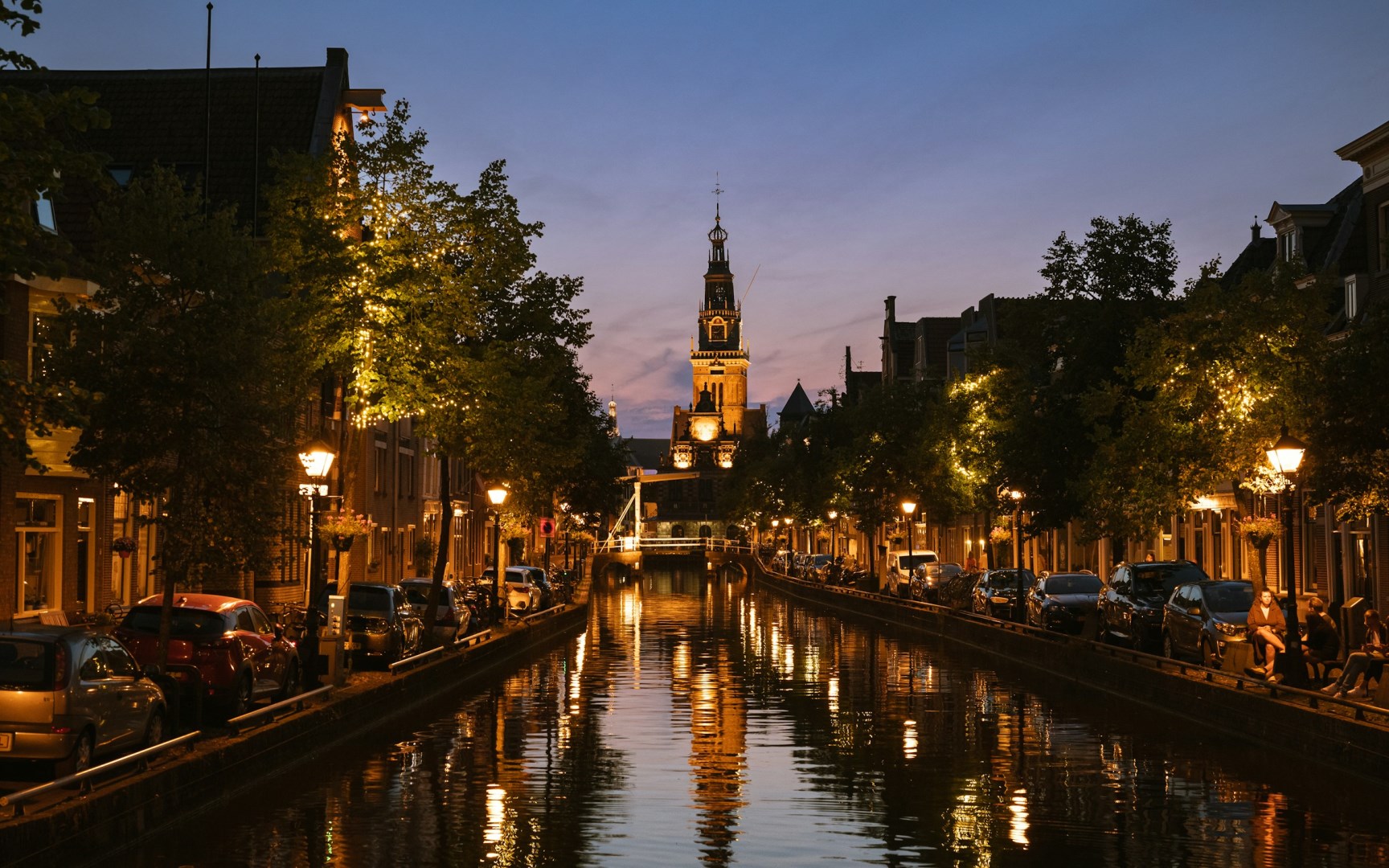
Alkmaar
Alkmaar is a historic city in the Dutch province of North Holland, known for its canals, narrow streets, traditional gabled houses, and long association with cheese trading. The old center is compact and largely walkable, with the Waagplein at its heart and the Waag building providing one of the city’s most recognizable landmarks. Canals such as the Oudegracht and Luttik Oudorp wind through the center, while bridges connect streets lined with shops, cafés, and historic buildings.

Yangon
Yangon, Myanmar’s largest city, blends colonial heritage, cultural diversity, and spiritual landmarks. Once the country’s capital, it remains the economic and cultural hub, with lively markets, tree-lined avenues, and historic buildings that reflect its layered past under British, Burmese, and regional influences.
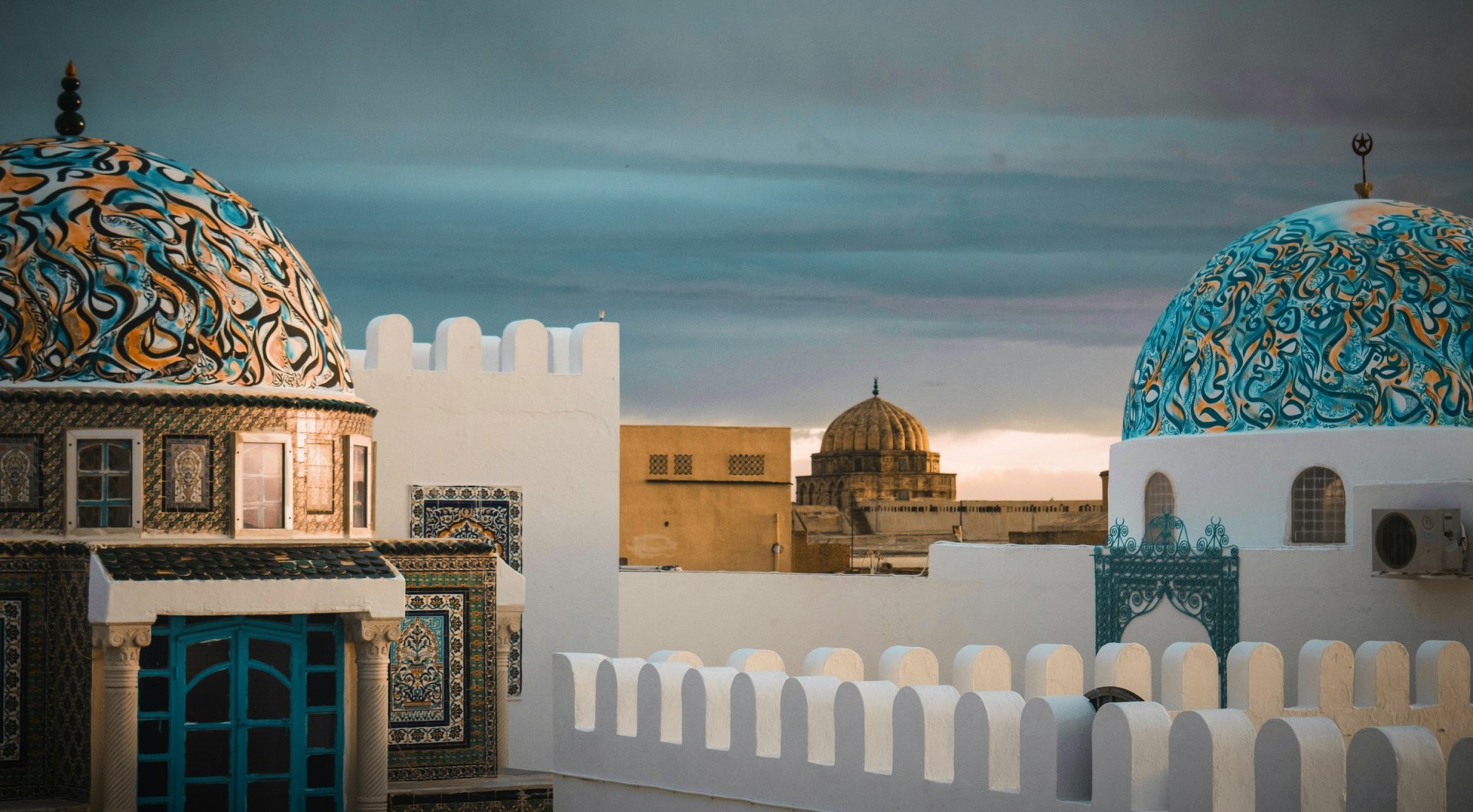
Kairouan
Kairouan is a historic city in central Tunisia, set on a broad plain away from the Mediterranean coast. It is one of the principal holy cities of the Islamic world and is recognized for its exceptionally preserved medina, religious monuments, and traditional urban design. The city’s whitewashed buildings, domes, narrow lanes, and surrounding walls create a distinctive landscape.
